The global phenomenon of K-pop is built upon a foundation of unprecedented fan engagement, characterized by a symbiotic relationship between artists and their supporters that transcends traditional entertainment boundaries. On one side of this cultural coin, fans demonstrate extraordinary altruism and organization, orchestrating massive charity drives, donating thousands of dollars to social causes in their idols’ names, and creating intricate "rice wreath" displays to support concert events. However, the darker side of this devotion reveals a gritty reality where the line between support and harassment is frequently blurred, leading to significant psychological and physical repercussions for the artists involved. Recent incidents involving prominent figures such as f(x)’s Krystal, SHINee’s Jonghyun, and members of Super Junior highlight a systemic issue within the industry: the perceived ownership of idols by their fanbases and the resulting pressure on agencies to prioritize consumer demands over the well-being of their talent.
The Digital Battlefield: Krystal and the Instagram Harassment Incident
The volatility of K-pop fandom was starkly illustrated through the experiences of Krystal Jung, a member of the girl group f(x). In early 2013, Krystal was forced to deactivate her personal Instagram account, @kjungxox, following a sustained campaign of cyberbullying and multiple hacking attempts. The catalyst for this harassment was remarkably minor: G-Dragon, the leader of Big Bang and a global fashion icon, had "liked" several of Krystal’s photos. In the hyper-reactive world of celebrity gossip, this interaction was immediately interpreted by some segments of the fanbase as evidence of a romantic involvement.
The fallout was swift and aggressive. Fans of G-Dragon, driven by a protective or possessive instinct, flooded Krystal’s comment sections with vitriol. This digital siege was not limited to verbal abuse; technical attempts to breach her privacy through hacking eventually made the platform untenable for the artist. The incident underscored a troubling trend where female idols are often disproportionately targeted in dating rumors, regardless of their validity. The deletion of her account served as a silent protest against a culture that allows digital harassment to dictate the social media presence of public figures.
The "Only 13" Movement and the Marginalization of Henry and Zhou Mi
The complexities of fan influence are perhaps most evident in the long-standing "Only 13" movement associated with the veteran group Super Junior. Since the group’s expansion into the Chinese market via the sub-unit Super Junior-M, a vocal and organized faction of the fanbase has campaigned to prevent the permanent inclusion of members Henry Lau and Zhou Mi into the main group lineup. This movement, which began as early as 2007 with physical protests outside the SM Entertainment headquarters, demands that the group remain restricted to its original thirteen members.
In July 2013, the tension reached a tipping point when Eunhyuk, a senior member of Super Junior, was compelled to issue a public statement clarifying the status of the "guest" members. He stated that while Zhou Mi and Henry were integral to Super Junior-M, they were not official members of the core Super Junior group. This clarification was viewed by many as a concession to the "Only 13" supporters, who had pressured the agency to define clear boundaries. The situation presents a unique paradox: fans who claim to love a group are simultaneously working to exclude talented individuals who contribute to the group’s success. This dynamic suggests that for some fans, the "brand" or "original image" of a group is more important than the professional growth or personal relationships of the artists themselves.
The Culture of Apology: Jonghyun and the Normalization of Privacy Invasion
In August 2013, SHINee’s Jonghyun became the center of a minor controversy after being spotted at a movie theater with a female acquaintance. Despite the benign nature of the outing, the reaction from the community was significant enough to prompt a formal apology from the artist on Twitter. Jonghyun’s statement reflected the immense pressure idols feel to remain "available" to their fans and to maintain an image of perpetual singleness.
"My stories are appearing a lot on community sites," Jonghyun wrote. "If I tell you just the facts, I went to the movies with my friends, and they’re just my friends, not celebrities. I hope no one gets hurt by this." He concluded with a poignant observation: "Even though it’s not something I should be sorry about, I’m sorry."

This "culture of apology" highlights a fundamental imbalance in the K-pop industry. Artists are often forced to apologize for exercising basic human rights, such as socializing with friends or pursuing private interests. The expectation of perfection—and the demand that idols exist solely as "characters" in a fan-driven narrative—creates an environment where every personal choice is subject to public scrutiny and potential backlash.
Physical Safety and the Chaos of Airport Arrivals
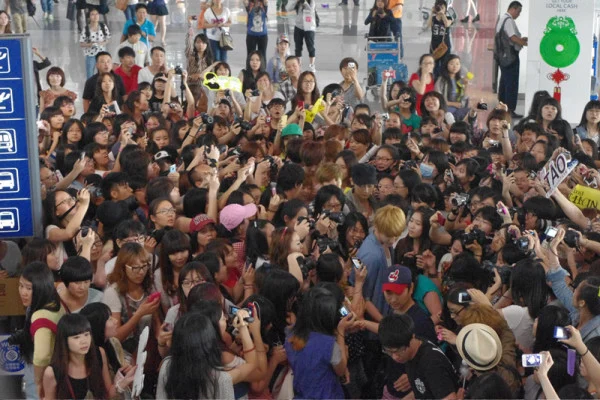
The issues of fan entitlement are not confined to the digital realm; they frequently manifest in physical spaces, most notably at international airports. As K-pop’s global reach has expanded, airport arrivals have transformed into high-risk environments. Fans often swarm artists, disregarding security barriers and personal space in an effort to capture close-up photographs or physical contact.
These "stampedes" have resulted in numerous injuries to both fans and idols. Despite the recurring nature of these incidents, many entertainment agencies have been slow to implement rigorous security protocols. The silence from corporate entities in the face of physical danger suggests a reluctance to reprimand the very consumers who drive their revenue. When artists do speak out on social media, their pleas for safety are often met with temporary compliance followed by a return to the status quo. The normalization of such behavior reflects a broader industry sentiment that the "customer is always right," even when that customer’s actions jeopardize the safety of the artist.
The Consumerist Logic: "The Customer is Always Right?"
The root of toxic fandom behavior can often be traced back to the commercial structure of the K-pop industry. Fans are not merely audience members; they are high-level consumers who invest significant financial resources into the groups they support. From purchasing multiple copies of the same album to boost chart rankings to funding elaborate birthday advertisements, the financial contribution of fans is the lifeblood of the agency.

This economic reality fosters a sense of entitlement. Some fans believe that because they have "invested" in an artist, they have earned the right to dictate that artist’s personal life, professional associations, and even their personality. However, this consumerist logic is flawed. A financial transaction involving music or merchandise does not constitute a contract for the ownership of a human being. The "customer is always right" adage, while effective in retail, becomes dangerous when applied to human relationships and creative professionals.
Broader Implications and the Need for Internal Regulation
The persistence of inappropriate behavior within the K-pop community is partly due to a lack of internal regulation. While fans are quick to criticize "netizens" (internet users known for harsh commentary), the behavior of the two groups often overlaps. Both demand a standard of perfection that is unattainable and hypocritical.
For the industry to evolve, a multi-faceted approach to accountability is required:
- Agency Responsibility: Management companies must prioritize the mental and physical health of their artists over short-term PR concerns. This includes taking legal action against malicious commenters, providing robust security at public events, and refusing to pander to unreasonable fan demands regarding an artist’s private life.
- Artist Assertiveness: While the risk to their reputation is high, there is a growing need for artists to set boundaries. When idols like Jonghyun acknowledge that they "shouldn’t be sorry," it signals a small but important step toward reclaiming their humanity.
- Fan Self-Policing: The most effective change must come from within the fandoms themselves. Just as fans organize for charity, they can organize to condemn harassment and physical aggression. Mature fans have a responsibility to educate younger or more extremist members on the importance of boundaries.
Conclusion: Toward a More Sustainable Fandom Culture
K-pop is a business of perfection, but the human beings at the center of it are inherently imperfect. The current trajectory of fan engagement, while profitable, is increasingly unsustainable. The dehumanization of idols—viewing them as property or fictional characters—leads to a toxic environment that stifles creativity and endangers well-being.

The incidents involving Krystal, Super Junior, and Jonghyun are not isolated events; they are symptoms of a deeper cultural malaise within the Hallyu wave. As the industry continues to expand globally, it must decide whether it will continue to pander to the loudest, most entitled voices or if it will take a stand to protect the artists who make the music possible. Blind negativity and inappropriate behavior will only stop when the cost of such behavior—legal, social, and professional—becomes too high to ignore. The question remains: who will be the first to step forward and demand a new standard of respect?