Online communities are currently abuzz with intense speculation regarding the perceived decline in relevance of Taemin, a pivotal figure from the second generation of K-Pop and a member of the legendary group SHINee. The debate has ignited following the domestic chart performance of his latest digital single, "Permission," prompting a broader discussion about the longevity of veteran idols in an increasingly competitive and rapidly evolving industry.
The Genesis of the Debate: A Closer Look at "Permission"
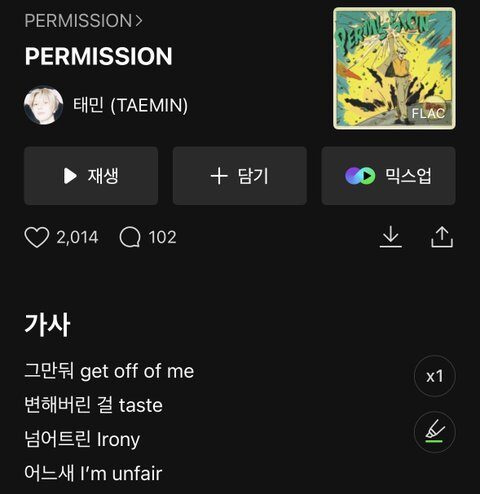
Released in May 2026, Taemin’s digital single "Permission" was anticipated as a significant follow-up to a remarkably active year. However, its performance on South Korea’s premier music streaming platform, Melon Music, has become the focal point of the controversy. As of June 3, KST, "Permission" was reportedly charting in the 500s on Melon, garnering fewer than 2,000 likes. This metric, often viewed as a key indicator of immediate public reception and widespread appeal within the Korean market, has led many netizens to label the comeback as a "flop."
The term "flop" itself carries significant weight in the K-Pop landscape, where chart positions, streaming numbers, and social media trends are meticulously scrutinized by fans, industry observers, and the general public alike. For an artist of Taemin’s stature, whose career has been marked by numerous commercial and critical successes, such a low ranking has been interpreted by some as a stark indicator that his broad appeal, particularly among newer generations of listeners, might be waning. Online forums and social media platforms have seen a surge of posts echoing this sentiment, with a notable portion of the dominant voices appearing to agree with the assessment that "Permission" has not met typical expectations for a release from an artist of his caliber.
A Year of Global Endeavors: Taemin’s Extensive 2026 Schedule
The discussion surrounding "Permission" occurs against a backdrop of Taemin’s highly ambitious and globally focused activities throughout 2026. Far from being an artist in obscurity, Taemin has maintained a demanding schedule, balancing his commitments as a solo artist with his integral role in SHINee.
His year began in March 2026 with the release of "Long Way Home," his first-ever English single. This track marked a deliberate strategic pivot towards the Western market, a move that yielded promising early results. "Long Way Home" successfully entered the US Top 40 Radio Airplay chart, a notoriously difficult barrier for non-English language artists to breach. This achievement was further bolstered by high-profile appearances on major American talk shows, including The Kelly Clarkson Show and The Jennifer Hudson Show, providing invaluable exposure to a broader international audience. These promotional efforts underscored a clear intent to expand his global footprint beyond traditional K-Pop fan bases.
May 2026 saw Taemin deliver a landmark performance at the prestigious Coachella Valley Music and Arts Festival. Performing on one of the world’s most influential stages is a testament to an artist’s global recognition and cultural impact, and Taemin’s set was widely lauded for its captivating choreography and powerful stage presence. Such an event typically generates immense international buzz and can significantly boost an artist’s profile. "Permission" was released around the time of this major festival appearance, strategically timed to capitalize on the heightened global attention.
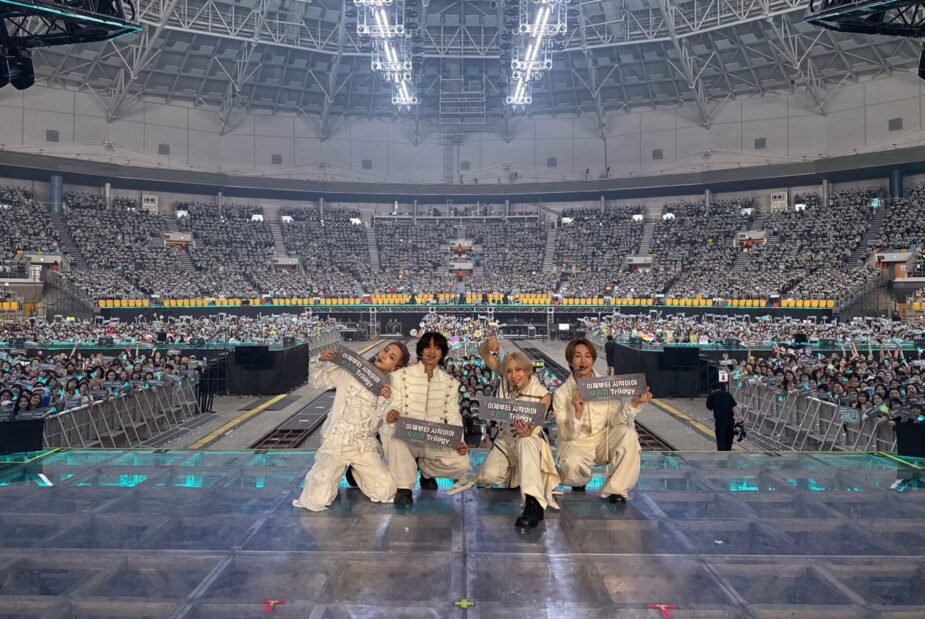
Concurrently with his solo endeavors, Taemin remained deeply involved with SHINee. The group released their much-anticipated 6th mini-album, Atmos, which was met with enthusiasm from their dedicated fanbase. This was followed by the extensive concert series, 2026 SHINee WORLD VIII: [THE INVERT], further demonstrating the group’s enduring appeal and their ability to consistently deliver high-quality performances to their loyal supporters worldwide. By any conventional measure of artistic output and international engagement, Taemin’s 2026 has been exceptionally prolific and globally oriented.

Taemin’s Enduring Legacy: A Pillar of Second-Generation K-Pop
To understand the weight of the current debate, it is essential to contextualize Taemin’s career within the broader history of K-Pop. Debuting in 2008 as the maknae (youngest member) of SHINee under SM Entertainment, Taemin quickly distinguished himself not just as a vocalist but as an unparalleled dancer. SHINee, often dubbed "Princes of K-Pop," revolutionized the industry with their experimental sound, intricate choreographies, and fashion-forward concepts. Their innovative approach earned them critical acclaim and a devoted global following, cementing their status as one of the most influential groups of their generation.
Taemin’s solo career, which began in 2014 with his debut mini-album Ace, further solidified his reputation as a formidable artist. Tracks like "Danger," "Press Your Number," "Move," "Want," and "Criminal" showcased his unique artistic vision, blending dark, sensual concepts with groundbreaking choreography and powerful vocals. He became known as the "Idol’s Idol," frequently cited by younger artists as an inspiration for his artistry, stage presence, and continuous evolution. His consistent output, both individually and with SHINee, has garnered him numerous awards and accolades, alongside a deeply committed fandom known as "Shawols" (for SHINee) and "Taemints" (for Taemin’s solo work).
His military service, which concluded in April 2023, saw a brief hiatus from his active career. Upon his return, he swiftly resumed activities, releasing the mini-album Guilty in October 2023, which performed strongly on domestic charts and solidified his comeback. This history of sustained success and critical recognition makes the current "flopping" narrative particularly jarring for many.
Navigating the Nuances: Domestic Charts vs. Global Reach

The stark contrast between Taemin’s extensive international activities and the domestic chart performance of "Permission" highlights a growing divergence in the K-Pop industry. While South Korean streaming platforms like Melon, Genie, and Bugs remain crucial for domestic popularity and public recognition, the global K-Pop landscape increasingly values international chart performance, social media virality, and concert attendance.
Industry analysts suggest that veteran idols, particularly those from the second generation, face unique challenges in the domestic market. The sheer volume of new releases from younger, often aggressively marketed groups, coupled with evolving listener preferences, can make it difficult for established artists to maintain top-tier positions on local charts without significant digital marketing pushes. Many older fans, while still loyal, may not engage with streaming in the same high-volume, repetitive manner as younger, digitally native fandoms.
Moreover, the metrics themselves have changed. In the past, physical album sales held immense weight; now, digital streaming is paramount. While Taemin’s English single “Long Way Home” hitting the US Top 40 Radio Airplay chart is a monumental achievement in Western markets, its impact on Melon’s real-time charts in Korea is often indirect or negligible. An artist performing at Coachella or appearing on US talk shows signifies global prestige and market penetration, but it does not automatically translate into sustained domestic streaming numbers.
Statements and Reactions: A Divided Public
The debate has elicited strong reactions from various stakeholders. While a segment of online users has pointed to the Melon chart data as undeniable proof of declining relevance, the loyal fanbase and many industry observers have offered a more nuanced perspective.
SM Entertainment, Taemin’s agency, has not issued a direct statement specifically addressing the "flopping" claims. However, it is common for major labels to emphasize artists’ long-term career growth, global impact, and artistic integrity over single-track domestic chart performance, especially for established acts. A hypothetical statement from an SM representative might reiterate Taemin’s unparalleled artistic contributions, his success in expanding his international reach, and the company’s commitment to supporting his diverse projects. They might highlight the success of Atmos and the SHINee WORLD VIII tour as evidence of strong group engagement, and point to the US radio chart entry and Coachella performance as key indicators of Taemin’s evolving global influence.
Fans, particularly the Shawols and Taemints, have vehemently defended the idol. They argue that judging an artist of Taemin’s caliber solely by one domestic digital single’s chart position is reductive and ignores his immense overall impact. Many highlight his consistent artistic quality, his innovative performances, and the unwavering loyalty of his fanbase, which continues to sell out concerts and actively support his music across various platforms. They point out that a "solid fanbase that tunes in routinely for their activities" might prioritize buying physical albums, attending concerts, or streaming on global platforms like Spotify and Apple Music, rather than exclusively focusing on Melon. They also argue that Taemin’s sound is often more experimental and less aligned with mainstream Korean chart trends, appealing to a niche but dedicated audience.
Industry analysts, while acknowledging the domestic chart challenges, tend to view the situation from a broader economic and strategic perspective. Dr. Kim Jihye, a K-Pop market researcher, noted in a recent interview, "The K-Pop industry is increasingly bifurcated. Domestically, competition is fiercer than ever, with new groups constantly debuting. For senior idols, the focus often shifts from capturing fleeting domestic trends to solidifying a global, long-term legacy. Taemin’s achievements in the US radio market and at Coachella are significant wins that many younger groups can only dream of, regardless of a single track’s Melon ranking." She added, "His artistic integrity and performance quality remain undisputed, which is what truly resonates with his core audience and defines his career."
Broader Implications: Idol Longevity and Evolving Metrics
The debate surrounding Taemin’s “Permission” comeback carries significant implications for the K-Pop industry as a whole, particularly regarding the concept of idol longevity and the metrics used to define success.
Firstly, it underscores the ongoing challenge for veteran idols to maintain domestic chart dominance in an industry increasingly geared towards younger demographics and viral trends. As K-Pop continues its global expansion, the definition of "success" for established artists like Taemin may need to evolve beyond purely domestic streaming performance. International tours, collaborations, brand endorsements, and critical acclaim on a global scale are becoming equally, if not more, important indicators of an artist’s enduring relevance and commercial viability.
Secondly, the discussion highlights a generational shift in K-Pop fandom. Newer generations of fans are highly organized in their digital streaming efforts, often employing sophisticated strategies to push their favorite artists up the charts. While older fandoms remain incredibly loyal and financially supportive (through album purchases, concert tickets, merchandise), their collective streaming power on domestic platforms might not always match the intense, coordinated efforts seen from younger fanbases.
Finally, Taemin’s situation prompts a critical re-evaluation of what constitutes a "flop." If an artist is performing at Coachella, charting on US radio, selling out arena tours with their group, and consistently releasing critically praised music, is a lower ranking on a single domestic streaming chart truly indicative of a decline in relevance? Or does it merely reflect a strategic shift towards a global audience, a different set of priorities, and the natural evolution of an artist who has already cemented his legendary status?
In conclusion, the debate surrounding Taemin’s "Permission" is far from a simple judgment of success or failure. It is a complex reflection of the evolving K-Pop landscape, the nuanced challenges faced by veteran idols, and the changing parameters by which artistic relevance is measured. While domestic chart performance remains a significant talking point, Taemin’s extensive global activities, critical acclaim, and unwavering fanbase paint a picture of an artist who, far from losing relevance, may simply be charting a new, more expansive course for his remarkable career. His journey continues to serve as a fascinating case study in artistic evolution and longevity within the dynamic world of K-Pop.