
The global ascension of Korean popular music, commonly known as K-pop, has transformed from a regional subculture into a multi-billion-dollar international industry. Central to this phenomenon is the unique structure of its fandoms, which exhibit behavioral patterns distinct from traditional Western music audiences. As the "Hallyu" or Korean Wave continues to permeate global markets, sociological and psychological observers have identified a recurring progression—a "fan life cycle"—that many enthusiasts experience. This cycle transitions from initial exposure and skepticism to intense immersion, often followed by a period of reassessment and, eventually, a long-term integration into the individual’s lifestyle. Understanding these stages provides critical insight into the consumer behavior that drives the success of entertainment conglomerates such as HYBE, SM Entertainment, and JYP Entertainment.
The Catalyst of Entry: The Introductory Stage and Sensory Overload
The first encounter with K-pop is frequently characterized by a mixture of curiosity and cognitive dissonance. For many international observers, particularly those in Western markets, the genre presents a stark contrast to local musical norms. The "Introductory Stage" is defined by the exposure to high-concept music videos, characterized by "neon box" sets, hyper-synchronized choreography, and a fluid approach to gender aesthetics in fashion and grooming.
Industry data suggests that visual stimuli are the primary drivers of initial engagement. According to YouTube’s annual music reports, K-pop music videos consistently rank among the most-viewed content globally within the first 24 hours of release. However, this initial exposure is not always positive. Newcomers often perceive the genre as "gimmicky" or over-produced. There is also a secondary entry point for existing fans: the comparison of new groups to established legends. For example, when BTS first debuted, many fans of B.A.P viewed them through a lens of skepticism, perceiving similarities in their "hip-hop idol" concepts. This initial resistance is a common psychological barrier, as the brain attempts to categorize a complex, multi-sensory experience that defies previous musical frameworks.
The Digital Deep-Dive: The Investigative Stage
The transition from observer to participant begins in the "Investigative Stage." This phase is often triggered by a "hook"—a specific melody, a particular member’s charisma, or a viral dance challenge. At this juncture, the individual moves beyond passive consumption and begins utilizing digital platforms to seek context.
The role of the YouTube algorithm cannot be overstated in this process. Once a user engages with a single video, such as Girls’ Generation’s experimental track "I Got a Boy," the platform’s recommendation engine provides a curated stream of related content, including variety show appearances, behind-the-scenes "vlogs," and dance practice videos. This stage is marked by a tentative search for "fairness," where the observer attempts to determine if their initial skepticism was justified. During this period, the consumer often discovers the high level of technical proficiency required of idols, which serves to validate the genre’s artistic merit in the mind of the viewer.
The Peak of Immersion: The Obsessive Stage and Parasocial Dynamics
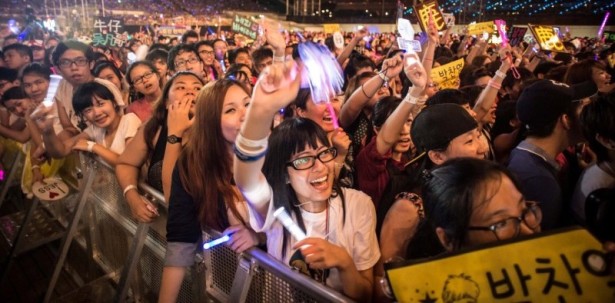
The third phase, the "Obsessive Stage," represents the most intense period of the fandom cycle. This is characterized by the development of parasocial relationships—one-sided emotional bonds where the fan feels a deep personal connection to the idol. In K-pop culture, this is formalized through the "Bias" system, where a fan selects a favorite member ("Ultimate Bias") while navigating the distractions of other members ("Bias Wreckers").
During this stage, the fan’s digital consumption habits shift dramatically. Data from Twitter (now X) has historically shown that K-pop is one of the most discussed topics on the platform, with billions of tweets generated annually. Fans in the obsessive stage prioritize real-time updates, often sacrificing sleep to watch live streams (formerly on V Live, now primarily on Weverse or Instagram) due to time zone differences with Seoul.

The economic impact of this stage is significant. This is when fans are most likely to purchase multiple versions of physical albums, invest in official lightsticks, and participate in "streaming parties" to bolster a group’s chart performance. This behavior is driven by a sense of collective responsibility toward the group’s success, a hallmark of the K-pop fandom experience that differs from the more individualistic consumption patterns seen in other genres.
Cognitive Dissonance and the Denial Stage
As the immersion deepens, many fans enter a "Denial Stage." This occurs when the time and emotional energy invested in the fandom begin to conflict with real-world obligations, such as academic performance, professional responsibilities, or interpersonal relationships.
Psychologically, denial serves as a defense mechanism. When external observers—friends or family—point out the obsessive nature of the behavior, the fan often retreats further into the fandom community for validation. In this stage, the repetitive consumption of content, such as listening to SHINee’s "Ring Ding Dong" or other "earworm" tracks, becomes a form of escapism. The fan acknowledges the addiction on a subconscious level but refuses to alter their behavior, prioritizing the dopamine response triggered by idol-related content over external stressors.
The Tipping Point: The Acknowledgement Stage and Burnout
The "Acknowledgement Stage" is typically reached when the consequences of the obsessive phase become undeniable. This is often precipitated by "fandom burnout"—a state of emotional exhaustion caused by the rapid pace of the K-pop industry, which features frequent "comebacks" (new releases) and constant content cycles.

External factors often play a role in this transition. Scandals involving idols, group hiatuses due to mandatory military service in South Korea, or internal fandom toxicity can shatter the idealized parasocial bond. Fans at this stage begin to notice the physical and social toll of their habits, such as the "bags under their eyes" or a "stack of overdue assignments." This realization leads to a period of "semi-hiatus," where the fan intentionally distances themselves from social media to recalibrate their personal life.
Recovery and Behavioral Adjustment: The Rehabilitation Stage
Rehabilitation in the context of K-pop fandom involves a conscious effort to return to a "pre-fandom" lifestyle. This stage is characterized by the re-establishment of normal sleeping patterns and a diversification of musical interests. The fan may attempt to engage in social interactions without referencing K-pop culture, such as G-Dragon’s latest fashion choices or the latest music show wins.
This phase is a critical test of the fan’s long-term relationship with the genre. For some, it is a period of mourning for the lost intensity of their interest; for others, it is a necessary step toward emotional maturity. However, the pervasive nature of K-pop on social media makes "total recovery" difficult, as news of a favorite group’s return can easily penetrate the fan’s defensive barriers.
The Cycle of Return: The Relapse Stage
The "Relapse Stage" is a common phenomenon where the fan, after a period of absence, is drawn back into the fandom by a major event, such as a "Daesang" (Grand Prize) win or a highly anticipated comeback. The guilt of "missing out" on a group’s milestones often drives the fan back into an intense state of devotion, sometimes with even greater fervor than before to "make up" for lost time.

This relapse highlights the efficacy of the K-pop marketing machine. Agencies are adept at creating a sense of urgency and exclusivity through limited-edition merchandise and interactive fan experiences, making it difficult for former devotees to remain detached.
Long-term Integration: The Balanced Stage vs. The Renouncement
The conclusion of the fandom cycle typically results in one of two states:
1. The Balanced Stage
In this scenario, the fan achieves a "Zen-like" harmony between their interest in K-pop and their real-world responsibilities. They continue to support their favorite groups and enjoy the music but no longer allow it to dictate their emotional state or daily schedule. They accept that they cannot consume every piece of content and instead focus on high-value experiences, such as attending a concert or purchasing a single favorite album. This represents the transition from an "obsessive fan" to a "long-term consumer."
2. The Renouncement
Alternatively, some fans experience a total "Renouncement." This often occurs as fans age and their priorities shift, or if a specific event (such as a bias leaving a group or a group’s disbandment) severs the emotional connection entirely. For these individuals, K-pop was a specific chapter of their lives, often associated with youth or a particular emotional period. Once that void is filled by other interests or life stages, the motivation to follow the industry evaporates.

Broader Impact and Industry Implications
The evolution of the K-pop fan cycle has profound implications for the global entertainment industry. The ability of Korean agencies to move fans through these stages—particularly the obsessive and relapse stages—is a testament to a sophisticated business model that prioritizes engagement over mere consumption.
From a sociological perspective, the K-pop fandom experience serves as a microcosm of modern digital life, where the lines between reality and online community are increasingly blurred. As the industry continues to expand into the West, understanding these behavioral stages will be essential for marketers, psychologists, and cultural critics alike. The cycle proves that while the intensity of fandom may fluctuate, the impact of the experience often leaves a lasting imprint on the individual’s cultural identity. Whether a fan reaches a state of balance or renouncement, the journey through the stages of K-pop fandom remains a definitive characteristic of the 21st-century music consumer.