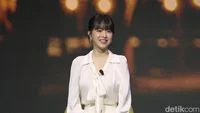
South Korean actress Park Bo Young has recently found herself at the center of a social media storm, facing a barrage of negative comments from Korean netizens (Knetz) stemming from escalating political tensions in the nation. The popular star, known for her roles in hit dramas like Strong Girl Do Bong Soon, became a focal point of public scrutiny following the contentious local elections held on June 3, 2026. This wave of online criticism is intricately linked to a broader political controversy that has reignited discussions and demands for the impeachment of President Yoon Suk Yeol, drawing celebrities who previously expressed political stances into its turbulent wake.
The Escalating Political Climate and Post-Election Fallout
The political landscape in South Korea has been particularly volatile, marked by deep ideological divides and intense public engagement. The local elections on June 3, 2026, served as a crucial barometer of public sentiment, with their results further polarizing the nation. In the aftermath of these elections, the political discourse intensified, with various factions amplifying calls for significant political changes, including renewed demands for the impeachment of President Yoon Suk Yeol. This movement, while not entirely new, gained significant traction and visibility in the post-election period, fueled by a complex interplay of public dissatisfaction, policy debates, and partisan politics.
Historically, South Korean society has demonstrated a strong tradition of civic participation and a high level of political awareness among its populace. This translates into a public sphere where political events are closely watched, and public figures, including celebrities, are often expected to align themselves with certain causes or, conversely, face criticism for perceived inaction. In this charged atmosphere, past political expressions by celebrities are frequently revisited and scrutinized, especially when the national political mood shifts dramatically. The current wave of controversy is a prime example of this phenomenon, as Knetz began sifting through the public records and social media histories of prominent figures, evaluating their past and present political engagements.
Chronology of Events Leading to Celebrity Scrutiny
The sequence of events unfolded rapidly, setting the stage for the targeting of figures like Park Bo Young:
- June 3, 2026: South Korea holds its local elections. The results, reflecting a complex political landscape, immediately spark intensified debate and controversy across various political spectrums.
- Early June 2026 (Post-Election Period): Following the election, political tensions escalate. Calls for the impeachment of President Yoon Suk Yeol, which had simmered previously, gain renewed momentum and become a dominant topic in political discussions and online forums.
- Mid-June 2026: Amidst the heightened political atmosphere, certain segments of Knetz begin actively scrutinizing public figures. This includes revisiting past statements, social media posts, or perceived affiliations of celebrities regarding previous political movements, particularly those related to impeachment calls against political leaders. The objective appears to be to identify and criticize celebrities for perceived hypocrisy or selective engagement with political issues.
- Late June 2026: Park Bo Young’s name, alongside other high-profile stars, begins to surface in online discussions as a target for negative comments. The core of the criticism against her is centered on the accusation of "selective democracy," suggesting she had previously supported impeachment movements but remained silent on the current, equally pressing political controversies.
- June 8, 2026: Fans, noticing the growing volume of negative comments directed at Park Bo Young, reach out to her via the fan communication platform Bubble, expressing concern and inquiring about her well-being in light of the online attacks.
- June 8, 2026 (Same Day): Park Bo Young responds to her fans on Bubble, adopting a remarkably calm and reassuring tone, addressing the criticism directly while simultaneously comforting her supporters.
The Allegation of "Selective Democracy"
The primary accusation leveled against Park Bo Young and several other celebrities is that of "selective democracy." This term, popularized by Knetz, implies that these public figures are perceived as selectively engaging with political issues, expressing strong opinions or support for certain movements (such as past impeachment calls) when it aligns with their public image or perceived popular sentiment, but remaining silent when faced with similar or even more intense political controversies in the present.
In Park Bo Young’s case, critics argued that her perceived silence or lack of a public stance on the renewed calls for President Yoon Suk Yeol’s impeachment constituted a form of hypocrisy. They contended that if she had previously supported movements for political accountability or leadership changes, she should consistently demonstrate such engagement, especially during a period of significant national political upheaval. This expectation from Knetz highlights the intense pressure on South Korean celebrities to not only maintain an unblemished public image but also to navigate complex political landscapes with a degree of consistency that is often difficult to achieve given the fluid nature of public opinion and political events. The notion of "selective democracy" underscores a public demand for ideological purity and consistent political activism from their beloved stars, often disregarding the personal and professional risks associated with taking overt political stances.
Park Bo Young’s Poised and Reassuring Response
Amidst the swirling controversy and the onslaught of negative comments, Park Bo Young chose to address her concerned fans directly through Bubble, a platform designed for intimate communication between idols and their supporters. Her response on June 8, 2026, was characterized by remarkable composure and a heartfelt dedication to her fans’ peace of mind, demonstrating a maturity in handling public criticism that resonated positively with her fanbase.
Upon learning about the negative comments from her fans, Park Bo Young admitted she was initially unaware of the extent of the online attacks. "I only found out about those strange people when I saw your messages," she candidly shared, indicating that she might have been shielded from or simply choosing to ignore the online negativity until her fans brought it to her attention. This statement not only downplayed the impact of the critics but also subtly reframed the situation, portraying the detractors as "strange people" rather than legitimate voices deserving of deep concern.
More significantly, the actress went on to reassure her fans that the comments had no significant emotional impact on her. She drew a clear distinction between the criticism from anonymous online users and potential disappointment from her loyal supporters. "I would only feel hurt if you were the ones talking about it, because I cherish all of you," Park Bo Young conveyed, effectively prioritizing her fans’ feelings and loyalty above the noise of online detractors. This particular statement served multiple purposes: it validated her fans’ concern, reaffirmed her deep affection for them, and simultaneously dismissed the weight of the negative comments from Knetz, implying that their opinions held little value compared to the bond she shares with her supporters.
Her response was a masterclass in celebrity crisis management, delivered with genuine warmth and sincerity. By focusing on her fans and downplaying the impact of the "strange people," she managed to de-escalate the situation, protect her emotional well-being, and reinforce the strong relationship with her fanbase. This approach not only garnered praise from her supporters but also offered a template for other public figures navigating similar challenges.
Broader Context: The Phenomenon of Celebrity Political Scrutiny in South Korea
Park Bo Young is far from an isolated case in facing political scrutiny from Knetz. The phenomenon of South Korean celebrities being targeted for their political views, past actions, or even perceived inaction is a deeply ingrained aspect of the nation’s entertainment landscape. The confluence of a highly engaged and politically active populace, the pervasive influence of social media, and a culture that places immense moral expectations on public figures creates an environment where stars are constantly under the microscope.
Historically, the South Korean entertainment industry has been intertwined with the nation’s political currents. During various political administrations, celebrities have faced "blacklisting" for expressing dissenting views or even for associating with politically unfavorable figures. This historical context has instilled a degree of caution in many agencies and artists regarding overt political endorsements. However, the rise of digital platforms has complicated this, as every past statement, like, or follow can be resurrected and re-contextualized.
Other prominent figures who have recently found themselves in the crosshairs of Knetz for similar political reasons include:
- IU: The immensely popular singer-actress, known for her widespread appeal, has faced various forms of online scrutiny throughout her career, including politically tinged criticisms.
- Jo In Sung: A highly respected actor, he too has been subject to public commentary regarding his perceived political alignment or lack thereof in critical moments.
- Lee Dong Wook: Another beloved actor, he has also experienced the intense pressure from Knetz to take a stance or face criticism for silence on contentious national issues.
These cases illustrate a recurring pattern: Knetz often demand that celebrities not only be paragons of virtue but also consistent moral and political compasses. The line between a celebrity’s private citizen rights and their public persona’s obligations becomes blurred. Fans and anti-fans alike leverage online platforms to exert significant pressure, influencing public discourse, brand endorsements, and potentially, career trajectories. The expectation is that celebrities, by virtue of their influence, should use their platforms for social good, which, in the eyes of many Knetz, includes taking unequivocal stances on major political issues.
Supporting Data and Analysis of Implications
The ongoing scrutiny of celebrities like Park Bo Young carries several significant implications for the entertainment industry, public figures, and society at large:
-
Impact on Celebrity Mental Health: The relentless nature of online harassment, particularly when it touches upon deeply personal or politically charged issues, can have severe psychological repercussions for celebrities. Studies on cyberbullying and online hate speech consistently show links to increased stress, anxiety, depression, and even suicidal ideation. While Park Bo Young demonstrated resilience, the cumulative effect of such attacks on other, less outwardly stoic personalities cannot be underestimated. This often necessitates increased psychological support and protection from their management agencies.
-
Freedom of Expression vs. Public Expectation: This situation highlights a fundamental tension between a celebrity’s right to freedom of expression (or silence) and the public’s expectation for them to be vocal on political matters. In a democratic society, individuals should ideally be free to express their political views without fear of professional retaliation or widespread public condemnation. However, for celebrities, this right is often curtailed by the commercial realities of their careers and the intense scrutiny of their public image. Agencies frequently advise caution, leading to a chilling effect on celebrity political engagement.
-
The Role of Online Fandoms and Anti-Fandoms: The incident vividly demonstrates the dual power of online communities. While anti-fandoms can unleash devastating waves of criticism, dedicated fandoms play a crucial role in defending their idols, providing emotional support, and often counteracting negative narratives. Park Bo Young’s response directly to her fans on Bubble underscored the importance of this loyal base as a buffer against external negativity. The dynamics between these groups shape the longevity and intensity of online controversies.
-
The Power of Knetz: Korean netizens wield considerable influence. Their collective actions can affect brand endorsements, drama ratings, and public perception, making them a force that agencies and celebrities cannot ignore. This power stems from South Korea’s high internet penetration, robust online communities, and a culture that values collective opinion. The incident serves as a stark reminder of their capacity to mobilize and impact public discourse.
-
Future Trends in the Entertainment Industry: This trend of political scrutiny is likely to continue, if not intensify, given the ongoing political polarization in South Korea and the global rise of cancel culture. Entertainment agencies will need to develop more robust strategies for managing artists’ online presence, providing media training for handling sensitive questions, and offering psychological support. There might also be a shift towards artists adopting more carefully curated public images to avoid any potential political pitfalls, potentially leading to a more homogenized or apolitical celebrity landscape.
Official Responses and Industry Stance (Inferred)
While Park Bo Young personally addressed the issue, typically, entertainment agencies monitor such politically charged situations with extreme caution. They often adopt one of several strategies:
- Silence: Opting not to engage, hoping the controversy will dissipate.
- Supportive Statements: Issuing statements reaffirming their artist’s dedication to their craft and asking for respect for their privacy.
- Legal Action: In cases of severe defamation or malicious comments, agencies may pursue legal remedies.
In Park Bo Young’s specific case, her direct and personal response to fans on Bubble might have been a deliberate choice to circumvent a formal agency statement, which can sometimes appear detached or overly corporate. Her authentic voice likely had a more immediate and comforting effect on her fanbase. Generally, agencies prioritize the mental well-being of their artists and the protection of their brand, often advising them to remain neutral on political issues unless there is a strategic or deeply personal reason to take a public stance.
Conclusion
The recent targeting of Park Bo Young by Knetz underscores the challenging environment in which South Korean celebrities operate, particularly amidst heightened political tensions. Her composed and fan-centric response exemplifies a mature approach to navigating online harassment, prioritizing the emotional connection with her loyal supporters over engaging with anonymous detractors. However, this incident also serves as a potent reminder of the immense pressure on public figures to align with specific political narratives or face accusations of "selective democracy." As South Korea continues to grapple with its political landscape, the entertainment industry and its stars will undoubtedly face ongoing challenges in balancing their roles as cultural icons with their rights as private citizens, making incidents like this a recurring feature of the nation’s vibrant yet demanding public sphere.