Drake Ties Adele’s Billboard 200 Benchmark with 40 Weeks at Number One
Article Editorial Team
Drake has officially etched another significant milestone into his illustrious career, tying Adele’s impressive record of 40 weeks at the number one position on the Billboard 200 albums chart. This achievement, solidified by his album Iceman holding steady at the top for the week of June 13, further solidifies Drake’s dominance in hip-hop and Canadian music history. Iceman now represents the latest in a string of chart-topping successes for the Toronto-born artist, extending his lead as the hip-hop artist with the most cumulative weeks at number one.
This latest chart performance is particularly noteworthy when considering the artists Drake is now statistically aligned with. Adele, the powerhouse British vocalist, also amassed 40 weeks at the pinnacle of the Billboard 200 between 2011 and 2022. However, Adele achieved this remarkable feat with a more concentrated discography, reaching the top spot with just three albums. Drake’s 40 weeks, conversely, are a testament to the sustained popularity and commercial success across a more extensive catalog of 15 albums. This disparity highlights Drake’s consistent ability to connect with a broad audience over a considerable period.

The span of Drake’s number one albums on the Billboard 200 is equally impressive, stretching across nearly 16 years. His first chart-topper, Thank Me Later, debuted at number one in July 2010, and his latest, Iceman, continues this legacy through June 2026. This longevity underscores a remarkable consistency in album performance that few artists can match in the modern music era.
A Deeper Look at Billboard 200 Dominance
The Billboard 200 chart, which ranks the most popular albums of the week in the U.S. based on multi-metric consumption, has been a key indicator of musical success since its inception. Drake’s current achievement places him in elite company, joining a pantheon of artists who have demonstrated unparalleled staying power at the top.
While Drake’s 40 weeks are a monumental accomplishment, it’s worth contextualizing this within the broader history of the Billboard 200. Examining other artists with significant chart runs provides a richer understanding of the competitive landscape:

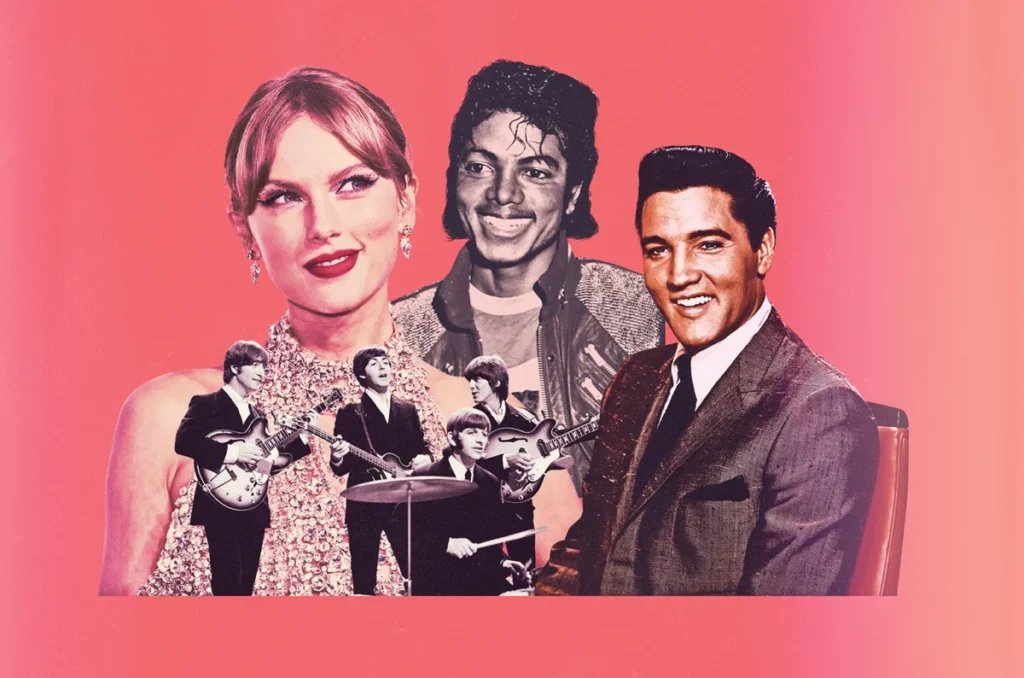
- The Beatles: The legendary quartet holds a commanding presence on the Billboard 200, with an extensive list of number-one albums and a cumulative total that dwarfs most other artists. Their impact on music history is reflected in their enduring chart success.
- Taylor Swift: As one of the most commercially successful artists of the 21st century, Taylor Swift has consistently dominated the Billboard 200 with her album releases. Her ability to generate massive sales and streaming numbers for each project solidifies her position among the chart’s all-time leaders.
- Michael Jackson: The "King of Pop" left an indelible mark on music, and his albums continue to resonate with audiences. His chart achievements on the Billboard 200 reflect his widespread and lasting appeal.
- Elvis Presley: While Elvis Presley’s early career predates the formal establishment of the Billboard 200 as we know it today, his influence is undeniable. His albums have consistently charted, showcasing his foundational role in popular music. The Billboard 200 captures his entire career, with his debut album, Elvis Presley, entering the chart at No. 11 in its second week of existence on March 31, 1956.
It’s also important to note how the Billboard 200 categorizes certain releases. For instance, the iconic Saturday Night Fever soundtrack, which spent 24 weeks at number one in 1978, is classified as a multi-artist soundtrack album by Billboard, rather than solely a Bee Gees album. If it were counted as a Bee Gees record, their total weeks at number one would be significantly higher, reaching 31 weeks. The soundtrack featured six Bee Gees songs, five of which also achieved number one status on the Billboard Hot 100.
A Historical Perspective on Chart Dominance
The Billboard 200 has evolved over the decades, and the metrics for album consumption have changed, influencing chart performance. However, the core concept of an album’s popularity and its ability to capture the public’s attention remains constant. Drake’s sustained success speaks to his ability to adapt to the changing music industry landscape while maintaining a strong connection with his fanbase.
The chart’s history, which officially began consistently publishing on March 24, 1956, reveals a fascinating evolution of musical tastes and artist influence. Since that date, a select group of artists have managed to achieve significant longevity at the top. Those with 30 or more weeks at number one represent a truly exceptional tier of musical achievement. When ties occur within this elite group, they are presented in alphabetical order, underscoring the collaborative spirit of recognizing shared success.

Drake’s current position at 40 weeks at number one places him in a unique category, especially within the hip-hop genre. His consistent output and the enduring popularity of his projects have allowed him to surpass many of his peers and establish a new benchmark for sustained commercial success. This achievement is not just a personal triumph for Drake but also a significant moment for the hip-hop genre, demonstrating its continued power and influence in the mainstream music landscape.
Analysis and Implications
Drake’s tie with Adele on the Billboard 200 is a significant indicator of his enduring appeal and commercial prowess. The fact that he achieved this with 15 albums, compared to Adele’s three, speaks volumes about his consistent output and the sustained demand for his music. This longevity is a rare commodity in today’s fast-paced music industry, where trends can shift rapidly.
Furthermore, Drake’s continued dominance as the leading hip-hop artist in terms of weeks at number one reinforces his status as one of the genre’s most successful figures. This accomplishment transcends individual album cycles and points to a career built on a foundation of widespread fan loyalty and critical acclaim. His ability to consistently deliver projects that resonate with a massive audience, spanning nearly two decades, is a testament to his artistic evolution and business acumen.

The implications of this record extend beyond Drake’s personal achievements. It signals the continued strength of album-centric consumption in a streaming era that often emphasizes singles. Drake’s success with full-length projects demonstrates that there is still a significant appetite for cohesive bodies of work that fans can engage with over extended periods.
For aspiring artists, Drake’s trajectory offers a compelling case study in building a sustainable and successful music career. His ability to maintain relevance, adapt to industry changes, and consistently produce chart-topping material provides valuable insights into the strategies that can lead to long-term success.
Broader Context and Future Outlook
The music industry is in a constant state of flux, with streaming services reshaping how music is consumed and artists are discovered. Yet, the Billboard 200 remains a crucial barometer of commercial success. Drake’s ability to navigate these changes and continue to achieve such significant chart milestones is a testament to his adaptability and the deep connection he has forged with his global fanbase.

As Drake continues his career, it will be fascinating to observe whether he can surpass Adele’s record and set a new standard for weeks at number one on the Billboard 200. His consistent performance suggests that further achievements are well within his reach. His ongoing success not only enriches his own legacy but also contributes to the ongoing narrative of hip-hop’s dominance in the contemporary music scene. The "6 God" has once again proven his staying power, solidifying his place among music’s all-time greats.
Related News