A Month of Audacious Artistry: Unsung K-Pop Releases Redefine Creative Boundaries
Article Editorial Team
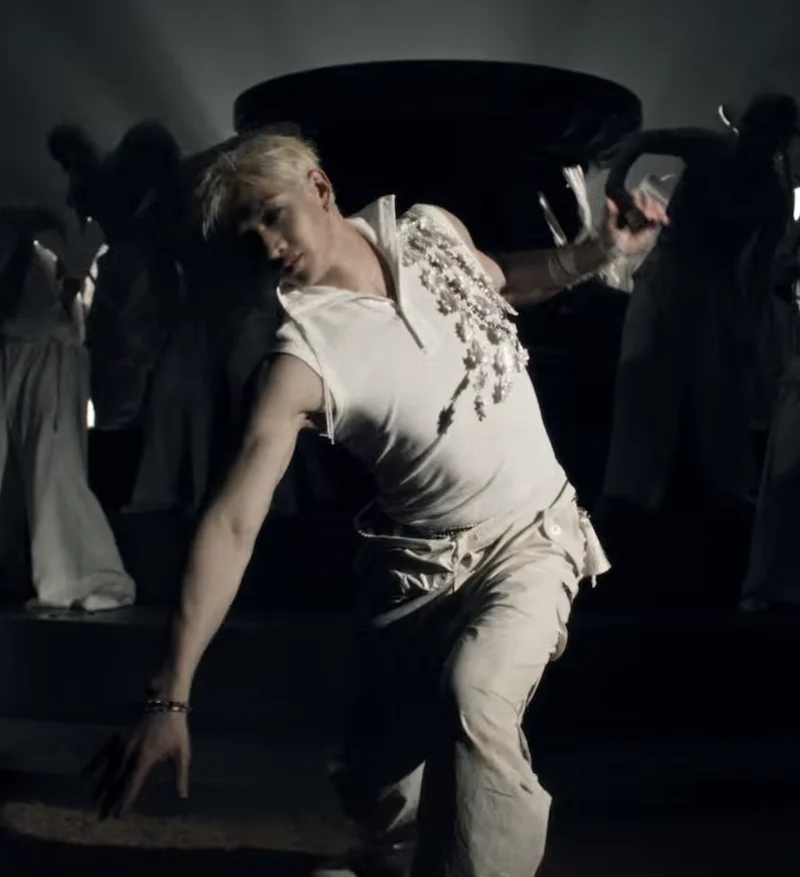
The past month witnessed a remarkable display of artistic courage within the dynamic K-pop industry, as a diverse array of groups unveiled releases characterized by bold musical, visual, and conceptual choices. These offerings, spanning striking debuts and compelling comebacks, demonstrated a collective willingness to push established boundaries, often aligning perfectly with the artists’ inherent sensibilities. Notably, with the exception of rookie groups, all featured acts within this month’s "Unsung Artists" showcase contributed significantly to the lyrical and/or compositional aspects of their work, underscoring a growing emphasis on creative autonomy. This trend reflects a maturing industry where artists are increasingly empowered to articulate their unique visions, leading to a richer and more experimental soundscape for global audiences. The releases collectively painted a picture of an industry in flux, where innovation is not just encouraged but actively pursued, yielding a fascinating spectrum of sonic and visual experiences that demand closer examination.
The Evolving Soundscape: V8’s "Singasong" Ignites Hyperpop Horizons
Among the most exhilarating releases was "Singasong," the official subunit debut from V8, comprising Seventeen members Vernon and The8. This collaboration marked a significant evolution in Seventeen’s increasingly diversified subunit strategy, following successful ventures like BSS. The duo’s artistic synergy was previously hinted at in The8’s atmospheric, genre-blending Chinese EP, Stardust, where their distinct styles found a harmonious convergence. Now formally established as V8, the unit delves deeper into their individual musical inclinations, with Vernon’s well-documented affinity for hyperpop and The8’s expertise in EDM, honed through his side gig as a DJ, taking center stage.
"Singasong," co-written by acclaimed German electronic producer Mechatok, is a whimsical journey into PC music, characterized by its looping, glitchy synth instrumental and experimental sonic textures. Mechatok, known for his work with artists pushing the boundaries of electronic music, lends an authentic edge to the track’s avant-garde sound. The vocal interplay between Vernon’s deep, resonant tone and The8’s ethereal, airy vocals creates a captivating contrast that seamlessly integrates into the intricate mix, highlighting their complementary strengths. The track’s production feels inherently organic to the duo’s personal tastes, a satisfying outcome for a subunit release designed to showcase individual artistic freedom.
Lyrically, "Singasong" embraces a playful, anachronistic spirit, referencing iconic video game characters such as Pikachu and Megatron in its infectious chorus, further cementing its PC music influences. The accompanying music video (MV) visually amplifies this whimsical theme, depicting V8 both engaging in games and seemingly existing within a game world itself. The visual narrative fluidly transitions in and out of various screens, creating an immersive experience that blurs the lines between reality and digital simulation, reminiscent of a retro arcade or a personalized karaoke video. Through a masterful application of strategic zooms, precise match cuts, and vibrant bursts of hot pink that punctuate numerous scenes, the MV skillfully intertwines diverse elements: the rhythmic challenge of Dance Dance Revolution, dynamic dance sequences, an energetic pillow fight, a chaotic demolition derby, and V8 playfully smashing Hangul lettering like a piñata. The resulting visual narrative is frenetic and delightfully off-kilter, yet it maintains a cohesive energy that avoids overwhelming chaos. "Singasong" as a complete artistic package exudes a rip-roaring energy that vividly reflects the creative autonomy and artistic freedom V8 has embraced with this project, setting a high bar for future subunit endeavors within the K-pop landscape. The critical reception has largely praised the duo for their willingness to experiment, expanding Seventeen’s musical universe and appealing to a broader, more adventurous audience.
Narrative Depth and Resilience: ONF’s "Open the Door" Explores Inner Turmoil
In an industry often characterized by rapidly shifting trends, ONF has consistently distinguished itself by maintaining a singular, theatrical style throughout its career, an artistic integrity that remains unwavering regardless of prevailing musical fads. "Open the Door" marks a significant milestone for the group, serving as their inaugural release under a new label following their military hiatus, while also signifying a highly anticipated reunion with their longtime main producer, Hwang Hyun. This collaboration has historically been instrumental in shaping ONF’s distinctive sound, characterized by intricate arrangements and poignant storytelling.

The song resonates with the dramatic introspectiveness that has become ONF’s hallmark, echoing the profound emotional storytelling evident in earlier releases such as 2024’s "Bye My Monster." "Open the Door" and its accompanying MV powerfully portray the image of an enclosed, claustrophobic space, which, as member Minkyun articulates in the opening verse, prevents them from discerning "day from night." The members are individually confined within rooms, each featuring a nightmarish element—be it an array of surveillance cameras, encroaching threatening branches, or the ominous presence of a giant shadowy figure. The lyrics ultimately reveal the true nature of this confinement: "the familiar space inside my heart," unequivocally confirming that the physical rooms are potent metaphors for internal demons and psychological states of entrapment.
"Open the Door" masterfully dramatizes the agonizing yet essential decision to break free from this debilitating psychological state. In the chorus, ONF members collectively ponder a profound question: "What will become of me once I open that door? / Whether it is the next world or a deep abyss, I do not know." This poignant lyric captures the inherent fear and uncertainty that accompanies confronting the unknown and striving for personal transformation. Structurally, the song mirrors the arduous process of building courage to face such uncertainties. It progressively intensifies the dramatic tension, not only through a compelling bridge but also via a classical post-bridge interlude delivered in Latin. This interlude features the powerful line, "Lux in cordibus fortius lucet," meaning "light shines more strongly in the heart," serving as a beacon of hope and resilience amidst the internal struggle. By the final chorus, the composition crescendos with fast-paced percussion, a wailing guitar, and soaring harmonies, collectively evoking a profound sense of triumph and liberation.
The MV’s conclusion is particularly striking, featuring an overhead shot of a circular room filled with numerous doors, one of which opens to reveal a blinding light. Crucially, the MV never fully reveals what lies beyond this illuminated threshold, emphasizing that the true victory lies not in reaching a definitive destination, but in the courageous act of taking the initial steps toward change. "Open the Door" unequivocally showcases ONF’s unique strengths: their unparalleled ability to weave emotional narratives through complex song structures, their masterful layering of vocals, and their capacity to craft profoundly dramatic visual images. The release has been met with critical acclaim for its artistic maturity and the group’s unwavering commitment to their distinct conceptual universe, solidifying their reputation as one of K-pop’s most consistent and emotionally resonant acts.
Strategic Debuts and Vocal Prowess: Heart of Woman’s "Skit.exe" Disrupts Rookie Norms
Heart of Woman (H.O.W) emerged onto the K-pop scene at the end of May with a compelling debut that immediately garnered attention, despite having previously flown under the radar for many. While some might recall leader Jihyun from her participation in the survival show R U Next, the group’s initial release, the retro-sounding "Lost in Proof," quickly established their unique appeal. H.O.W has set itself apart not only with its appealing pop-R&B sound but also through an almost unprecedented move in the industry: debuting with a full-length album comprising 11 tracks. This approach stands in stark contrast to the common practice of rookie groups releasing single albums or mini-albums, signaling a confident and ambitious entry into the competitive market.
Since their debut, H.O.W has strategically rolled out three music videos for B-sides from their extensive debut album, including a particularly noteworthy one for a mere 90-second interlude titled "Skit.exe." The decision to release an MV for such a brief track, especially after their initial title track, was a calculated surprise. This unconventional choice effectively functions as a showcase for the members’ formidable vocal talents, from Ayne’s soulful opening runs that immediately capture attention, to the group’s impeccably layered harmonies as they confidently declare, "I’ll make it sound so good." Even within its remarkably short runtime, "Skit.exe" incorporates intriguing production choices, such as a deliberate slowing of the tempo and subtle scratching effects leading into the chorus, demonstrating a sophisticated approach to sound design. As a standalone release, "Skit.exe" masterfully leaves the audience wanting more, a shrewd marketing tactic designed to pique curiosity and encourage listeners to explore the full depth and breadth of their debut album. This strategy is particularly effective in a saturated market where capturing and retaining attention is paramount.
The accompanying MV for "Skit.exe" appears to consciously acknowledge and reinforce this strategic approach. It depicts the members on a playful yet determined mission to propagate the enigmatic message "H.O.W?" across a city. Their methods range from traditional, grassroots tactics like plastering stickers on walls, to fantastical, dreamlike displays such as the letters appearing in vibrant pink clouds adorning the sky. This visual narrative overtly communicates Heart of Woman’s ambition and their proactive pursuit of attention, all while unequivocally maintaining their musical integrity. Indeed, H.O.W’s debut, marked by its bold album release and innovative promotional strategies, positions them as one of the most promising and thoughtfully constructed rookie groups of the year. Their approach signals a potential shift in how new groups can effectively carve out a distinctive identity in the K-pop landscape.

Global Ambition and Cultural Pride: Stray Kids’ "Run It" as a Mission Statement
Stray Kids, a group synonymous with global success and self-produced artistry, unveiled "Run It" as an anthemic pre-release, serving as a powerful declaration of their forthcoming album and expansive world tour. Beyond its function as a promotional tool, the song stands robustly on its own merits, showcasing an evolution in the group’s sound. "Run It" distinguishes itself as one of their most melodic and accessible tracks to date, while refreshingly deviating from the typical structural conventions of their previous singles. Unlike many of their title tracks that often launch with an immediate onslaught of powerful rap verses, "Run It" commences with a more restrained approach, featuring low brass instrumentation and relatively subdued verses. This gradual build-up culminates in a rousing and impactful rap outro, where Changbin and Han engage in a dynamic exchange of bars, demonstrating their lyrical prowess and potent delivery.
Composed by the group’s prolific in-house production unit, 3Racha, "Run It" deeply encapsulates Stray Kids’ arduous journey, particularly their unwavering perseverance through numerous struggles en route to immense global success. While the theme of overcoming adversity is not unfamiliar territory for the group, "Run It" imbues this narrative with renewed vigor and profound resonance. The adversities faced and the soaring ambitions held by Stray Kids are powerfully conveyed through the MV, with numerous visual elements designed to reflect both aspects. The presence of dancers, starkly clad in black and white, subtly suggests a delicate balance between light and darkness, reflecting the duality of their experiences. In one particularly evocative scene, I.N paints the floor with hands deliberately covered in black ink, a visual metaphor for creation emerging from struggle. In another, Felix engages in a compelling taekwondo battle with himself, a vivid representation of inner conflict and the continuous fight for self-improvement.
Significantly, these powerful images are imbued with distinctly Korean cultural references, connecting Stray Kids’ global narrative to their heritage. The black ink painting recalls traditional Korean calligraphy, while Felix’s taekwondo battle pays homage to Korea’s martial arts legacy. It is no mere coincidence that early scenes in the MV depict Bang Chan and Seungmin crawling on the ground with primal intensity, reminiscent of tigers—a revered national symbol of Korea, representing strength, courage, and guardianship. These cultural integrations suggest that Stray Kids not only harbor immense pride in their country but also actively assert themselves as a source of national pride on the global stage. In the climactic outro, Han confidently declares, "Our story will remain history," a powerful assertion that frames Stray Kids’ extraordinary journey to international acclaim as an integral part of Korea’s burgeoning cultural legacy. The sheer grandeur and powerful execution of "Run It" lend undeniable credence to this audacious claim, making it feel not just aspirational, but entirely attainable. The release has been met with fervent anticipation from their global fanbase, signaling another successful chapter in their remarkable trajectory.
Provocative Artistry and Social Commentary: Meovv’s "Ddi Do Ri" Challenges Expectations
The past month’s most audacious artistic "swing" undoubtedly came from Meovv with their release, "Ddi Do Ri." On paper, the track initially appears to tread familiar ground within the stylistic territory often associated with producer Teddy Park: a confident, flex-oriented song fueled by a recognizable classical sample—Johann Sebastian Bach’s iconic "Toccata and Fugue in D Minor"—layered over a pulsating, thumping bassline. However, "Ddi Do Ri" quickly distinguishes itself through several unique, and ultimately divisive, elements. The title itself, "Ddi Do Ri," is an onomatopoeic phrase in Korean, colloquially used to signify something unexpected, awkward, or even embarrassing has occurred. Furthermore, the prominent Bach pipe organ chords, while grand, conjure strong associations with classic 1930s horror cinema, particularly Dracula, which in contemporary context can feel inherently campy. Consequently, "Ddi Do Ri" has faced criticism from some quarters for being perceived as overly "meme-like," leading to Meovv reportedly omitting the phrase from some live performances. The integration of the solemn Bach sample with modern trap beats also sparked considerable debate regarding its musical cohesion.
Nevertheless, the accompanying music video for "Ddi Do Ri" stands as one of the most creatively conceived and beautifully unsettling visuals of the year, offering multiple layers for interpretation. Filmed at a striking 60 frames per second, the MV achieves a hyper-realistic quality that borders on the uncanny, subtly disorienting the viewer. Director Rima Yoon explicitly stated her intention to create an "AI-like texture" without resorting to actual artificial intelligence, a fascinating meta-commentary on digital aesthetics. Yoon further plays with themes of authenticity by conspicuously including an AI prompt for a "gothic-medieval interior set" at the very beginning of the video. In later scenes, loaves of bread appear with the poignant, rhetorical question, "Is this real?" directly challenging the viewer’s perception of reality within the crafted visual world.
Beyond a commentary on AI and digital authenticity, "Ddi Do Ri" profoundly succeeds as a powerful statement addressing women’s beauty standards, particularly those imposed upon idols within the K-pop industry. The MV is meticulously structured into four distinct chapters, with the second, "Perfected to Be Loved," delving into the pressures faced by women. In this section, the Meovv members are shown using stair climbers, accompanied by on-screen messages such as "Repeat Until Perfection," starkly illustrating the relentless demands for physical flawlessness. The first drop into the chorus reveals the members in heavy makeup and stylized lighting that renders their skin shiny and almost plastic-like, visually reflecting the lengths to which some women resort, including cosmetic enhancements, in their pursuit of an idealized perfection. However, the subsequent chapter, "Doubt Takes Shape," cleverly exposes the inherent paradox: these same women are then subjected to intense scrutiny and criticism for undertaking such measures to conform to societal beauty standards.

The fourth section, ominously titled "Branded a Witch," delves into the potential consequences for non-conforming women, powerfully portraying a witch hunt. The explosive, percussive outro, punctuated by red-clad dancers frantically moving like crackling flames, explicitly alludes to the historical act of burning women at the stake. Yet, in a pivotal turn, Meovv subvert this grim fate. Instead of succumbing to punishment, they defiantly dance in front of the fire, culminating the MV on a resounding note of female empowerment and resilience. With "Ddi Do Ri" and its array of risky and provocative choices, Meovv unequivocally demonstrate their willingness to challenge deeply entrenched expectations and societal norms, even as they navigate the complex landscape of public scrutiny. The release, while generating mixed public reactions due to its experimental nature, has been lauded by critics for its bold conceptual depth and its impactful social commentary, positioning Meovv as a group unafraid to push artistic and thematic boundaries.
A Landscape of Artistic Courage
The releases from V8, ONF, Heart of Woman, Stray Kids, and Meovv collectively paint a vivid portrait of a K-pop industry that continues to evolve and diversify. From V8’s embrace of experimental electronic sounds and playful visuals, to ONF’s unwavering commitment to theatrical storytelling and emotional depth, each group carved out a distinctive space. Heart of Woman demonstrated strategic ingenuity in their debut, leveraging unconventional release tactics to highlight their vocal prowess, while Stray Kids reaffirmed their global stature with an anthem that fused personal ambition with national pride. Meovv, arguably taking the boldest leap, delivered a provocative piece of social commentary veiled in avant-garde aesthetics.
What unites these disparate acts is a palpable sense of artistic courage and a deep involvement from the artists themselves in the creative process, a trend that bodes well for the future of K-pop. As the industry matures and its global reach expands, the emphasis on authenticity and artistic integrity will likely continue to drive innovation. These releases are not just songs and music videos; they are statements of intent, pushing the boundaries of musical genres, visual storytelling, and thematic exploration. They reflect a growing confidence among K-pop artists to define their own narratives and challenge listener expectations, ensuring that the genre remains a vibrant and ever-evolving force in the global music landscape.
Related News