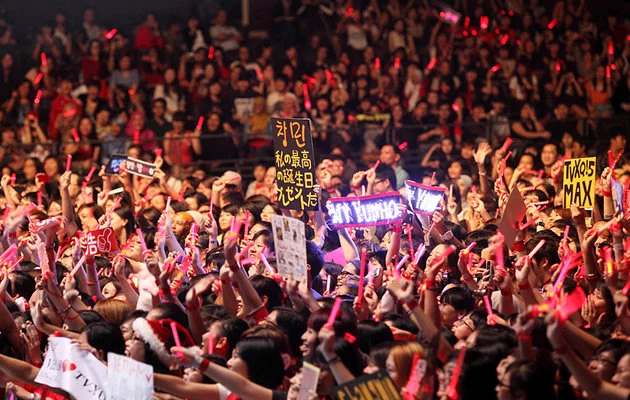
The Structural Hierarchy of K-pop Fandoms
At the core of the K-pop experience is a complex division system that distinguishes it from other entertainment sectors. While general fandoms exist for broad categories like film or literature, K-pop utilizes a nested hierarchy. An individual may identify as a general "K-pop fan," but their primary loyalty usually lies with a specific group. For instance, a fan of the group SHINee is formally known as a "Shawol." Within that group-specific fandom, further sub-divisions occur based on an individual’s "bias"—their favorite member. A Shawol who favors the member Taemin is referred to as a "Taemint."
This intricate system of identification creates a sense of belonging but also introduces the potential for internal friction. Industry analysts note that these sub-fandoms can occasionally lead to "solo stanning," where a fan supports only one member rather than the entire group. In extreme cases, this evolves into "akgae" behavior—a term derived from the Korean phrase for "malicious individual fan"—where supporters of one member actively disparage other members of the same group. Navigating these interpersonal dynamics is a significant part of the "fandom experience" and requires a deep understanding of the community’s unwritten social codes.
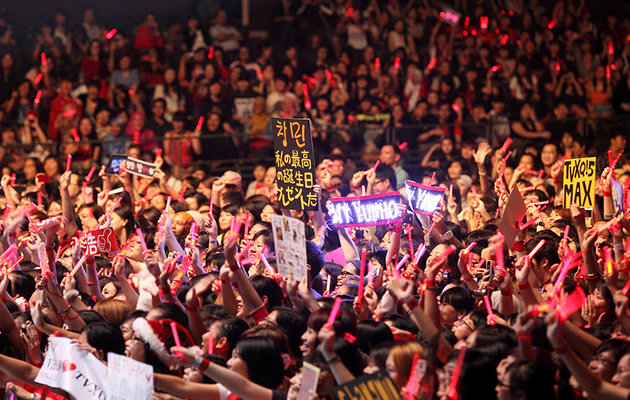
The Evolution of Fandom Infrastructure: A Brief Chronology
To understand the current state of K-pop fandoms, one must look at the technological and cultural shifts over the past three decades. The evolution can be categorized into four distinct generations:
- The First Generation (Late 1990s – Early 2000s): During the era of groups like H.O.T. and Shinhwa, fandoms were primarily localized in South Korea. Identification was physical, manifested through specific raincoat colors and balloons. Communication happened via early internet bulletin boards and physical fan club meetings.
- The Second Generation (Mid 2000s – Early 2010s): This era saw the rise of the "Official Fan Café" on portals like Daum and Naver. The introduction of the "Lightstick"—a high-tech, glowing wand unique to each group—standardized fan identification at concerts. Groups like TVXQ and Girls’ Generation began to see the first wave of organized international support.
- The Third Generation (Mid 2010s – 2020): The explosion of social media, particularly Twitter (now X) and YouTube, globalized the fandom experience. This period saw the rise of "fandom power" as a tool for chart manipulation and social activism, exemplified by BTS’s ARMY.
- The Fourth and Fifth Generations (2020 – Present): The current era is defined by direct-to-consumer platforms. Entertainment agencies have moved away from third-party portals to proprietary apps like Weverse and Bubble, where fans pay monthly subscriptions for private-style messaging with idols.
Official vs. International Participation: The Digital Divide
For many years, a significant barrier existed between domestic Korean fans and international enthusiasts. The "Official Fan Café" (Daum fancafe) served as the primary hub for artist-to-fan communication. However, joining these cafes often required a Korean social security number or a deep understanding of the Korean language to navigate "level-up" tasks—quizzes about the artist’s history designed to weed out casual observers.
For international fans, this led to the creation of independent "International Fan Sites." These organizations act as unofficial embassies, translating content, organizing local meetups, and coordinating large-scale projects. While official fan clubs offer perks like early access to concert tickets and exclusive merchandise, international fan sites provide the community infrastructure that sustains the group’s popularity abroad.

In recent years, the industry has moved toward a more inclusive "Global Membership" model. Platforms like Weverse (operated by HYBE) and SM Entertainment’s various digital initiatives have streamlined the process, allowing fans in New York, London, or Jakarta to pay for the same "official" status as a fan in Seoul. This shift has significantly increased the revenue potential for entertainment agencies, as fan memberships provide a steady stream of recurring income independent of album sales.
The Economic and Social Impact of Organized Fandom
The influence of K-pop fandoms extends far beyond music consumption. Modern fans act as volunteer marketing departments, public relations firms, and charitable foundations. According to data from the Korea Foundation, the number of Hallyu fans worldwide surpassed 178 million in 2022, a 19-fold increase over the previous decade. This massive demographic wields significant economic power.
Data-Driven Support and "Rice Wreaths"
A unique aspect of K-pop culture is the "support project." Instead of sending flowers to a concert venue, which are seen as wasteful, organized fandoms purchase tons of rice to be displayed in the artist’s name. Following the event, the rice is donated to local charities. In 2013, during a solo concert for a popular idol, fans reportedly donated over 20 tons of rice to various NGOs. Other projects include "Forest Projects," where fans fund the planting of trees in urban areas to celebrate an idol’s birthday.

Digital Labor and Translation
Because much of the primary content is produced in Korean, the global expansion of K-pop relies heavily on "translator accounts." These are bilingual fans who volunteer hundreds of hours to provide subtitles for variety shows, live streams, and social media posts. This "digital labor" is crucial for maintaining the emotional connection between the artist and the international audience, though it remains largely unpaid and unrecognized by the agencies.
Fandom Politics and the "Real Fan" Narrative
As with any large community, K-pop fandoms are not immune to conflict. "Fan wars" are a common occurrence on social media, often sparked by competition for music show wins or year-end awards. These conflicts are frequently fueled by a desire to protect the "honor" of the group.
The concept of the "real fan" is a recurring theme in community discourse. Some segments of the fandom believe that "real" devotion requires a significant financial investment—buying multiple copies of the same album to boost chart positions or traveling across borders for concerts. However, the modern consensus is shifting toward a more inclusive definition. Community leaders emphasize that "contributing" to the fandom can take many forms, from creating fan art and writing fan fiction to simply participating in streaming parties.

Implications for the Future of Global Entertainment
The K-pop fandom model is currently being studied by Western marketing experts and music executives as a blueprint for the future of the "creator economy." The transition from a consumer-producer relationship to a community-based ecosystem has proven to be incredibly resilient against market fluctuations.
However, this high level of engagement also brings challenges regarding the mental health of both the fans and the artists. The "parasocial relationship"—the illusion of a reciprocal personal friendship between the idol and the fan—can lead to obsessive behavior and privacy violations, known as "sasaeng" behavior. As agencies continue to monetize these relationships through private messaging apps, the line between professional entertainment and personal intimacy becomes increasingly blurred.
In conclusion, navigating the world of K-pop fandoms requires more than just an appreciation for the music; it requires an understanding of a complex social hierarchy and a willingness to participate in a global digital community. Whether one chooses the "official" route through paid memberships or the "independent" route through social media engagement, the experience is defined by a sense of collective identity. Ultimately, while the structures, colors, and names of these fandoms may change, the underlying driver remains the same: a deep, emotional investment in the success and well-being of the artist. As the industry continues to innovate, the relationship between the idol and the fandom will remain the most critical factor in the enduring global success of K-pop.