A Select Few Hits Have Led the Chart for at Least 10 Weeks
Article Editorial Team
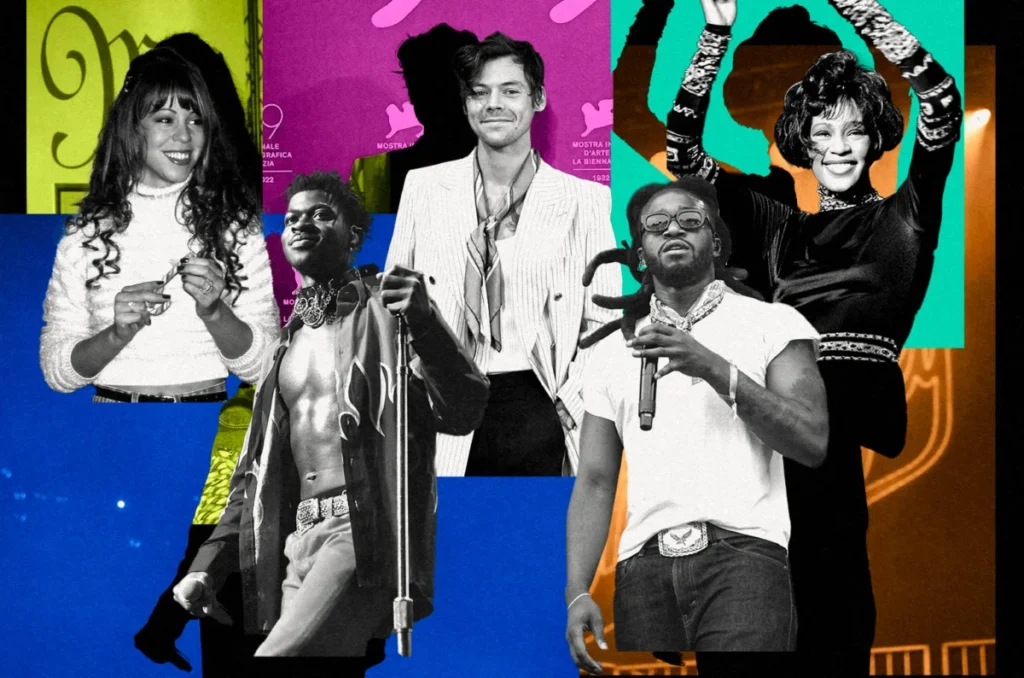
Beginning with Debby Boone’s “You Light Up My Life” in 1977, a relatively select few smashes have led the Billboard Hot 100 for at least 10 weeks. How few? Just a mere 4% of all Hot 100 No. 1s dating to the chart’s launch on August 4, 1958, have earned this significant achievement. This elite group represents a pinnacle of musical endurance, demonstrating a song’s ability to resonate with the public over an extended period, transcending fleeting trends and capturing the zeitgeist for an impressive duration. The Billboard Hot 100, a comprehensive measure of a song’s popularity across all genres in the United States, tracks sales, radio airplay, and streaming data, making a sustained reign at the top a testament to exceptional and enduring appeal.

The Genesis of Enduring Hits
The quest for extended chart dominance began to crystallize in the late 1970s and early 1980s. Debby Boone’s “You Light Up My Life,” released in 1977, became an instant phenomenon, its uplifting message and Boone’s powerful vocals connecting with a vast audience. The song’s enduring popularity saw it remain at the No. 1 position for a remarkable 10 consecutive weeks, setting a new benchmark for longevity on the Hot 100 at the time. This achievement was not merely a fleeting success; it cemented Boone’s place in music history and demonstrated the potential for a single to dominate the cultural landscape for an unprecedented length of time.
Just a few years later, Olivia Newton-John’s “Physical” emerged as another titan of chart endurance. Released in 1981, the song’s infectious rhythm and suggestive lyrics, a departure for Newton-John, propelled it to the top of the charts. “Physical” held the No. 1 spot for an astounding 10 weeks during the 1981-1982 period. For over a decade, Boone’s and Newton-John’s hits shared the distinction of being the longest-reigning No. 1s on the Hot 100, a testament to their extraordinary cultural impact and sustained listener engagement. This era highlighted the power of a well-crafted pop song to capture the public’s imagination and maintain its grip on the charts.

Breaking Records: The Rise of Extended Reigns
The landscape of chart dominance began to shift significantly in the early 1990s, partly influenced by the adoption of electronically tracked sales data by Luminate in late 1991. This technological advancement provided a more accurate and immediate reflection of song popularity, potentially contributing to longer chart runs for particularly strong performers.
The first major challenger to the decade-long reign of Boone and Newton-John came from the R&B group Boyz II Men. Their deeply emotional ballad, “End of the Road,” released in 1992, struck a chord with audiences, resonating with its themes of love and loss. The song achieved an unprecedented 13 consecutive weeks at No. 1 on the Billboard Hot 100, surpassing the previous record and setting a new standard for chart longevity. This marked a significant moment in the history of the Hot 100, signaling a new era of extended chart dominance.

However, this record was short-lived. Later in 1992 and into early 1993, Whitney Houston delivered a performance for the ages with her rendition of Dolly Parton’s “I Will Always Love You.” Featured in the film The Bodyguard, Houston’s powerful and emotive vocals transformed the country ballad into a global phenomenon. The song’s immense popularity propelled it to the top of the charts, where it remained for an extraordinary 14 weeks, eclipsing the record set by Boyz II Men and solidifying its place as one of the most successful singles of all time. This extended reign underscored the profound impact that a powerful vocal performance and a compelling narrative could have on public consciousness.
The mid-1990s witnessed another seismic shift in chart history with the collaboration between Mariah Carey and Boyz II Men. Their 1995 single, “One Sweet Day,” a poignant tribute to overcoming adversity and the enduring power of hope, became an instant classic. The duet resonated deeply with listeners, and its chart performance was nothing short of historic. “One Sweet Day” commanded the No. 1 position for an astonishing 16 consecutive weeks, a record that would stand for more than two decades, a testament to its universal appeal and the exceptional synergy between the two artists. This achievement highlighted the growing trend of songs achieving extended periods of dominance, a phenomenon that would continue to evolve in the digital age.

The Digital Era and New Titans of the Charts
The dawn of the 21st century and the rise of digital music consumption brought new dynamics to the music industry and, consequently, to the Billboard charts. Streaming services and digital downloads allowed for more immediate and widespread access to music, creating new avenues for songs to gain traction and maintain popularity.
In 2017, the global music scene was captivated by the infectious rhythm and bilingual appeal of Luis Fonsi and Daddy Yankee’s “Despacito.” The song, featuring a remix with Justin Bieber, became a cultural phenomenon, transcending language barriers and dominating airwaves and streaming platforms worldwide. “Despacito” matched the then-standing record of 16 weeks at No. 1 on the Billboard Hot 100, a remarkable feat that underscored the power of global collaboration and the evolving nature of music consumption. This tied the record previously set by Mariah Carey and Boyz II Men, reigniting discussions about the enduring power of a well-crafted song in the digital age.

The following year, Lil Nas X burst onto the scene with his genre-bending hit “Old Town Road.” Initially gaining traction on social media platforms like TikTok, the song, featuring a remix with Billy Ray Cyrus, defied conventional genre classifications and captured the imagination of a new generation of music fans. “Old Town Road” went on to achieve a record-breaking 19 weeks at No. 1 on the Billboard Hot 100, dismantling the long-standing record held by “One Sweet Day.” This extended run signaled a new era of chart dominance, where viral trends and digital engagement could translate into unprecedented chart success.
The Reigning Queen of Longevity
The most recent chapter in the story of extended chart reigns belongs to Mariah Carey. Her iconic holiday anthem, “All I Want for Christmas Is You,” originally released in 1994, has experienced a remarkable resurgence in recent years. The song’s enduring popularity, amplified by the festive spirit of the holiday season and its consistent presence in popular culture, has led to multiple returns to the No. 1 spot on the Billboard Hot 100. As of the 2024 holiday season, “All I Want for Christmas Is You” has amassed an unprecedented 22 weeks at No. 1, making it the longest-reigning single in the history of the Billboard Hot 100. This remarkable achievement, spanning decades and multiple chart eras, solidifies Carey’s status as a musical icon and highlights the timeless appeal of her holiday classic.

A Look at the Elite Ten-Week Club
The achievement of spending 10 or more weeks at the No. 1 position on the Billboard Hot 100 is an exclusive club, representing only a small fraction of all songs that have reached the chart’s summit. These enduring hits not only demonstrate exceptional musical quality and broad appeal but also the ability to connect with audiences across generations.
The artists who have achieved this milestone include:

- Debby Boone – "You Light Up My Life" (10 weeks, 1977)
- Olivia Newton-John – "Physical" (10 weeks, 1981-82)
- Boyz II Men – "End of the Road" (13 weeks, 1992)
- Whitney Houston – "I Will Always Love You" (14 weeks, 1992-93)
- Mariah Carey & Boyz II Men – "One Sweet Day" (16 weeks, 1995-96)
- Luis Fonsi & Daddy Yankee featuring Justin Bieber – "Despacito" (16 weeks, 2017)
- Lil Nas X featuring Billy Ray Cyrus – "Old Town Road" (19 weeks, 2019)
- Shaboozey – "A Bar Song (Tipsy)" (2024 – current reign ongoing, having reached 10+ weeks)
- Mariah Carey – "All I Want for Christmas Is You" (22 weeks, spanning multiple holiday seasons since 2019)
The inclusion of Shaboozey’s "A Bar Song (Tipsy)" in 2024 further underscores the dynamic nature of the Hot 100 and the potential for new artists to achieve significant chart longevity. This particular song’s sustained popularity highlights the ongoing appeal of catchy, relatable anthems that resonate with a wide audience.
Analysis of Enduring Success
The longevity of these songs on the Billboard Hot 100 can be attributed to a confluence of factors. Musicality plays a crucial role; these are often well-crafted songs with memorable melodies, compelling lyrics, and strong vocal performances. Beyond the music itself, cultural relevance is paramount. Songs that tap into the zeitgeist, reflect societal moods, or become associated with significant cultural moments tend to have a longer shelf life.

The role of technology and media distribution has also evolved significantly. While radio airplay was once the primary driver of chart success, the advent of digital downloads, streaming services, and social media platforms has created new pathways for songs to gain and maintain popularity. Viral trends on platforms like TikTok can propel songs to unprecedented heights and sustain their chart presence, as seen with "Old Town Road."
Furthermore, the holiday season provides a unique environment for songs like Mariah Carey’s "All I Want for Christmas Is You." Its annual return to the top of the charts demonstrates the power of seasonal tradition and nostalgia in shaping music consumption patterns. This phenomenon highlights how certain songs can become deeply embedded in cultural rituals, ensuring their continued relevance year after year.

The achievement of a 10-week reign at No. 1 on the Billboard Hot 100 is a rare and significant accomplishment, signifying a song’s ability to capture and hold the public’s attention for an extended period. These elite hits not only represent musical excellence but also serve as cultural touchstones, reflecting the tastes and trends of their respective eras. As the music industry continues to evolve, it remains to be seen what new records will be set and which songs will join this distinguished pantheon of chart endurance. The ongoing evolution of music consumption, from physical sales to digital streaming and social media virality, ensures that the metrics of chart success will continue to be a dynamic and fascinating area to observe. The stories of these enduring hits offer a compelling narrative of music’s power to resonate deeply and persistently with audiences.
Related News