Aespa’s Giselle Faces Intense Scrutiny Over Social Media Content Featuring Controversial Figures and Imagery
Article Editorial Team
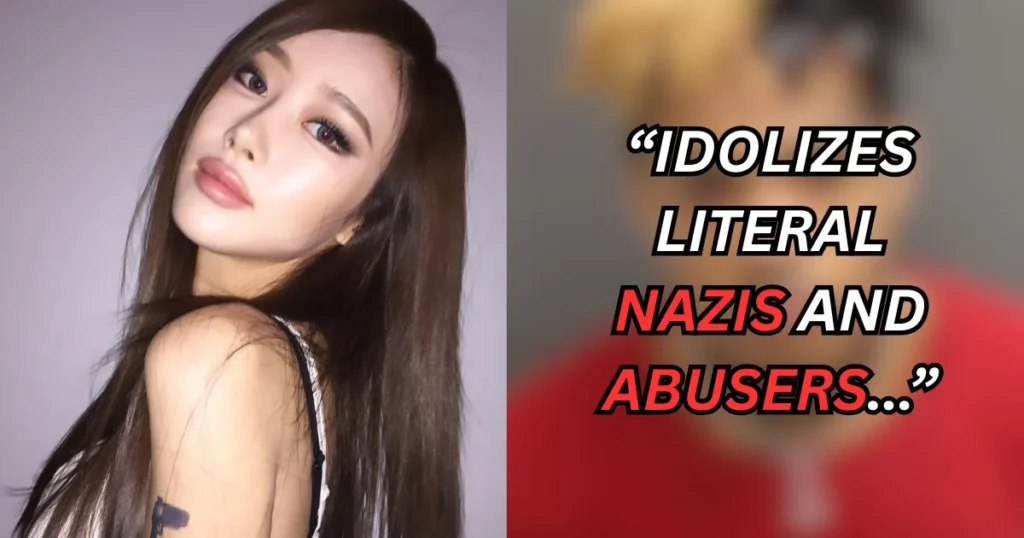
aespa member Giselle has found herself at the center of a rapidly escalating controversy following a series of her recent social media posts, which have sparked widespread criticism from netizens globally. The posts, primarily shared on her Instagram account, have drawn heavy scrutiny for their recurring inclusion of figures accused of serious crimes, imagery with violent undertones, and references to notorious criminals. This incident highlights the intense public and fan scrutiny K-pop idols face, particularly concerning their online presence and the messages they inadvertently or intentionally convey.
Chronology of the Developing Controversy
The controversy began to gain significant traction in late August 2026, with initial concerns surfacing around Giselle’s repeated inclusion of American rapper XXXTentacion in her social media content. A tweet from August 24, 2026, highlighted this, pointing out the rapper’s documented history of abuse. As September progressed, the situation intensified with further posts and discoveries by netizens, leading to a crescendo of criticism by mid-September.
On September 10, 2026, another wave of backlash emerged when Giselle was noted for including music by the band Creed, whose frontman, Scott Stapp, had a public arrest record for domestic battery. This particular detail compounded the existing concerns, painting a pattern of association with individuals linked to violence against women.
By September 15, 2026, the debate reached a fever pitch. Netizens began compiling various problematic elements from Giselle’s Instagram, including imagery perceived to imply violence, such as repeated instances of blood and guns. Furthermore, her referencing of the infamous outlaw couple Bonnie and Clyde, figures romanticized in popular culture but historically responsible for numerous deaths, added another layer to the criticism. These accumulated instances created a significant social media storm, prompting a wide range of reactions from both critics and defenders. The timeline indicates a gradual build-up of discontent, culminating in a full-blown online debate within a matter of weeks.
Background on Controversial Figures and References
A core aspect of the controversy revolves around Giselle’s perceived endorsement or casual referencing of individuals and narratives associated with severe misconduct, particularly violence. Understanding the backgrounds of these figures is crucial to grasping the depth of the public’s concern.
XXXTentacion (Jahseh Dwayne Ricardo Onfroy): The American rapper, who tragically passed away in 2018, remains a highly polarizing figure. While celebrated for his musical impact and unique sound, his legacy is deeply marred by severe legal issues. He was charged with numerous offenses, including aggravated battery of a pregnant woman, domestic abuse, and false imprisonment. Despite his denials during his lifetime, a secret audio recording released posthumously in 2018 appeared to contain his confessions to these and other violent acts. The controversy surrounding XXXTentacion often centers on the ethical dilemma of separating an artist’s work from their personal conduct, particularly when the allegations involve serious violence. For a K-pop idol, whose public image is meticulously managed and expected to be exemplary, association with such a figure is considered highly problematic by many, signaling a potential disregard for the severity of the alleged crimes.
Creed and Scott Stapp: The American rock band Creed rose to prominence in the late 1990s and early 2000s. While their music achieved widespread commercial success, frontman Scott Stapp’s personal life was not without incident. In 2007, Stapp was arrested on charges of domestic battery after allegedly throwing a glass bottle at his wife’s head during an argument. Though he later publicly addressed his struggles with mental health and addiction, the incident remains a significant stain on his public record. Giselle’s inclusion of Creed’s music, especially given Stapp’s history of domestic violence, has been perceived by critics as a second instance of her associating with individuals implicated in such behavior, reinforcing concerns about her judgment.
Bonnie and Clyde (Bonnie Parker and Clyde Barrow): These notorious American outlaws gained infamy during the Great Depression era for their two-year crime spree across the central United States. Their exploits, which included bank robberies, gas station hold-ups, and store thefts, tragically resulted in the deaths of at least nine law enforcement officers and several civilians, totaling 13 fatalities. Despite the brutal reality of their actions, Bonnie and Clyde have been romanticized in popular culture, often portrayed as rebellious figures or tragic lovers. However, for many, referencing them without acknowledging the violent reality of their crimes is seen as insensitive or a glorification of criminal behavior. For a public figure like Giselle, whose platform reaches millions, such references are expected to be made with a heightened sense of social responsibility.
Imagery of Violence: Beyond specific individuals, netizens also flagged a series of posts featuring imagery described as subtly implying violence, such as repeated depictions of blood or guns. While these could be interpreted as artistic expressions or elements of a particular aesthetic, critics argue that for a global idol, such imagery can be misconstrued or promote unhealthy themes, especially given the existing context of the other controversial references. The perception of these images becomes amplified when viewed through the lens of a broader pattern of problematic content.
Giselle’s Social Media Aesthetic and Its Reception
Giselle is known among her fanbase for cultivating a distinctive and often "edgy" aesthetic on her Instagram. Unlike the meticulously curated, often pristine feeds typical of many K-pop idols, Giselle’s account frequently features "random pictures and videos unrelated to her," creating a more candid, almost alt-culture vibe. This approach often incorporates elements that are perceived as unconventional or counter-cultural within the K-pop sphere.
This aesthetic, which some fans defend as an authentic expression of her personality, frequently includes references to niche interests, art styles, or figures that resonate with a specific subculture. The challenge arises when this "edgy" persona intersects with figures or themes that carry significant real-world controversies, particularly those involving violence or criminal acts. For a global idol operating under the immense scrutiny of the K-pop industry, the line between artistic expression and public responsibility becomes incredibly fine. What might be considered an innocuous artistic reference by some can be interpreted as a tacit endorsement of problematic behavior by others, especially given the high moral standards often imposed on K-pop celebrities. The current backlash underscores this tension, as the public grapples with interpreting her artistic choices within the context of her influential platform.
Diverse Fan Reactions and Defenses
The social media storm has ignited a fervent debate among fans and the wider public, showcasing a stark divide in opinions regarding Giselle’s posts. Her fanbase, collectively known as MYs, has largely rallied to her defense, offering several arguments to counter the criticism.
One prevalent defense posits that Giselle’s posts are merely reflections of her "edgy" online persona and artistic expression. Supporters argue that she is simply being "unapologetically herself" and that her aesthetic, while perhaps unconventional for a K-pop idol, should not be misconstrued as an endorsement of violence or criminal behavior. They emphasize that idols are often criticized for lacking personality, and when one exhibits a distinct style, they are unfairly targeted.

Another common argument highlights perceived "double standards" in the scrutiny directed at Giselle. Fans point out that other artists, both within K-pop and globally, have romanticized figures like Bonnie and Clyde or incorporated dark imagery without facing comparable levels of backlash. They question why Giselle is singled out, suggesting that the criticism is disproportionate or motivated by ulterior biases. For example, some argued that "nobody gaf about artists romanticizing bonnie and clyde for years but when giselle posts a picture of them she gets called a serial killer."
Furthermore, some specific criticisms have been dismissed as misinterpretations. For instance, a post featuring what critics identified as "blood" imagery was defended by fans as a picture from a "shirt painting home date" with fellow aespa member Ningning, suggesting that the interpretation of violence was erroneous. Similarly, references to "toy guns" were defended as harmless elements of an alternative aesthetic, rather than literal promotions of violence.
The age of Giselle (25/26 at the time of the controversy) also became a point of contention. Some critics labeled her aesthetic as "corny, cringe" or indicative of an immaturity typically associated with younger teenagers. However, fans countered that "y’all genuinely cannot let women do their own stuff," arguing that it’s unfair to dictate what an adult woman should find aesthetically pleasing or how she should express herself online. They assert that having an "alt aesthetic in the kpop scene" should be embraced, not condemned, and that her posts are not "gonna kill you."
These defenses underscore the complex relationship between idols and their fans, where loyalty often translates into a strong protective stance against external criticism. The debate also reflects broader societal discussions about artistic freedom, public accountability, and the nature of online expression for public figures.
Broader Context: K-Pop Idol Scrutiny and Social Media’s Role
The controversy surrounding Giselle is not an isolated incident but rather a potent illustration of the intense scrutiny K-pop idols face in the digital age. K-pop, as a global phenomenon, places immense pressure on its idols to maintain an impeccable public image, often extending to every aspect of their lives, including their personal social media accounts. This expectation stems from a deeply ingrained culture of idol worship, where celebrities are often seen as role models and aspirational figures.
The global reach of K-pop means that any perceived misstep can quickly escalate into an international incident. Social media platforms like Instagram and Twitter (now X) act as both immediate channels for idols to connect with fans and powerful arenas where public opinion can rapidly form, amplify, and solidify into backlash. Tweets and posts from individual netizens can go viral within hours, shaping narratives and influencing public perception before agencies can even formulate a response. This phenomenon is often fueled by the "cancel culture" mentality, where public figures are swiftly condemned and face calls for professional repercussions over perceived offenses.
The industry has a history of idols facing controversies over social media activity. Past incidents have ranged from culturally insensitive remarks or gestures to associations with controversial figures or brands. Each new controversy serves as a reminder of the delicate balance idols must maintain between authenticity and conformity to public expectations. Companies like SM Entertainment, which manages aespa, typically employ stringent social media guidelines for their artists, often reviewing content before it goes live. However, the sheer volume and spontaneous nature of online interactions can make comprehensive oversight challenging.
This incident also highlights the evolving standards of public conduct for celebrities, particularly concerning sensitivity to social issues like domestic violence. As global awareness and advocacy against such issues grow, the public’s tolerance for perceived endorsements or casual references to perpetrators of violence diminishes significantly. For idols, who wield considerable influence over impressionable youth, the responsibility to be mindful of their messaging has never been greater. The debate around Giselle’s posts thus taps into a larger discourse about celebrity responsibility, the impact of online content, and the ever-present tension between individual expression and public accountability in the high-stakes world of K-pop.

Potential Implications and Analysis
The ongoing controversy carries significant potential implications for Giselle, aespa, and the broader K-pop industry. While it is too early to predict the full extent of the impact, several scenarios and analyses can be considered.
Impact on Giselle’s Individual Image and Career: For Giselle personally, the backlash could have a lasting effect on her public image. Despite defenses from her fanbase, the accusations of insensitivity regarding domestic violence and criminal behavior can be difficult to shake off, especially for a K-pop idol whose image is paramount. This might lead to a more cautious approach to her social media presence in the future, potentially limiting the "edgy" aesthetic that her fans appreciate. It could also affect her individual endorsement opportunities or future solo projects if brands perceive her as too controversial.
Impact on aespa’s Group Image: aespa, as a group, has cultivated a unique "metaverse" concept and a strong, empowered female image. A controversy involving one member could inadvertently cast a shadow over the entire group, potentially distracting from their artistic endeavors and message. While SM Entertainment often works to compartmentalize individual member issues, the interconnected nature of K-pop groups means that public perception of one can influence the perception of all. This incident follows a recent "online storm of criticism over their visuals" for other aespa members, suggesting a period of heightened scrutiny for the group overall.
SM Entertainment’s Response: As of the time of this report, SM Entertainment has not issued an official statement regarding the controversy. Historically, K-pop agencies typically respond to such incidents in various ways:
- Silence: Sometimes, companies choose to remain silent, hoping the controversy will die down naturally. This can be risky, as it might be perceived as indifference or tacit approval.
- Apology: A common approach is to issue a formal apology from the idol or the company, acknowledging the concern, explaining the context (if appropriate), and promising greater care in the future.
- Content Removal/Censorship: The agency might instruct the idol to remove the problematic posts or modify their social media strategy.
- Internal Review: An internal review of the idol’s social media conduct and public relations strategy might be initiated.
Given the severity of some of the allegations (association with domestic abusers), a proactive response from SM Entertainment might be necessary to mitigate long-term damage and reaffirm the company’s stance against violence.
Broader Industry Standards and Fan-Idol Dynamics: This incident could reinforce the already stringent expectations placed on K-pop idols regarding their online conduct. It might prompt other agencies to re-evaluate their social media policies and conduct more thorough vetting of their artists’ personal content. Furthermore, it highlights the increasing power of netizens and fan communities in holding idols accountable, pushing the industry towards greater social awareness and responsibility. The ongoing debate also illuminates the growing chasm between the desire for idols to express genuine personality and the inherent risks of doing so in a highly scrutinized, image-driven industry. This tension will likely continue to shape fan-idol interactions and industry practices in the years to come.
In conclusion, the controversy surrounding aespa’s Giselle underscores the complex challenges faced by K-pop idols in navigating their public and personal online personas. The debate pits artistic freedom and individual expression against the stringent demands of public accountability and social responsibility, particularly concerning sensitive issues like violence and criminal conduct. As the discussion continues to unfold, the incident serves as a critical reminder of the pervasive influence of social media and the profound impact of celebrity actions in a globally connected world.
Related News