Aespa’s Ningning Hits Back At Inappropriate Question About Her Boobs In Viral Clip
Article Editorial Team
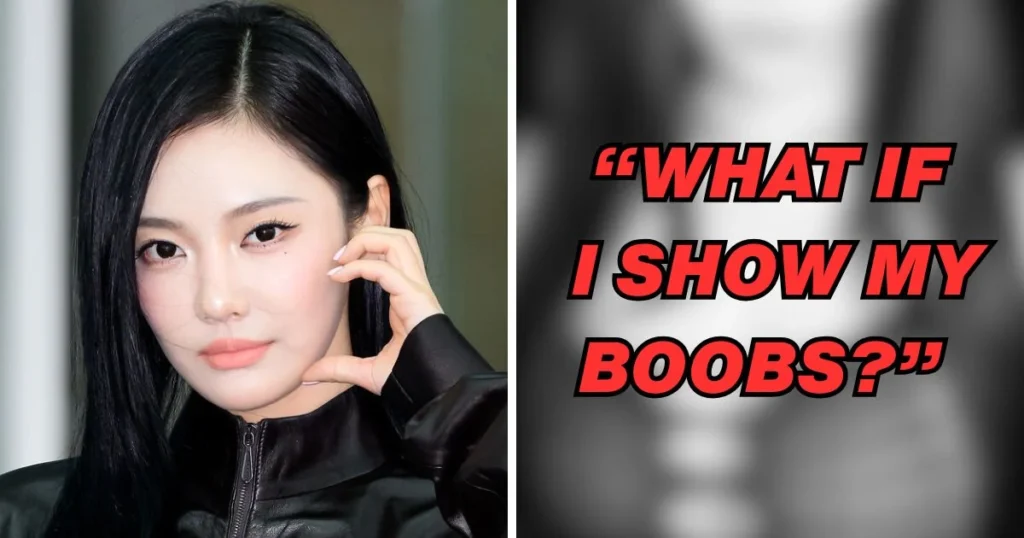
On May 11, 2026, in the wake of aespa’s latest single release, "WDA (Whole Different Animal)," member Ningning engaged with fans through an Instagram Live session, a common practice for K-Pop idols to celebrate new music and foster direct connection. However, the interactive broadcast took an unexpected turn when Ningning encountered and directly addressed a highly inappropriate and body-shaming comment, an incident that has since ignited widespread discussion among fans, industry observers, and media outlets regarding the pervasive issue of online harassment directed at public figures, particularly female artists in the K-Pop sphere.
The Release of ‘WDA (Whole Different Animal)’ and Initial Fan Engagement
aespa, the groundbreaking K-Pop girl group under SM Entertainment, continued to solidify its unique position in the global music landscape with the release of "WDA (Whole Different Animal)." Known for their innovative ‘metaverse’ concept and powerful musical style, aespa’s comeback was met with eager anticipation from their dedicated fanbase, MYs. The single, "WDA," marked another chapter in their evolving discography, blending their signature futuristic sound with captivating visuals. As is customary for major releases, individual members often host live streams across various platforms to interact with fans, share behind-the-scenes insights, and gauge initial reactions to their new work. Ningning’s Instagram Live was one such event, designed to be a celebratory and intimate moment between the idol and her supporters. These live sessions, while offering unparalleled access, also expose idols to the unfiltered and often unmoderated deluge of comments from a global audience.
Chronology of the Incident: From Celebration to Confrontation
The Instagram Live session commenced with Ningning in a cheerful mood, reflecting the excitement surrounding "WDA." She engaged with fans, responded to queries about the song, and shared personal anecdotes, creating a vibrant and positive atmosphere. However, as the session progressed, the comment section, visible to both Ningning and her viewers, began to fill with a diverse range of remarks, some of which veered into unsolicited and inappropriate territory.
It was amidst this stream of comments that Ningning encountered a particularly egregious one, which she initially hesitated to read aloud, indicating her visible discomfort and surprise. The comment in question explicitly stated: "Why [do] you show boobs so much recently?" This highly personal and objectifying remark immediately shifted the tone of the broadcast. Despite her initial shock, Ningning demonstrated remarkable composure and courage, choosing to confront the comment head-on rather than ignore it.
Her response was unequivocal and delivered with a firm resolve: "I didn’t… what the hell. I didn’t. What about it? Don’t body shame. What if I do? What if I show my boobs? What about it? Everyone can show their body." This powerful statement, broadcast live to thousands of viewers, served as a direct rebuke to the commenter and a broader declaration against body shaming and the policing of women’s bodies. The incident quickly gained traction online, with clips of her response circulating rapidly across social media platforms, drawing both praise and further discussion.
Ningning’s Statement: A Stand Against Body Shaming
Ningning’s direct address of the comment resonated deeply with fans and observers alike. Her words, "Don’t body shame. What if I do? What if I show my boobs? What about it? Everyone can show their body," were perceived not just as a defense of her personal choices but as a broader affirmation of bodily autonomy and freedom of expression. This stance is particularly significant within the highly scrutinized environment of the K-Pop industry, where idols, especially female idols, often face immense pressure to conform to specific beauty standards and conservative presentation norms.
The incident highlighted a persistent challenge faced by female celebrities globally: the sexualization and objectification of their appearance, often under the guise of fan interaction or public commentary. Ningning’s refusal to let the comment slide, and her articulate pushback, demonstrated a growing trend among younger generations of idols to assert their boundaries and challenge inappropriate behavior directly, rather than relying solely on agency intervention. This moment was not just a personal defense but a public education on respecting an individual’s right to dress and present themselves as they choose, free from judgment or sexualization.
Immediate Fan Reactions and Broader Support
Following Ningning’s response, the online community, particularly aespa’s fanbase, erupted in a wave of support. Fans, known as MYs, quickly rallied behind her, praising her bravery and candidness. Social media platforms, especially X (formerly Twitter), were flooded with messages of solidarity. One fan remarked, "i love how they started clapping back in their lives recently," signaling a broader appreciation for idols taking a more assertive stance against malicious comments. Another echoed this sentiment, stating, "i’m genuinely so glad they’ve started hitting back at stuff. i’m sick of people getting away with saying out of pocket things. like yes. put the fear of god that they’re gonna see and call them out into them."
These reactions underscore a shifting dynamic in the idol-fan relationship, where fans are increasingly advocating for the protection and mental well-being of their favorite artists. There was a palpable sense of relief and pride that Ningning did not shy away from confronting the negativity, but instead used her platform to champion a message of self-acceptance and defiance against unwarranted criticism. Many also pointed out the escalating nature of inappropriate comments during idol live streams, noting that such direct confrontations were "long overdue." The overwhelming consensus among supportive fans was that idols should not have to tolerate such harassment and that their agencies and platforms should implement more robust measures to curb it.
The Pervasive Issue of Online Harassment in K-Pop
Ningning’s incident is not an isolated one but rather a symptom of a larger, systemic problem within the K-Pop industry and the broader digital landscape: the prevalence of online harassment, malicious comments, and body shaming. K-Pop idols, despite their global fame, operate within a highly demanding and often unforgiving environment. They are under constant public scrutiny, with every aspect of their appearance, behavior, and personal life subject to intense analysis and criticism.
Female idols, in particular, often bear the brunt of objectification and unrealistic beauty standards. They are frequently judged on their weight, body shape, fashion choices, and perceived levels of "sexiness." The anonymity afforded by online platforms emboldens some users to cross boundaries they would never consider in face-to-face interactions, leading to a relentless barrage of derogatory and sexually suggestive comments. Studies on online harassment indicate that female public figures are disproportionately targeted with comments related to their physical appearance and sexualization. This creates a toxic environment that can severely impact an idol’s mental health and sense of self-worth.
The parasocial relationships inherent in K-Pop fandom, while often a source of immense support, can sometimes morph into unhealthy obsessions. Some individuals develop a false sense of intimacy or ownership over idols, believing they have the right to dictate their appearance or personal choices. This misguided perception often fuels the type of intrusive and inappropriate comments Ningning experienced. The sheer volume of comments during a live stream, often thousands per minute, makes real-time moderation incredibly challenging, allowing malicious remarks to slip through the cracks.
Industry Response and Agency Stance on Idol Protection
K-Pop entertainment agencies, including SM Entertainment, have increasingly recognized the severity of online harassment. Many agencies have dedicated legal teams to monitor and take action against malicious commenters, often filing lawsuits for defamation and slander. SM Entertainment, aespa’s agency, has a well-documented policy of pursuing legal action against individuals who spread false rumors, engage in personal attacks, or harass their artists. However, the nature of live streams presents a unique challenge, as comments are transient and often disappear quickly.

While agencies can issue warnings and pursue legal recourse after an incident, preventing real-time harassment during live broadcasts requires more sophisticated solutions. Some platforms offer filtering options, but these are not always foolproof. The industry is grappling with how to balance the desire for direct idol-fan interaction with the necessity of protecting artists from harm. There is an ongoing debate about whether platforms themselves bear greater responsibility for implementing stronger moderation tools and policies. The consensus among many within the industry is that a multi-pronged approach involving agency legal action, platform improvements, and fan self-policing is necessary to create a safer online environment for idols.
Broader Implications: Empowerment, Fan Culture, and Digital Ethics
Ningning’s courageous response during her Instagram Live carries several significant implications for the K-Pop industry and digital culture at large.
Firstly, it serves as a powerful example of idol empowerment. For years, idols were often advised to ignore negative comments or rely on their agencies to handle them. However, a new generation of artists is demonstrating a willingness to directly challenge harmful narratives, thereby reclaiming their agency and setting boundaries. This shift could inspire other idols to speak out, fostering a more resilient and assertive artist community. It signals that idols are not passive recipients of public opinion but active participants in shaping their own narratives.
Secondly, the incident highlights the evolving dynamics of fan culture. While the vast majority of fans are supportive, a vocal minority can create a toxic environment. Ningning’s action, and the subsequent widespread fan support, can serve as a catalyst for a more proactive and self-policing fandom, where supportive fans actively report and condemn inappropriate behavior, fostering a healthier community ethos. It reinforces the idea that true fandom involves respect and protection, not entitlement or objectification.
Thirdly, it brings renewed attention to the ethical responsibilities of digital platforms. Instagram, like other social media platforms, faces scrutiny regarding its content moderation policies, especially during live broadcasts. Incidents like Ningning’s underscore the need for platforms to invest more in AI-driven moderation, real-time filtering, and user reporting mechanisms that effectively protect users from harassment. The challenge lies in balancing freedom of speech with the prevention of abuse and ensuring a safe online space for all users.
Finally, Ningning’s statement contributes to a broader societal conversation about body positivity and gender equality. By unequivocally stating "Everyone can show their body," she challenged the societal norms that often police women’s attire and bodies, especially in the public eye. Her words resonate beyond the K-Pop fandom, aligning with global movements advocating for bodily autonomy and challenging misogynistic double standards. This incident reinforces the idea that a woman’s body is her own, and her choices regarding her appearance should not be subject to public judgment or sexualization.
In conclusion, Ningning’s direct confrontation of a body-shaming comment during her Instagram Live for aespa’s "WDA" release was more than just a personal defense; it was a significant moment that underscored the persistent challenges of online harassment in the K-Pop industry. Her bravery in addressing the issue head-on has sparked crucial discussions about idol protection, the evolving role of artists in challenging negativity, and the collective responsibility of agencies, platforms, and fans in cultivating a respectful and safe digital environment. This event serves as a stark reminder that while technology offers unprecedented opportunities for connection, it also demands heightened vigilance and ethical conduct from all participants to ensure that such interactions remain positive and empowering.
Related News