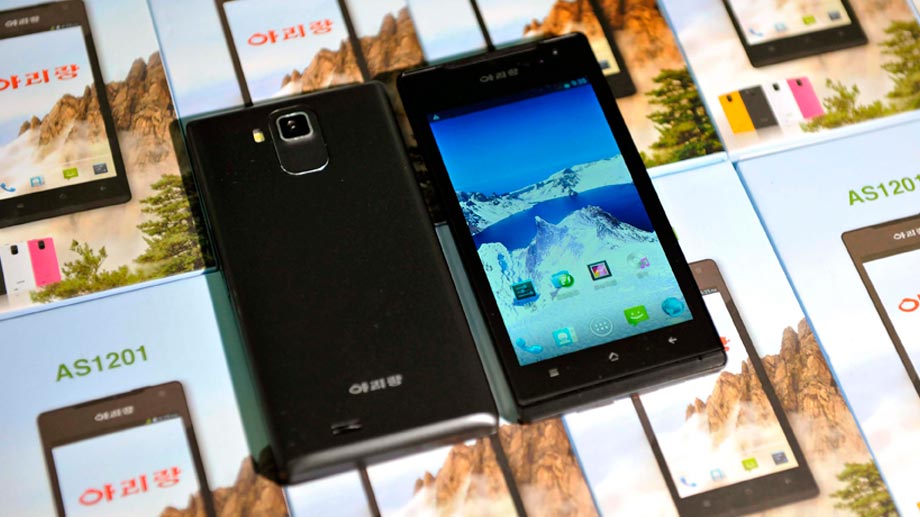
The unveiling of North Korea’s first domestic smartphone, the Arirang, marks a significant intersection between modern technological aspirations and deeply rooted cultural nationalism. While the global technology market is dominated by multi-billion-dollar entities from the United States, South Korea, and China, the Democratic People’s Republic of Korea (DPRK) has sought to carve out its own digital niche. By naming its premier mobile device after "Arirang," the most iconic traditional folk song of the Korean people, the North Korean leadership has signaled a strategic move to blend technological modernization with a potent symbol of Korean identity. This development occurs against a backdrop of prolonged military tension and a complex history of colonial occupation, providing a unique window into the socio-cultural fabric of East Asia.
The Technical and Political Launch of the Arirang Smartphone
The Arirang smartphone, specifically the model AS1201, was first introduced to the public through state-run media reports documenting a high-profile visit by North Korean leader Kim Jong-un to a manufacturing facility. According to the Korean Central News Agency (KCNA), the device was touted as a triumph of "indigenous technology" and "Juche" (self-reliance). The smartphone features a touch screen, a camera with high pixel density, and an operating system based on a modified version of Android.
However, international technology analysts have expressed skepticism regarding the "indigenous" nature of the hardware. Evidence suggests that the Arirang devices are likely manufactured by a Chinese original equipment manufacturer (OEM) and shipped to Pyongyang, where they are packaged or potentially fitted with localized software. Despite these technical debates, the political objective is clear: the DPRK intends to demonstrate to its citizenry that it can keep pace with the digital revolution while maintaining strict control over information. The device is designed to operate on Koryolink, the North’s domestic cellular network, which provides access to a national intranet rather than the global internet, ensuring that the technological leap does not compromise the state’s ideological boundaries.
The Cultural Weight of Arirang: A Historical Contextualization
The choice of the name "Arirang" is far from arbitrary. To understand why a 21st-century smartphone would be named after a pre-modern folk song, one must examine the profound role the melody plays in the collective consciousness of both North and South Koreans. While South Korea’s official national anthem is "Aegukga" (The Song of Love for Country)—a formal, Western-influenced orchestral piece—it is "Arirang" that serves as the unofficial, emotive anthem of the Korean soul.
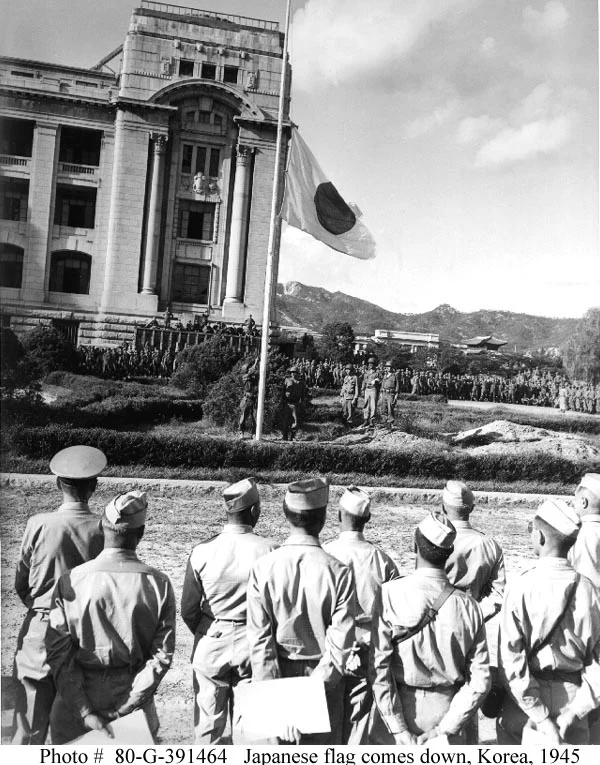
The origins of the song are shrouded in antiquity, with estimates of its inception ranging from the 8th-century Silla Kingdom to the late 19th-century Joseon Dynasty. Regardless of its specific origin, "Arirang" became a pillar of national identity during the Japanese colonial occupation (1910–1945). During this era, the song transformed from a simple folk tune into a subversive tool of resistance. Its lyrics, which typically describe a traveler crossing a mountain pass and the sorrow of a lost lover, were reinterpreted as metaphors for the lost sovereignty of the Korean nation.
Scholars, including E. Taylor Atkins, have noted that the song serves as a "national archive" where the historical experiences, trauma, and resilience of the Korean people are stored. In 2012, following concerted efforts by the South Korean government, "Arirang" was inscribed on the UNESCO Representative List of the Intangible Cultural Heritage of Humanity. The North followed suit, securing its own UNESCO listing for the song in 2014, illustrating that even in a divided peninsula, the song remains a shared heritage that neither side is willing to cede.
Chronology of a Peninsula Divided by Politics, United by Song
The history of the Korean peninsula in the 20th and 21st centuries is a timeline of trauma and rapid transformation, through which "Arirang" has remained a constant thread:
- 1910–1945: Japanese Colonial Rule. "Arirang" gains popularity as an expression of Korean identity and a quiet form of protest against cultural erasure.
- 1945: Liberation from Japan, followed immediately by the division of the peninsula into Soviet and American spheres of influence.
- 1950–1953: The Korean War. The conflict cements the ideological divide but sees soldiers on both sides singing "Arirang" during moments of respite.
- 1960s–1980s: South Korea undergoes the "Miracle on the Han River," transitioning to a global economic power, while the North develops its Juche ideology.
- 2000: The first Inter-Korean Summit. Athletes from both North and South Korea march together under the Unification Flag at the Sydney Olympics, accompanied by the melody of "Arirang" rather than their respective national anthems.
- 2012: UNESCO recognizes "Arirang" as Intangible Cultural Heritage of Humanity (South Korean application).
- 2013: North Korea launches the Arirang smartphone, seeking to modernize its image while leaning on traditional symbols.
- 2014: UNESCO recognizes the North Korean version of "Arirang" as well, acknowledging the song’s universal importance across the DMZ.
Regional Geopolitics and the Soft Power Struggle
The naming of the smartphone also highlights the ongoing rivalry between the Koreas and Japan. In the contemporary era, this rivalry has shifted from the battlefield to the marketplace and the cultural sphere. South Korean conglomerates like Samsung and LG have effectively displaced Japanese giants such as Sony and Panasonic in several key technology sectors. This economic competition is often fueled by a lingering sense of historical grievance stemming from the colonial era.
In North Korea, the government utilizes this anti-colonial sentiment to bolster its legitimacy. By branding a smartphone "Arirang," the DPRK attempts to frame its technological development as a continuation of the resistance against foreign influence. It is a calculated move to evoke the "Han"—a uniquely Korean concept of collective sorrow and unresolved resentment—and channel it into national pride.

Interestingly, "Arirang" has historically crossed borders in ways that politics cannot. In 1931, the song became a surprise hit in Japan, where audiences were drawn to its melancholic beauty. Today, a similar phenomenon occurs with the "Hallyu" or Korean Wave. Despite the North Korean government’s strict prohibitions on foreign media, reports from defectors and humanitarian organizations suggest that South Korean dramas (K-Dramas) and K-Pop are highly sought-after on the black market in the North. Even the DPRK’s state-sanctioned musical groups, such as the Moranbong Band, have adopted aesthetic elements—short skirts, electric violins, and synchronized choreography—that clearly mirror South Korean pop culture trends.
Socio-Economic Implications of the Arirang Smartphone
The introduction of the Arirang smartphone carries several implications for North Korean society. First, it reflects the emergence of a "Donju" class—a new affluent middle class of traders and entrepreneurs who have benefited from the country’s informal markets. For this demographic, a smartphone is both a status symbol and a practical tool for coordinating trade activities.
Second, the device represents the state’s attempt to manage "digital contagion." By providing a domestic alternative to smuggled Chinese or South Korean phones, the government can more easily monitor communications and ensure that users remain within the "walled garden" of the national intranet. The Arirang phone comes pre-loaded with state-approved applications, ranging from educational tools to games, all designed to reinforce the national narrative.
Third, the use of the name "Arirang" is a masterstroke of domestic propaganda. It suggests that the North is the true "protector" of Korean culture. In a world where South Korea is often criticized by the North for being "culturally colonized" by the West, the DPRK uses traditional motifs to assert its ideological purity.
Conclusion: A Shared Aesthetic Amidst Discord
The Arirang smartphone is more than just a piece of consumer electronics; it is a symbol of the enduring power of cultural identity in the face of political fragmentation. The fact that North Korea chose this specific name confirms that, despite decades of separation, there remains a shared aesthetic and emotional vocabulary that spans the 38th parallel.
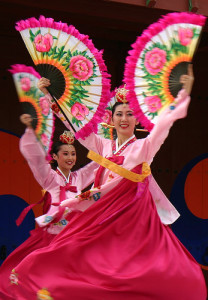
While the North and South remain technically at war and continue to compete for economic and diplomatic dominance, the legacy of "Arirang" serves as a reminder of a unified past. The song has survived the fall of dynasties, the brutality of colonization, and the devastation of war. In the modern era, it has found a new home in the digital circuitry of a smartphone.
Ultimately, the global community’s fascination with North Korea’s "Arirang" phone reflects a broader truth: technology is never neutral. It is always embedded in the history, politics, and culture of the people who create and use it. Whether it is a folk song sung at a mountain pass or a digital device held in the palm of a hand, "Arirang" continues to define what it means to be Korean in an ever-changing world. The persistence of this cultural thread suggests that while political borders are rigid, the shared heritage of a people is far more resilient and infectious than the ideologies that seek to divide them.