Beloved Korean Star Confesses To Suffering A Heartbreaking Miscarriage
Article Editorial Team
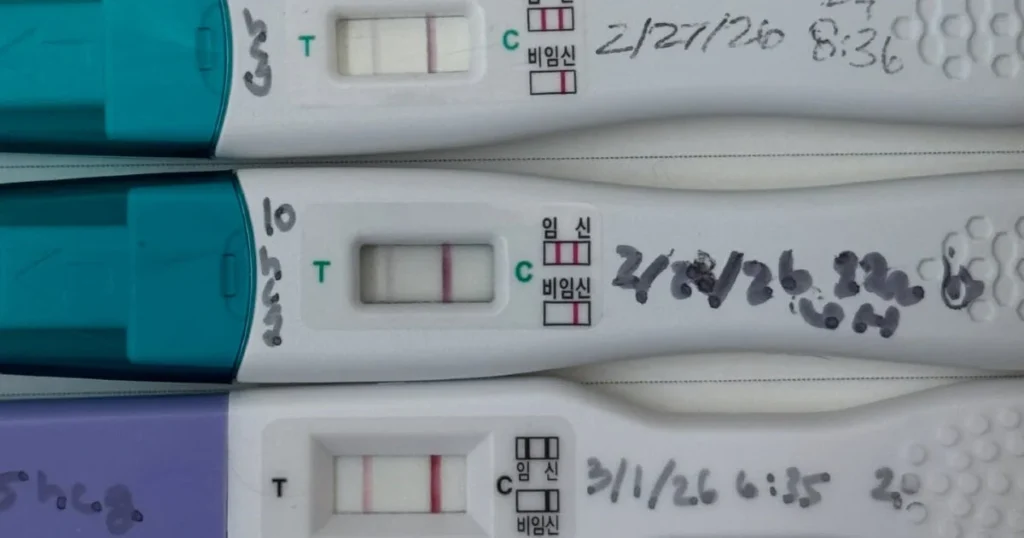
Broadcaster Suh Dong Joo recently shared with the public the deeply personal and agonizing experience of undergoing a missed miscarriage after successfully conceiving through infertility treatment, a revelation that has garnered an outpouring of sympathy and support. Despite the profound heartbreak, Suh has publicly affirmed her unwavering resolve not to abandon her hopes of motherhood, a stance that has resonated strongly with her audience and those who have faced similar struggles. Her candidness throughout this journey, from the initial struggles with infertility to the devastating loss, has not only shed light on a often-private grief but has also underscored her remarkable resilience.
The Journey to Conception: A Public Battle with Infertility
Suh Dong Joo, a prominent figure in South Korean media known for her versatile career as a broadcaster, author, and lawyer, has consistently used her platform to openly discuss her personal challenges, particularly her protracted battle with infertility. Born to famous entertainers Seo Se-won and Seo Jung-hee, Suh has always been under the public eye, and her willingness to share such intimate details of her life has fostered a unique connection with her fans. Her journey to motherhood began with extensive infertility treatments, a path fraught with emotional and physical demands.
Earlier this year, Suh shared the joyous news of her pregnancy, a beacon of hope after a long and arduous process of in vitro fertilization (IVF). She posted a picture of a positive pregnancy test displaying two distinct lines, a universal symbol of expectant parenthood. However, even in this moment of cautious celebration, Suh expressed a palpable sense of anxiety, reflecting the inherent uncertainties and fragility often associated with early pregnancy, especially following fertility treatments. "A small gestational sac has formed and is growing little by little," she stated, "but it’s not a situation where I can be completely reassured." She further articulated the immense emotional burden, confessing, "The waiting period was really hard." This initial disclosure hinted at the precarious nature of her pregnancy, setting a tone of hopeful trepidation that many undergoing similar treatments can intimately understand.
A Glimmer of Hope and Growing Concerns
The initial weeks following the positive test were a roller coaster of emotions. As the gestational sac gradually grew, it offered a renewed sense of optimism for Suh and her followers. Each incremental sign of development was a testament to the arduous path she had traversed. However, this period of cautious hope was simultaneously shadowed by persistent uncertainties. Medical examinations revealed that while a gestational sac was present, a yolk sac—a crucial structure that provides nourishment to the developing embryo and eventually forms part of the placenta—was notably absent. The absence of a yolk sac, particularly at a stage when it should be visible, is often a concerning indicator of an impending miscarriage or an anembryonic pregnancy, where an embryo fails to develop.
The medical team continued to monitor her condition closely, prolonging the agonizing "waiting period" Suh had previously mentioned. This phase, characterized by weekly scans and the constant anticipation of a definitive answer, is emotionally grueling for any expectant parent, let alone someone who has invested so much physical and emotional energy into achieving pregnancy. Despite her best efforts to maintain hope and adhere to medical advice, the fundamental biological processes did not align as desired. Ultimately, after several weeks of anxious monitoring and a lack of further development, it became clear that the pregnancy could not be sustained. The initial glimmer of hope, painstakingly nurtured through IVF, began to dim, giving way to the harsh reality of a missed miscarriage.
The Heartbreaking Revelation: Missed Miscarriage and D&C
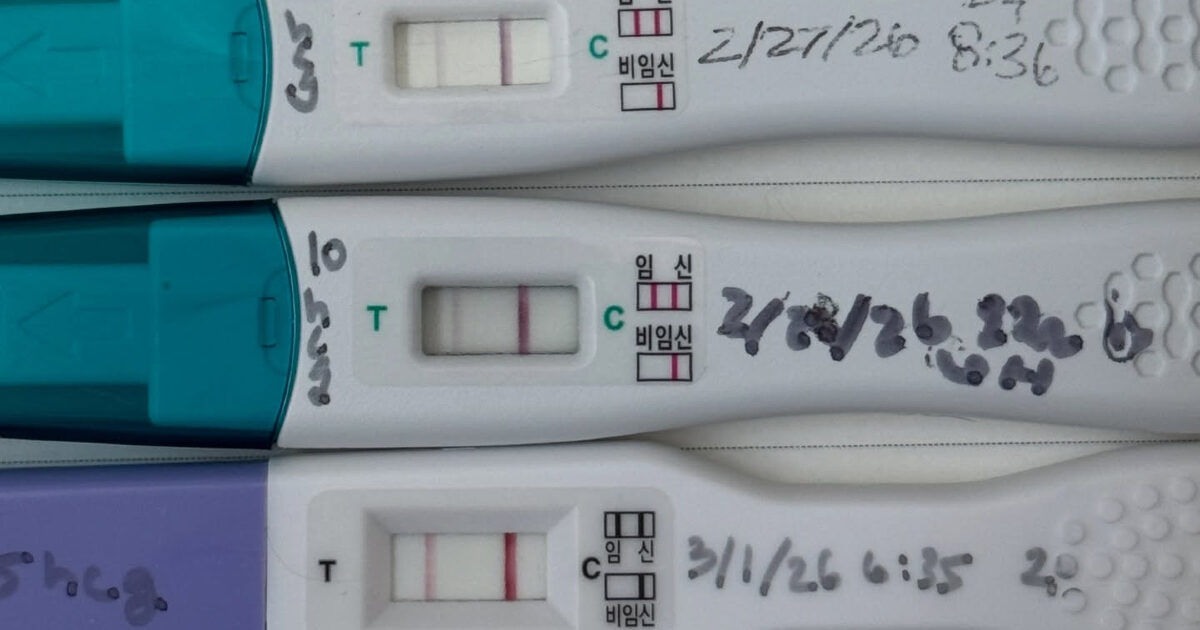
On April 2, Suh Dong Joo took to her personal YouTube channel, a platform she often uses for candid communication with her audience, to deliver the heartbreaking news. She revealed that she had undergone a dilation and curettage (D&C) surgery, a procedure performed to remove tissue from inside the uterus following a miscarriage. This surgical intervention marked the definitive end of her pregnancy and a poignant farewell to her baby.
A missed miscarriage, medically known as a silent miscarriage, is particularly distressing as the body does not recognize the loss, and there are often no typical symptoms like bleeding or cramping. The diagnosis typically comes during a routine ultrasound scan when no fetal heartbeat is detected or the embryo is found to be smaller than expected for gestational age. This lack of overt symptoms means individuals may carry the pregnancy for weeks, believing everything is progressing normally, only to be confronted with the devastating news in a clinical setting. The psychological impact of a missed miscarriage can be profound, as the emotional processing of the loss is delayed and often comes as a shock.
Reflecting on the painful experience, Suh Dong Joo shared her deep sense of sorrow and helplessness. "I tried everything to protect the baby," she conveyed, her words heavy with emotion, "but it seems the time wasn’t right yet." This statement encapsulates the complex emotional state of grief, regret, and acceptance, despite having done everything within her power. In a deeply touching gesture, she referred to her unborn child as "Chilbok," which translates to "the seventh blessing." This naming not only personifies the baby but also imbues the experience with a spiritual significance, suggesting that despite the loss, the attempt itself was a blessing, a part of her journey.
Suh Dong Joo’s Resilience and Future Intentions
Amidst the profound grief, Suh Dong Joo’s narrative quickly pivoted towards an inspiring message of resilience and unwavering hope. She firmly declared her intention not to give up on her dream of motherhood. "I kept hope alive by waiting a week, but eventually confirmed that everything had stopped," she recounted, highlighting the emotional fortitude required to face such a definitive loss. However, this confirmation did not break her spirit. Instead, she hinted at her plans to try for a second child again "next season," a testament to her enduring determination. This forward-looking perspective, so soon after a devastating loss, has profoundly resonated with the public, particularly those who have experienced similar struggles.
Her courage to speak openly about such a vulnerable experience serves as a powerful source of empathy and encouragement for countless individuals navigating the often-silent struggles of infertility and pregnancy loss. By sharing her journey, she quietly offers a beacon of hope, reminding others that their pain is seen, understood, and that perseverance is a valid and courageous path forward.
The Broader Context: Miscarriage and Infertility in South Korea
Suh Dong Joo’s public confession takes on added significance within the broader societal context of South Korea. Miscarriage is a far more common occurrence than often realized, with estimates suggesting that between 10% and 20% of known pregnancies end in miscarriage, with the majority occurring in the first trimester. For women undergoing infertility treatments like IVF, the emotional stakes are often significantly higher, given the immense physical, emotional, and financial investment involved in achieving pregnancy. While IVF success rates vary widely based on factors such as age, underlying causes of infertility, and clinic protocols, global data suggests live birth rates per embryo transfer typically range from 20-40%, underscoring that even successful conception through IVF does not guarantee a full-term pregnancy.

In South Korea, a society grappling with one of the world’s lowest birth rates, there is immense societal pressure on women to marry and bear children. This pressure is often amplified for public figures, where personal milestones are frequently scrutinized. The cultural emphasis on family continuation and the perceived ideal of nuclear families can lead to significant psychological burdens for individuals and couples struggling with infertility. The silence surrounding miscarriage and infertility in many parts of society further isolates those affected, making Suh Dong Joo’s openness all the more impactful. Her narrative helps to dismantle the stigma associated with these deeply personal experiences, fostering a more compassionate and understanding environment.
The Crucial Role of Mental Health
Throughout her infertility journey, Suh Dong Joo has consistently championed the importance of mental health management, a critical aspect often overlooked in the intense focus on physical treatments. "Mental health management is crucial because infertility is a long process," she has repeatedly emphasized. Her words highlight the profound psychological toll that infertility treatments and pregnancy loss can exact. The constant hope, disappointment, anxiety, and grief can lead to severe emotional distress, including depression, anxiety disorders, and post-traumatic stress.
Mental health professionals affirm the critical need for psychological support during such trying times. The grief following a miscarriage, regardless of gestational age, is a legitimate and often profound bereavement that requires acknowledgment and processing. The repeated cycles of hope and despair inherent in fertility treatments can erode one’s self-esteem and mental well-being. Suh Dong Joo’s advocacy for mental health awareness in this context serves as a vital reminder for individuals to seek professional support, engage in self-care practices, and lean on their support networks. Her message encourages a holistic approach to fertility and loss, recognizing that emotional well-being is as crucial as physical health.
Public Reaction and Destigmatization
The public’s reaction to Suh Dong Joo’s confession has been overwhelmingly sympathetic and supportive. Her candidness has sparked a wave of solidarity, with many individuals sharing their own stories of infertility and miscarriage in response. This collective outpouring of empathy underscores the widespread nature of these experiences, which often remain unspoken due to societal taboos and personal pain.
Celebrity revelations of this nature play a pivotal role in destigmatizing sensitive topics. By openly discussing her struggles, Suh Dong Joo has helped to normalize conversations around infertility and pregnancy loss, encouraging others to break their silence and seek support. Her bravery fosters an environment where individuals feel less isolated and more understood. This shift in public discourse is crucial for creating more compassionate communities and advocating for better support systems, both medical and psychological, for those navigating these challenging life events. Her story is not just a personal tragedy but a catalyst for broader societal change, challenging the traditional silence surrounding women’s reproductive health issues in the public sphere.
In conclusion, Suh Dong Joo’s journey, marked by hope, struggle, and profound loss, yet ultimately defined by unwavering resilience, continues to inspire and educate. Her decision to openly share her experiences with infertility and miscarriage has transcended personal grief, transforming it into a powerful platform for advocacy and destigmatization. As she plans her next steps, her courage quietly offers empathy and strength to countless others embarking on similar paths, reaffirming that even in the face of heartbreak, hope and perseverance can illuminate the way forward.
Related News