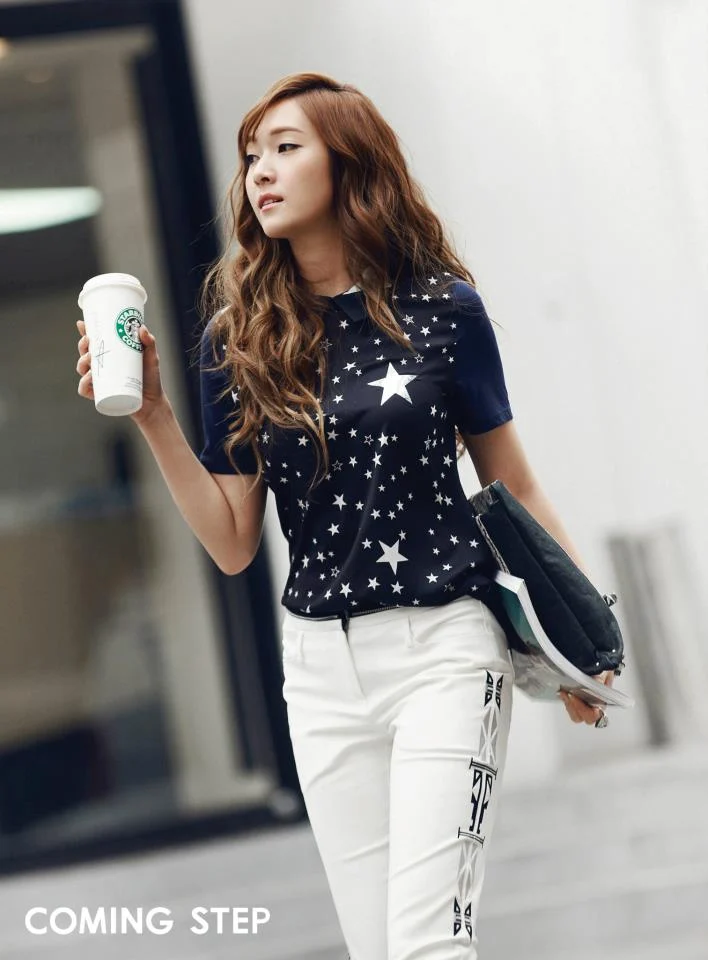
The vibrant and visually dynamic world of K-pop has long captivated global audiences, extending far beyond its infectious music and synchronized choreography. A significant element of this allure lies in the meticulously crafted aesthetics of its idols. From the grueling hours dedicated to perfecting dance routines to the strategic deployment of style, hair, and makeup teams for every public appearance – be it on music shows, during electrifying concerts, on variety programs, or even navigating bustling airports – K-pop artists are paragons of visual presentation. This unwavering commitment to image has naturally inspired legions of fans to not only emulate their favorite artists’ moves and melodies but also their distinctive fashion sensibilities. While learning a complex dance or mastering a vocal technique requires considerable dedication, the most accessible pathway to K-pop fandom often manifests through the adoption of its trending styles. The universal necessity of wearing clothes, whether for daily commutes, academic pursuits, professional engagements, or social gatherings, makes fashion an immediate and relatable avenue for fans to connect with their idols.
Historically, fashion publications and fan communities have offered numerous guides to help enthusiasts acquire specific K-pop-inspired pieces, from the exact handbag carried by Girls’ Generation’s Jessica to the eye-catching hat donned by BIGBANG’s G-Dragon at an airport. While identifying and purchasing these items might seem straightforward, truly integrating K-pop fashion into one’s personal wardrobe requires a more nuanced approach than simply acquiring individual pieces. The challenge lies in avoiding the appearance of a costume, which can easily occur when attempting to replicate the often elaborate and performance-oriented ensembles worn by idols. These outfits, meticulously designed for stage impact and visual storytelling, can appear out of place in everyday settings if worn in their entirety. The goal for most fans is not to become a walking advertisement for a particular idol’s look, but rather to capture the essence of their coolness and stylishness in a manner that is both authentic and appropriate for their own lives.
The Art of Adaptation: Incorporating Trends Thoughtfully
The key to successfully translating K-pop fashion into personal style lies in the judicious incorporation of trends in measured doses, ensuring they align with and enhance one’s pre-existing personal aesthetic. This process begins with a deep understanding of one’s own style preferences. By recognizing one’s inherent leanings – whether it’s a preference for minimalist color palettes and structured silhouettes, a penchant for casual and sporty ensembles, or an inclination towards menswear-inspired tailoring in muted tones – fans can more effectively identify which K-pop trends resonate and complement their individual looks. While experimentation is a vital part of fashion exploration, the ultimate aim is to cultivate a style that is genuinely one’s own, rather than a mere imitation of idols like B.A.P’s Zelo or Girls’ Day’s Minah. The journey of fashion is one of self-discovery, and understanding what one likes and how one likes to wear it is paramount.
For individuals seeking to redefine their style, the process is inherently progressive. Rather than making drastic and potentially costly changes all at once, a more strategic approach involves gradual experimentation. Investing heavily in a complete K-pop-inspired wardrobe without a clear understanding of how these pieces will integrate into one’s life can lead to disappointment and financial waste. Instead, it is advisable to begin with smaller, more experimental purchases, allowing ample time to assess their wearability and personal appeal. This cautious approach not only minimizes financial risk but also fosters a more sustainable and thoughtful engagement with fashion.
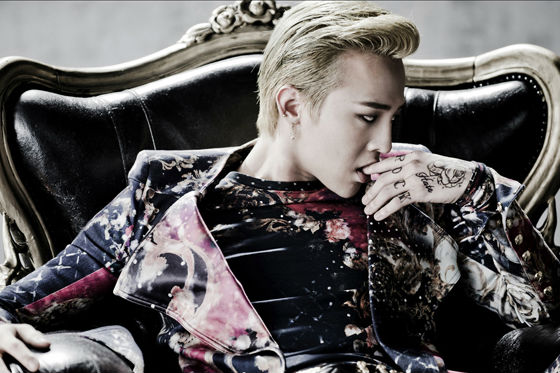
From Trendspotting to Personal Expression: A Strategic Approach
Once a foundational understanding of personal style is established, or at least a clear direction for stylistic evolution is identified, fans can then critically evaluate individual K-pop fashion elements. This involves considering whether a particular item, such as the distinctive patterned pants worn by miss A’s Fei in a music video or the striking jacket sported by Super Junior’s Eunhyuk at a concert, genuinely aligns with one’s personal aesthetic. The crucial next step is to envision how such a piece would integrate into one’s existing wardrobe, rather than solely contemplating its pairing with other trendy items. This conscious effort to connect new acquisitions with pre-owned clothing not only facilitates a more authentic adoption of trends but also proves to be a fiscally prudent strategy, allowing fans to save money while building a cohesive and personalized style.
The act of curating a wardrobe that reflects personal taste, rather than simply replicating idol ensembles, empowers individuals to feel more confident and authentic in their fashion choices. Even without the benefit of professional stylists, fans can achieve a high level of personal style through mindful selection and integration. The ultimate reward is the ability to confidently assemble diverse outfits that feel entirely their own, moving beyond the perception of "costume" or "cosplay" and embracing a genuine expression of self. This journey of stylistic discovery is, in essence, an ongoing experiment. While not all experiments yield immediate success, a thoughtful and intentional approach, coupled with a willingness to adapt and personalize trends, allows individuals to cultivate a unique and enduring style.
The Multifaceted Influence of K-Pop Fashion on Global Style Trends
The global proliferation of K-pop has undeniably had a profound impact on fashion trends worldwide. Beyond the individual fan’s journey of personal style development, the phenomenon has influenced broader fashion discourse and industry practices. The constant stream of visually compelling content from K-pop groups provides a rich source of inspiration for designers, stylists, and consumers alike. This influence can be observed in various aspects of the fashion landscape, from high-end runway collections to fast-fashion offerings and street style.
Supporting Data and Market Impact:
The economic implications of K-pop’s fashion influence are significant. The global K-pop market, valued at billions of dollars, is intrinsically linked to merchandise sales, brand endorsements, and fashion collaborations. For instance, major fashion houses have increasingly partnered with K-pop artists for campaigns and collections. In 2021, for example, luxury brand Dior announced its partnership with BTS, with members appearing in various campaigns that highlighted the brand’s apparel and accessories. Similarly, Chanel has collaborated with BLACKPINK’s Jennie, showcasing her influence in popularizing specific items and styles. These endorsements not only boost brand visibility but also drive sales, as fans are eager to emulate the styles worn by their idols.

Furthermore, the rise of online retail platforms has made K-pop fashion more accessible than ever. Websites specializing in K-fashion, as well as larger e-commerce giants, now offer a wide array of clothing, accessories, and beauty products inspired by K-pop aesthetics. This increased accessibility has democratized K-pop fashion, allowing a broader audience to participate in the trend. Data from market research firms indicate a consistent growth in the demand for K-fashion globally, with significant contributions from regions beyond Asia, including North America and Europe. This suggests a sustained and growing interest in the visual elements of K-pop.
Chronology of Influence:
While K-pop’s visual appeal has always been a component of its success, its global fashion influence has seen a marked acceleration in recent years. The early 2010s saw a surge in international K-pop fandom, leading to initial waves of fashion emulation. As K-pop groups gained mainstream recognition through viral hits and world tours, their fashion choices began to be noticed by international fashion media. The mid-to-late 2010s witnessed a more deliberate integration of K-pop fashion into global trend cycles, with fashion magazines and blogs dedicating more content to analyzing idol styles. The late 2010s and early 2020s have been characterized by high-profile brand collaborations and the widespread adoption of K-pop-inspired aesthetics in street style and casual wear. This progression highlights a shift from niche admiration to a more integrated presence within the broader fashion landscape.
Analysis of Implications:
The pervasive influence of K-pop fashion carries several important implications. Firstly, it underscores the power of visual culture in shaping global trends. K-pop’s ability to consistently deliver aesthetically pleasing and trend-setting content demonstrates the effectiveness of a holistic approach to artist development that prioritizes both artistic output and visual presentation. Secondly, it highlights the evolving nature of celebrity influence. K-pop idols have become significant tastemakers, capable of driving consumer behavior and impacting brand success. Their authenticity and relatability, even within the highly curated world of entertainment, resonate with fans and translate into tangible market impact.

Moreover, the global reach of K-pop fashion contributes to a broader cultural exchange. As fans adopt and adapt K-pop styles, they are, in a sense, engaging with Korean culture. This cross-cultural influence fosters greater understanding and appreciation for diverse aesthetic sensibilities. However, it is also important to acknowledge the potential for cultural appropriation, and the need for respectful engagement with trends that originate from specific cultural contexts. The industry, as well as fans, must navigate this dynamic with sensitivity and awareness.
The ongoing evolution of K-pop fashion suggests that its influence is not a fleeting trend but a significant force shaping contemporary style. The emphasis on meticulous styling, the fusion of streetwear with high fashion, and the bold experimentation with color and silhouette have all left an indelible mark on the global fashion conversation. As K-pop continues to innovate and captivate audiences worldwide, its fashion footprint is likely to grow, offering new avenues for self-expression and cultural engagement for fans across the globe. The ability for fans to not just consume K-pop content but to actively participate in its aesthetic through their personal style is a testament to the genre’s pervasive and multifaceted cultural impact.