BIGBANG G-Dragon’s Agency Addresses Anti-Black Slur Controversy
Article Editorial Team
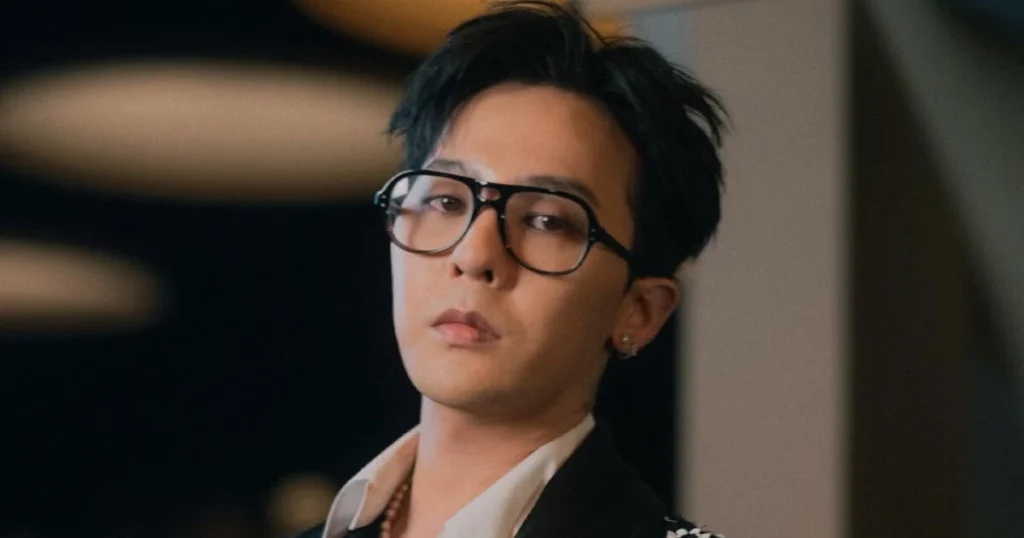
Galaxy Corporation, the agency representing BIGBANG leader G-Dragon, has issued a formal apology following widespread controversy ignited by accusations of racism stemming from an outfit the artist wore during an overseas performance. The incident, which occurred at the Macau K-SPARK event on May 2nd, saw G-Dragon don attire featuring what was identified by global netizens as a deeply offensive anti-Black slur, prompting immediate and significant backlash across international social media platforms.
On May 4th, Galaxy Corporation released its official statement, acknowledging the gravity of the situation. "We sincerely apologize for including socially and culturally inappropriate wording on the artist’s performance outfit at the Macau K-SPARK event on the 2nd," the agency declared. The statement further emphasized the lessons learned from the incident, stating, "Through this incident, we have once again recognized the importance of more careful cultural sensitivity and responsible review. We will thoroughly review and improve our internal verification processes, including styling, to operate under more cautious standards. Going forward, we will act with greater responsibility and care to ensure that the diverse cultural backgrounds and values of global fans are respected in all activities involving our artist." This proactive response underscores the increasing pressure on K-pop agencies to uphold stringent standards of cultural awareness in a globally interconnected entertainment landscape.
The Incident Unfolds: A Detailed Chronology
The controversy began to brew on May 2nd, 2026, when G-Dragon, whose real name is Kwon Ji-yong, made an appearance at the Macau K-SPARK event. This event, designed to foster cultural exchange and showcase K-pop talent, served as a significant platform for G-Dragon, marking one of his prominent public engagements since joining Galaxy Corporation. During his performance, photographs and video clips captured him wearing an ensemble that prominently displayed text widely recognized as an anti-Black slur. The specific wording, deeply rooted in historical racial oppression and derogatory connotations, quickly drew the attention of online observers.
Almost immediately following the performance, images of the controversial outfit began to circulate across various social media platforms, including X (formerly Twitter), Instagram, TikTok, and Reddit. Global fans and netizens, particularly those from Black communities and their allies, swiftly identified the offensive nature of the text. The initial reaction was one of shock, disappointment, and anger. Hashtags condemning the attire and demanding an explanation from both G-Dragon and his new agency rapidly trended worldwide. Many expressed profound disappointment that an artist of G-Dragon’s global stature and influence would be associated with such a hurtful and insensitive message, particularly given K-pop’s diverse international fanbase. Calls for an immediate apology and concrete actions to prevent future occurrences mounted over the subsequent 48 hours, creating a significant public relations challenge for Galaxy Corporation.
On May 4th, in response to the escalating criticism, Galaxy Corporation issued its comprehensive apology. The statement aimed to address the concerns directly, acknowledging the "socially and culturally inappropriate wording" and expressing regret. The agency’s quick response indicated an awareness of the potential long-term damage such an incident could inflict on G-Dragon’s image and the agency’s reputation, especially in the highly scrutinized global entertainment industry.
Background on G-Dragon and Galaxy Corporation
G-Dragon stands as one of K-pop’s most influential and iconic figures. As the leader and main rapper of the legendary group BIGBANG, he has been a trailblazer in music, fashion, and cultural trends for nearly two decades. His distinctive style, innovative musicality, and charismatic stage presence have earned him a massive global following and the moniker "King of K-pop." Beyond his musical achievements, G-Dragon is also a renowned fashion icon, often pushing boundaries and dictating trends within the industry. This established reputation as a trendsetter and cultural tastemaker amplified the shock and disappointment surrounding the controversial outfit, as fans expect a higher degree of awareness and responsibility from an artist of his caliber.
The incident also places Galaxy Corporation under an intense spotlight. G-Dragon’s move to Galaxy Corporation in late 2023 marked a significant shift in his career after a long tenure with YG Entertainment. Galaxy Corporation, a relatively new entity in the entertainment landscape, positions itself as an IP management and AI metaverse company, aiming to innovate in how artists interact with technology and their audience. This controversy represents one of the first major public relations challenges for the agency since G-Dragon joined their roster. How Galaxy Corporation navigates this crisis will be crucial in shaping its public image and demonstrating its capacity to manage a global superstar. The agency’s commitment to "thoroughly review and improve our internal verification processes, including styling," suggests an acknowledgment of systemic oversight issues within their operational framework, particularly concerning cultural content review.
K-pop’s meteoric rise to global prominence has brought with it an increased level of scrutiny regarding cultural sensitivity. As K-pop artists gain unprecedented access to diverse international audiences, the expectation for them and their agencies to demonstrate a nuanced understanding of various cultural contexts, histories, and sensitivities has never been higher. Incidents of cultural appropriation, insensitivity, or ignorance can quickly tarnish an artist’s image and alienate significant portions of their global fanbase, highlighting the constant need for vigilance and education within the industry.
Understanding the Controversy: The Significance of the Slur
The core of the controversy lies in the deeply offensive nature of the anti-Black slur displayed on G-Dragon’s attire. Such language carries a heavy historical burden, rooted in centuries of racial discrimination, subjugation, and violence against Black communities worldwide. Its use, regardless of intent, is universally understood as a perpetuation of harm and a symbol of racial hatred. For many, seeing such a slur on a global figure like G-Dragon was not merely an oversight but a stark reminder of the ongoing struggle against racism and the need for greater awareness, particularly from non-Black individuals and institutions.
This incident is not an isolated event within the broader K-pop industry. Over the years, several K-pop artists and groups have faced criticism for various forms of cultural insensitivity, ranging from cultural appropriation in music videos and stage outfits to insensitive gestures or remarks. These past controversies, while distinct in their specifics, collectively underscore a recurring challenge within the K-pop ecosystem: the gap in cultural education and understanding as the industry rapidly expands its global footprint. Previous instances have included artists wearing hairstyles historically associated with Black culture without proper acknowledgment or understanding, using sacred symbols from other cultures as mere aesthetic props, or making light of sensitive historical events. Each incident, including this one involving G-Dragon, serves as a painful learning experience, reinforcing the demand for robust cultural sensitivity training and diverse advisory panels within entertainment agencies.
The impact on fans, especially those from marginalized communities, is significant. Such controversies can erode trust, foster feelings of alienation, and diminish the connection fans feel with artists they admire. For Black K-pop fans, who often navigate spaces where their identity is underrepresented or misunderstood, incidents like this can be particularly hurtful, signaling a lack of respect or awareness from artists they support. The widespread outcry on social media is a testament to the power of fan activism and the collective demand for accountability and genuine understanding from the K-pop industry.
Agency Response and Commitments
Galaxy Corporation’s official statement provides insight into their immediate strategy for crisis management. The phrase "sincerely apologize" aims to convey genuine remorse, a critical component in rebuilding trust. Their acknowledgment of "socially and culturally inappropriate wording" directly addresses the nature of the offense without attempting to downplay or deflect. Crucially, the agency highlights its renewed recognition of "the importance of more careful cultural sensitivity and responsible review." This indicates an understanding that the issue extends beyond a simple wardrobe malfunction and touches upon deeper systemic processes.
The commitment to "thoroughly review and improve our internal verification processes, including styling," is a key takeaway from the apology. By specifically mentioning "styling," the agency pinpoints one direct area where the oversight occurred. However, the broader phrase "internal verification processes" suggests a more holistic examination of how content, imagery, and messages are vetted before public dissemination. This could encompass checks on lyrics, choreography, visual concepts, and indeed, all aspects of an artist’s public presentation. Operating "under more cautious standards" implies a shift towards a more rigorous and perhaps culturally diverse vetting system.
Furthermore, the pledge to "act with greater responsibility and care to ensure that the diverse cultural backgrounds and values of global fans are respected in all activities involving our artist" outlines a forward-looking commitment. This statement is vital as it acknowledges the global nature of G-Dragon’s fanbase and the necessity of catering to and respecting a multitude of cultural perspectives. It implies a move towards proactive measures rather than merely reactive apologies. For an agency like Galaxy Corporation, which aims to leverage advanced technologies and global reach, embedding cultural sensitivity into its operational DNA is paramount for sustainable international success.
Broader Industry Context: Cultural Sensitivity in K-Pop
The incident involving G-Dragon serves as another potent reminder of the ongoing challenges and responsibilities facing the entire K-pop industry. As K-pop continues its unprecedented global expansion, penetrating markets across North America, Europe, Latin America, and Africa, the demand for artists and agencies to exhibit comprehensive cultural intelligence becomes non-negotiable. The industry can no longer afford to treat cultural nuances as secondary considerations; they must be central to content creation and artist management.
There is an increasing call for K-pop agencies to implement mandatory and continuous cultural sensitivity training for all personnel, including artists, stylists, producers, marketing teams, and executives. Such training should not be a one-off event but an ongoing educational process that covers various cultural contexts, historical sensitivities, and the impact of imagery and language. This proactive educational approach can help prevent future missteps by fostering a deeper understanding and appreciation of global diversity.

Moreover, the role of international teams and cultural consultants is becoming increasingly critical. Agencies with global aspirations are encouraged to build diverse teams that include individuals with varied cultural backgrounds and expertise. These teams can serve as invaluable resources for vetting content, identifying potential pitfalls, and offering informed perspectives before any material is released to the public. Consulting with experts from relevant cultural communities can help ensure that artistic expressions are respectful and inclusive.
Fan activism, particularly from international fanbases, has proven to be a powerful force in holding K-pop artists and agencies accountable. Social media platforms empower fans to quickly mobilize, raise awareness, and exert pressure for change. This dynamic creates a direct feedback loop, forcing agencies to respond swiftly and transparently to public concerns. While sometimes intense, this form of activism is often driven by a desire for a more inclusive and respectful industry that reflects the diversity of its global audience.
Analysis of Implications and Future Outlook
The controversy surrounding G-Dragon’s outfit has significant implications for both the artist and Galaxy Corporation. For G-Dragon, a globally recognized figure known for his trendsetting fashion, this incident poses a considerable challenge to his carefully cultivated image. While an apology has been issued, such missteps can lead to a loss of trust among certain segments of his fanbase and may necessitate sustained efforts to demonstrate genuine commitment to cultural awareness. His reputation as a fashion icon, previously synonymous with cutting-edge style, now carries the added weight of needing to exemplify social responsibility.
For Galaxy Corporation, this incident represents a critical early test of their crisis management capabilities and their operational standards. As a relatively new agency managing a superstar of G-Dragon’s caliber, their handling of this controversy will be closely watched by industry peers, media, and fans alike. The agency’s commitment to improving "internal verification processes" suggests a recognition that the issue was systemic, not merely an individual error. The effectiveness of these proposed improvements will be crucial in defining Galaxy Corporation’s long-term reputation as a responsible and globally aware entertainment entity.
On an industry-wide level, this incident adds to the growing body of evidence highlighting the urgent need for comprehensive cultural sensitivity protocols within K-pop. It could prompt other agencies to re-evaluate their own internal checks and balances, potentially leading to more rigorous training programs, diverse hiring practices, and enhanced content review processes across the board. The collective pressure from global fans and media is steadily pushing the K-pop industry towards a more culturally conscious and inclusive future.
The path forward for G-Dragon and Galaxy Corporation will likely involve more than just the initial apology. Expectations for concrete actions may include public educational initiatives, partnerships with organizations promoting racial equality, or direct engagement with affected communities. Demonstrating a sustained commitment to learning and growth will be key to rebuilding trust and reinforcing G-Dragon’s image as a responsible global artist. This incident contributes to the larger, ongoing dialogue about cultural sensitivity, accountability, and the responsibilities that come with global influence in the entertainment world, underscoring that while K-pop’s reach is boundless, so too must be its commitment to global respect and understanding.
In conclusion, Galaxy Corporation’s swift apology regarding G-Dragon’s controversial outfit marks a significant step in addressing a serious cultural insensitivity. The incident has not only highlighted the imperative for meticulous internal verification processes within entertainment agencies but has also underscored the broader industry’s ongoing journey towards greater cultural awareness and accountability in an increasingly globalized world. The commitment to respecting diverse cultural backgrounds, as stated by Galaxy Corporation, reflects a necessary evolution for K-pop to sustain its international appeal and maintain the trust of its worldwide fanbase.
Related News