Broadcaster Amy Ignites Fresh Controversy with Claims of Innocence in Past Drug Offenses, Challenging Long-Held Public Narratives
Article Editorial Team
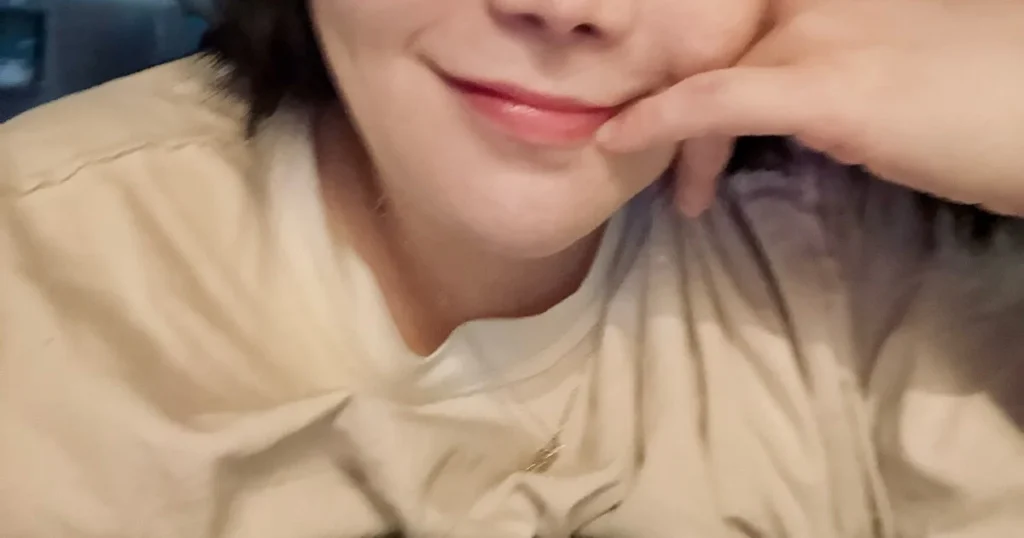
In a recent and highly publicized series of social media posts, broadcaster Amy, whose real name is Amy Lee (Lee Yoon-ji), has made startling assertions regarding her past drug-related convictions, igniting a fresh wave of public discourse and skepticism. The personality, long embroiled in legal battles and public scrutiny over drug abuse allegations that led to her deportation from South Korea, claims she was unknowingly drugged and denies being a drug addict, further asserting that her propofol use was an isolated incident, not indicative of a broader pattern. These declarations mark a significant departure from the established narrative surrounding her legal history and are poised to challenge public perception as she attempts to re-enter the public eye.
Amy’s Social Media Declaration and the Unveiling of Her Claims
On the first of the month, Amy took to her personal social media channels to announce what she described as a "new chapter" in her life. Her posts conveyed a strong sense of personal transformation and determination. "Now begins a new chapter of my life," she wrote, signaling a renewed commitment to personal growth and self-improvement. She elaborated on her current state, stating, "Now I try to smile and gather courage," and emphasized a journey of resilience: "I have picked myself up from when I was broken and am challenging everything." Her narrative of recovery extended to physical changes, as she mentioned, "I even lost weight to return to my old self. I’ve gone outside a few times, trying not to fear people and to be confident." Further underscoring her resolve, she appended an English statement: "I’m being honest to take back my life and trying to smile every day."
These posts, intended to convey a message of rehabilitation and a fresh start, quickly drew varied reactions from netizens. One particularly pointed comment directly addressed her past, questioning, "Aren’t you a drug addict? Have you quit now? Stop with the plastic surgery too." It was in response to this direct challenge that Amy made her most controversial and "shocking" claims. She unequivocally denied the accusation of being a drug addict, stating, "I’m not a drug addict. Someone spiked a coffee I unknowingly drank. I hope the day comes when I can tell the full story." This allegation, if true, would fundamentally alter the understanding of her initial drug involvement.
She further addressed the concerns about plastic surgery and dermatology, linking it to her past propofol conviction. "I stopped plastic surgery and dermatology a long time ago. I was caught for propofol once and haven’t been anywhere since," she claimed. She acknowledged the difficulty in convincing the public, adding, "I know no one will believe me even if I say no, but the truth will be revealed soon." This statement implies a forthcoming disclosure of evidence or a more comprehensive explanation, suggesting a deeper, untold story behind her highly publicized legal troubles.
A Detailed Chronology of Amy’s Legal Struggles and Public Scrutiny
Amy’s career, which began in the entertainment industry as a vibrant broadcaster, was significantly overshadowed by a series of legal issues related to drug use. Her public image, once bright, progressively dimmed with each new scandal, culminating in her forced departure from South Korea.
2012: The Initial Propofol Scandal
Amy’s first major brush with the law occurred in 2012. As a U.S. citizen operating in the Korean entertainment sphere, she was embroiled in a scandal involving the illegal use of propofol, a powerful anesthetic and sedative. Propofol, while medically legitimate, gained notoriety in South Korea due to its non-medical misuse, often for its euphoric and sedative properties. Several high-profile celebrities had previously faced legal repercussions for its abuse, highlighting the government’s stringent stance on the substance. Following a thorough investigation, Amy was found guilty of illegally administering propofol. The court handed down a sentence of eight months in prison, suspended for two years, along with two years of probation. This conviction marked a significant turning point in her career, drawing intense media attention and public condemnation. The public reaction was largely unforgiving, viewing the act as a serious breach of social trust by a public figure.
2014: Zolpidem Abuse and Deportation
Just two years after her propofol conviction, Amy again found herself in legal trouble, this time for the illegal use of zolpidem. Zolpidem is a potent sedative-hypnotic primarily used for treating insomnia, but like propofol, it carries a high risk of abuse and addiction, and its non-prescribed use is strictly regulated in South Korea. This second offense, occurring while she was still under probation for the propofol case, compounded her legal woes. She was subsequently fined for the zolpidem use. The cumulative nature of these drug-related offenses, coupled with her status as a foreign national, led to a more severe consequence: deportation. Under South Korean immigration law, foreign nationals who commit serious crimes or multiple offenses can be subject to forced departure. Amy was deported from Korea, marking an abrupt end to her professional activities in the country and a significant personal exile.
2021: Return to Korea and Subsequent Arrest
After a period of forced absence, Amy eventually returned to South Korea in 2021, following the expiration of her deportation period. Her return was met with cautious public anticipation, with some hoping for a genuine rehabilitation and a quiet reintegration into society. However, this hope was short-lived. Within approximately seven months of her return, Amy was again implicated in a drug scandal. Details surrounding this particular incident were less extensively publicized than her previous cases, but it led to another prison term. This third documented drug-related conviction further solidified her public image as a serial offender and significantly eroded any lingering public sympathy or belief in her claims of reform. She has since been released from this latest prison term.
Public and Legal Context Surrounding Drug Offenses in South Korea
South Korea maintains some of the world’s strictest anti-drug laws, reflecting a deep societal aversion to illicit substances. The nation has historically prided itself on being largely drug-free, and any deviation from this norm, particularly by public figures, is met with severe legal penalties and intense public scrutiny.
Strict Anti-Drug Laws and Enforcement: The Narcotics Control Act in South Korea is comprehensive, covering a wide range of illicit substances, including those that are legally prescribed but misused (like propofol and zolpidem). Penalties for drug offenses can range from hefty fines to lengthy prison sentences, with repeat offenders facing progressively harsher punishments. The legal system prioritizes deterrence and punishment over rehabilitation in many cases, especially for those in the public eye, whose actions are seen to set a precedent.

Celebrity Drug Scandals: The entertainment industry, in particular, has been a frequent subject of drug-related investigations. The cases of celebrities, including actors, singers, and broadcasters, who are caught using illegal drugs, often become national headlines. These incidents trigger widespread public outrage, calls for severe punishment, and often lead to career ruin, blacklisting from broadcast networks, and significant social ostracism. The public expectation for moral conduct from entertainers is exceptionally high, and drug use is viewed as a profound betrayal of that trust.
Propofol and Zolpidem Abuse: Both propofol and zolpidem are controlled substances in Korea due to their high potential for abuse. Propofol, an intravenous anesthetic, gained infamy for its non-medical use as a recreational drug, leading to several high-profile cases. Zolpidem, a powerful hypnotic, is strictly regulated, and its misuse is often associated with dependency and adverse psychological effects. The legal framework surrounding these substances is robust, requiring strict medical supervision and prescription, making any unauthorized use a serious criminal offense.
Analyzing Amy’s Claims: Legal and Public Perception Challenges
Amy’s recent claims, particularly her assertion of being unknowingly drugged and her denial of drug addiction, present significant legal and public perception challenges, especially when viewed against her documented history of convictions.
The "Spiked Coffee" Allegation: Amy’s claim that "Someone spiked a coffee I unknowingly drank" suggests a narrative of victimhood rather than intentional criminal conduct. While such incidents are not impossible, raising this defense years after multiple convictions presents considerable hurdles. Legally, the burden of proof would fall heavily on Amy to provide compelling, verifiable evidence to substantiate this claim. It is highly unusual for such a pivotal defense to emerge so long after the initial legal proceedings, especially without having been presented during her trials. This raises questions about why this crucial detail was not brought forth during the investigations and court hearings where she was ultimately convicted. From a public perception standpoint, given her multiple convictions and the seriousness of the charges, this claim is likely to be met with deep skepticism. Many will view it as an attempt to retroactively reframe her past and deflect responsibility, rather than a genuine revelation of new facts.
The Propofol Denial: Amy stated, "I was caught for propofol once and haven’t been anywhere since." This statement is problematic as it appears to contradict the established legal record. She was not merely "caught" once; she was investigated, charged, convicted, and sentenced in 2012 for illegal propofol use. Her phrasing minimizes the legal gravity of the situation and suggests a one-off error rather than a criminal offense leading to a conviction. If she means she stopped all plastic surgery and dermatology after that initial arrest, it might be plausible, but the implication that her involvement with propofol was a single, contained incident that ended immediately contradicts the fact of her subsequent zolpidem conviction and later drug-related prison term, which demonstrate a pattern of substance-related legal issues. The public will likely interpret this as an attempt to downplay the severity and recurrence of her past actions.
The "Truth Will Be Revealed Soon" Statement: This tantalizing promise implies that Amy possesses undisclosed information or evidence that could potentially exonerate her or shed new light on her past convictions. If she intends to present new evidence that was not available or considered during her previous trials, it could theoretically lead to a re-evaluation of her cases, though this would be an exceptionally rare and legally complex process, requiring compelling new facts. However, without concrete evidence, this statement risks being perceived as an empty promise or a strategy to generate sympathy and attention. The public and legal observers will undoubtedly be watching for any actual revelations she might present.
Rehabilitation Narrative vs. Documented History: Amy’s social media posts are clearly an attempt to craft a narrative of rehabilitation, resilience, and a fresh start. She highlights her efforts to smile, gather courage, challenge herself, and even lose weight. This narrative is common among public figures attempting to overcome past scandals. However, the efficacy of this narrative is severely undermined by the documented history of her multiple drug-related convictions and her past deportation. For many, the seriousness and repeated nature of her offenses will make it difficult to accept a simple narrative of personal struggle without a more profound and transparent acknowledgment of her past actions and their consequences, beyond claims of being an unwitting victim.
Potential Implications and Future Outlook
Amy’s recent declarations carry significant potential implications for her personal future, her public image, and potentially for broader public discourse surrounding celebrity accountability.
For Amy’s Career and Credibility: The immediate impact will likely be a renewed focus on her past. While her statements aim to clear her name and facilitate a return to public life, they risk further damaging her credibility if she fails to provide substantial evidence to support her claims. The entertainment industry in Korea is notoriously unforgiving of drug offenses, and any attempt to re-enter it would require an immense amount of public trust, which her current claims, without robust backing, might further erode. If she were to initiate legal action to challenge her past convictions based on new evidence, it would be a protracted and highly scrutinized process.
For Public Discourse and the Justice System: Amy’s claims, particularly the "spiked coffee" allegation, could reignite debates about the fairness of past investigations and trials, especially if she presents any credible new information. It could also fuel discussions on how society perceives celebrity rehabilitation versus punishment for drug offenses. However, without tangible evidence, her claims might simply reinforce the public’s existing skepticism regarding public figures attempting to escape responsibility for past wrongdoings. Legal experts generally note the immense difficulty in retroactively challenging convictions, particularly after multiple appeals or after significant time has passed, unless truly groundbreaking and previously unavailable evidence comes to light. The legal system places a high value on the finality of judgments, and reopening cases requires exceptional circumstances.
The Role of Social Media: This incident also highlights the complex role of social media in public figures’ attempts to reframe their narratives. While it offers a direct channel to communicate with the public, it also opens the floodgates for immediate scrutiny, skepticism, and potentially, further controversy. The "truth will be revealed soon" promise, delivered via social media, creates a high expectation that she must now meet.
In conclusion, Amy’s recent social media posts represent a bold attempt to redefine her public narrative and challenge the long-held perceptions surrounding her drug-related legal history. Her claims of being unknowingly drugged and her denial of addiction are startling and, if substantiated, would fundamentally alter the understanding of her past. However, these assertions clash sharply with the documented chronology of her multiple convictions and deportation, setting the stage for an intense period of scrutiny. The public, along with legal observers, awaits any concrete revelations or evidence that Amy has promised to disclose, as her ability to regain trust and potentially rebuild her career hinges entirely on her capacity to substantiate these extraordinary claims.
Related News