BTS, ATEEZ, and NCT WISH Achieve Significant Accolades in Japan with Multiple Platinum Certifications from RIAJ
Article Editorial Team
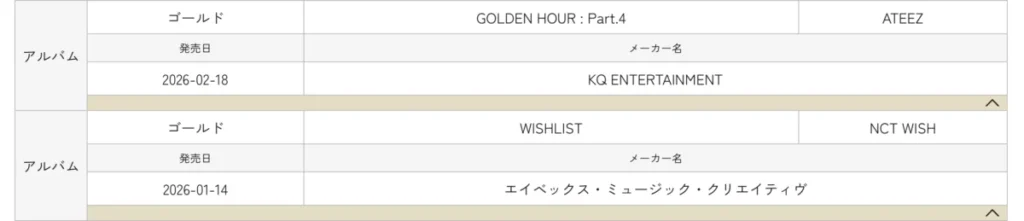
The Recording Industry Association of Japan (RIAJ) has officially recognized the substantial commercial success of K-pop titans BTS, ATEEZ, and NCT WISH with its latest round of certifications. These accolades highlight the enduring and growing appeal of South Korean music within the Japanese market, underscoring the global reach and impact of these prominent artists. BTS’s latest Korean album, "ARIRANG," has achieved the prestigious triple platinum status, signifying shipments exceeding 750,000 units in Japan. Meanwhile, ATEEZ’s recent Korean mini-album, "GOLDEN HOUR : Part.4," and NCT WISH’s Japanese mini-album, "WISHLIST," have both attained platinum certification, each surpassing 250,000 units shipped.
RIAJ Certification Milestones and Artist Achievements
The RIAJ’s certification system serves as a key indicator of music sales within Japan. According to their established thresholds, an album is awarded a gold certification upon shipping 100,000 units. This benchmark is then significantly elevated for platinum certification, which requires the shipment of 250,000 units. Achieving triple platinum status, as BTS has with "ARIRANG," represents a monumental sales figure, demanding the shipment of over 750,000 units. This latest announcement from the RIAJ confirms the robust demand for these artists’ musical offerings in one of Asia’s largest music markets.
BTS’s Triple Platinum Success with "ARIRANG"
BTS, a globally recognized phenomenon, continues to solidify its dominance in the Japanese music landscape. Their Korean album, "ARIRANG," has been officially certified triple platinum by the RIAJ, a testament to its exceptional sales performance. This achievement means that "ARIRANG" has shipped well over 750,000 copies in Japan, placing it among the most successful albums released in the territory. This latest certification adds another significant milestone to BTS’s impressive discography and their consistent track record of commercial success in Japan. The album’s popularity underscores the group’s ability to connect with a diverse international fanbase, transcending language barriers through their music and performances.
The journey of BTS in the Japanese market has been a consistent narrative of escalating success. Since their debut, the septet has steadily built a dedicated following, breaking records and achieving numerous certifications across different album and single releases. Their ability to consistently deliver high-quality music, coupled with their engaging personalities and powerful stage presence, has cultivated a loyal fanbase that actively supports their endeavors. The triple platinum certification for "ARIRANG" is not merely a sales figure; it represents the collective dedication of their Japanese ARMY, who have once again demonstrated their unwavering support for the group.

ATEEZ and NCT WISH Earn Platinum for Mini-Albums
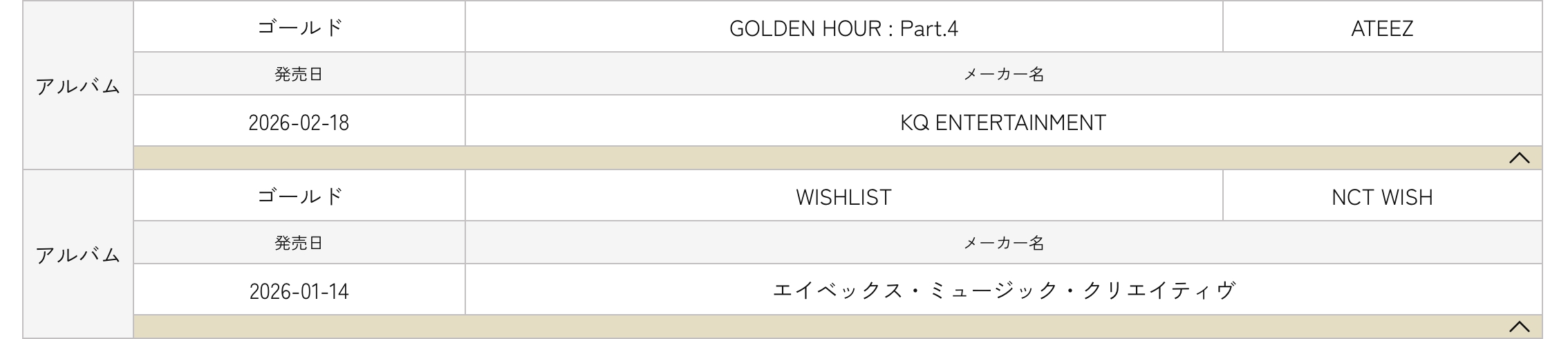
In addition to BTS’s remarkable achievement, ATEEZ and NCT WISH have also been recognized by the RIAJ for their significant sales. Both groups have secured platinum certifications for their respective mini-albums. ATEEZ’s latest Korean mini-album, "GOLDEN HOUR : Part.4," and NCT WISH’s Japanese mini-album, "WISHLIST," have each surpassed the 250,000 units shipped threshold, earning them the esteemed platinum status.
For ATEEZ, this platinum certification marks a significant accomplishment, reflecting their growing influence and dedicated fanbase in Japan. The group has been actively promoting in the Japanese market, releasing music and engaging with fans through various activities. "GOLDEN HOUR : Part.4" represents a crucial step in their career, and its success in Japan highlights their strong market presence. The album’s reception indicates a positive trajectory for ATEEZ, suggesting continued growth and potential for further achievements in the future.
NCT WISH, a unit of the larger NCT collective, has also demonstrated impressive performance with their Japanese debut mini-album, "WISHLIST." As a relatively newer entity, achieving platinum certification so early in their career is a remarkable feat. This success indicates a strong initial reception from the Japanese audience, setting a promising foundation for the group’s future endeavors in the market. Their ability to quickly capture the attention and support of Japanese fans underscores the effectiveness of their debut strategy and the appeal of their music and concept.
Background and Context of RIAJ Certifications
The RIAJ, established in 1948, is the official music industry association of Japan. It plays a crucial role in promoting and protecting the interests of music producers and rights holders. One of its key functions is the official certification of music sales, providing a standardized and authoritative measure of an album or single’s commercial success. These certifications are based on shipments to retailers, not direct sales to consumers, but they are widely accepted as the definitive indicator of market performance within Japan.
The certification levels have evolved over time, reflecting shifts in the music market and consumer purchasing habits. The current thresholds for albums are:

- Gold: 100,000 units shipped
- Platinum: 250,000 units shipped
- Double Platinum: 500,000 units shipped
- Triple Platinum: 750,000 units shipped
- Million: 1,000,000 units shipped
These certifications are highly sought after by artists and record labels, serving as tangible proof of an artist’s popularity and commercial viability in the Japanese market. For international artists, achieving these certifications is particularly noteworthy, as it signifies a deep penetration into a market known for its discerning music consumers and strong domestic artist base.
Chronology of Success and Market Penetration
The success of BTS, ATEEZ, and NCT WISH in Japan can be viewed within a broader trend of K-pop’s increasing global influence. Over the past decade, South Korean music has experienced a significant surge in popularity worldwide, with Japan consistently being one of its most vital markets.
- Early 2010s: K-pop began to gain traction in Japan, with a few pioneering groups laying the groundwork for future success.
- Mid-2010s: Groups like BTS started to build a dedicated fanbase in Japan, initially through online engagement and smaller-scale tours. Their authentic messaging and powerful performances resonated with a growing segment of the youth population.
- Late 2010s: BTS achieved major breakthroughs, earning multiple platinum and even diamond certifications for their albums and singles, solidifying their status as a top-tier act in Japan. Other K-pop groups also saw increased success, with a more diverse range of artists finding a foothold.
- Early 2020s: The K-pop wave continued to strengthen. While the COVID-19 pandemic presented challenges, artists adapted through digital content and virtual events, maintaining fan engagement. Groups like ATEEZ and newer units like NCT WISH have capitalized on the established infrastructure and fan interest cultivated by earlier acts.
- Present: The RIAJ certifications for BTS, ATEEZ, and NCT WISH in this latest announcement reflect the ongoing strength of K-pop in Japan. The fact that a seasoned group like BTS continues to achieve top-tier certifications alongside emerging powerhouses like ATEEZ and NCT WISH demonstrates the market’s sustained appetite for Korean music across different generations of artists.
The strategic release of music in both Korean and Japanese, along with tailored promotional activities, has been instrumental for many K-pop groups, including NCT WISH, in capturing the Japanese market. For groups like BTS and ATEEZ, whose primary releases are in Korean, their success in Japan underscores the universal appeal of their music and artistry.
Supporting Data and Market Analysis
The Japanese music market is one of the largest in the world, with a strong physical sales component alongside a growing digital sector. The continued success of physical albums, as indicated by the RIAJ certifications, highlights the dedication of Japanese music fans.
- Global K-pop Market Share: While specific figures for Japan can fluctuate, it consistently represents a significant portion of K-pop’s international revenue. The robust sales figures reported by the RIAJ are indicative of this.
- Physical Album Sales: Japan remains a stronghold for physical album sales compared to many Western markets. This makes certifications based on unit shipments particularly relevant and impactful.
- Artist Demographics: The success of BTS, ATEEZ, and NCT WISH spans different stages of their careers. BTS, as established global superstars, demonstrates enduring appeal. ATEEZ, having achieved significant global recognition, is now seeing that translate into major success in Japan. NCT WISH, as a newer entity, is making a powerful debut, indicating strong potential for future growth.
The implications of these certifications are multifaceted. For the artists and their respective agencies, it signifies a validation of their efforts and a strong return on investment in the Japanese market. It opens doors for further promotional activities, larger concert tours, and deeper engagement with their Japanese fanbase. For the RIAJ and the broader Japanese music industry, it underscores the vibrant and diverse nature of the market, which continues to embrace international artists.
Inferred Reactions and Industry Perspectives
While official statements from the artists or their agencies directly addressing these specific RIAJ certifications were not provided in the initial announcement, the achievements themselves are a powerful form of communication.
- From BTS and Big Hit Music (HYBE): The continued success of BTS in Japan, particularly with their Korean-language releases, would likely be met with gratitude and pride. Their agency would likely view this as a testament to the group’s global appeal and the strength of their fandom, reinforcing their strategy of prioritizing high-quality music and authentic messaging.
- From ATEEZ and KQ Entertainment: For ATEEZ, this platinum certification is a significant career milestone. Their agency would likely express immense pride in the group’s hard work and dedication, recognizing this as a key step in solidifying their presence in a major international market. It validates their efforts in building a global fanbase.
- From NCT WISH and SM Entertainment: For NCT WISH, this early success with a platinum certification on their debut Japanese mini-album is exceptionally encouraging. SM Entertainment would likely view this as a strong endorsement of the unit’s concept and potential, signaling a bright future for NCT WISH in Japan and beyond.
These certifications are not just numbers; they represent thousands of fans who have actively purchased and supported the artists’ music. This direct support from the fanbase is the driving force behind these accolades. The continued dedication of fans across different K-pop groups is a crucial factor in the genre’s sustained success in markets like Japan.
Broader Impact and Future Implications
The consistent success of K-pop artists in Japan, as exemplified by these recent RIAJ certifications, has several broader implications:
- Strengthening K-pop’s Global Footprint: Each successful certification reinforces K-pop’s status as a global cultural force, demonstrating its ability to break through linguistic and cultural barriers.
- Market Diversification for K-pop: While North America and Europe are significant markets, Japan remains a strategically important territory for revenue generation and fan engagement. The success here allows for a more diversified revenue stream for K-pop agencies.
- Influence on Future Debuts and Strategies: The success of NCT WISH with "WISHLIST" provides a blueprint for future K-pop groups targeting the Japanese market. It highlights the importance of well-crafted debut strategies, engaging concepts, and a strong understanding of local fan preferences.
- Continued Cultural Exchange: The popularity of these Korean artists in Japan fosters a positive cultural exchange, promoting mutual understanding and appreciation between the two nations.
In conclusion, the latest RIAJ certifications for BTS, ATEEZ, and NCT WISH serve as powerful indicators of K-pop’s enduring appeal and commercial strength within Japan. These achievements not only celebrate the artists’ musical contributions but also underscore the deep connection they have cultivated with their Japanese fanbases, further cementing their positions as leading figures in the global music industry.
Related News