BTS Faces Renewed Backlash as Decade-Old Video Featuring Israeli Flag Resurfaces Amid Ongoing Gaza Crisis
Article Editorial Team
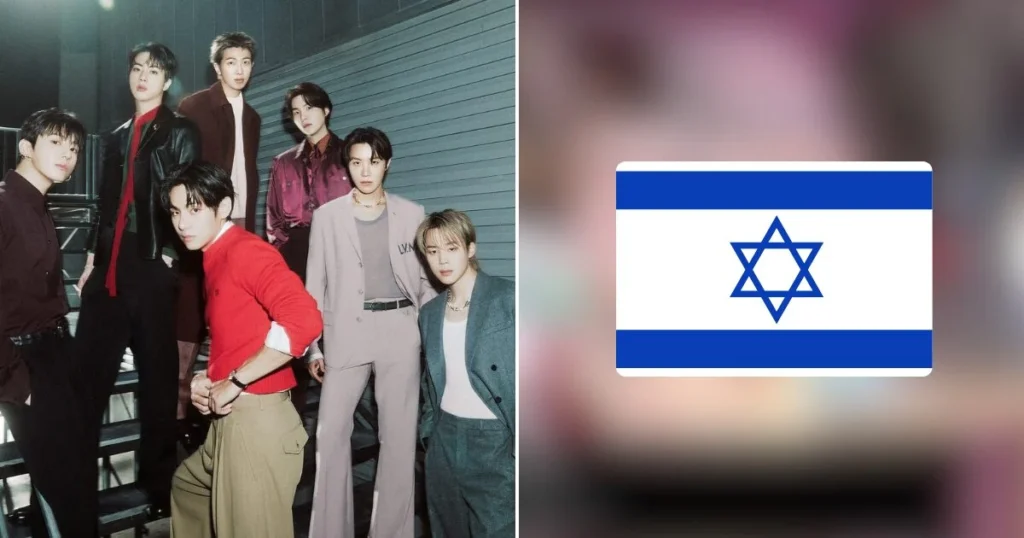
A video clip from a 2015 appearance by the globally renowned K-pop group BTS on the Mnet program After School Club has unexpectedly gone viral, sparking a fresh wave of controversy online. The resurgence of the footage, which prominently features a celebratory cake adorned with the Israeli flag, has ignited intense criticism across social media platforms. This development unfolds against the grim backdrop of the ongoing Israeli-Gaza conflict, which has deeply polarized global public opinion and intensified scrutiny on public figures and organizations perceived to have ties, however indirect, to the involved parties. The incident highlights the enduring challenges faced by international celebrities whose past actions are perpetually open to reinterpretation through the lens of current geopolitical events and evolving societal sensitivities.
The Original Broadcast: A Glimpse into BTS’s Early Days (December 22, 2015)
The clip in question dates back to December 22, 2015, when BTS, then a rising force in the K-pop industry, made an appearance on After School Club (ASC). ASC, an English-language talk show aimed at international K-pop fans, often featured interactive segments, fan engagement, and celebratory moments. During this particular episode, a cake was presented to the group, celebrating their achievements and fan support. This cake, as is common in K-pop fan culture, was likely a gift from an international fanbase or a segment orchestrated by the show’s producers to acknowledge the group’s global reach. At the time of the broadcast, BTS was gaining significant traction internationally, building the foundational fanbase that would eventually propel them to unprecedented global superstardom. Their appearance on ASC was part of their strategy to connect with their burgeoning international audience, and the overall atmosphere of the show was one of celebration and youthful exuberance, far removed from the intense political scrutiny that would later envelop the clip. The inclusion of various national flags, including the Israeli flag, on the cake was seemingly intended to represent the diverse international origins of their fanbase, a common visual trope in fan-created content signifying global support.
The Resurgence of Controversy: July 2026
Fast forward to July 30, 2026, a decade after its original airing, the specific segment featuring the cake with the Israeli flag unexpectedly recirculated on social media. An original poster (OP) highlighted the presence of the flag, drawing an immediate and direct link to the ongoing "genocide in Gaza," a term used by many to describe the protracted and devastating conflict between Israel and Hamas. The timing of the video’s re-emergence is critical, as the conflict has escalated significantly in recent years, leading to widespread calls for boycotts and divestment from entities perceived to support Israel. This intensified geopolitical climate has created an environment where even tangential associations can trigger widespread condemnation, particularly for globally influential figures like BTS. The clip quickly garnered millions of views and shares, becoming a trending topic across various platforms, especially X (formerly Twitter).
Immediate Online Reactions: Backlash and Defense
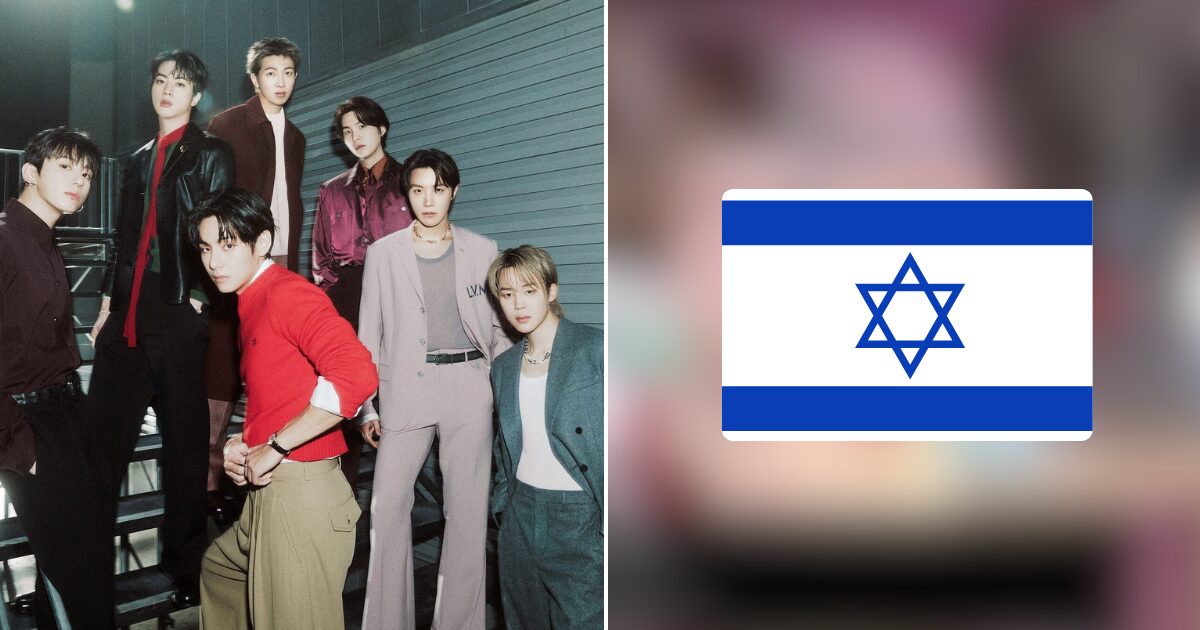
The viral video provoked a torrent of online reactions, broadly divided into two camps: condemnation and defense. Critics swiftly labeled the appearance as problematic, accusing BTS and their agency, HYBE (formerly Big Hit Entertainment), of tacitly endorsing Israel. Many netizens expressed shock and anger, questioning how such an image could have gone unnoticed for so long, or how it could have been permitted in the first place. Comments ranged from outright accusations of Zionism to broader critiques of the K-pop industry’s alleged silence or perceived complicity in geopolitical issues.
One widely shared sentiment, exemplified by a user stating, "i thought y’all were joking it’s real omg??," underscored the disbelief and anger among those seeing the clip for the first time or revisiting it with a new critical perspective. Another user lamented, "Being a man in the kpop industry is basically a superpower, men get away with so much shit is almost unbelievable, nobody realized this for a decade and it will barely make any noise now," highlighting perceived double standards within the industry. The outrage intensified with some users making direct and inflammatory accusations, such as "they are the most zionist group to ever exist in history" and calls for the group to "disband and go back to the army." These reactions reflect a deep emotional investment from fans and a growing expectation for celebrities to align themselves with specific political stances, particularly on human rights issues.
Conversely, a significant portion of BTS’s dedicated fanbase, known as ARMY, quickly mobilized to defend the group. Their primary argument centered on the fact that BTS members did not personally choose, design, or commission the cake. It was presented to them as part of a broadcast, likely a gift from a fan club or a prop provided by the show’s production team. Supporters emphasized that in such a scenario, the artists typically have no control over the specifics of fan gifts or set decorations. One fan elaborated, "That cake wasn’t made or chosen by BTS tho," while another provided more detailed context: "Since @HateCrave is spreading fake narrative of bts making/having an israeli flag on the cake let me clock it to you that bts has nth to do with that cake. On 22 dec 2015, that cake was sent by a fanbase to the after school club broadcast station and was used as a bg prop." This defense aims to shift responsibility away from the artists, framing them as passive recipients rather than active endorsers of the imagery. They highlighted the timeline, noting the event occurred long before the current intensity of the Gaza conflict, and therefore, it would be anachronistic to attribute current political significance to a 2015 prop.
The Broader Context: K-Pop, Geopolitics, and Fan Activism
This incident is not an isolated one within the K-pop sphere. In recent years, K-pop idols and their agencies have increasingly found themselves embroiled in geopolitical controversies, particularly concerning the Israel-Palestine conflict. The global reach of K-pop, coupled with the highly engaged and politically conscious nature of its international fandoms, means that artists are under constant scrutiny. Campaigns to boycott brands or artists perceived to have links to Israel have become commonplace, impacting endorsement deals and public image. Prior to this specific video’s resurgence, BTS had already faced criticism for working with brands that some activists linked to Israel, prompting similar online debates. These campaigns often draw parallels to the Boycott, Divestment, Sanctions (BDS) movement, which advocates for economic pressure on Israel to comply with international law.

The nature of K-pop’s global expansion means that artists frequently engage with diverse fanbases and international media, inadvertently exposing them to a myriad of cultural and political sensitivities. What might have been an innocuous gesture of global inclusivity a decade ago (e.g., displaying various national flags) can now be reinterpreted as a politically charged statement. This dynamic places immense pressure on agencies like HYBE to meticulously vet all aspects of their artists’ public appearances, past and present, a task made exponentially more difficult by the sheer volume of content available online.
Challenges for Global Idols: The Digital Footprint and Timeless Scrutiny
The case of the BTS After School Club clip vividly illustrates the unique challenges faced by global celebrities in the digital age. Every public appearance, every photograph, and every video clip becomes part of an immutable digital footprint that can be unearthed and recontextualized at any given moment. Unlike previous eras where past media might fade into obscurity, the internet ensures perpetual accessibility, allowing old content to be injected into new debates with often devastating consequences for an artist’s reputation.
For BTS, whose global influence spans music, fashion, and social advocacy, the stakes are particularly high. Their brand is built on messages of inclusivity, self-love, and breaking down barriers, making any association with controversial geopolitical issues a significant threat to their carefully cultivated image. The incident underscores that while an artist’s intention in a past event might have been benign or even celebratory, the reception and interpretation of that event in a future, altered political landscape can be entirely different. This phenomenon forces artists and their management to contend not only with current controversies but also with the potential for any piece of their extensive back catalogue to become a flashpoint.
Furthermore, the pressure on K-pop idols extends beyond their personal views. Their commercial success often relies on brand endorsements, which can inadvertently tie them to companies with complex global supply chains or investment portfolios that may have indirect links to politically sensitive regions. Navigating these intricate ethical landscapes while maintaining a broad, global appeal is an increasingly difficult tightrope walk.
Implications and Future Outlook
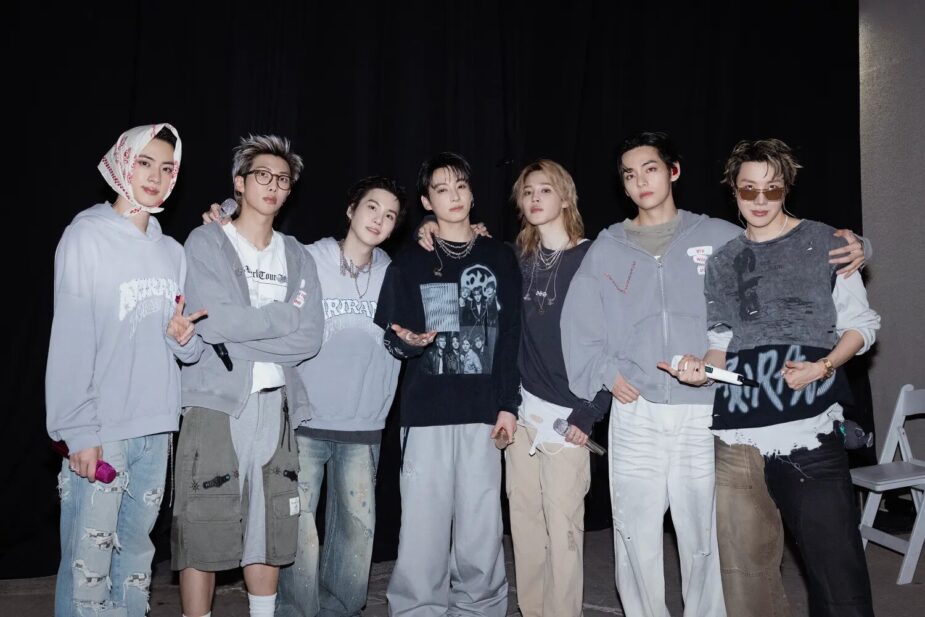
As of July 2026, neither BTS nor their agency, HYBE, has issued an official statement regarding the resurfaced After School Club video. This silence is often a deliberate strategy employed by agencies in the K-pop industry to avoid legitimizing or further fueling online controversies, especially concerning incidents from the distant past where the artists had minimal control. However, for a group as prominent as BTS, silence can also be interpreted by critics as an acknowledgment of guilt or a lack of concern for the humanitarian crisis.
The ongoing debate surrounding this decade-old clip highlights several critical implications:
- The Power of Retrospection: The incident demonstrates how digital archives allow for constant re-evaluation of public figures’ histories, subject to the moral and political frameworks of the present.
- Fanbase Dynamics: It showcases the robust and often conflicting dynamics within global fandoms, where loyalty battles with evolving ethical standards and calls for accountability.
- Industry Vigilance: K-pop agencies are increasingly compelled to undertake exhaustive audits of past content, not just for quality control but for potential political liabilities.
- The Celebrity’s Dilemma: Global celebrities face an inescapable dilemma: either remain silent on contentious issues and risk being perceived as indifferent or complicit, or take a stance and risk alienating a portion of their fanbase or political backlash.
The controversy surrounding the 2015 After School Club video is a stark reminder that in the interconnected digital world, an artist’s past is never truly past. For BTS, a group that has consistently championed positive social messages and unity, this incident serves as a complex challenge to their carefully constructed public image, forcing fans and critics alike to grapple with the nuanced interplay of historical context, artistic intent, and contemporary geopolitical realities. As the Israel-Gaza conflict continues to dominate international headlines, the scrutiny on public figures and their perceived affiliations is only likely to intensify, ensuring that even the most seemingly innocuous details from an idol’s past can ignite a global firestorm.
Related News