BTS Makes Landmark BBC Radio 1 Live Lounge Debut with Poignant Tribute and Reflections on UK Cultural Impact
Article Editorial Team
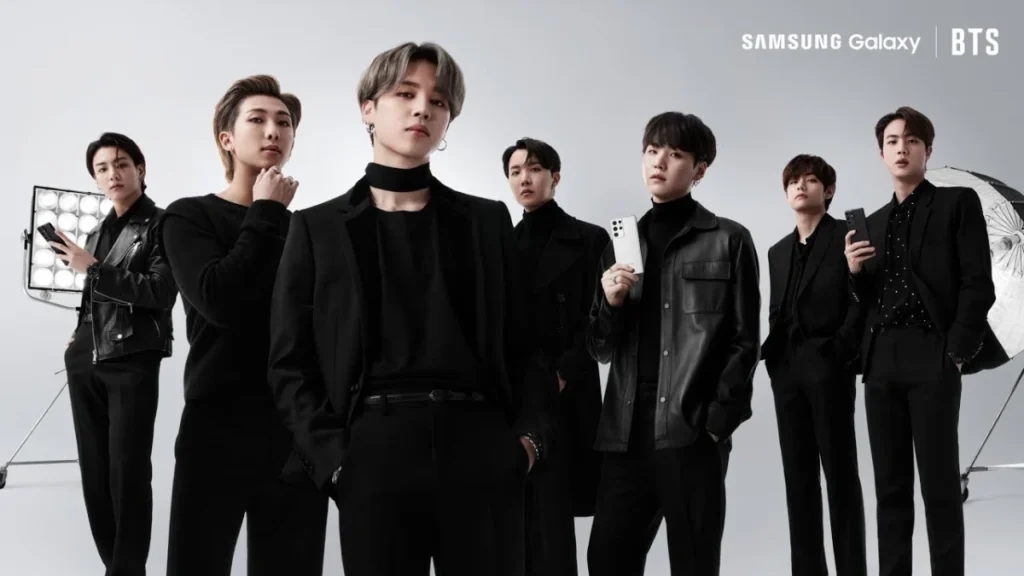
The global music landscape witnessed a significant cultural intersection on July 28, 2021, as the South Korean septet BTS made their highly anticipated debut on BBC Radio 1’s Live Lounge. This appearance marked a milestone for both the group and the prestigious British radio institution, as the ensemble delivered a meticulously crafted three-song set that showcased their vocal versatility, emotional depth, and growing affinity for British culture. The performance, which included a thoughtfully rearranged cover of a 1990s classic, served as a bridge between generations and geographies, further solidifying BTS’s position as a dominant force in the international music industry.
A Strategic Setlist: Blending Global Hits with Timeless Classics
The BBC Radio 1 Live Lounge is renowned for its intimate atmosphere and its requirement for artists to perform both their own hits and a cover version of another artist’s work. BTS approached this challenge with a strategic selection of songs that reflected their recent English-language success and their respect for musical history. The set began with "Dynamite," the group’s 2020 disco-pop anthem that shattered records globally and earned them their first Grammy nomination. This was followed by a vibrant rendition of "Permission to Dance," their then-latest release, which had been co-written by British singer-songwriter Ed Sheeran.
However, the centerpiece of the session was undoubtedly their cover of "I’ll Be Missing You," the 1997 tribute track by Puff Daddy, Faith Evans, and 112, which itself famously sampled The Police’s "Every Breath You Take." BTS’s decision to cover this specific track was interpreted by music critics and fans alike as a poignant message of hope and solidarity directed toward a global audience still grappling with the isolation of the COVID-19 pandemic. By incorporating original Korean rap verses into the song, the members—RM, Jin, Suga, J-Hope, Jimin, V, and Jungkook—recontextualized the 1990s hip-hop classic, transforming it into a contemporary anthem of longing and future reunion.
The Cultural Connection: BTS @ Radio 1 and the Adele Roberts Interview
Following the musical performances, the group engaged in an exclusive segment titled "BTS @ Radio 1," hosted by seasoned broadcaster Adele Roberts. The interview provided a rare glimpse into the members’ personal connections with the United Kingdom, moving beyond their professional achievements to discuss their individual experiences as tourists and art enthusiasts in the British capital.
V, whose real name is Kim Tae-hyung, expressed a profound enthusiasm for London’s urban landscape. Known for his appreciation of photography and classical aesthetics, V revealed that his primary ambition upon arriving in the city was to simply wander the streets of London. This desire for pedestrian exploration highlights a recurring theme for the group: the search for normalcy and artistic inspiration amidst their high-profile global tours.
Jimin echoed these sentiments, noting the visual appeal of London’s architecture and its iconic bridges. Having visited the United Kingdom with friends and family in the past, Jimin’s reflections underscored the sentimental value the city holds for the group members outside of their stadium-filling concert schedules. These personal anecdotes humanized the global icons, portraying them as young men who find genuine joy in the historical and aesthetic richness of the British Isles.
Artistic Fulfillment: RM and the National Gallery
Perhaps the most culturally significant revelation during the interview came from the group’s leader, RM (Kim Nam-joon). A well-documented aficionado of fine arts, RM shared a transformative experience at London’s National Gallery. He spoke with visible passion about viewing the works of Joseph Mallord William Turner, one of England’s most celebrated Romantic artists.
Turner, known for his masterful depictions of light, atmosphere, and the sublime power of nature, is a cornerstone of British art history. For RM, seeing Turner’s masterpieces in person was described as a "dream come true." This admission resonates with RM’s broader public persona as a patron of the arts who frequently visits museums worldwide and supports the Korean art scene. His specific interest in Turner—a painter who revolutionized the use of light—draws a parallel to BTS’s own artistic endeavors, which often focus on themes of introspection, nature, and the human condition.
Chronology of BTS’s Rising Influence in the United Kingdom
The Radio 1 Live Lounge debut is not an isolated event but rather a pinnacle in a series of strategic engagements within the UK market. To understand the significance of this broadcast, one must look at the timeline of the group’s British expansion:
- October 2018: BTS performed two sold-out nights at London’s O2 Arena as part of their "Love Yourself" world tour. Despite an injury that forced Jungkook to perform while seated, the shows were a critical success, marking their first major footprint in the UK live music scene.
- June 2019: The group achieved a historic milestone by selling out two consecutive nights at Wembley Stadium. They became the first South Korean act to headline the iconic venue, performing to over 120,000 fans. This event is often cited as a turning point in the "Hallyu" (Korean Wave) in Europe.
- 2020-2021: Despite the cancellation of their "Map of the Soul" world tour due to the pandemic, BTS maintained their UK presence through digital media and chart dominance. "Dynamite," "Butter," and "Permission to Dance" all saw significant airplay on major British networks, including BBC Radio 1 and Capital FM.
- July 2021: The Live Lounge performance and the "BTS @ Radio 1" documentary served as a formal acknowledgment of the group’s integration into the British mainstream media landscape.
Supporting Data and Market Impact
The data surrounding BTS’s UK presence confirms their status as a commercial powerhouse. According to the Official Charts Company, BTS has secured multiple top-ten singles and several number-one albums in the UK, including Map of the Soul: Persona and Map of the Soul: 7. Their collaboration with British icons Coldplay on the track "My Universe" further solidified their cross-continental appeal, debuting at high positions on the UK Official Singles Chart.
The Live Lounge performance itself generated massive digital engagement. Within hours of being uploaded to the BBC Radio 1 YouTube channel, the videos of "Dynamite," "Permission to Dance," and "I’ll Be Missing You" garnered millions of views, trending globally. This level of engagement provides the BBC with significant international reach, demonstrating the symbiotic relationship between established Western media outlets and the global K-pop phenomenon.
Official Responses and Media Analysis
The reception from the BBC and music critics was overwhelmingly positive. Adele Roberts, who has been a vocal supporter of the group for years, praised their professionalism and the emotional resonance of their "I’ll Be Missing You" cover. In a statement following the broadcast, the BBC noted that the session was one of the most anticipated in the history of the Live Lounge, highlighting the group’s ability to draw a diverse, international audience to British public service broadcasting.
Industry analysts suggest that BTS’s success in the UK is a result of their "omnichannel" approach to stardom. By combining high-quality musical production with personal storytelling (as seen in the Adele Roberts interview) and a deep respect for the host country’s culture (as seen in RM’s visit to the National Gallery), BTS has managed to bypass the traditional barriers of language and geography. They are not merely "foreign" artists visiting the UK; they are global citizens participating in a shared cultural dialogue.
Broader Implications for the Global Music Industry
The success of BTS’s Radio 1 debut has broader implications for the music industry at large. It signals a shift away from the "Eurocentric" model of pop stardom, where success in the US and UK was once the only metric of global relevance. Instead, BTS has proven that an artist can maintain their cultural identity and language while achieving total integration into the Western media machine.
Furthermore, the group’s upcoming full album, scheduled for release in the autumn of 2021, is expected to build on this momentum. With "Permission to Dance" serving as a bridge to this new era, the music industry is closely watching how BTS will continue to evolve. Their ability to transition from high-energy pop performances to the stripped-back, vocal-centric environment of the Live Lounge demonstrates a level of musical maturity that challenges the "boy band" stereotypes often projected onto them.
Conclusion: A Legacy of Cultural Exchange
As BTS continues to break records and redefine the parameters of global pop music, their BBC Radio 1 Live Lounge debut will be remembered as a definitive moment of cultural exchange. By celebrating the streets of London, the art of J.M.W. Turner, and the legacy of 1990s hip-hop, the group showcased a multifaceted identity that resonates with a globalized audience.
The appearance was more than a promotional stop for their latest single; it was a testament to the power of music to bridge divides. As fans await the group’s next full-length project, the echoes of their "I’ll Be Missing You" tribute serve as a reminder of the group’s core message: that even in times of separation, music remains a universal language that brings the world closer together. With their eyes set on the future and their feet firmly planted in the history of the cities they visit, BTS remains a singular force in the modern cultural zeitgeist.
Related News