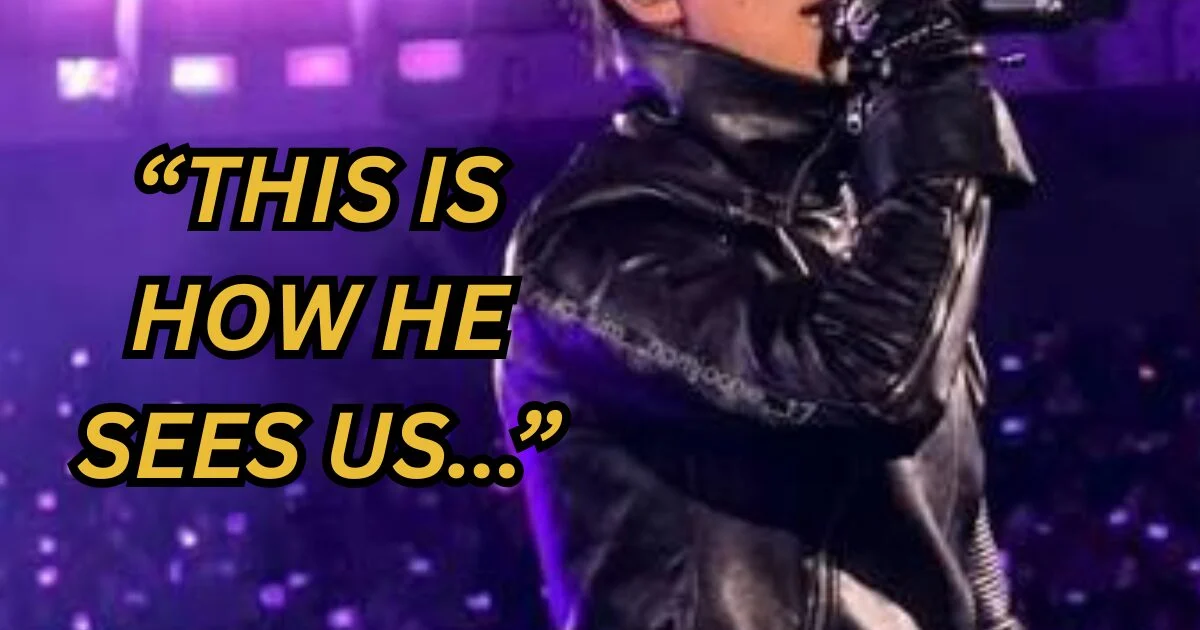
The global music landscape witnessed a complex intersection of performance and controversy on August 23, 2026, as BTS leader RM, born Kim Nam-joon, became the center of a burgeoning social media firestorm. The incident occurred during the Toronto leg of the group’s highly anticipated ARIRANG World Tour, held at the Rogers Stadium. While the concert was initially celebrated as a triumph of resilience against inclement weather, a specific lyrical ad-lib during the performance of the hit track "Mic Drop" has reignited a debate regarding the group’s associations and their responsiveness to their global fanbase, known as ARMY.
The Toronto Performance: Resilience Amid Extreme Weather
The Rogers Stadium in Toronto, Ontario, was the site of a sold-out spectacle that drew tens of thousands of fans from across North America. Despite the onset of heavy rains and what local meteorological reports described as extreme weather conditions, the stadium remained at full capacity. BTS, known for their high-energy choreography and intricate stage productions, delivered a three-hour set that many fans initially described as one of the tour’s highlights.
The ARIRANG World Tour marks a significant era for BTS, representing their continued dominance in the global stadium circuit following their return to full-group activities. The Toronto show was intended to be a celebration of this milestone. However, the atmosphere shifted among certain segments of the digital fandom following a specific segment of the show. During the interlude of "Mic Drop"—a song historically rooted in the group’s defiance against critics and "haters"—RM addressed the crowd with the lines: “Haters gonna hate, players gonna play, what more can I say.”
While these lyrics are a staple of the track’s original 2017 release and its subsequent remixes, the timing and delivery of the lines were perceived by a significant portion of the audience as a pointed response to recent criticisms.
Chronology of the Controversy: From Social Media to the Stage
To understand the intensity of the backlash in Toronto, it is necessary to examine the events of the preceding weeks. The current friction between RM and a subset of the ARMY fandom stems from social media activity involving RM and fellow member J-Hope.
In early August 2026, social media posts surfaced showing RM and J-Hope in the company of American R&B artist Chris Brown. The association immediately drew sharp criticism from fans who cited Brown’s extensive and well-documented history of domestic violence and legal issues, beginning with his 2009 assault of Rihanna and continuing through various allegations over the following decade.
The timeline of the escalation is as follows:
- Early August 2026: RM and J-Hope are seen in social media updates that suggest a professional or social rendezvous with Chris Brown.
- August 10–20, 2026: The hashtag #ARMYsAgainstAbusers begins to trend globally on X (formerly Twitter) and TikTok. Fans utilize these platforms to express disappointment, citing BTS’s long-standing partnership with UNICEF and their "Love Myself" campaign as being fundamentally at odds with an association with Brown.
- August 21, 2026: Large-scale fan accounts publish open letters calling for a statement or clarification from HYBE (the group’s management) and the members involved.
- August 23, 2026: During the Toronto concert, RM delivers the "Mic Drop" interlude. Within minutes, clips of the performance go viral, with fans interpreting the "what more can I say" line as a dismissive stance toward their ethical concerns.
Fan Sentiment and the Demand for Accountability
The reaction to RM’s words has been deeply polarized. On one side of the spectrum, many fans argue that RM was simply performing a scripted part of a world-famous song and that interpreting it as a "diss" toward the fandom is a reach. These supporters emphasize that "Mic Drop" has always been an anthem of confidence and that the lyrics should be taken at face value within the context of the performance.
Conversely, a vocal and organized segment of the fandom views the choice to emphasize those specific lyrics during a period of high tension as a deliberate act of deflection. For these fans, the issue is not about "hating" but about "accountability."
"Realize it’s not your haters speaking; it’s ARMY who are doing exactly what you told us to," wrote one fan on X, referencing the group’s previous messages of social justice and self-respect. Others noted that the phrase "what more can I say" felt particularly stinging because the members had, in fact, said nothing regarding the Chris Brown controversy since it began. The silence from HYBE and the individual members has created a vacuum that fans are now filling with their own interpretations of on-stage gestures.
Supporting Data: The Power of the "ARMY" as a Social Force
The backlash is significant because of the unique nature of the BTS fandom. Unlike traditional music fanbases, ARMY has a history of organized social and political activism. According to data from various fan-led research projects, the BTS fandom has raised millions of dollars for causes ranging from Black Lives Matter to environmental conservation and violence prevention.

Because the group’s brand is so intrinsically tied to the "Love Myself" message and their 2018 speech at the United Nations, the standards to which they are held by their audience are exceptionally high. A 2025 consumer sentiment study indicated that 78% of BTS fans feel that the group’s ethical stance is "very important" to their continued support. Therefore, when the group or individual members appear to align with figures who have histories of violence, the perceived "brand betrayal" is more acute than it might be for other pop icons.
Broader Industry Implications and the "Idol" Paradox
The situation highlights a growing tension in the K-pop industry between creative autonomy and the expectations of a global, socially conscious audience. As K-pop idols transition into "global superstars," they often seek collaborations and associations within the Western music industry. However, the Western industry operates under different PR paradigms than the highly curated world of South Korean entertainment.
Collaborating with or showing support for controversial figures like Chris Brown is a common occurrence in the U.S. music scene, where "separating the art from the artist" is a frequent, albeit debated, defense. In the context of K-pop, however, the "Idol" is often marketed as a moral exemplar. This "Idol Paradox" makes any perceived moral lapse a potential crisis for the artist’s entire brand identity.
Industry analysts suggest that the "Mic Drop" incident in Toronto may represent a shift in how BTS chooses to handle criticism. Historically, the group has been known for their humility and direct communication with fans via platforms like Weverse. If RM’s comments were indeed intentional, it could signal a more defensive posture as the group navigates the complexities of their mature career and global influence.
Official Responses and Potential Outcomes
As of the morning of August 24, 2026, neither BIGHIT MUSIC nor RM has issued an official statement regarding the Toronto performance or the Chris Brown controversy. Traditionally, HYBE has remained silent on matters of personal social associations unless they involve legal disputes. However, the sustained nature of this particular backlash—now spanning several weeks and manifesting in live concert environments—may force a change in strategy.
The ARIRANG World Tour is scheduled to continue through North America before heading to Europe and Asia. If the dissatisfaction among the fandom continues to grow, it could impact merchandise sales, fan-led streaming projects, and the overall narrative of the tour.
The "Mic Drop" interlude in Toronto serves as a reminder of the power of words—both those spoken and those left unsaid. For a group that built its empire on the foundation of "communication" and "sincerity," the current disconnect with a significant portion of their fanbase represents a critical juncture in their relationship with the public. Whether RM’s words were a scripted performance or a subtle commentary, the result has been a deepening of the rift between an artist asserting his independence and a fandom demanding adherence to the values that brought them together in the first place.
Conclusion: A Turning Point for BTS?
The events at Rogers Stadium have left the ARMY community at a crossroads. While the majority of concert-goers left the venue exhilarated by the musical performance, the digital discourse continues to be dominated by questions of ethics and the responsibilities of global icons.
The "Haters gonna hate" sentiment, while effective against traditional detractors, may not be the appropriate tool for addressing a fanbase that views its criticism as an act of "tough love" and ethical consistency. As the ARIRANG World Tour moves forward, the industry will be watching closely to see if BTS addresses these concerns directly or continues to let their music—and their interludes—speak for them. In the high-stakes world of global pop, where reputation is as valuable as talent, the way RM and BTS navigate this period of scrutiny will likely define their legacy for years to come.