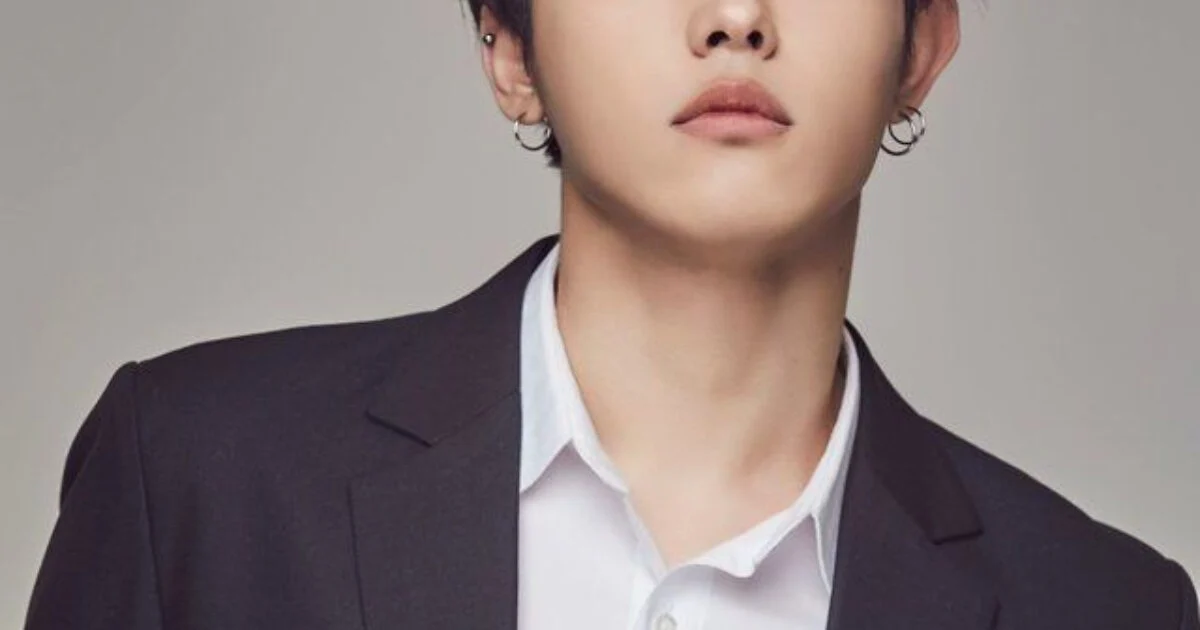
In a rare and direct move, U-Kwon, a member of the veteran K-Pop group Block B, has publicly apologized for a past interaction at a fan sign event that a fan recently described as "traumatic." The incident, which occurred approximately 12 years ago, resurfaced through an Instagram reel posted by the fan, quickly gaining viral traction and reigniting discussions about idol behavior and fan interactions within the K-Pop industry. U-Kwon’s unreserved apology, delivered directly in the comments section of the fan’s viral post, has drawn significant attention, prompting both appreciation for his accountability and renewed conversations about the long-term impact of celebrity actions on their fanbase.
The Lingering Echo of a Fan Sign: A 12-Year-Old Trauma Resurfaces
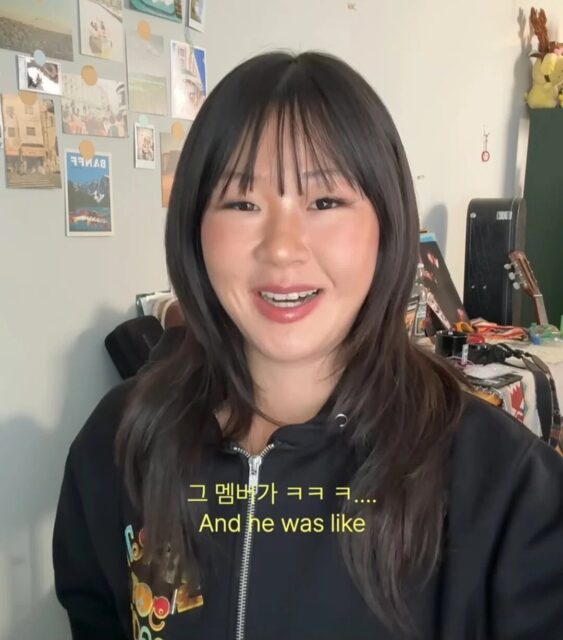
The controversy began when a fan, identified as "OP" (Original Poster), shared her experience from a Block B fan sign event held roughly a decade ago. In her viral Instagram reel, she detailed attending the event when she was just 15 years old. At the time, K-Pop fan signs often involved a more intimate setup where fans would write questions on post-it notes, which idols would then answer and sign. This format allowed for a degree of personal interaction, but also, as this incident highlights, carried the potential for deeply impactful exchanges.
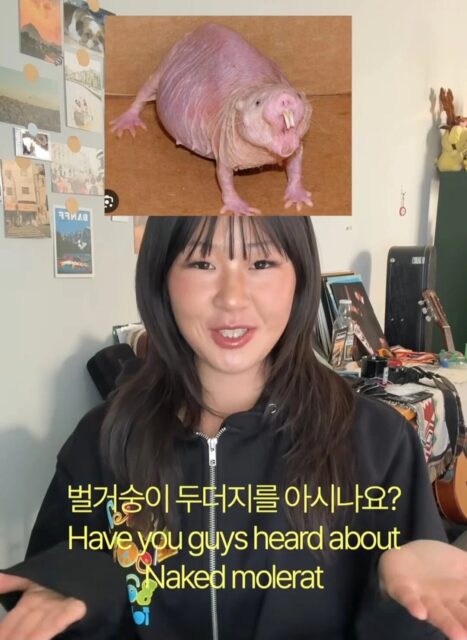
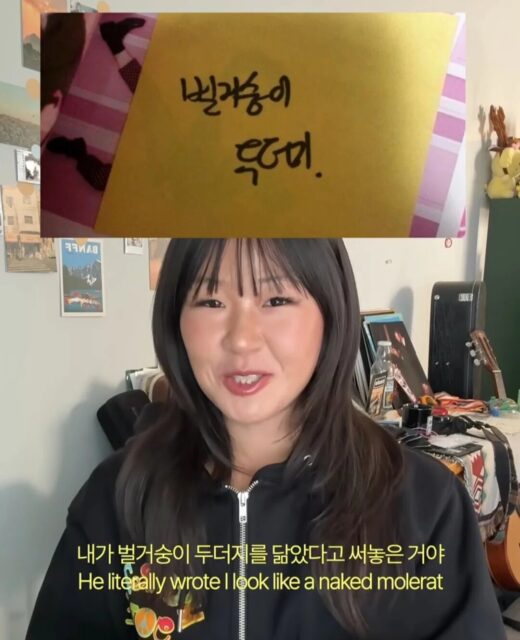
The fan recounted approaching U-Kwon, who, while not her ultimate bias within Block B, was still a member she wished to interact with. She posed a seemingly innocuous question on her post-it note: "What animal do I look like?" Expecting a cute, flattering, or at least neutral response typical of such events, she was met with an answer that left a lasting negative impression. U-Kwon allegedly wrote back, identifying her resemblance to a "naked mole-rat." This comment, delivered to a young, impressionable fan, was far from the lighthearted interaction she anticipated.
"He literally wrote that I look like a naked mole-rat," the fan stated in her reel, recalling the sting of the moment. While she clarified that she wasn’t deeply "hurt" because U-Kwon wasn’t her bias, she emphasized the lasting impact of the remark, particularly given her age at the time. "He was a bit too rude for saying that to a 15-year-old. So he basically wrote a hate comment on my post-it," she concluded, underscoring the perceived unprofessionalism and insensitivity of the comment. The physical evidence of the post-it note, preserved over the years, served as a tangible testament to her memory, lending undeniable credibility to her story as it circulated online.
A Glimpse into Early K-Pop Fan Culture and Block B’s Trajectory
To fully contextualize this event, it’s important to understand the K-Pop landscape around 12 years ago. Block B, having debuted in 2011, was in its early to mid-career phase during the period suggested by the fan’s timeline (roughly 2012-2014). This era was characterized by the burgeoning global expansion of K-Pop, but also by a slightly less scrutinized environment regarding idol conduct compared to today’s hyper-connected, social media-driven world. Fan signs were crucial direct engagement points, fostering loyalty and allowing idols to connect personally with their supporters. The post-it note system, while quaint by today’s standards, was a standard feature, offering a unique opportunity for fans to ask questions and receive personalized replies.

Block B itself, known for its distinct hip-hop influenced sound and often rebellious image, carved out a unique niche. While their music gained popularity, the group and individual members sometimes faced scrutiny for their outspokenness or perceived controversial stances, which occasionally translated into their interactions. The fan’s recollection of U-Kwon being "known for his rude attitude to fans" during that period aligns with some historical narratives and public perceptions, suggesting that this particular incident was not entirely isolated from broader discussions about his persona at the time. This background provides crucial context for understanding why the fan’s experience, while deeply personal, also resonated with a segment of the online community familiar with the group’s past image.
The Power of Social Media: Accountability in the Digital Age
The resurgence of this 12-year-old incident highlights the transformative power of social media in contemporary society, particularly within the entertainment industry. The fan’s Instagram reel, a concise yet impactful visual and narrative recounting, bypassed traditional media gatekeepers and directly reached a vast audience. Its virality demonstrates how personal testimonies, amplified by algorithms and shared across platforms, can reignite dormant controversies and compel public figures to address past actions.
The comments section of the fan’s reel quickly became a forum for collective memory and shared experiences. Many netizens chimed in, corroborating the fan’s account of U-Kwon’s perceived "bad personality" or "rude attitude" at fan signs from that era. These collective recollections underscored a pattern of behavior that, while perhaps not widely publicized at the time, left a significant impression on numerous fans. This phenomenon of collective memory, facilitated by social media, creates an undeniable pressure for accountability, as the sheer volume of similar stories can transform an individual complaint into a broader narrative of concern. The digital space thus acts as a perpetual archive, where past actions can resurface at any moment, demanding contemporary responses.
U-Kwon’s Unreserved Apology: A Step Towards Reconciliation
Amidst the growing discussion, U-Kwon himself made an unexpected and significant appearance. Directly commenting on the fan’s Instagram reel, he offered a succinct yet impactful apology: "No excuses needed, I am sorry…" This direct engagement, bypassing official agency statements or carefully crafted social media posts, was lauded by many as a genuine act of accountability. In an industry often criticized for its tendency to deflect or offer vague apologies, U-Kwon’s straightforward admission of fault stood out.
The nature of his apology – "No excuses needed" – indicated a clear understanding of the fan’s perspective and a willingness to accept responsibility without attempting to justify or mitigate his past behavior. This approach is often seen as more sincere and effective in resolving public grievances. For the fan, and for many observing netizens, this direct and unreserved apology likely provided a sense of validation and closure, acknowledging the validity of her long-held feelings. It marked a stark contrast to his past image, suggesting personal growth and a deeper understanding of the impact of his words and actions.
The timing of the apology is also noteworthy. Coming 12 years after the incident, it demonstrates that the passage of time does not necessarily diminish the significance of past interactions, especially for those who experienced them negatively. It also reflects a cultural shift where public figures are increasingly expected to confront their past mistakes, even those from a distant era, particularly when they resurface in the public consciousness.
Industry-Wide Implications: Evolving Idol-Fan Dynamics
U-Kwon’s apology and the viral incident itself carry broader implications for the K-Pop industry regarding idol-fan dynamics and reputation management. The K-Pop landscape has evolved significantly over the past decade. Fan expectations regarding idol conduct, professionalism, and genuine interaction have risen. While once a certain level of "sarcasm" or "playfulness" might have been tolerated or even seen as part of an idol’s charm, the line between playful banter and hurtful remarks has become much clearer, especially in an era of heightened awareness regarding mental health and respectful communication.
This incident serves as a potent reminder for idols and their agencies about the enduring impact of seemingly minor interactions. A comment made in jest or thoughtlessly, particularly to a young fan, can leave a lasting psychological imprint that resurfaces years later. It underscores the immense power dynamic inherent in idol-fan relationships, where the idol’s words carry disproportionate weight.
Furthermore, the episode highlights the ongoing challenge of reputation management in the digital age. Past behaviors, once confined to a limited audience or quickly forgotten, can now be easily unearthed and disseminated globally. This necessitates a proactive approach to maintaining a positive public image, including addressing past missteps with sincerity and transparency. For agencies, it means not only training idols in performance but also in effective and empathetic communication, recognizing the long-term ramifications of their public persona.
The Path Forward: Growth, Redemption, and Public Perception
U-Kwon’s apology opens a pathway for a broader conversation about growth and redemption within the K-Pop industry. While his past behavior at fan signs may have been criticized, his willingness to directly address the issue and apologize years later demonstrates maturity and a commitment to accountability. This act could potentially shift public perception, allowing for a narrative of personal development rather than simply condemnation of past actions.
The incident also serves as a case study in the delicate balance between an idol’s personal freedom and their public responsibilities. While idols are human and prone to error, their platform demands a higher degree of consideration and empathy, especially when interacting with their dedicated fanbase. The fan’s original post wasn’t necessarily intended to "cancel" U-Kwon but rather to share a personal experience that resonated with many. His response, therefore, wasn’t forced by a scandal of overwhelming proportions but rather by a personal narrative gaining traction, highlighting the power of individual stories in shaping public discourse.
Ultimately, this situation underscores the evolving nature of celebrity and public accountability. In an era where authenticity is highly valued, U-Kwon’s direct and unreserved apology stands as a significant moment, offering a glimpse into how K-Pop idols and the industry as a whole are adapting to new demands for transparency and empathy in their interactions with the very fans who support their careers. The long-term effects on U-Kwon’s image and Block B’s legacy will depend on sustained positive engagement and a continued commitment to respectful fan interactions.