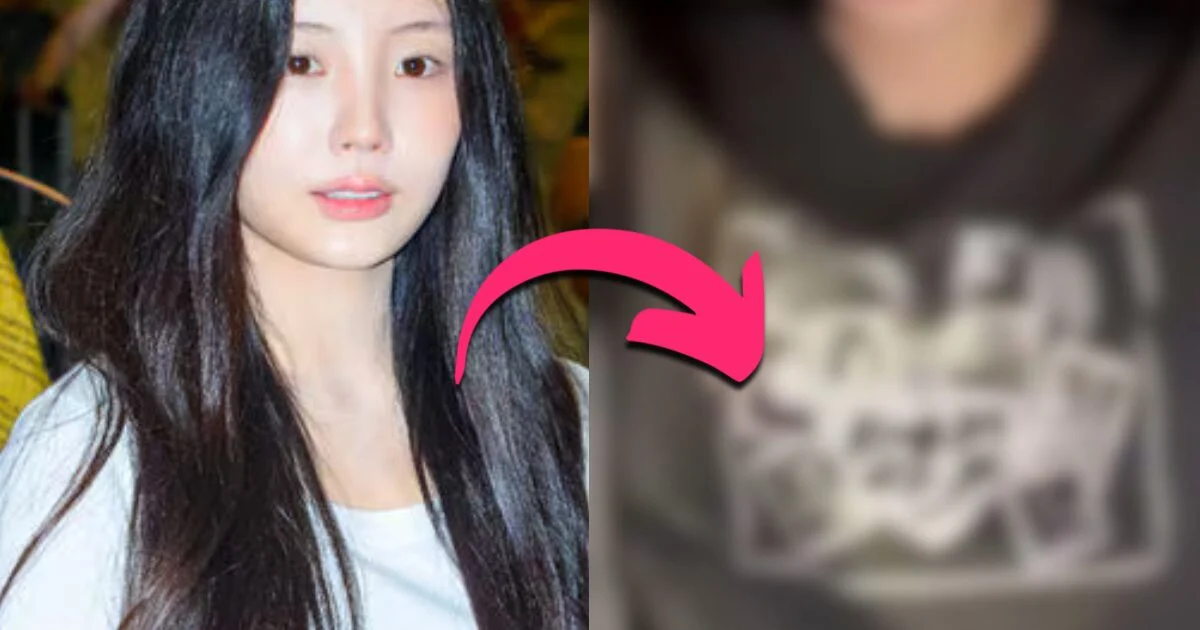
The South Korean entertainment industry is currently navigating a complex discourse regarding cultural sensitivity and fashion choices following the emergence of images featuring Wonhee, a member of the girl group ILLIT, wearing apparel adorned with controversial historical imagery. On August 16, 2026, social media platforms became the staging ground for a heated debate after netizens identified a T-shirt worn by the young idol which allegedly featured the likeness of a Nazi soldier. The incident has not only placed Wonhee under intense scrutiny but has also reignited discussions regarding the responsibility of stylists and the historical awareness of major entertainment conglomerates like HYBE.
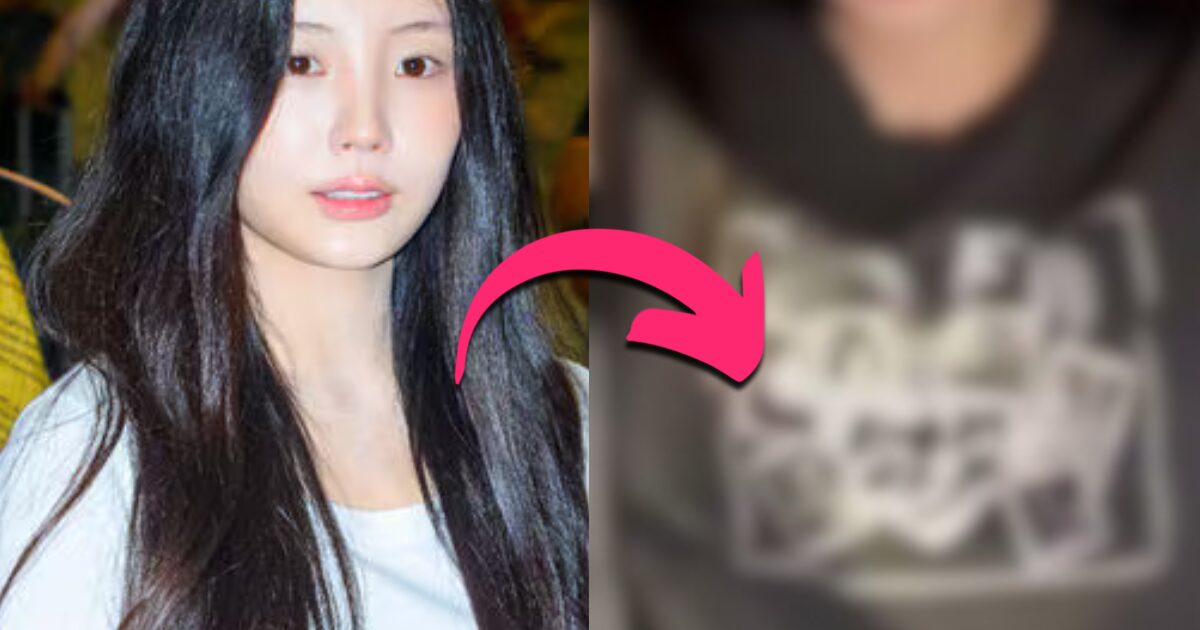
The controversy began when a series of screenshots and video clips from a previous social media appearance by Wonhee began circulating on X (formerly Twitter) and various online communities. In the visuals, the singer is seen wearing a black graphic T-shirt. Sharp-eyed observers quickly pointed out that the central image on the shirt appeared to be a photograph of a soldier from the Third Reich. The discovery triggered an immediate and polarized reaction; while some users expressed profound disappointment and called for an apology, others sought to provide context regarding the garment’s origin and the designer’s intent.
As the topic trended globally, the scope of the controversy expanded when social media users unearthed older images of Ni-ki, a member of the boy group ENHYPEN, sporting the exact same garment. Because both ILLIT and ENHYPEN operate under sub-labels of HYBE—Belift Lab and HYBE Labels respectively—the coincidence led to allegations of a systemic lack of oversight within the company’s styling departments. Critics argued that the repeated use of such provocative imagery suggests a failure in the vetting process for artist wardrobes, particularly for groups with significant international followings.
The Aesthetic of Provocation: Enfants Riches Déprimés
At the heart of the technical defense for the idols is the brand behind the T-shirt: Enfants Riches Déprimés (ERD). Founded in 2012 by designer Henri Alexander Levy, the label—whose name translates from French as "Depressed Rich Kids"—is well-known in high-fashion circles for its "neo-punk" aesthetic and its deliberate use of taboo, offensive, and nihilistic imagery. ERD garments are sold at luxury price points and are often intended to shock or subvert traditional social norms.
Supporters of the artists were quick to point out that Levy, the designer, is of Jewish heritage. In various interviews throughout his career, Levy has explained that his use of controversial symbols, including Nazi iconography, is a method of deconstruction. The artistic argument posits that by placing these symbols in a commercial, punk-rock context, the designer is attempting to strip them of their original power and "recontextualize" the horror into a form of transgressive art.
However, this nuance has done little to quell the anger of the general public. Many argue that regardless of the designer’s intent or ethnic background, the visual impact of Nazi imagery remains a source of trauma and a symbol of hate that has no place in the mainstream pop culture industry. The debate essentially pits "artistic expression" against "social responsibility," a conflict that K-pop has faced multiple times over the last decade.
A Chronology of the Social Media Storm
The timeline of the event illustrates how quickly cultural controversies can scale in the digital age.
- August 16, 2026 (Morning): A popular K-pop commentary account on X posts a high-resolution crop of Wonhee’s T-shirt, questioning the nature of the graphic. The post garners thousands of retweets within hours.
- August 16, 2026 (Midday): The discourse shifts as netizens compare the image to historical archives, confirming the likeness to World War II-era German military uniforms. Simultaneously, images of ENHYPEN’s Ni-ki wearing the same shirt in a professional photoshoot resurface.
- August 16, 2026 (Evening): The "Enfants Riches Déprimés" connection is established by fashion enthusiasts. A "fact-check" movement begins among fans (fandoms of ILLIT and ENHYPEN) to shield the idols from personal blame, shifting the focus to the brand’s Jewish founder and the "artistic" nature of the clothes.
- August 17, 2026: International news outlets and Korean forums pick up the story, leading to a broader discussion on whether "punk" subversion translates appropriately into the highly polished and corporate world of K-pop.
The Role of the Stylist in the K-Pop Industrial Complex
A recurring theme in the defense of Wonhee and Ni-ki is the lack of autonomy K-pop idols typically have over their public appearance. In the South Korean idol system, "visual directors" and professional stylists (often referred to as codi) are responsible for selecting every item of clothing for broadcasts, music videos, and official social media content.
Industry insiders suggest that idols, particularly those who are younger or newly debuted like Wonhee, are rarely in a position to question the choices of their styling team. For a professional photoshoot or a scheduled video, garments are often provided by sponsors or curated to fit a specific "concept" determined by the label. Consequently, the consensus among many fans and critics alike is that the accountability should lie with HYBE’s management and the specific stylists who cleared the garment for use.
"It is highly improbable that a teenage idol would recognize specific niche military photography from the 1940s while in a dressing room," noted one cultural critic on a popular Korean forum. "The failure is one of gatekeeping. A multi-billion dollar corporation should have a protocol to ensure that their global ambassadors are not wearing symbols of genocide."
Historical Context and Previous Precedents
This is not the first time the K-pop industry has faced backlash over the use of insensitive historical symbols. The industry has a documented history of "aestheticizing" controversial imagery without fully grasping the global implications.
In 2018, BTS faced significant international pressure after a member was seen wearing a hat featuring a Nazi-style symbol and another member wore a T-shirt depicting the atomic bombing of Japan. HYBE (then Big Hit Entertainment) eventually issued a formal, extensive apology and reached out to Jewish human rights organizations to express their regret. Similarly, in 2021, Sowon, a former member of the group GFriend, apologized after posting photos posing with a mannequin dressed in a Nazi-era military uniform at a cafe.
These recurring incidents suggest a cultural gap in historical education and sensitivity training within the Korean entertainment sector. While South Korean society is acutely sensitive to symbols associated with Japanese imperialism—such as the Rising Sun flag—there is often a perceived lack of equivalent weight given to the symbols of the European Holocaust. Conversely, Western audiences are often criticized for not understanding the weight of Asian historical traumas. As K-pop continues to dominate the global market, the demand for "universal cultural literacy" among its creators has never been higher.

Implications for Global Branding
The controversy comes at a delicate time for ILLIT, a group that has seen meteoric success since their debut but has also been mired in various industry-wide disputes involving label management and creative direction. For HYBE, the incident represents a PR challenge that transcends simple fashion choices.
The use of Enfants Riches Déprimés, a brand that prides itself on being "elitist, nihilistic, and expensive," contradicts the often wholesome and "relatable" image that K-pop groups like ILLIT project to their younger fanbases. If the brand’s goal is to be "depressed and rich," it raises questions about why such a cynical aesthetic is being mapped onto young idols whose primary audience includes children and teenagers.
Furthermore, the financial implications are significant. K-pop groups rely heavily on luxury brand ambassadorships. Associations with hate symbols, even if argued as "ironic" or "artistic," can jeopardize contracts with major fashion houses like Chanel, Dior, or Prada, who are often wary of any proximity to political or historical controversy.
Conclusion and Future Outlook
As of the current reporting, HYBE and Belift Lab have not released an official statement regarding the specific wardrobe choices for Wonhee and Ni-ki. However, the online discourse continues to serve as a cautionary tale for the industry. The "Wonhee Nazi Shirt" incident, as it has been dubbed by social media, highlights a growing pains phase for K-pop. As the genre moves from a regional phenomenon to a global standard, the scrutiny on its visual language will only intensify.
The consensus among experts is that the industry requires a more robust system of "cultural vetting." This would involve not only checking for offensive text or symbols but also understanding the historical weight of the "edgy" high-fashion brands they choose to feature. For now, the debate remains a stark reminder that in the interconnected world of modern pop culture, a single T-shirt can spark a conversation that spans continents, history, and the very ethics of art itself.