
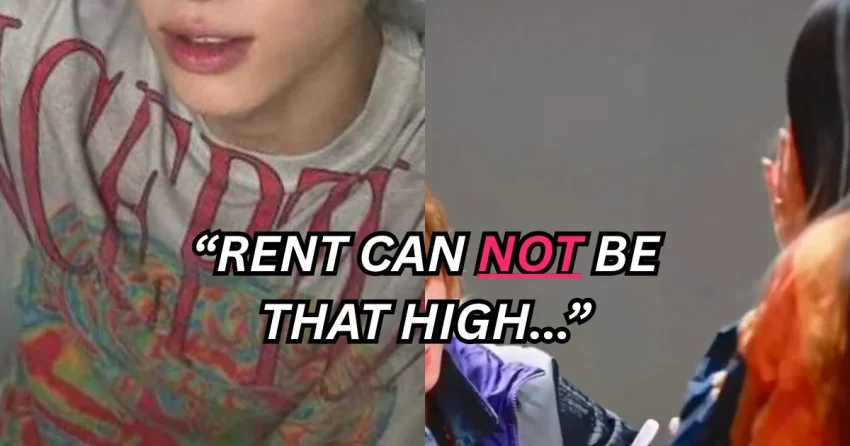
The landscape of K-pop fan engagement has undergone a significant transformation in recent years, reaching a new milestone in public discourse following a viral interaction involving Martin, a prominent member of the fifth-generation boy group CORTIS. The incident, which occurred during a recent physical fansign event, has ignited a widespread debate among netizens, industry analysts, and the global K-pop community regarding the boundaries of fan service and the evolving expectations placed upon modern idols. As the clip continues to circulate across social media platforms, it serves as a case study for the high-intensity parasocial marketing strategies that have come to define the fifth generation of the Korean music industry.
The Incident: A Detailed Chronology of the Interaction
On July 21, 2026, a video began circulating on X (formerly Twitter) and TikTok featuring Martin, a member of the BigHit Music group CORTIS, engaging in a highly personalized conversation with a fan. The footage, captured by a fan known as Billy (the original poster or "OP"), depicts a moment that many observers have described as unusually intimate even by the standards of modern K-pop fansigns.
The interaction began when the fan, who appears to be a frequent attendee of CORTIS events, approached Martin at the signing table. The fan opened the conversation by asking about Martin’s recent activities, stating, "Long time no see! What have you been doing recently?" Rather than providing a standard update on his schedule or rehearsals, Martin chose to pivot the conversation toward a more personal and emotive direction.
Addressing the fan by name, Martin responded, "First of all, Billy, I miss you. And… um… I’ve been thinking about you a lot." The dialogue did not stop there. As he continued to sign the album, Martin maintained eye contact and added, "You know… your eyes are so beautiful, so… I gotta see you again." The clip concludes with the fan visibly moved, a reaction that has been mirrored by thousands of viewers online. Within 24 hours of its upload, the video garnered millions of views and thousands of retweets, becoming a trending topic within the global Hallyu sphere.
Contextualizing the Fansign Culture in the Fifth Generation
To understand the weight of this interaction, it is necessary to examine the current state of the K-pop industry. CORTIS, as a fifth-generation group, operates in an environment where the competition for fan loyalty is fiercer than ever. Unlike previous generations where idol-fan boundaries were more rigidly maintained, the current era emphasizes "boyfriend" or "best friend" personas to foster deep emotional connections.
Fansign events are the pinnacle of this marketing strategy. To attend these events, fans typically purchase hundreds, sometimes thousands, of albums to increase their chances in a lottery-based system. This "pay-to-play" model creates a high-stakes environment where fans expect high-quality, personalized interactions in exchange for their financial investment. Martin’s behavior, while perceived by some as flirtatious, is seen by industry insiders as a masterclass in "fan retention." By acknowledging a fan by name and expressing a specific desire to see them again, an idol transforms a commercial transaction into a memorable personal experience.
Analysis of Public and Fan Reactions
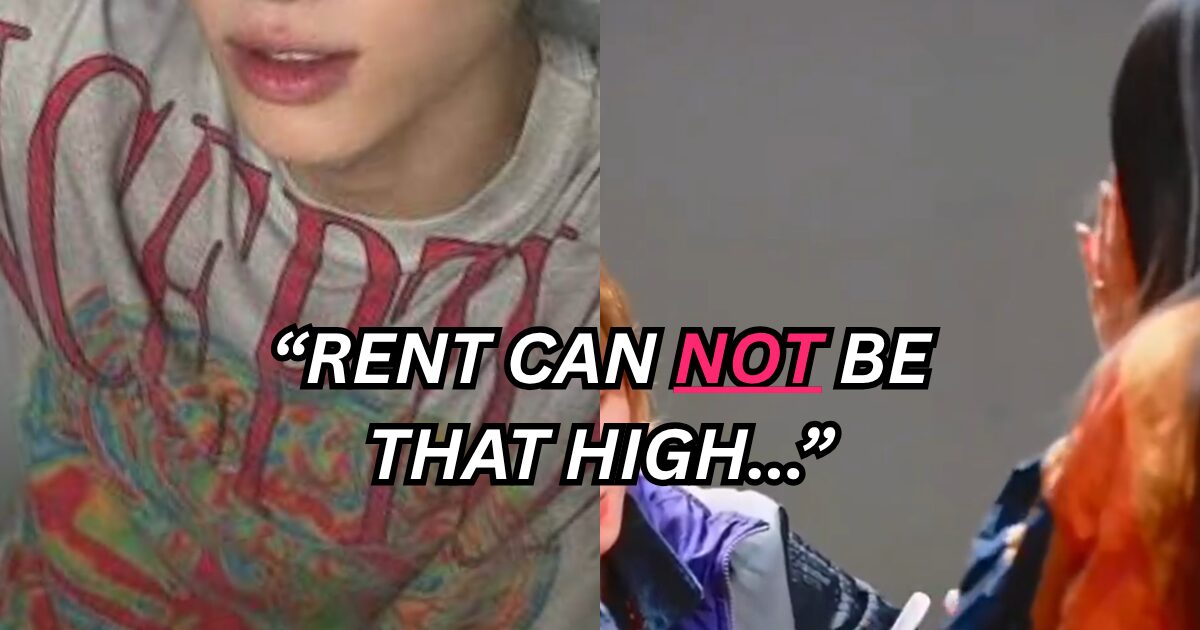
The reaction to Martin’s viral clip has been multifaceted, ranging from humorous approval to critical concern. A significant portion of the fandom has reacted with humor, utilizing memes to process the intensity of the idol’s words. One viral comment noted, "Rent can NOT be that high," suggesting that Martin was working exceptionally hard to ensure the group’s financial success and continued popularity. Other fans jokingly referred to him as "BigHit’s best employee," praising his dedication to the "fan service" aspect of his job.
However, a more serious segment of the discussion focuses on the psychological impact of such interactions. Some netizens expressed that if they were in the fan’s position, the encounter would leave them in a state of "delusion" (often referred to as "delulu" in fan culture), making it difficult to separate the idol’s professional persona from reality. This highlights the double-edged sword of parasocial relationships: while they drive album sales and brand loyalty, they can also lead to unhealthy obsessions or unrealistic expectations of the idol’s personal life.
The comments from various social media users illustrate this divide:
- Pro-Fan Service: "The way I wouldn’t care if it was fan service, I would be crazy after this," wrote one user, acknowledging that while the words might be part of a persona, the emotional impact remains potent.
- The Skeptical View: Others questioned if the intensity was "too much," with one observer stating, "They didn’t say you had to do all that with the fan service," implying that the idol might be overextending himself to meet the demands of the current market.
The Economics of the "Boyfriend Idol" Persona
From a business perspective, the strategy employed by Martin and, by extension, BigHit Music, is highly effective. In an era where streaming numbers can be manipulated and digital content is ubiquitous, the only truly scarce resource is the idol’s time and personal attention. By mastering the art of the "romantic" fansign, Martin is positioning himself as a top-tier "stan attractor."
Supporting data from recent K-pop market reports suggests that groups whose members engage in high-intensity fan service see a 20-30% higher retention rate in fan club memberships and a more consistent performance in physical album sales across multiple comeback cycles. For a fifth-generation group like CORTIS, establishing this kind of "core" loyalist base is essential for long-term sustainability in an overcrowded market.
Furthermore, the "viral" nature of the clip serves as free marketing. Every time a fan shares a video of a "flirtatious" interaction, it reaches potential new fans who may be drawn to the group because of the perceived accessibility and kindness of the members. This creates a cycle where the idol is incentivized to push the boundaries of traditional fan service to maintain momentum and visibility.
Implications for the Industry and Idol Well-being
While the immediate impact of the viral clip is positive for CORTIS’s brand, the broader implications for the industry warrant a fact-based analysis. The pressure to perform "intimacy" on demand can be taxing for young idols. Martin’s interaction, while seemingly effortless, is a form of emotional labor. When idols are expected to remember names, comment on physical features, and express "longing" for hundreds of fans in a single session, the risk of burnout increases.

Moreover, there is the risk of "fan entitlement." When an idol sets a precedent for highly personal interactions, fans may become frustrated or upset if subsequent encounters do not meet the same level of intensity. This can lead to a "service arms race" where idols feel compelled to act increasingly intimate to satisfy a demanding audience, potentially blurring the lines of professional conduct and personal comfort.
Official Responses and the Stance of BigHit Music
As of the time of writing, BigHit Music has not issued a formal statement regarding the viral clip. This is consistent with the industry standard, where agencies typically allow fan-captured content to circulate organically unless it violates privacy or safety protocols. However, the agency’s strategic direction for CORTIS appears to lean heavily into the "global boyfriend" archetype, a move that aligns with the group’s visual branding and lyrical themes.
Internal sources suggest that idols in major agencies receive "media and fan interaction training" to handle these events. Martin’s ability to navigate the conversation—using the fan’s name and maintaining a gentle, attentive demeanor—suggests a high level of professional training designed to maximize the efficacy of the fansign format.
Conclusion: The Future of Fan Engagement
The viral incident involving CORTIS’s Martin is more than just a fleeting social media moment; it is a reflection of the changing dynamics of the Hallyu wave in 2026. As the line between "artist" and "companion" continues to thin, the K-pop industry must navigate the delicate balance between commercial success and the ethical management of parasocial bonds.
For Martin and CORTIS, the interaction has undoubtedly solidified their reputation as a group that prioritizes their supporters. For the wider industry, it serves as a benchmark for the level of dedication required to thrive in the fifth generation. Whether this trend toward hyper-personalized fan service is sustainable remains to be seen, but for now, it continues to be the primary engine driving the global K-pop phenomenon. As fans like Billy continue to share these moments, the digital world will remain a space where the boundaries of celebrity and fan are constantly redefined, one "beautiful eyes" comment at a time.