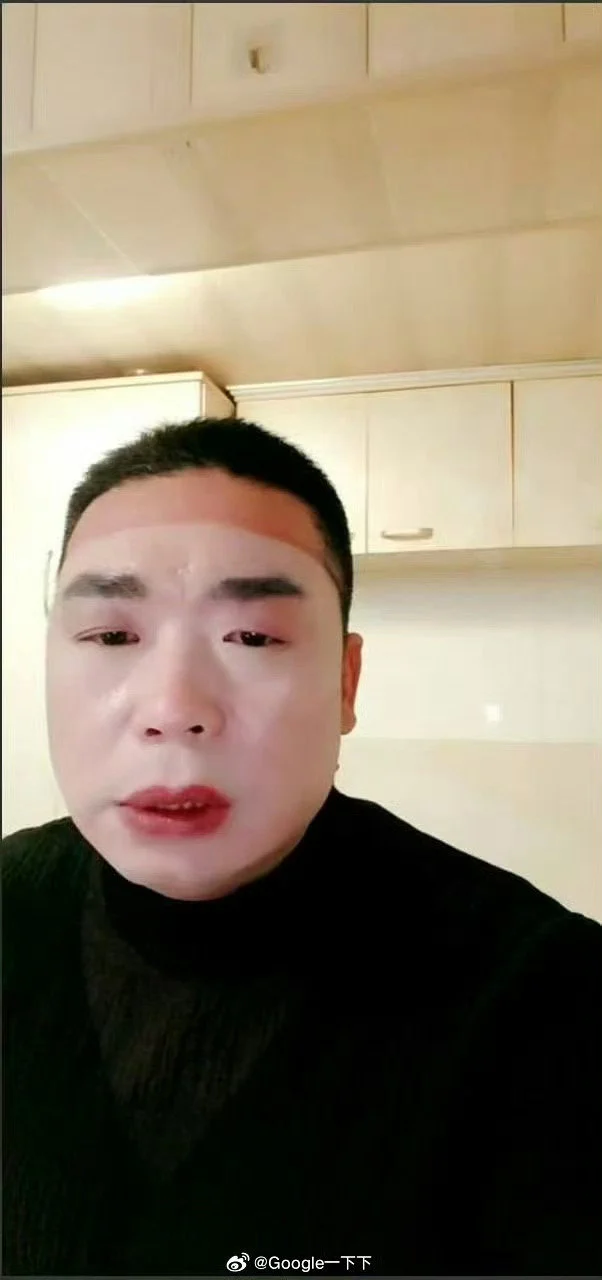
The legal and social complexities surrounding Mr. Jiao, widely known by his internet monikers "Uncle Red" and "Red Sister," have once again captured public attention following a recent sighting over a year after his initial arrest. The 38-year-old individual, whose case sparked widespread debate across Chinese social media in 2025, is facing charges related to the alleged dissemination of obscene material and potentially the knowing transmission of sexually transmitted infections (STIs). His resurfacing in a distant city, coupled with a lack of public updates on his ongoing legal proceedings, has reignited discussions about privacy, deception, public health, and the intricate legal landscape governing such cases in China.
The Genesis of the "Uncle Red" Phenomenon
The saga of "Uncle Red" first gained prominence on July 5, 2025, when authorities in Nanjing, China, announced the arrest of a man identified only by his surname, Jiao. The initial police statement, widely reported by mainland media outlets, detailed allegations that Jiao had installed hidden cameras in his residence. These devices were reportedly used to secretly film sexual encounters with numerous male visitors, whom he allegedly engaged with while presenting himself as a woman. The sheer volume of alleged encounters – reportedly exceeding 1,600 – quickly propelled the story into the viral sphere, making "Uncle Red" a household name and a subject of intense online scrutiny.
The initial reports highlighted the deceptive nature of Jiao’s alleged activities, focusing on the misrepresentation of his gender identity to his sexual partners. This aspect alone raised significant ethical and legal questions regarding consent, especially when one party’s identity is concealed or misrepresented in such a fundamental way. Beyond the moral implications, the legal framework in China quickly came into focus, particularly concerning the charges of spreading obscene material and the more severe potential charge of knowingly transmitting STIs.

A Detailed Chronology of Events
The timeline of Mr. Jiao’s case, while marked by significant periods of public silence, traces a path from initial allegations to his current, enigmatic legal status.
- July 5, 2025: Nanjing police officially announce the arrest of Mr. Jiao, 38, on charges of spreading obscene material. Media reports simultaneously break the story of his alleged activities, including the use of hidden cameras and the purported deception of over 1,600 male partners. The nicknames "Uncle Red" and "Red Sister" quickly become synonymous with the case on Chinese social media platforms like Weibo and WeChat.
- Mid-2025 to Early 2026: Following the initial media explosion, public discourse intensifies. Discussions range from outrage over the alleged deception and privacy violations to concerns about public health, given the potential for STI transmission. Legal experts and commentators weigh in on the specific charges and potential penalties under Chinese law. During this period, details about Jiao’s background, including his consistent cross-dressing and the duration of his alleged activities, begin to emerge through various online channels, though official updates remain scarce.
- Late 2025 – Mid-2026: The case largely recedes from immediate public view. While legal proceedings are presumed to be underway, no significant official announcements regarding court dates, verdicts, or sentencing are made public. This period of silence leads to speculation and a gradual fading of the story from mainstream headlines, though it continues to be referenced in online communities discussing crime and social ethics.
- August 2026: Over a year after his arrest, an online netizen reports spotting Mr. Jiao in a department store in Guangzhou, a major metropolitan city approximately 1,080 kilometers (670 miles) south of Nanjing. The sighting reportedly involved Jiao trying on women’s clothing, suggesting a continued adherence to his established public persona or personal expression. This unexpected reappearance reignites public interest and questions about his legal status and whereabouts. The significant distance from his arrest location in Nanjing sparks further speculation about his current residence and whether his legal constraints allow for such travel.
The absence of official updates since his arrest has created a void of information, leaving the public to piece together the narrative from scattered reports and anecdotal sightings.
Legal Ramifications and Supporting Data
Mr. Jiao’s case implicates several key areas of Chinese criminal law, each carrying significant penalties.
Spreading Obscene Material: Under Chinese law, the dissemination of obscene material is a criminal offense. Article 363 of the Criminal Law of the People’s Republic of China, pertaining to the production, dissemination, sale, or rental of obscene materials, generally carries a sentence of up to two years in prison for minor offenses. If the circumstances are serious, or the volume of material is substantial, the penalties can increase significantly, potentially reaching up to ten years or more. Given the alleged scale of Jiao’s filming activities and the reported number of partners, the "serious circumstances" clause could be invoked. The use of hidden cameras further complicates this, adding an element of privacy invasion that could be considered an aggravating factor.

Knowing Transmission of STIs/STDs: This charge carries a far more severe punishment. Article 360 of China’s Criminal Law addresses the intentional spread of infectious diseases. While not explicitly naming STIs, judicial interpretations and precedents often extend this to diseases like HIV/AIDS and other serious STIs, especially if the perpetrator is aware of their condition and knowingly exposes others without their informed consent. The punishment for such an offense typically ranges from three to ten years in prison. In cases where the transmission leads to severe health consequences or death, the penalties can be even harsher. The original article mentions "knowing transmission," suggesting that authorities might have evidence or allegations that Jiao was aware of an STI status and failed to disclose it or took measures to prevent transmission. This particular charge underscores the public health dimension of the case and its potential for severe social impact.
Consent and Deception: While not a standalone criminal charge in the same way as obscenity or STI transmission, the element of deception concerning Jiao’s gender identity is central to the ethical and potentially legal interpretation of consent. In many jurisdictions, including China, consent for sexual acts is generally understood to be valid only if it is free, informed, and enthusiastic. Misrepresentation of identity, especially regarding fundamental aspects like gender, can vitiate consent. While the direct legal framework for "sexual deception" is less explicit than for other crimes, it could be considered an aggravating factor in other charges or could lead to civil lawsuits from alleged victims. The public outrage largely stemmed from this perceived betrayal and lack of informed consent.
Broader Impact and Implications
The "Uncle Red" case transcends a simple criminal prosecution, igniting complex discussions across various societal strata in China.
Public Health Concerns: The potential for widespread STI transmission among a large number of partners is a significant public health concern. Such cases highlight the importance of open communication about sexual health, regular testing, and safe sex practices. Public health authorities often face challenges in contact tracing and risk assessment in situations involving anonymous or deceptive encounters. The case serves as a stark reminder of the social responsibility individuals bear regarding their sexual health and the health of their partners.

Privacy and Digital Ethics: The use of hidden cameras and the subsequent alleged dissemination of intimate footage raise profound questions about privacy in the digital age. In China, strict regulations exist regarding personal data and privacy, and unauthorized filming and distribution of private content are serious offenses. The case underscores the vulnerability of individuals to digital surveillance and exploitation, prompting calls for greater awareness and stronger enforcement mechanisms. It also brings to the fore the ethical responsibilities of individuals in maintaining the privacy of others, even in situations where deception may have occurred.
Societal Views on Gender Identity and Sexuality: The case inadvertently sparked conversations, both online and offline, about gender identity, cross-dressing, and sexuality in a society that is generally conservative regarding these topics. While Jiao’s alleged actions were criminal, the fact of his cross-dressing and the alleged deception forced many to confront preconceptions and understandings of gender roles and sexual attraction. For individuals who identify as straight, discovering they had been intimate with someone presenting as a different gender than their biological sex can lead to significant psychological distress and questions about their own identity, regardless of the legality of Jiao’s actions.
Legal Precedents and Enforcement: The outcome of Mr. Jiao’s legal battle could set important precedents for future cases involving similar combinations of deception, privacy invasion, and public health risks. The legal system will need to carefully navigate the complexities of consent in cases of misrepresentation, the definition and scope of "obscene material" in the context of personal sexual acts, and the thresholds for proving "knowing transmission" of STIs. The public’s keen interest in the case’s resolution indicates a desire for clarity and justice in these emerging areas of law.
Official Responses and Public Discourse
While specific, detailed official statements from Nanjing police or judicial bodies have been limited since the initial arrest, general responses and broader public discourse can be inferred.
Law Enforcement and Judiciary: Authorities would undoubtedly emphasize the seriousness of the alleged offenses, particularly the privacy violations inherent in secret filming and the public health risks associated with potential STI transmission. The prolonged legal process suggests a thorough investigation is underway, likely involving digital forensics to analyze the alleged obscene materials and medical assessments to ascertain any STI-related aspects. The judiciary’s role will be to ensure due process while upholding the law, balancing the rights of the accused with the safety and well-being of the community.
Public Health Agencies: Public health officials would likely reiterate general warnings about safe sexual practices, the importance of knowing one’s partner’s health status, and the dangers of unprotected sex. They might use the general context of such cases to advocate for increased public health education and access to STI testing and treatment, without directly commenting on the specifics of an ongoing legal matter.
Online Reactions: The public reaction on social media has been multifaceted. Initial outrage focused on the alleged deception, the violation of trust, and the privacy breaches. There were expressions of sympathy for the alleged victims and calls for severe punishment for Mr. Jiao. As the case progressed and details became scarce, some discussions shifted to the broader implications for privacy rights and public health. The recent sighting in Guangzhou has revitalized these discussions, with many netizens expressing surprise and questioning why the legal process appears to be so opaque and prolonged. The distance Jiao traveled has also fueled speculation about whether he has been released, is out on bail, or has completed a portion of his sentence.
The Road Ahead
The reappearance of Mr. Jiao, "Uncle Red," in Guangzhou brings his complex legal situation back into the spotlight. Without official confirmation regarding the status of his legal proceedings, his current situation remains ambiguous. Whether he has been released, is awaiting further trial, or has completed a sentence is unknown to the wider public. The case continues to serve as a compelling example of the intricate challenges posed by alleged deceptive practices in personal relationships, the pervasive issues of digital privacy, and the critical importance of public health awareness in an interconnected society. The ultimate resolution of Mr. Jiao’s legal battle will undoubtedly be watched closely, not just for the specifics of his fate, but for the broader precedents it may establish and the ongoing societal dialogue it continues to provoke in China.