Cultural Diplomacy and Technological Nationalism The Significance of North Koreas Arirang Smartphone and the Shared Heritage of the Korean Peninsula
Article Editorial Team
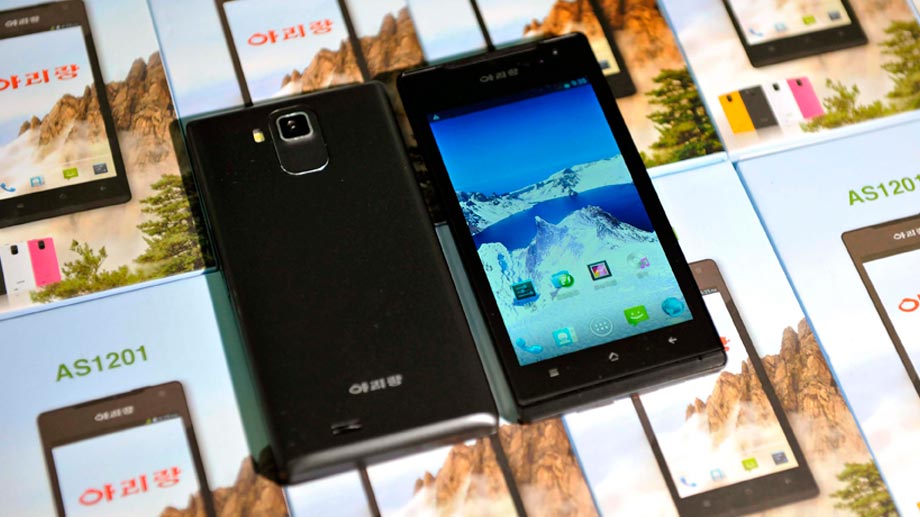
The unveiling of the Arirang smartphone by North Korean state media marks a significant intersection of modern information technology and deep-seated nationalist sentiment on the Korean peninsula. Named after the iconic folk song that serves as an unofficial anthem for Koreans on both sides of the 38th parallel, the device represents more than just a foray into the mobile market; it is a calculated move to assert domestic technological capability amidst a climate of heightened military and diplomatic tension. While the hardware itself has been met with skepticism by international tech analysts, the branding of the device offers a profound look into the socio-cultural fabric of East Asia and the enduring power of shared cultural symbols in a region defined by division.
The Arirang Smartphone and North Koreas Technological Aspirations
In August 2013, the Korean Central News Agency (KCNA) released a series of photographs and reports detailing a visit by North Korean leader Kim Jong-un to the "May 11 Factory." During this visit, the leader provided "field guidance" for the production of the country’s first domestic smartphone, the Arirang AS1201. According to official state reports, the device was praised for its high pixels and its "convenient" touch screen, with Kim Jong-un emphasizing the importance of mass-producing goods with "North Korean brands" to instill national pride.
Despite the celebratory tone of the state media, international observers and technology experts have noted that the Arirang smartphone appears to be a rebranded version of the Uniscope U70, a budget Android device manufactured in China. Analysts suggest that the components were likely produced in China and shipped to Pyongyang for final assembly or simply for packaging and software localization. This strategy allows the North Korean government to project an image of self-reliance (Juche) and modern sophistication to its domestic audience while bypassing the immense R&D costs associated with developing original mobile hardware.
The timing of the Arirang’s release coincided with a period of intense regional friction. In early 2013, North Korea conducted its third underground nuclear test, leading to a new round of United Nations sanctions and a temporary closure of the Kaesong Industrial Complex, a rare symbol of North-South cooperation. Within this context, the Arirang smartphone serves as a soft-power tool intended to demonstrate that the North can remain competitive in the digital age despite international isolation.
The Cultural Weight of Arirang
The choice of the name "Arirang" is a deliberate appeal to a pan-Korean identity. While the official national anthem of South Korea is "Aegukga" (The Song of Love for Country)—a formal, Western-influenced orchestral piece—it is "Arirang" that functions as the true emotional heart of the Korean people. The song is so central to the Korean identity that in 2012, South Korea successfully petitioned for its inclusion on the UNESCO List of the Intangible Cultural Heritage of Humanity. North Korea followed suit, registering its own version of the song with UNESCO in 2014, highlighting that the song is one of the few cultural assets claimed with equal fervor by both regimes.
Musically, "Arirang" is a simple folk song based on a pentatonic scale, making it easy to sing and adapt. Its lyrics generally describe a protagonist crossing the "Arirang Pass," often interpreted as a metaphor for overcoming hardship or the sorrow of parting with a lover. However, the song’s lack of a specific historical origin—with estimates of its birth ranging from the Silla Dynasty (57 BCE – 935 CE) to the late Joseon Dynasty—has allowed it to evolve into a "national archive" of Korean emotion.
Historical Chronology and the Rise of Resistance
To understand why a smartphone named after a folk song carries such weight, one must examine the chronology of the Korean peninsula in the 20th century.
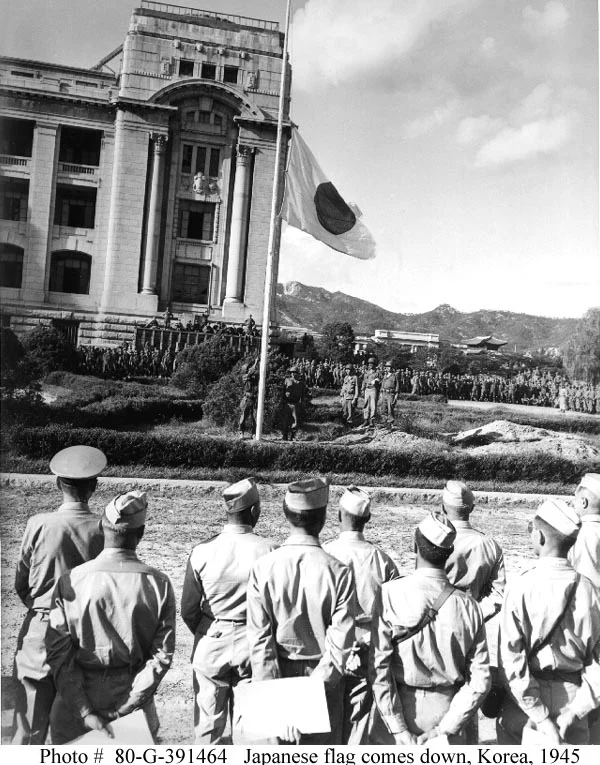
- 1910–1945: The Japanese Colonial Period. The unified Korean peninsula was annexed by the Empire of Japan. This era was marked by the suppression of Korean culture and the forced mobilization of labor. It was during this period that "Arirang" transformed from a local folk tune into a nationalist anthem. The 1926 silent film Arirang, written, directed, and starred in by Na Woon-gyu, used the song to subtly protest Japanese oppression. The film was a massive success, and the song became a coded message of resistance.
- 1931: Cultural Appropriation in Mainland Japan. Paradoxically, as "Arirang" became a symbol of Korean resistance, it also became a major pop hit in Japan. Japanese audiences were drawn to the song’s perceived melancholy, which they associated with a "simpler, rustic past." This began a complex history of cultural exchange where the colonizer embraced the art of the colonized, albeit through a lens of romanticized exoticism.
- 1945–1953: Liberation and Division. Following Japan’s defeat in World War II, the peninsula was divided into Soviet and American zones, eventually leading to the Korean War. The war solidified the border at the 38th parallel, but "Arirang" remained a constant on both sides, used by both militaries to boost morale.
- 2000s–Present: The Digital and Pop Culture Era. In the 21st century, the rivalry has shifted toward economic and cultural spheres. South Korea’s "Hallyu" (Korean Wave) has seen K-pop and K-dramas dominate global markets, including Japan and, clandestinely, North Korea.
Data and Economic Context: The Tech Rivalry
The release of the Arirang smartphone must also be viewed through the lens of the intense economic competition between South Korea and Japan. For decades, Japanese firms like Sony, Panasonic, and Sharp dominated the global electronics industry. However, the rise of South Korean conglomerates (Chaebols) such as Samsung and LG has shifted the balance of power.
By 2013, Samsung had overtaken Sony as the world’s leading smartphone manufacturer. This economic triumph is a source of immense national pride for South Koreans and a point of envy and emulation for the North. By introducing the Arirang phone, the North Korean leadership is attempting to signal that it, too, can participate in this "Koreanized" technological success, even if its actual manufacturing capabilities remain limited compared to its southern neighbor.

In North Korea, mobile phone usage has seen a surprising uptick despite strict state controls. Data from Orascom Telecom, the Egyptian company that helped build North Korea’s Koryolink network, indicated that by 2013, there were over two million mobile subscribers in the country. While these phones are restricted from accessing the global internet and are limited to the domestic "Kwangmyong" intranet, the demand for mobile technology among the North Korean elite and the growing merchant class (Donju) is undeniable.
Official Responses and International Skepticism
The international reaction to the Arirang smartphone has been largely dismissive regarding its technical merits, but analytical regarding its political intent.
US-based tech analysts from the blog North Korea Tech pointed out that the lack of footage showing actual assembly-line manufacturing—rather than workers simply inspecting finished products—suggests the phones were imported. The Japanese media, meanwhile, has viewed the development with a mix of curiosity and caution, noting that North Korea’s push for domestic tech often precedes shifts in its internal propaganda regarding self-sufficiency.
South Korean officials have generally refrained from formal comment on the Arirang phone, but the South Korean Ministry of Unification has noted in various reports that the North’s focus on consumer electronics is part of Kim Jong-un’s "Byungjin" policy—the simultaneous development of the economy and the nuclear program. By providing "modern" amenities like smartphones, the regime seeks to maintain loyalty among the younger generation of the Pyongyang elite.
Broader Impact and Implications
The "Arirang" smartphone phenomenon highlights a fascinating contradiction in East Asian relations. While North Korea, South Korea, and Japan are often at odds diplomatically—clashing over territorial disputes like the Liancourt Rocks (Dokdo/Takeshima) or historical grievances regarding the colonial era—they are deeply intertwined through a shared cultural aesthetic.
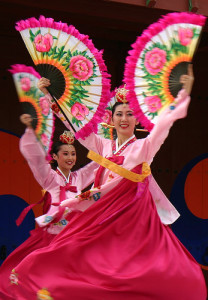
The popularity of South Korean dramas in North Korea, despite the risk of severe punishment, and the continued success of K-pop in Japan, despite political friction, suggest that cultural property often transcends national borders. "Arirang," as a song, paved the way for this phenomenon. It proved that a melody could be a tool of resistance, a commercial pop hit, and a state-sponsored symbol all at once.
In the long term, the naming of a smartphone "Arirang" suggests that even the most isolationist regime in the world recognizes the power of shared heritage. While the Arirang AS1201 may never compete with the latest iPhone or Samsung Galaxy on a global stage, its existence serves as a reminder of the persistent desire for a unified identity on a divided peninsula. The device represents an attempt to bridge the gap between a traditional past and a digital future, using a 1,000-year-old song to sell a 21st-century vision of North Korean sovereignty.
Ultimately, the story of the Arirang smartphone is not one of technological innovation, but of cultural resilience. It illustrates how the symbols of the past are repurposed to navigate the tensions of the present, proving that even in a world of silicon and satellites, the old songs still hold the power to define a nation.
Related News