Cultural Identity and Technological Ambition in the Hermit Kingdom The Significance of North Koreas Arirang Smartphone
Article Editorial Team
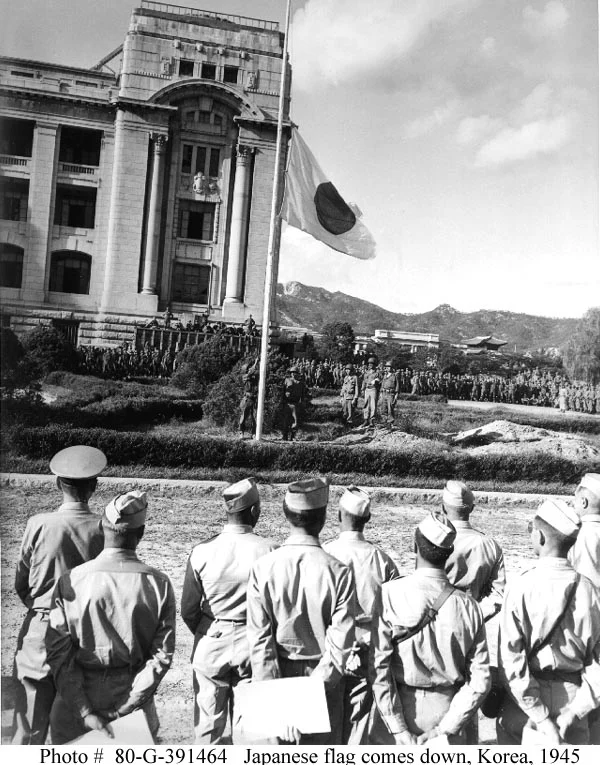
In a move that highlights the intersection of nationalist propaganda and emerging technology, North Korea has officially introduced its first domestically branded smartphone, the Arirang. Named after a beloved traditional folk song that serves as an unofficial anthem for the entire Korean Peninsula, the device represents more than just a foray into the mobile market; it is a calculated attempt by the Pyongyang leadership to signal modernization while reinforcing a specific cultural identity. While the technical specifications of the Arirang smartphone remain modest by international standards, the choice of branding offers a profound window into the socio-cultural fabric of East Asia and the enduring power of shared heritage amidst decades of geopolitical hostility.
The Unveiling of the Arirang AS1201
The existence of the Arirang smartphone, specifically the AS1201 model, first came to international attention following a high-profile visit by North Korean leader Kim Jong-un to a manufacturing facility in August 2013. State media, including the Korean Central News Agency (KCNA), reported that the leader praised the "creative ingenuity and patriotic enthusiasm" of the workers involved in the project. During the inspection, Kim Jong-un reportedly emphasized the importance of the touch-screen technology and the high resolution of the camera, noting that such devices are essential for the "people to love."
However, international tech analysts and intelligence agencies quickly cast doubt on the "domestic" nature of the production. Analysis of the hardware suggests that the Arirang is a rebadged version of the Uniscope U70, a budget Android smartphone manufactured in China. Evidence suggests that the components were likely produced in China and shipped to the "May 11 Factory" in North Korea for final assembly, software localization, and packaging. This strategy allows the North Korean government to claim a technological milestone for domestic propaganda purposes while circumventing the immense R&D costs and manufacturing hurdles associated with high-end electronics.
Historical Context: The Song Behind the Smartphone
To understand the weight of the name "Arirang," one must look back at the tumultuous history of the Korean Peninsula. The song is not merely a piece of music; it is an emotional repository for the Korean people. Estimates of the song’s origins vary wildly, with some scholars dating it back nearly a millennium to the Goryeo Dynasty, while others suggest it crystallized in its modern form during the late 19th century.
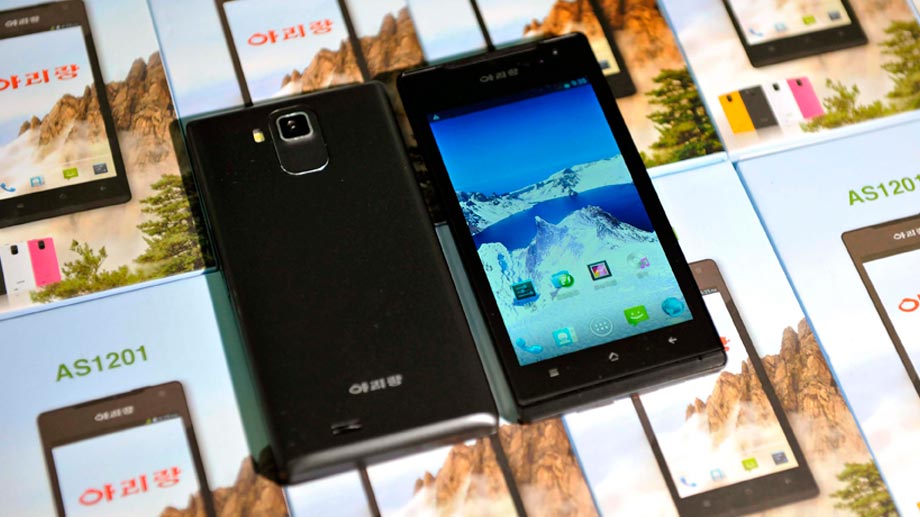
The song’s cultural dominance was cemented during the Japanese colonial occupation of Korea (1910–1945). During this period, the peninsula was subjected to systematic cultural erasure and economic exploitation by the Japanese Empire. "Arirang" became a rallying cry for Korean independence and a symbol of resistance. Its lyrics, which generally speak of a lover crossing a mountain pass, were interpreted as a metaphor for the struggle for national sovereignty.
The historical timeline of the song’s prominence includes several key milestones:
- 1926: The release of the silent film Arirang by Na Woon-gyu, which used the song to evoke nationalist sentiment against Japanese rule.
- 1931: Paradoxically, "Arirang" became a major pop hit in mainland Japan, demonstrating an early instance of Korean cultural "soft power" even under conditions of colonial subjugation.
- 1945: Following the liberation of Korea and its subsequent division into North and South, both regimes claimed "Arirang" as a central pillar of their cultural legitimacy.
- 2012: South Korea successfully petitioned UNESCO to include "Arirang" on the Representative List of the Intangible Cultural Heritage of Humanity.
- 2014: North Korea followed suit, securing its own UNESCO inscription for the song, underscoring that despite ideological differences, the song remains a shared cultural bedrock.
Technical Specifications and the Digital Divide
The Arirang smartphone operates on a modified version of the Android 4.1 (Jelly Bean) operating system. While the global market in 2013 was moving toward 4G LTE and high-performance processors, the Arirang was designed to work within the confines of North Korea’s restricted telecommunications infrastructure.

Supporting Data on North Korean Mobile Infrastructure:
- Network: The device operates on Koryolink, the country’s 3G network, which was established in 2008 as a joint venture between North Korea’s Post and Telecommunications Corporation and the Egyptian company Orascom Telecom.
- Connectivity: While the phone features Wi-Fi hardware, access to the global internet is strictly prohibited for the general population. Instead, users are restricted to the Kwangmyong, a domestic intranet that hosts state-approved content and government propaganda.
- Software: The Arirang comes pre-loaded with state-sanctioned apps, including educational tools, maps, and games. Notably, it lacks the Google Play Store, replaced by a domestic equivalent for downloading approved software.
- Security: Security researchers have noted that North Korean smartphones often include mandatory background software that takes periodic screenshots of the user’s activity and prevents the viewing of unauthorized files or media.
Official Responses and International Skepticism
The international reaction to the Arirang smartphone has been a mix of skepticism and strategic analysis. Western tech journalists have largely dismissed the device as a "propaganda tool" rather than a legitimate competitor in the global electronics market. In South Korea, the Ministry of Unification has monitored the development as a sign of the North’s attempt to satisfy a growing demand for consumer goods among the "Donju" (the emerging merchant class in North Korea).
Official statements from Pyongyang continue to frame the device as a triumph of Juche (self-reliance). By naming the phone Arirang, the government is attempting to bridge the gap between traditional values and modern aspirations. It serves as a message to the citizenry that they do not need to look toward South Korean giants like Samsung or LG to participate in the digital age.
The Paradox of Cultural Soft Power
The Arirang smartphone is a microcosm of a larger regional phenomenon where cultural property transcends political borders. In South Korea, the "Hallyu" or Korean Wave has seen K-pop and K-dramas dominate global markets, including Japan and, covertly, North Korea. Despite the intense military tensions and the territorial disputes over the Liancourt Rocks (Dokdo/Takeshima), Japanese audiences remain some of the largest consumers of South Korean media.
Similarly, in North Korea, reports suggest that illegal copies of South Korean dramas are highly sought after on the black market, smuggled in via USB drives across the Chinese border. The North Korean government has responded by creating its own state-sanctioned "pop" groups, such as the Moranbong Band, which mimic the aesthetics of K-pop while delivering lyrics centered on loyalty to the Workers’ Party.
The naming of the Arirang smartphone is a strategic appropriation of this infectious cultural energy. By utilizing a name that evokes a sense of "Koreanness" that predates the 1945 division, the North Korean state attempts to claim the mantle of the "true" protector of Korean heritage.
Broader Impact and Geopolitical Implications
The introduction of the Arirang smartphone carries several long-term implications for the region:
- State Control vs. Consumerism: The device represents a tension between the government’s need to provide modern technology to maintain social stability and its desire to maintain absolute control over information. As more citizens gain access to smartphones, the state must work harder to "firewall" the population from external influences.
- Economic Dependence on China: The likely Chinese origin of the Arirang hardware highlights North Korea’s continued economic reliance on Beijing. Despite the rhetoric of self-reliance, the North’s technological "achievements" remain deeply tethered to Chinese manufacturing.
- Cultural Diplomacy: The shared legacy of "Arirang" remains one of the few areas where North and South Korea can find common ground. During international sporting events, such as the Olympics, athletes from both nations have occasionally marched under a "Unification Flag" to the tune of "Arirang" rather than their respective national anthems.
In conclusion, the Arirang smartphone is more than a rudimentary piece of hardware; it is a symbol of a nation’s attempt to navigate the 21st century without relinquishing the ideological grip of the 20th. While the technology inside the phone may be imported, the name it carries is a potent reminder of a shared history that continues to influence the present. As the Korean Peninsula remains one of the most militarized regions on Earth, the "Arirang" name serves as a bridge—however fragile—between a divided people and a common cultural past. Whether technology will eventually serve to widen this bridge or reinforce the walls between the two Koreas remains a defining question for the future of East Asia.
Related News