Cultural Identity and Technological Ambition The Arirang Legacy in the Divided Korean Peninsula
Article Editorial Team
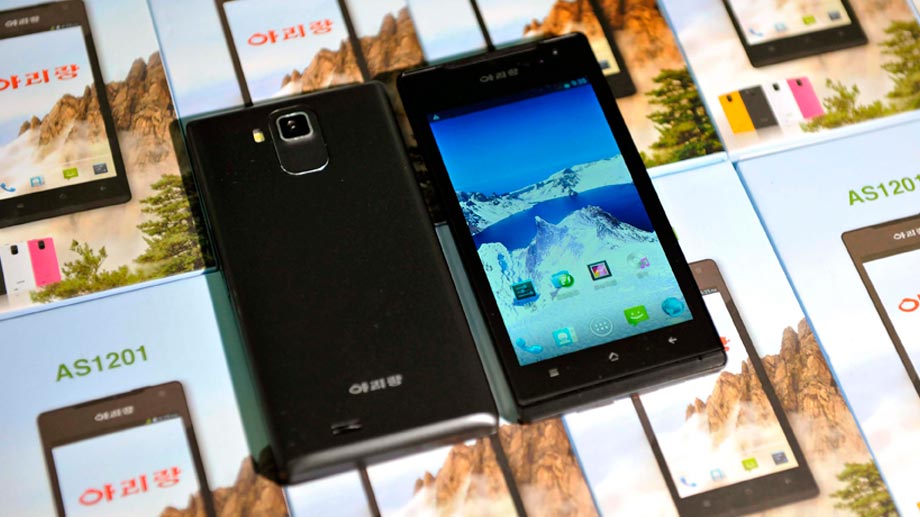
The unveiling of North Korea’s first domestic smartphone, the Arirang, marks a significant intersection between modern technological aspirations and deeply rooted cultural symbolism in one of the world’s most secluded nations. While the device itself—a touch-screen handset reportedly manufactured within the Democratic People’s Republic of Korea (DPRK)—represents a step forward in the North’s efforts to modernize its telecommunications infrastructure, the choice of the name "Arirang" serves as a profound reminder of the shared heritage that continues to bind the two Koreas despite decades of military and political hostility. This development comes at a time of heightened regional tension, where the rivalry between Pyongyang and Seoul manifests not only in missile tests and military exercises but also in the spheres of information technology, soft power, and cultural preservation.
The Arirang Smartphone: Technological Sovereignty and Skepticism
In August 2013, North Korean state media, the Korean Central News Agency (KCNA), released images of leader Kim Jong-un visiting a manufacturing facility to inspect the "Arirang" smartphone, officially designated as the AS1201. During the visit, Kim Jong-un praised the "high pixels" of the camera and the "convenience" of the touch screen, emphasizing that the production of such devices was essential for fostering national pride and ensuring the security of the state’s information systems.
However, international technology analysts have expressed significant skepticism regarding the "domestic" nature of the device. Examination of the hardware suggests that the Arirang is likely a rebranded version of the Uniscope U70, a budget smartphone produced in China. Critics argue that while the final assembly or packaging may take place at the "May 11 Factory" in Pyongyang, the core components and circuit boards are almost certainly imported. Despite these technical doubts, the symbolic value of the Arirang remains potent. By branding the device after Korea’s most famous folk song, the North Korean government is attempting to frame modern technology within the context of "Juche," or self-reliance, aligning a 21st-century gadget with a timeless symbol of Korean identity.
The launch of the Arirang smartphone is part of a broader trend in North Korea to provide state-sanctioned technology to its elite and growing middle class. Estimates from 2013 suggested that the country’s sole cellular network, Koryolink—a joint venture with Egypt’s Orascom Telecom—had reached over two million subscribers. While these users remain restricted to a domestic intranet rather than the global internet, the demand for mobile technology continues to surge, mirroring the tech-centric lifestyle of South Korea, albeit under strict surveillance and censorship.
The Melodic Soul of a Nation: Understanding the Arirang Folk Song
To understand why the name "Arirang" carries such weight, one must look beyond the plastic and silicon of a smartphone to the auditory history of the Korean people. Arirang is not merely a song; it is often described as the unofficial national anthem of both North and South Korea. Its significance was formally recognized in 2012 when UNESCO added the song to its Representative List of the Intangible Cultural Heritage of Humanity, following a concerted effort by the South Korean government to preserve its legacy.
Musically, Arirang is characterized by its simplicity. It typically utilizes a pentatonic scale and a triple meter, making it easily accessible and memorable. Lyrically, however, the song is more enigmatic. The most famous version tells the story of a protagonist crossing the "Arirang Pass," lamenting the departure of a loved one. Scholars have long debated the origins of the word "Arirang" itself, with theories ranging from it being a nonsensical refrain to it representing a specific geographic location or a metaphorical "pass" through life’s hardships.
The song’s power lies in its versatility. There are estimated to be thousands of variations of Arirang across the peninsula, including the "Jeongseon Arirang," "Jindo Arirang," and "Milyang Arirang." Each region has adapted the melody and lyrics to reflect local struggles and triumphs. This adaptability has allowed the song to serve as a "national archive" of the Korean experience, capturing the collective emotions of a people who have endured centuries of foreign intervention and internal strife.
A Chronology of Conflict and Cultural Resilience
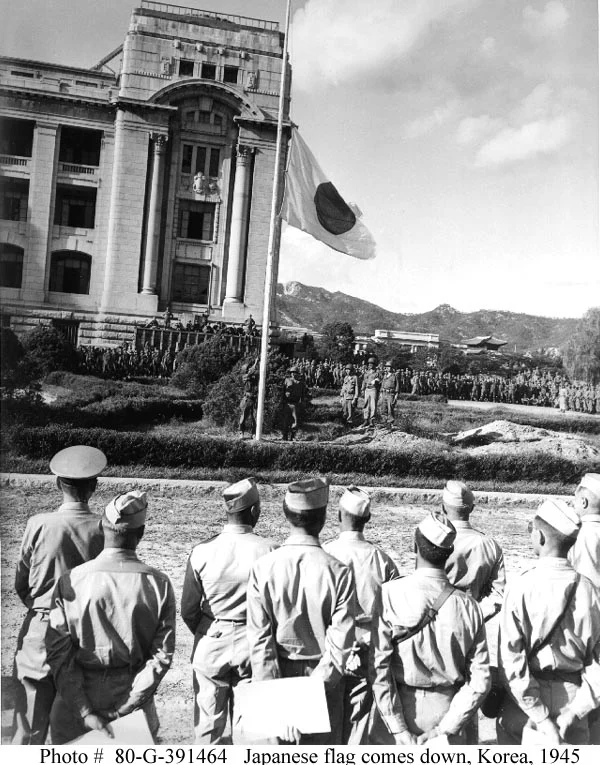
The elevation of Arirang from a simple folk tune to a pillar of national identity is inextricably linked to the Japanese colonial occupation of Korea (1910–1945). Before this period, Arirang was one of many folk songs; during the occupation, it became a clandestine anthem of resistance.
- 1910–1945: The Colonial Era. Under Japanese rule, the Korean language and culture were systematically suppressed. Arirang became a way for Koreans to express their "Han"—a uniquely Korean concept of collective grief and resentment—without necessarily alerting Japanese censors to the revolutionary undertones of their gatherings.
- 1926: The Cinematic Catalyst. The song’s popularity exploded following the release of the silent film Arirang by Na Woon-gyu. The film, which depicted a man driven to madness by the oppression of the colonial regime, used the song as its emotional core. It resonated so deeply with the public that Arirang became synonymous with the independence movement.
- 1945–1953: Liberation and Division. Following the defeat of Japan in World War II, the peninsula was divided at the 38th parallel. The subsequent Korean War (1950–1953) solidified this division, creating two distinct states: the democratic Republic of Korea (ROK) in the south and the socialist Democratic People’s Republic of Korea (DPRK) in the north.
- The Cold War Era. Both nations utilized Arirang to bolster their respective nationalist narratives. While South Korea adopted "Aegukga" (The Song of Love for Country) as its official anthem—a grand, Western-influenced orchestral piece—Arirang remained the song of the people, used in sports, protests, and cultural celebrations.
The Japanese Paradox: Cultural Appropriation and Shared Aesthetics
An intriguing chapter in the history of Arirang is its popularity within Japan itself during the 1930s. In 1931, eight years before the start of World War II, Arirang became a mainstream pop hit in Tokyo and Osaka. This cultural phenomenon presents a complex paradox: while the Japanese state was suppressing Korean identity, the Japanese public was consuming Korean music.

Historians suggest that for the Japanese audience of the time, Arirang represented a "primitive" or "pure" past that Japan felt it had lost during its rapid industrialization. The melancholy of the song appealed to a sense of nostalgia. This period of cultural appropriation highlights a recurring theme in East Asian history: the ability of music and aesthetics to transcend political and military borders. Even as the Japanese Empire expanded its military grip over the peninsula, the haunting melody of Arirang found a home in the hearts of the occupiers, illustrating the infectious nature of Korean cultural output—a precursor to the modern Hallyu wave.
Modern Echoes: Hallyu and the Digital Divide
In the 21st century, the spirit of Arirang has been reincarnated in the form of "Hallyu," or the Korean Wave. Much like the folk song of the 1930s, modern South Korean pop culture (K-Pop and K-Dramas) has achieved immense popularity in Japan and even within the closed borders of North Korea.
In Japan, despite ongoing diplomatic disputes over the Liancourt Rocks (Dokdo/Takeshima) and historical grievances regarding "comfort women," South Korean entertainment remains a dominant force. This creates a dual reality where political leaders may engage in "cool" or hostile rhetoric, while the citizenry consumes the other nation’s cultural products. The economic competition between tech giants like Samsung and Sony mirrors this tension; while they fight for market share in the global smartphone industry, their consumers are often united by shared cultural tastes.
In North Korea, the influence of Hallyu is more subversive. Despite the risk of imprisonment or worse, smuggled South Korean dramas and music are highly sought after on the black market. Reports indicate that North Korean youth often mimic the hairstyles and slang found in South Korean media. In response, the North Korean government has attempted to create its own version of "pop" music, such as the Moranbong Band, which features Western-style instruments and performances while maintaining strictly loyalist lyrics. The naming of the Arirang smartphone can be seen as another defensive measure in this cultural war—an attempt to provide a "safe" domestic alternative to the allure of South Korean high-tech lifestyle.
Analysis of Implications: A Shared Future?
The branding of a North Korean smartphone with the name Arirang is more than a marketing tactic; it is a geopolitical statement. It asserts that the North is the "true" keeper of Korean tradition, even as it adopts the tools of the modern world. For South Korea, the continued global promotion of Arirang—including its UNESCO status—is a way to assert its cultural sovereignty and soft power on the world stage.
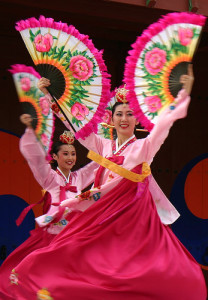
The fact that both Koreas and Japan find common ground in the melody of Arirang suggests that cultural ties are often more resilient than political ones. While the AS1201 smartphone may not rival the latest Samsung Galaxy in terms of hardware, its name serves as a bridge to a past that predates the 38th parallel.
As the Korean peninsula remains one of the world’s most dangerous flashpoints, the enduring legacy of Arirang offers a slim but significant margin of hope. It serves as a reminder that the people of the North and South share a linguistic, emotional, and musical DNA that has survived colonization, war, and ideological division. Whether through an ancient folk song or a modern smartphone, the name Arirang continues to represent the "historical archive" of a people who, despite their differences, are bound by a singular, haunting melody that refuses to be silenced by time or politics. The "Arirang Pass" of the 21st century may well be the digital divide, and how both nations navigate this technological landscape will determine the future of their shared heritage.
Related News