DAY6’s Young K Stuns Global Audience with Striking Hanfu Transformation in Shanghai, Igniting Cultural Dialogue and Viral Sensation
Article Editorial Team
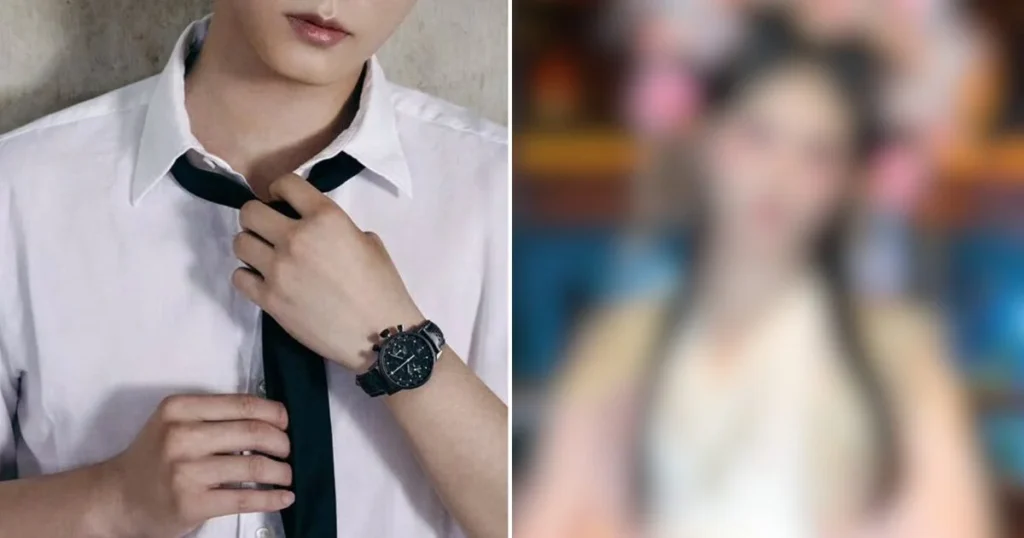
The global K-Pop landscape was once again captivated on September 15, 2026, as Young K, the multifaceted bassist and vocalist of the popular band DAY6, unveiled a series of breathtaking photographs from a traditional Chinese hanfu photoshoot conducted during his recent visit to Shanghai. The images, which depict the idol in an "unreal transformation" into a majestic, historically-inspired persona, immediately went viral across social media platforms, eliciting widespread shock, admiration, and a collective "double-take" from netizens worldwide. This cultural immersion follows a burgeoning trend within the K-Pop industry, notably echoing NCT member Ten’s earlier, equally viral hanfu photoshoot, further solidifying the intersection of global music, fashion, and traditional aesthetics.
The Viral Transformation: Young K Embraces Hanfu
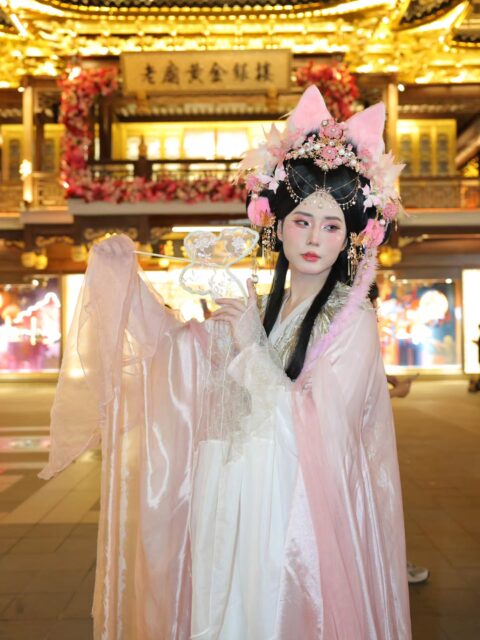
On Monday, September 15, 2026, Young K took to his official social media channels, including Instagram, to share an exclusive collection of images that quickly became the day’s dominant topic. The photographs showcased him adorned in elaborate hanfu, the traditional attire of the Han Chinese, complete with intricate styling and what appeared to be "Wanghong" inspired makeup. The ensemble presented a stark yet captivating departure from his usual contemporary rock-band image, highlighting his remarkable versatility and striking visual appeal. Fans and casual observers alike were quick to note the ethereal quality of the photoshoot, praising his ability to embody the historical elegance and grace associated with hanfu. The setting, implied to be Shanghai, added an authentic backdrop to the cultural homage, suggesting a thoughtful engagement with the local heritage during his international engagements.
A Precedent Set: NCT’s Ten and the Hanfu Trend
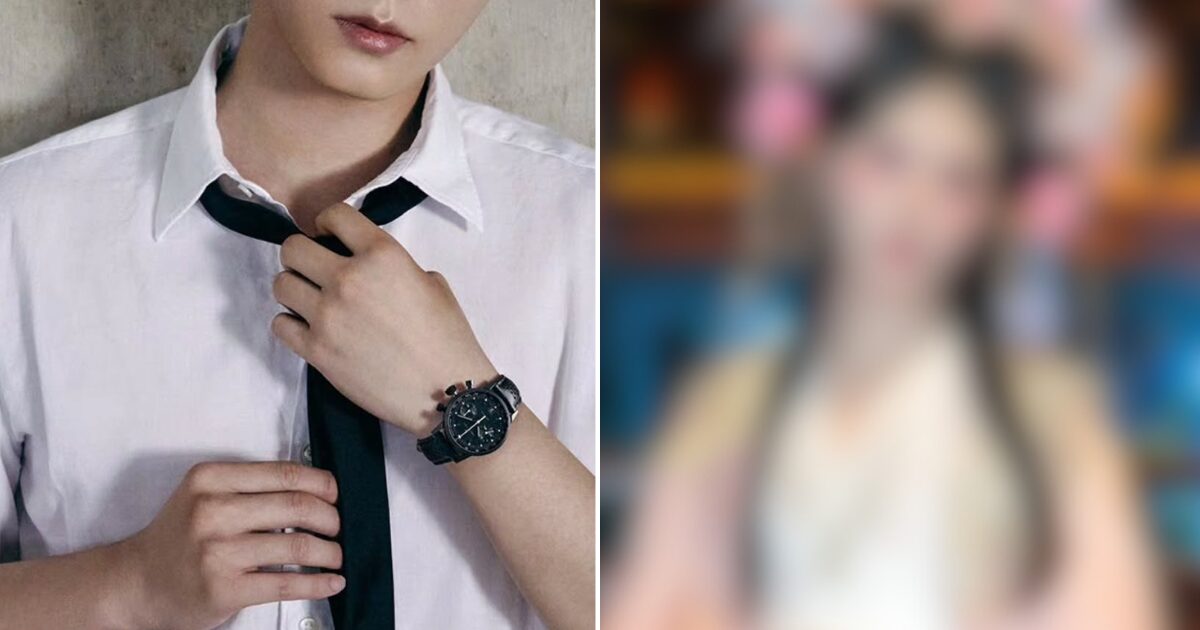
Young K’s viral hanfu moment arrives on the heels of a similar sensation caused by NCT and WayV member Ten earlier in the year. Ten’s photoshoot, also featuring traditional Chinese attire, had previously garnered immense attention for its stunning visuals and the idol’s seamless adaptation to the historical concept. This earlier event had already sparked conversations about K-Pop idols exploring and celebrating diverse cultural aesthetics. The recurrence of such high-profile hanfu photoshoots by prominent K-Pop figures like Ten and Young K suggests a deliberate embrace of cultural exchange and an evolving understanding of global fashion trends within the industry. It positions hanfu not merely as historical costume but as a significant element in contemporary fashion narratives, particularly when interpreted through the lens of influential K-Pop idols. This trend underscores the idols’ capacity to act as cultural ambassadors, bridging gaps and fostering appreciation for diverse traditions among their vast, international fanbases.
Understanding Hanfu: A Glimpse into Chinese Cultural Heritage
To fully appreciate the significance of Young K’s transformation, it is crucial to understand hanfu itself. Hanfu (汉服) literally translates to "Han clothing" and refers to the historical clothing of the Han Chinese people, which dates back more than three millennia to the Yellow Emperor. Characterized by its loose, flowing silhouettes, intricate embroidery, and distinct layering, hanfu embodies a rich tapestry of Chinese aesthetic principles and cultural values. Unlike a single garment, hanfu encompasses a wide variety of styles, each with its own historical context and symbolic meaning, evolving significantly through different dynasties such as the Han, Tang, Song, and Ming. Key features often include wide sleeves, crossed collars (youren), and sashes, emphasizing comfort, modesty, and a graceful flow of movement. Materials traditionally ranged from silk and linen to more ornate brocades, often adorned with motifs representing nature, mythology, and auspicious symbols.
The Resurgence of Traditional Chinese Attire
In recent decades, hanfu has experienced a significant cultural revival, particularly among younger generations in China and increasingly across the globe. This phenomenon, often referred to as the "Hanfu Movement," is driven by a renewed interest in traditional Chinese culture, history, and aesthetics. It is fueled by social media, historical dramas, and fashion enthusiasts who seek to reconnect with their heritage and express cultural pride. The movement is not merely about wearing historical costumes; it’s about reinterpreting and integrating hanfu into modern life, showcasing its beauty and versatility. Events such as hanfu parades, fashion shows, and themed photoshoots have become common, transforming the attire from a relic of the past into a vibrant symbol of contemporary cultural identity. This resurgence provides the ideal backdrop for international figures like Young K to engage with hanfu, amplifying its global visibility and fostering cross-cultural dialogue.

Young K’s Shanghai Sojourn: A Deep Dive into the Photoshoot
The timing of Young K’s hanfu photoshoot in Shanghai is particularly noteworthy. Shanghai, a city that seamlessly blends historical charm with futuristic modernity, offers a compelling backdrop for such a cultural endeavor. The choice of location suggests an intentional effort to ground the photoshoot in an authentic Chinese setting, adding another layer of depth to the visual narrative. While specific details about the creative team behind the photoshoot remain private, the professional quality and artistic direction of the images indicate a collaboration with skilled photographers and stylists, possibly local to Shanghai, who specialize in traditional aesthetics.
The photos themselves present Young K in a variety of poses that exude both regal composure and a subtle vulnerability, effectively capturing the nuanced beauty of the hanfu. The colors of his attire, though not explicitly detailed, appear to be rich and earthy, possibly complemented by ornate patterns that are characteristic of traditional Chinese garments. His styling, from hair to accessories, was meticulously crafted to align with the hanfu aesthetic, creating a cohesive and believable transformation. The combination of his inherent charisma and the traditional attire resulted in a visual spectacle that resonated deeply with audiences.
The "Wanghong" Aesthetic Explained
A specific mention in the original context refers to Young K "trying the Wanghong make up trend." "Wanghong" (网红), literally meaning "internet celebrity" or "internet sensation" in Chinese, often refers to a distinct aesthetic prevalent among Chinese online influencers. This aesthetic typically emphasizes a refined, often ethereal beauty, characterized by flawless, brightened skin, soft yet defined features, and a delicate, sometimes doll-like appearance. Key elements can include:
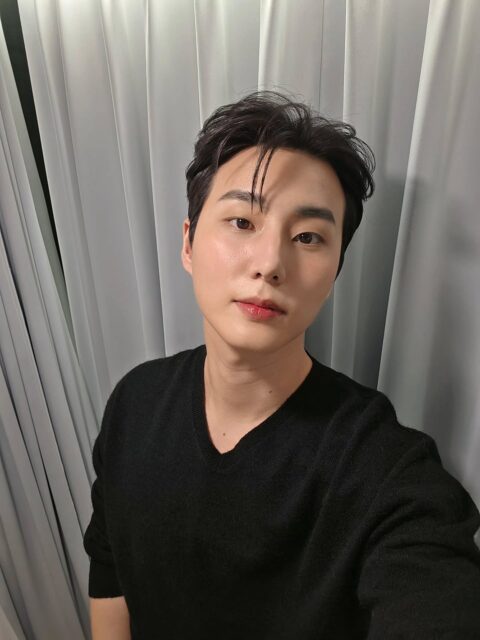
- Luminous Skin: A focus on a dewy, glowing complexion, often achieved with strategic highlighting.
- Soft Eyes: Eyes are usually enhanced with subtle eyeliner, long lashes, and eyeshadows in natural, warm tones, sometimes with a touch of shimmer. The overall goal is to create a bright, innocent, and captivating gaze.
- Gradient Lips: Lips are often done in a soft gradient, with a darker shade in the inner part fading outwards, giving a plump and youthful look.
- Defined Brows: Brows are typically well-groomed but soft, framing the face without being overly harsh.
- Overall Harmony: The "Wanghong" look prioritizes a harmonious and balanced face, creating an impression of effortless beauty that is highly photogenic.
When applied to a hanfu photoshoot, the "Wanghong" makeup trend would likely soften the traditional, often more dramatic historical makeup styles, making the look more relatable and appealing to a contemporary, digital-savvy audience. This fusion of traditional attire with a modern beauty aesthetic creates a unique visual language that perfectly suits the viral nature of K-Pop content, allowing for both cultural reverence and contemporary allure. Young K’s adoption of this specific makeup trend likely contributed significantly to the "unreal" and "beautiful" perception among netizens, as it enhanced his features in a way that resonated with current beauty ideals while still respecting the traditional context.
Unpacking Netizen Reactions: A Chorus of Awe and Surprise
The immediate aftermath of Young K’s post saw an explosion of reactions across X (formerly Twitter), Instagram, and various online communities. The sheer volume and intensity of responses underscored the profound impact of his hanfu transformation. The sentiment was overwhelmingly positive, ranging from expressions of profound admiration to humorous disbelief.
From Disbelief to Adoration
Many netizens initially expressed outright shock and confusion. Comments such as "I THOUGHT HE JUST POSTED A RANDOM PIC WTF THAT’S ACTUALLY YOUNG K" and "I WAS SO CONFUSED I WAS LIKE WHY DI YOUNGK POST A PIC OF A RANDM GORL ON HIS INSTA SIDHSIS ICB ITS YOUNGK HIMSELF" highlighted the extent of his transformation. The unfamiliarity of the traditional attire combined with the "Wanghong" aesthetic made him almost unrecognizable to some at first glance, leading to an enjoyable moment of surprise for fans.
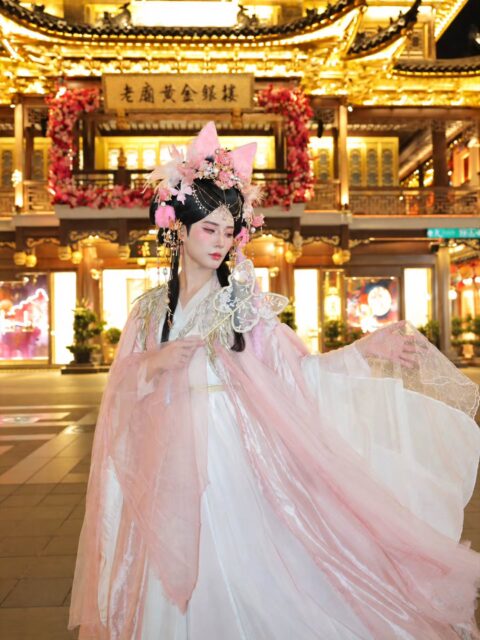
Once the initial shock subsided, a wave of adoration swept through the comments sections. Phrases like "The idol looked absolutely stunning" and "He looked so beautiful & majestic like a real Princess" were ubiquitous. Fans lauded his ability to pull off such a distinct look, emphasizing his visual prowess and versatility. Many were particularly impressed by how he "nailed both look with the same pose," referring to the comparison between his typical stage persona and the hanfu concept. The playful declaration "YOUNG K I KNOW WHAT YOU ARE MY GORGEOUS UNNIEEE" and speculation about "what his sister would look like if he had one" further showcased the affectionate and impressed tone of the fandom, highlighting the almost feminine grace he exuded in the traditional garments. The rapid sharing of the images and the trending hashtags (#YoungK, #영케이, #from_youngk, #왕홍, #shanghai) are clear indicators of the widespread engagement and viral nature of the event.
Broader Implications: Cultural Exchange and K-Pop’s Global Influence
Young K’s hanfu photoshoot is more than just a viral moment; it carries significant cultural and industry implications. It represents a potent example of K-Pop’s increasing role as a global cultural ambassador and its capacity to facilitate cross-cultural understanding.
Bridging Cultures Through Fashion
By donning hanfu, Young K introduces this traditional Chinese attire to his vast, predominantly non-Chinese global fanbase. This exposure can spark curiosity, encouraging fans to learn more about Chinese history, culture, and fashion. Such instances of cultural appropriation, when executed with respect and appreciation rather than mere imitation, serve as powerful tools for soft diplomacy. They break down cultural barriers, foster mutual respect, and celebrate the diversity of global heritage. In an era where cultural sensitivity is paramount, K-Pop idols engaging with traditional garments in an appreciative manner can set a positive precedent for international cultural exchange. This act contributes to a broader dialogue about how traditional elements can be reinterpreted and celebrated in a contemporary global context without losing their intrinsic value.
The Evolving Image of K-Pop Idols
The willingness of idols like Young K and Ten to experiment with traditional attire from different cultures also speaks volumes about the evolving image of K-Pop artists. It demonstrates a desire to transcend conventional idol aesthetics and explore more diverse artistic expressions. This versatility not only broadens their appeal but also showcases their artistic maturity and willingness to take creative risks. For Young K, known for his powerful vocals and charismatic stage presence as a rock band member, this hanfu concept highlights a different facet of his artistic identity, proving his ability to embody a wide range of concepts beyond his primary musical genre. This flexibility reinforces the idea that K-Pop idols are not merely performers but multi-faceted artists capable of commanding attention in various creative domains.
Conclusion: A New Era of Cross-Cultural Expression
The viral success of Young K’s hanfu photoshoot in Shanghai on September 15, 2026, serves as a compelling testament to the dynamic interplay between K-Pop’s global influence and the burgeoning appreciation for traditional cultural aesthetics. Following in the footsteps of NCT’s Ten, Young K has not only delivered stunning visuals but also contributed to a significant trend of cultural exchange through fashion. The meticulous styling, the incorporation of the "Wanghong" aesthetic, and the overwhelmingly positive global reception underscore the power of K-Pop idols to transcend entertainment and become inadvertent cultural educators. As K-Pop continues its global expansion, such thoughtful engagements with diverse cultural traditions will undoubtedly pave the way for a richer, more interconnected global cultural landscape, where fashion becomes a universal language for understanding and appreciation. This event marks a continuing trajectory where K-Pop artists, with their immense reach and influence, are increasingly becoming pivotal figures in fostering cross-cultural dialogue and celebrating the world’s diverse heritage.
Related News