Decoding K-Pop Fashion: Beyond the Stage Costume
Article Editorial Team
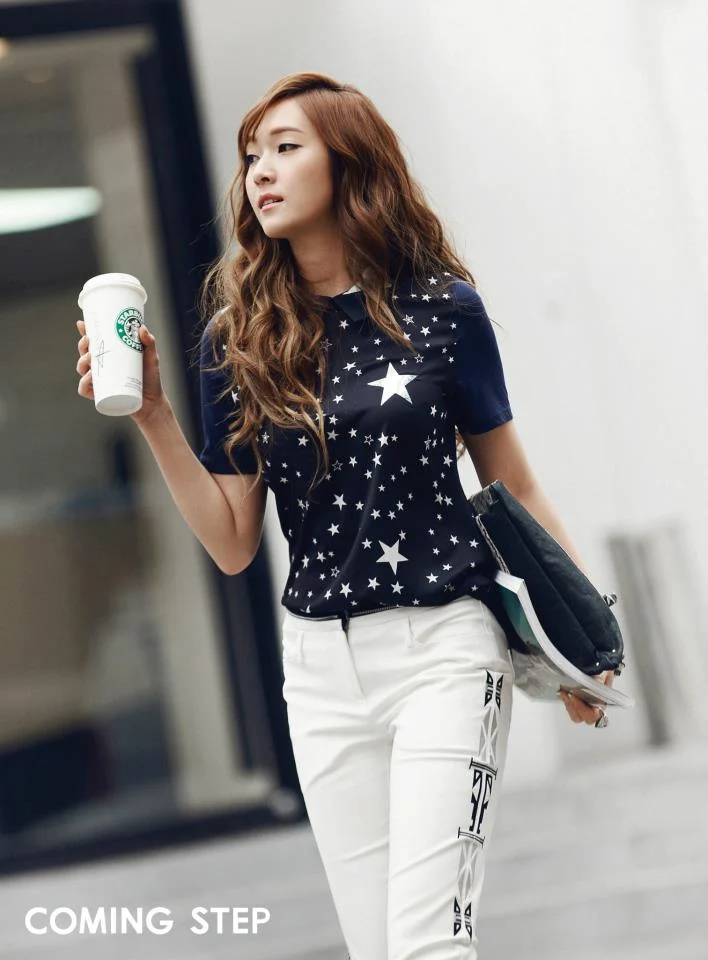
The K-pop industry, renowned for its meticulously crafted visual aesthetics, extends far beyond the polished choreography and captivating music videos. A significant component of this global phenomenon is the fashion, a carefully curated aspect that idols meticulously develop with the help of dedicated style, hair, and makeup teams. These visual stylists are instrumental in preparing idols for every public appearance, from high-energy music show performances and stadium concerts to casual airport arrivals and engaging variety show segments. The dedication to creating a distinctive and appealing visual identity has, in turn, inspired a massive international fanbase to emulate these trends. This desire to connect with their favorite artists often manifests in fans learning intricate dance routines, singing along to every lyric, and, perhaps most accessibly, adopting the fashion choices that define their idols. The inherent universality of clothing – worn for school, work, or leisure – makes fashion an immediate and practical avenue for fans to express their admiration and integrate K-pop influences into their daily lives.
Historically, various platforms have offered guidance for fans seeking to replicate K-pop styles, providing shopping guides that highlight specific items like coveted accessories or trendy apparel. However, achieving an authentic K-pop-inspired look is more nuanced than simply acquiring the exact pieces worn by idols. The challenge lies in understanding that what appears effortless on stage is often a carefully constructed "stage costume," designed for maximum impact under bright lights and in a performance setting. Replicating an entire ensemble of these distinct pieces without careful consideration can inadvertently lead to an outfit that resembles a costume rather than a cohesive personal style. The goal for most fans is not to appear as if they are performing on stage, but rather to translate the coolness and stylishness of their idols into relatable, everyday fashion. This requires a more discerning approach, focusing on integrating trends thoughtfully and harmoniously with one’s existing wardrobe and personal aesthetic.
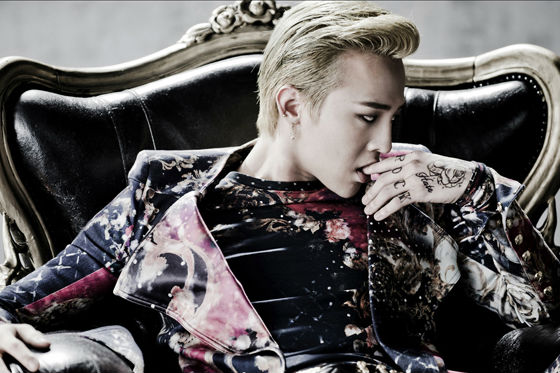
The Art of Personalization: Integrating K-Pop Trends
The key to successfully adopting K-pop fashion lies in a strategic and personal approach. Instead of wholesale adoption, the emphasis should be on incorporating trends in measured doses, ensuring they complement an individual’s established personal style. Understanding one’s own fashion preferences is the foundational step. This self-awareness allows individuals to identify which K-pop trends genuinely resonate with their aesthetic and can be seamlessly integrated. While experimentation is a vital part of fashion exploration, it is crucial to maintain a sense of self. The objective is not to become a carbon copy of an idol, but to evolve one’s style in a way that feels authentic and individual. This might involve identifying personal style archetypes: are you drawn to minimalist color palettes and structured silhouettes? Do you gravitate towards a more casual, sporty vibe? Or perhaps your inspiration leans towards menswear, with an appreciation for tailored pieces in muted tones?
Engaging in this introspective process of self-assessment and experimentation is essential for discovering and refining one’s personal style. Fashion is inherently dynamic, and personal styles are not static but rather evolve over time. The journey to discovering or redefining one’s style is often gradual. For those who wish to enact a significant change in their fashion identity, a gradual approach is advisable. Investing heavily in an entirely new wardrobe of trendy K-pop-inspired pieces without prior experimentation can lead to regret if the adopted style doesn’t ultimately align with personal preferences. Starting with small, incremental changes and testing the waters with a few key pieces can be a more prudent and cost-effective strategy. This allows for a more informed decision-making process, ensuring that any fashion evolution is both intentional and sustainable.
Strategic Wardrobe Integration: Beyond the "Copy-Paste" Method
Once a clearer understanding of personal style is established, the next step involves discerning which specific K-pop trends are genuinely suitable. This might involve evaluating whether a particular patterned pant, reminiscent of a specific idol’s stage attire, truly aligns with one’s existing wardrobe and daily life. The critical question then becomes: how can this item be integrated with what is already owned, rather than simply paired with other trendy pieces? This approach fosters genuine incorporation of trends rather than mere replication. By focusing on integrating new items with existing closet staples, individuals not only develop a more unique style but also realize significant cost savings. This mindful integration ensures that fashion choices are both practical and economical.

The ultimate goal is to achieve a sense of personal style that allows for confident self-expression. While a personal style coordinator may not be accessible to everyone, developing this sartorial confidence is attainable. It stems from making deliberate choices, understanding how new pieces fit into an existing framework, and wearing them with conviction. The process of experimentation is ongoing, and fashion journeys are rarely without their missteps. However, by approaching style choices thoughtfully and striving to make trends uniquely one’s own, individuals can build the confidence to curate diverse outfits. This deliberate approach helps to avoid the pitfall of appearing to be wearing a costume or inadvertently "cosplaying" as a K-pop idol, allowing for genuine and personal style expression.
The Evolution of K-Pop’s Visual Language
The visual impact of K-pop has been a driving force behind its global expansion. Since the early 2000s, K-pop groups have strategically leveraged visual aesthetics to enhance their music and brand identity. The emergence of highly stylized music videos and synchronized choreography, pioneered by groups like H.O.T. and S.E.S. in the late 1990s, laid the groundwork for the visual sophistication seen today. By the mid-2000s, with the rise of groups like Girls’ Generation and Big Bang, fashion became an even more integral component of idol branding. These artists, through their distinct fashion choices, began to influence not only their domestic audience but also an increasingly international fanbase, facilitated by the burgeoning power of online platforms like YouTube and social media.
The decade from 2010 to 2020 marked a significant acceleration in K-pop’s global influence, with fashion playing a pivotal role. Groups such as BTS and BLACKPINK, known for their trendsetting styles, have collaborated with high-fashion brands and graced the covers of international fashion magazines, solidifying K-pop’s position as a significant force in the global fashion landscape. Data from fashion search platforms often reflects spikes in searches for items worn by K-pop idols. For instance, a particular jacket or accessory sported by a prominent idol can lead to a surge in online searches and subsequent sales, demonstrating the direct impact of K-pop fashion on consumer behavior. Market research in the fashion sector has indicated that the "K-pop effect" contributes significantly to the popularity of certain streetwear brands and avant-garde fashion trends, particularly among Gen Z consumers. This phenomenon underscores the power of K-pop idols as influential style icons, capable of shaping global fashion narratives.

Economic and Cultural Implications of K-Pop Fashion
The economic ramifications of K-pop’s fashion influence are substantial. The industry not only drives sales for clothing and accessory brands directly associated with idols but also stimulates the broader fashion market. Companies that manage K-pop groups often engage in strategic brand partnerships, collaborating with fashion houses to design custom stage outfits and create merchandise lines. This synergy between entertainment and fashion generates considerable revenue, contributing to the economic output of the South Korean entertainment sector. Beyond direct sales, the global popularity of K-pop fashion fosters a demand for Korean beauty products and lifestyle trends, creating a positive spillover effect for related industries.
Culturally, the adoption of K-pop fashion by fans worldwide represents a form of cultural exchange and appropriation. While it allows fans to connect with Korean culture and express their fandom, it also raises questions about cultural authenticity and the potential for the commodification of cultural elements. The aspirational nature of K-pop style, often associated with luxury and exclusivity, can also create pressure on young consumers to conform to certain aesthetic standards. However, the emphasis on personal style and thoughtful integration, as advocated within the K-pop fan community, suggests a growing awareness among fans to engage with these trends in a more individualistic and critical manner. This nuanced approach to fashion consumption allows for appreciation of K-pop’s visual artistry without sacrificing personal identity, fostering a more sustainable and authentic engagement with the phenomenon. The continued evolution of K-pop fashion, driven by both industry innovation and fan interpretation, promises to remain a compelling subject of analysis in the years to come.
Related News