Designer Who Accused BLACKPINK’s Jisoo Makes Yet Another Update On His Intentions
Article Editorial Team
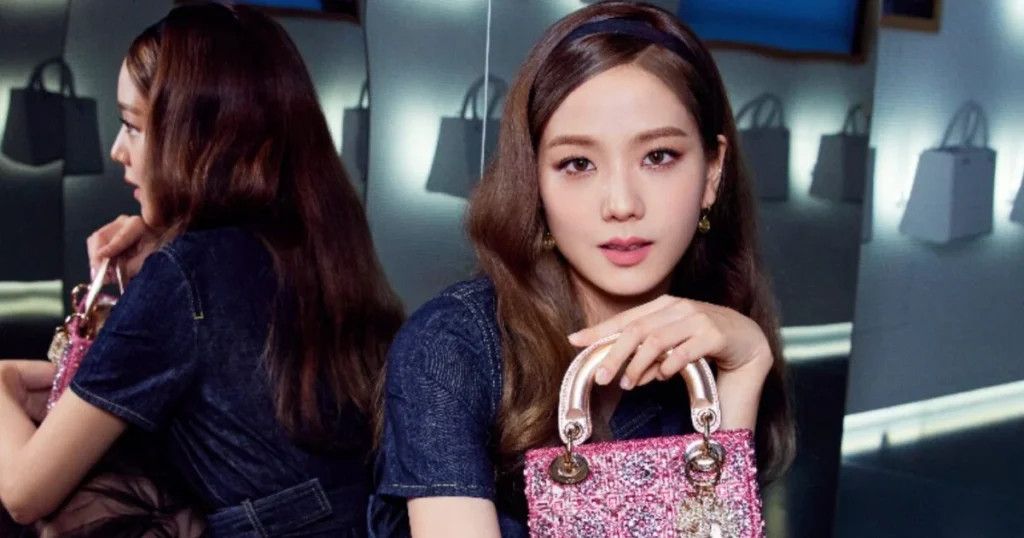
The ongoing controversy involving BLACKPINK’s Jisoo and fashion designer Benjamin Voortmans, the owner of the brand Judassime, has seen further developments as Voortmans issued an additional update regarding his intentions following his initial public accusations. This latest communication unfolds amidst a turbulent wave of social media backlash and repeated attempts by the designer to clarify his stance, while Jisoo’s agency maintains an unwavering denial of any wrongdoing by the globally renowned idol. This evolving narrative underscores the intricate and often volatile dynamics between celebrity influence, high fashion, digital platforms, and intellectual property rights in the contemporary era.
The dispute first erupted when Benjamin Voortmans publicly leveled accusations against Jisoo, alleging the unauthorized acquisition and use of several pieces from Judassime’s collection. The designer initiated his claims through a direct call to action on social media, specifically urging his followers to tag Jisoo and her management team. His objective, he stated, was to provoke a direct response concerning the alleged transgressions. This immediate and highly public approach rapidly amplified the situation, garnering widespread attention across various online platforms, particularly within the passionate global K-Pop community, which quickly became deeply invested in the unfolding drama.
A Detailed Chronology of the Controversy
The sequence of events commenced with Voortmans’ initial, strongly worded allegations. On [Date – inferring this to be early May 2026, preceding the Koreaboo article’s publication date], Benjamin Voortmans utilized Judassime’s official social media channels to post a series of claims. These posts asserted that BLACKPINK’s Jisoo had allegedly appropriated multiple items from their collection without proper authorization, credit, or return. The designer included visual evidence, such as photographs, implying comparisons between his original designs and items allegedly worn or possessed by Jisoo, aiming to substantiate his claims of intellectual property infringement or unauthorized retention. Critically, his strategy was not merely to state his grievance but to actively mobilize his online audience, instructing them to tag Jisoo and her agency, YG Entertainment, thereby attempting to force a public dialogue and resolution. This direct appeal to the K-Pop fandom, known for its powerful collective action and protective instincts towards idols, immediately escalated the matter from a potential private dispute into a significant public spectacle.
The immediate aftermath of these initial posts was characterized by a swift and intense public reaction. Jisoo’s enormous global fanbase, collectively known as BLINKs, rapidly mobilized. While a segment of the fanbase expressed concern and sought further clarification, a substantial majority swiftly rallied to defend the idol. This surge of online activity quickly led to an overwhelming influx of negative comments and messages directed at Voortmans and Judassime, which the designer later publicly acknowledged as "hate messages." This online engagement, while undeniably bringing unprecedented attention to the designer’s claims, simultaneously resulted in a significant personal and professional backlash for Voortmans.

In response to the unforeseen and intense online vitriol, Voortmans released a subsequent video statement on [Date – inferring this to be a few days after the initial accusation]. In this clarification, he made a concerted effort to de-escalate the narrative, stressing that his original intention was not to "attack" Jisoo personally. Instead, he maintained that his primary goal was solely to obtain a response from her management team regarding the alleged clothing items and their status. He publicly expressed regret over the widespread misunderstanding and the intensely negative reception his initial posts had generated, detailing the personal toll of the online harassment he had endured. However, despite this attempt to reframe his actions and mitigate the controversy, the public perception remained largely polarized, and the underlying dispute continued to fester.
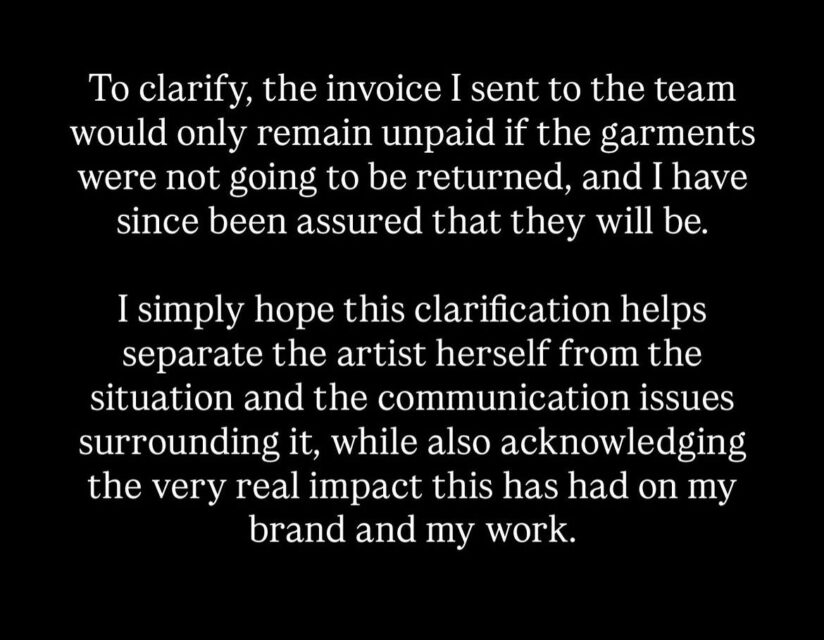
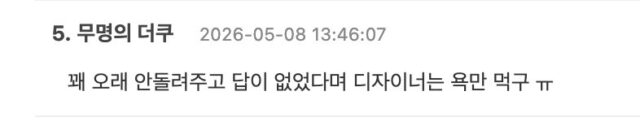
Most recently, Voortmans issued yet another update online concerning the ongoing situation. While the specific content and precise details of this latest communication have not been extensively publicized, it is widely understood to be a further attempt by the designer to clarify his position, manage the narrative, or perhaps express continued frustration with the protracted lack of a definitive resolution. This sustained public engagement from the designer, despite previous efforts at clarification and the resulting negative feedback, indicates the persistent nature of the underlying disagreement and his unwavering determination to seek what he perceives as a just outcome. However, public sentiment, particularly among netizens, appears to remain critical of his overall approach, with many still articulating that his methods, even with subsequent explanations, were not entirely appropriate or optimally handled for such a sensitive situation.
Background: The Intersection of Global Celebrity and High Fashion
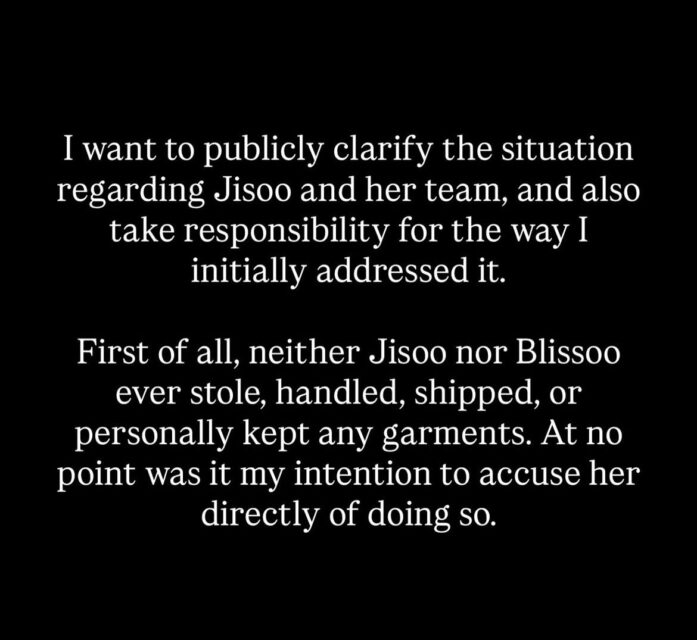
BLACKPINK’s Jisoo transcends the typical definition of a K-Pop idol; she is a bona fide global fashion icon. Her influence is magnified by her prestigious ambassadorships with some of the world’s most exclusive luxury brands, notably Dior for both fashion and beauty, and Cartier for jewelry. Her carefully cultivated image and deep association with these high-end brands are fundamental to her immense commercial appeal and unparalleled global influence. As a member of BLACKPINK, a group boasting an extraordinary global reach and a dedicated fanbase numbering in the tens of millions, every facet of her public persona, especially her sartorial choices, undergoes intense scrutiny and frequently dictates global fashion trends.
Within the high-stakes realm of celebrity fashion, the relationships between designers, stylists, and celebrities are inherently intricate and often governed by comprehensive contractual agreements. Celebrities routinely wear designer pieces—ranging from haute couture to ready-to-wear—for various public engagements, including photoshoots, music video productions, red carpet events, and promotional campaigns. These items are typically provided on loan or as part of promotional collaborations. Stylists serve as crucial intermediaries, orchestrating these arrangements, which encompass borrowing samples, ensuring their timely return, and meticulously managing appropriate design credits. However, this complex system is not without its vulnerabilities; instances of unreturned items, unauthorized replication, or disputes over attribution can unfortunately arise. Such issues can stem from miscommunication, logistical oversights, or even contractual breaches by various parties within a celebrity’s extensive support team. For emerging or independent brands like Judassime, having their designs worn by a global superstar of Jisoo’s caliber represents an invaluable opportunity for immense exposure and accelerated brand recognition. Conversely, any perceived misuse, lack of credit, or alleged appropriation can be viewed as a significant detriment, potentially prompting a public outcry in an attempt to rectify the situation and gain necessary visibility.
Judassime, while not extensively profiled in public reports, appears to operate as a more niche or independent fashion label. For such brands, achieving widespread recognition often relies heavily on organic visibility, strategic social media engagement, and impactful celebrity endorsements. The decision by Benjamin Voortmans to publicly accuse a star of Jisoo’s magnitude, while inherently risky, could also be interpreted as a drastic measure to safeguard intellectual property or to attain a level of public attention that might otherwise be unattainable through conventional marketing channels. Nevertheless, the specific method chosen—a direct public call to action involving a celebrity’s fervent fanbase—inherently carried the significant risk of alienating potential industry allies and provoking a powerful backlash from a highly protective and vocal online community.
Social Media Dynamics: The Double-Edged Sword
The entire unfolding of this controversy vividly illustrates the inherent duality of social media in facilitating public disputes. While platforms like Instagram and X (formerly Twitter) empower individuals and smaller entities to voice grievances and seek justice, they simultaneously create an environment highly susceptible to misinterpretation, rapid escalation, and the pervasive influence of "cancel culture." Voortmans’ initial tactic of urging his followers to tag Jisoo and her team, while perhaps intended to generate sufficient pressure for a response, inadvertently unleashed the formidable protective instincts of BLINKs. K-Pop fandoms are internationally renowned for their highly organized and passionate defense of their idols, frequently perceiving any form of criticism, irrespective of its potential validity, as a direct and personal attack. This dynamic swiftly transformed the designer’s quest for accountability into a formidable online battle against a powerful and fiercely loyal global community.
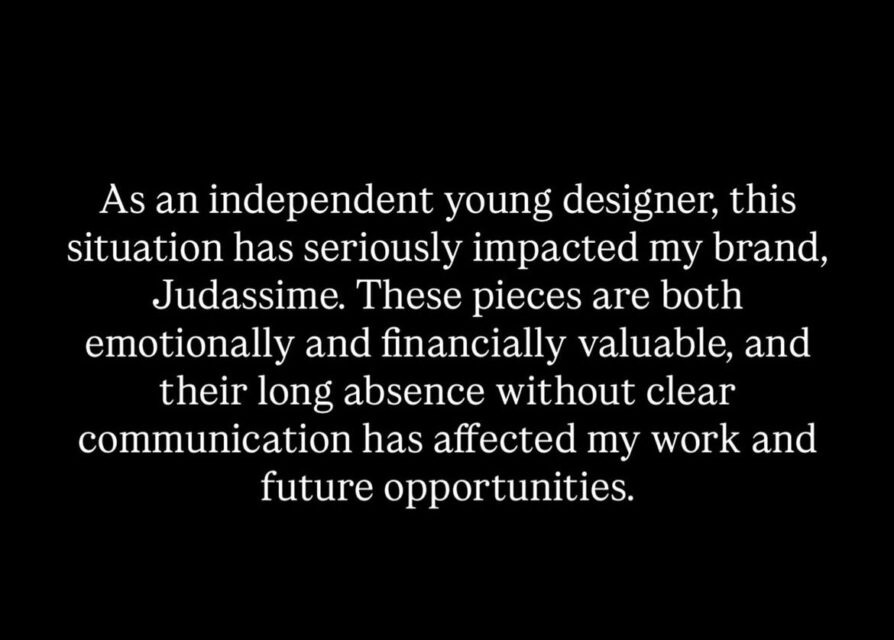
The designer’s subsequent public statements, aimed at clarifying his original intentions and lamenting the "hate messages" he received, highlight the often-unpredictable and uncontrollable nature of online discourse. What might commence as a targeted complaint can rapidly spiral into a broader, often emotional, debate concerning ethical conduct, public shaming, and the collective responsibility of both accusers and their online audience. Notably, even after Voortmans clarified that he was not "attacking" Jisoo, many netizens continued to express discomfort with the initial public accusation and the aggressive method he employed. This sentiment suggests a broader societal expectation for disputes, especially those involving prominent public figures, to be handled with a greater degree of discretion, professionalism, and adherence to established protocols, even when seeking legitimate resolution.
Official Responses and Lingering Questions
Amidst the swirling allegations and repeated clarifications from Benjamin Voortmans, Jisoo and her agency, YG Entertainment, issued a concise but unequivocally firm statement. Their official response definitively denied the accusations, asserting that Jisoo "never stole the clothes and had no involvement in their handling, storage, or delivery." This statement is strategically significant as it effectively distances Jisoo herself from any direct alleged wrongdoing. By specifying a lack of involvement in "handling, storage, or delivery," the agency’s statement subtly redirects potential culpability towards other parties involved in the logistical chain, such as stylists, production teams, or third-party couriers, implying that if any items were indeed mishandled or unreturned, the responsibility would lie with these intermediaries rather than the idol herself.
However, despite the agency’s firm denial of direct involvement, their statement did not provide an exhaustive public clarification regarding the ultimate fate of the alleged Judassime pieces or directly address the veracity of the designer’s claims that items were unreturned. The absence of a detailed public account from YG Entertainment concerning the specific items in question, or a more comprehensive explanation of their internal protocols for managing loaned garments, leaves several critical questions unanswered for external observers and the public. Similarly, Judassime has not publicly disclosed the specific contractual arrangements, if any, that were in place for the items in dispute, making it challenging for the public to fully ascertain the precise nature of the alleged "theft" or unauthorized use. This information asymmetry contributes significantly to the ongoing public speculation and fuels continued debate surrounding the incident.
Broader Implications for the Fashion and Entertainment Industries
This incident carries substantial implications for all parties directly involved and, by extension, for the broader fashion and entertainment industries. For Jisoo, who meticulously cultivates an image of elegance, integrity, and sophisticated style as a global ambassador for premier luxury brands, even an unsubstantiated accusation of "stealing" or unauthorized use of designer items can inflict tangible reputational damage. Luxury brands like Dior and Cartier meticulously safeguard their brand image, prioritizing exclusivity, ethical conduct, and an untarnished public persona from their ambassadors. Any controversy that casts even a fleeting shadow on these core values could potentially jeopardize future collaborations or negatively impact the public’s perception of her authenticity and trustworthiness. While YG Entertainment’s prompt and firm denial aimed to mitigate this fallout, the initial shockwave of the accusation undoubtedly generated a significant moment of concern among brand stakeholders and fans alike.
For Benjamin Voortmans and Judassime, the implications are equally intricate and potentially double-edged. While the controversy has undeniably brought their brand an unprecedented level of global exposure, this visibility has likely come at a considerable cost. The specific method of accusation, involving a direct public call to action against a universally beloved idol, has drawn widespread criticism and fostered a perception of unprofessionalism from a substantial segment of the public and potentially within the industry. This could adversely affect Judassime’s ability to secure future collaborations with other celebrities or to work effectively with stylists and publicists who might become wary of similar public disputes. The designer’s initial objective of seeking accountability may have been inadvertently overshadowed by the torrent of negative online discourse and the pervasive perception that he was attempting to leverage a celebrity’s name for opportunistic attention.

More broadly, this high-profile case vividly underscores the increasing challenges inherent in intellectual property protection and the maintenance of professional conduct within the fast-paced, highly visible world of celebrity endorsements and fashion collaborations. It highlights the critical and urgent need for clear, legally binding agreements between designers, celebrities, stylists, and their respective agencies regarding the appropriate use, timely return, and proper crediting of all loaned or gifted items. Furthermore, it serves as a potent cautionary tale about the immense power and inherent perils of social media as a primary platform for dispute resolution. While social media offers unparalleled direct communication, it often lacks the crucial nuance, controlled environment, and impartial mediation mechanisms necessary for equitable and measured conflict resolution.
In an era where celebrity endorsements are paramount for brand visibility and driving sales, the precise lines between creative inspiration, respectful homage, and outright appropriation can sometimes become blurred. This incident serves as a stark reminder to all stakeholders across the vast fashion ecosystem – from independent designers to global conglomerates and their celebrity faces – of the profound importance of transparent communication, stringent contractual obligations, and a meticulously considered approach to dispute resolution, ideally before such issues escalate into global online phenomena. The ongoing scrutiny surrounding this situation will undoubtedly stimulate further internal discussions within the industry regarding best practices for managing such high-profile collaborations and, crucially, for safeguarding both creative work and personal reputations. The ultimate resolution, or indeed the continued lack thereof, will undoubtedly set a significant precedent for how similar issues might be addressed in the future. The global public, meanwhile, continues to observe with keen interest, awaiting a definitive conclusion to this intriguing saga that intricately intertwines the worlds of K-Pop stardom, high fashion, and the complex pursuit of online justice.
Related News