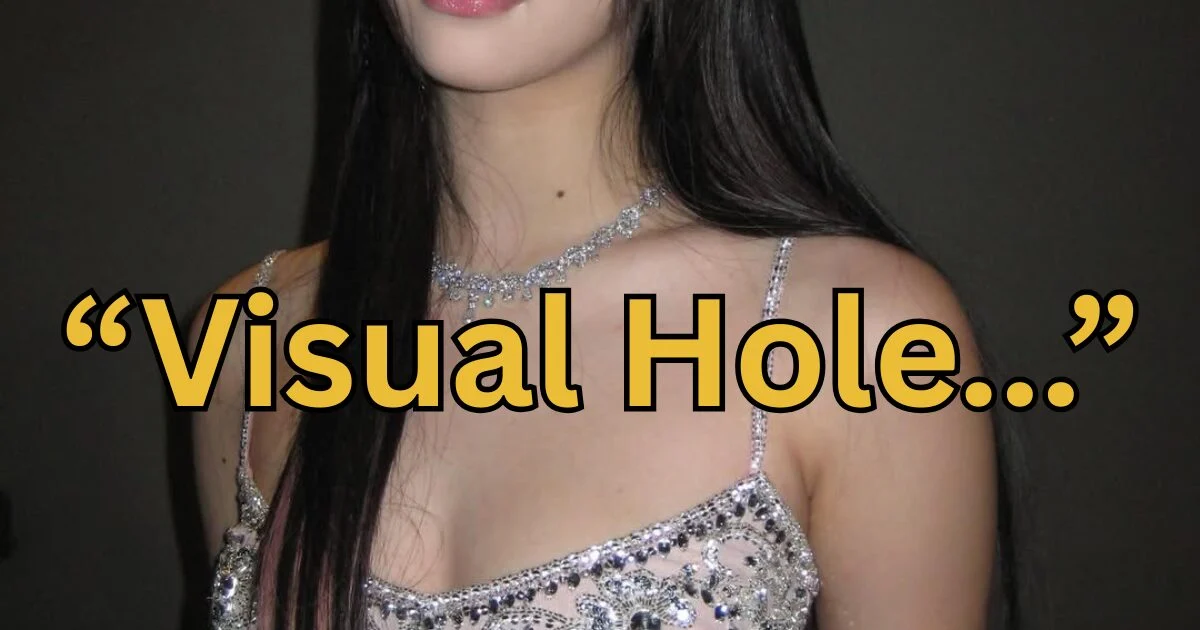
In a recent wave of intense online scrutiny, Megan, a member of the emerging global girl group KATSEYE, has faced significant criticism regarding her visual appearance, sparking widespread debate across social media platforms. The controversy has intensified as the group continues to navigate a period of heightened public attention, particularly amidst the ongoing hiatus of fellow member Manon. The criticisms, which have escalated into viral posts, question Megan’s suitability for the group’s visual lineup and highlight the relentless pressure placed on idols in the highly competitive K-Pop industry.
The Genesis of KATSEYE: A Global Ambition
KATSEYE was formed through the highly publicized "Dream Academy" survival show, a groundbreaking collaboration between South Korean entertainment giant HYBE Corporation and American record label Geffen Records, a division of Interscope Geffen A&M. Launched with the explicit goal of creating a truly global girl group, the "Dream Academy" involved contestants from various countries competing through rigorous training and performance challenges, with fans worldwide participating in the selection process. This unique formation strategy aimed to transcend traditional K-Pop markets, building a diverse and internationally appealing ensemble. The group’s formation process was meticulously documented, generating significant anticipation and setting high expectations for its members, not only in terms of talent but also in their overall public image. The inherent nature of such a public selection process means that every aspect of the members, from their vocal abilities to their visual presentation, is subjected to intense fan and media dissection long before their official debut.
A Group Under Scrutiny: Pre-Debut Pressures and Manon’s Hiatus

Even before its formal debut, KATSEYE has been subjected to considerable public scrutiny, a common phenomenon for groups emerging from high-profile companies like HYBE, which manages global superstars such as BTS and NewJeans. The group has reportedly been a target of "major hate and criticism" in recent months, a period often characterized by pre-debut evaluations and fan anticipation. This critical spotlight has been further magnified by the current hiatus of member Manon. While the specific reasons for Manon’s absence have not been detailed in the initial reports, any disruption to a group’s lineup, especially during its formative stages, can create instability and invite increased public speculation. Such a situation often leads fans and anti-fans alike to re-evaluate the remaining members, inadvertently placing additional pressure on them to maintain the group’s cohesion and public appeal. The absence of a member can shift internal dynamics and external perceptions, making the group’s overall visual and performance chemistry a renewed subject of discussion and sometimes, unwarranted criticism.
The Core Controversy: Megan’s Visuals Under Fire
The recent wave of criticism specifically targeting Megan’s visuals gained traction around June 12-13, 2026, when several posts on social media platforms, particularly X (formerly Twitter), went viral. These posts contained scathing remarks, with users claiming that Megan "brings the group down visually." One widely circulated tweet explicitly stated, "People waking up to the fact that Megan brings the group down visually," while another went further, suggesting, "The way I didn’t even notice Megan was gone she really adds nothing to the group." Other posts were equally harsh, asserting that Megan "wouldn’t be missed in KATSEYE" and using images as "proof" of what critics deemed "poor visuals." Terms like "sneak visual hole" and claims that she is "not even top 1k faces" illustrate the extreme nature of the online backlash. This type of criticism is particularly insidious in the K-Pop landscape, where visual appeal is often deemed as important as talent, and idols are frequently ranked and judged based on their appearance by both fans and the general public. The public nature of these comments not only exposes Megan to direct personal attacks but also risks solidifying a negative public perception that can be challenging to overcome in the competitive entertainment industry.
The Defense Rises: Fandom Reacts to Visual Shaming
In response to the escalating criticism, a significant segment of the KATSEYE fanbase and broader K-Pop community swiftly came to Megan’s defense. Many expressed deep discomfort with the nature of the online discourse, highlighting the ethical concerns surrounding public shaming and cyberbullying. Fans questioned the validity and cruelty of the attacks, with one supporter tweeting, "this discussion of Megan’s looks are making me severely uncomfortable idk guys." Others expressed disbelief that anyone could consider Megan to have "bad visuals," suggesting that such judgments were subjective and unfair. These counter-reactions underscore a growing awareness within the K-Pop fandom about the detrimental effects of online toxicity on idols’ mental health and well-being. The rapid mobilization of defenders demonstrates a collective desire to protect artists from unwarranted personal attacks, advocating for a more respectful and supportive fan culture. This split in online opinion reflects a broader struggle within digital communities to balance freedom of expression with the responsibility to foster a healthy environment for public figures.

Understanding K-Pop’s Visual Standards and Online Toxicity
The intensity of the criticism leveled against Megan’s visuals is a stark reminder of the often-unrealistic beauty standards prevalent in the K-Pop industry. In South Korea, and increasingly globally, visuals are considered a crucial component of an idol’s appeal, often influencing their popularity and marketability. Companies invest heavily in styling, makeup, and even cosmetic procedures to cultivate a specific visual image for their artists. The concept of a "visual member" or "center" within a group, who is often lauded for embodying conventional beauty ideals, further perpetuates this emphasis. However, these standards are often narrow and culturally specific, leading to subjective interpretations and intense public judgment.
The rise of social media has exacerbated this issue, transforming fan discourse into a highly public and often unregulated arena. Platforms like X, Instagram, and various online forums provide immediate avenues for both support and criticism, allowing opinions to spread rapidly and sometimes virally. The anonymity offered by these platforms can embolden individuals to post harsh comments that they might not articulate in face-to-face interactions. This environment fosters a culture where "anti-fans" can easily organize and amplify negative sentiments, often without facing direct consequences. The cumulative effect of such widespread negative commentary can be devastating for idols, who are constantly under the public eye and whose professional success is intricately linked to their public image.
Moreover, the phenomenon of "visual holes" or "weakest links" in a group, while a long-standing concept in K-Pop discussions, has taken a more aggressive turn with the ubiquity of online platforms. Fans often engage in ranking and comparing idols, and when a member is perceived to fall short of conventional beauty standards or the perceived visual harmony of their group, they can become targets of intense and often personal attacks. This culture not only puts immense pressure on idols to conform to specific aesthetic ideals but also raises questions about the ethical boundaries of fan engagement and the responsibilities of platform providers in moderating harmful content.
The Broader Implications: Mental Health and Industry Responsibility
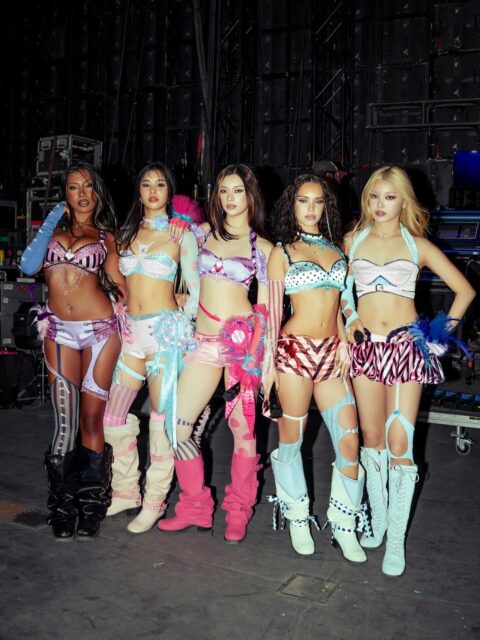
The incident involving Megan of KATSEYE highlights critical issues regarding the mental health of idols and the responsibilities of their management agencies. Idols, particularly those in nascent groups, are incredibly vulnerable to online criticism, which can lead to severe psychological distress, including anxiety, depression, and self-esteem issues. The constant barrage of negative comments can erode an individual’s confidence and passion for their craft, potentially impacting their performance and overall career trajectory. Several studies and reports have highlighted the pervasive issue of cyberbullying in the entertainment industry, noting its disproportionate impact on young artists.
HYBE and Geffen Records, as the agencies behind KATSEYE, bear a significant responsibility in protecting their artists from such harmful attacks. While specific official statements regarding Megan’s situation have not been publicly reported, industry best practices dictate that agencies should have robust systems in place for monitoring online activity, providing mental health support to their artists, and taking legal action against malicious commenters when necessary. A lack of visible action can be perceived as indifference, further emboldening online harassers and potentially damaging the group’s reputation. Managing public relations in such situations requires a delicate balance: condemning cyberbullying without inadvertently amplifying the negative comments, while also offering visible support to the affected artist. The industry has seen increasing calls for stricter regulations and more proactive measures from entertainment companies to safeguard the well-being of their talent.
Looking Ahead: KATSEYE’s Path Forward Amidst Controversy
The controversy surrounding Megan’s visuals presents a significant challenge for KATSEYE as they prepare for their official debut or continue their early promotional activities. Such negative attention can overshadow their musical talent and artistic contributions, diverting focus to superficial aspects. For HYBE and Geffen, this incident serves as a crucial test of their ability to manage public perception, support their artists, and cultivate a positive environment for their global venture. The group’s success will depend not only on their music and performances but also on their ability to navigate the complex and often unforgiving landscape of online fandom.
The incident also sparks a broader conversation within the K-Pop community about the evolution of fan culture and the imperative for greater empathy and respect. As K-Pop continues its global expansion, reaching diverse audiences, the industry faces an ongoing challenge to foster a supportive community while simultaneously addressing the pervasive issue of online toxicity. The future trajectory of KATSEYE, and specifically Megan, will undoubtedly be watched closely as they endeavor to overcome these early hurdles and establish their identity in the competitive global music scene. The path forward for the group will likely involve a concentrated effort to reinforce their core artistic strengths and to promote a message of inclusivity and self-acceptance, pushing back against the narrow confines of conventional beauty standards.