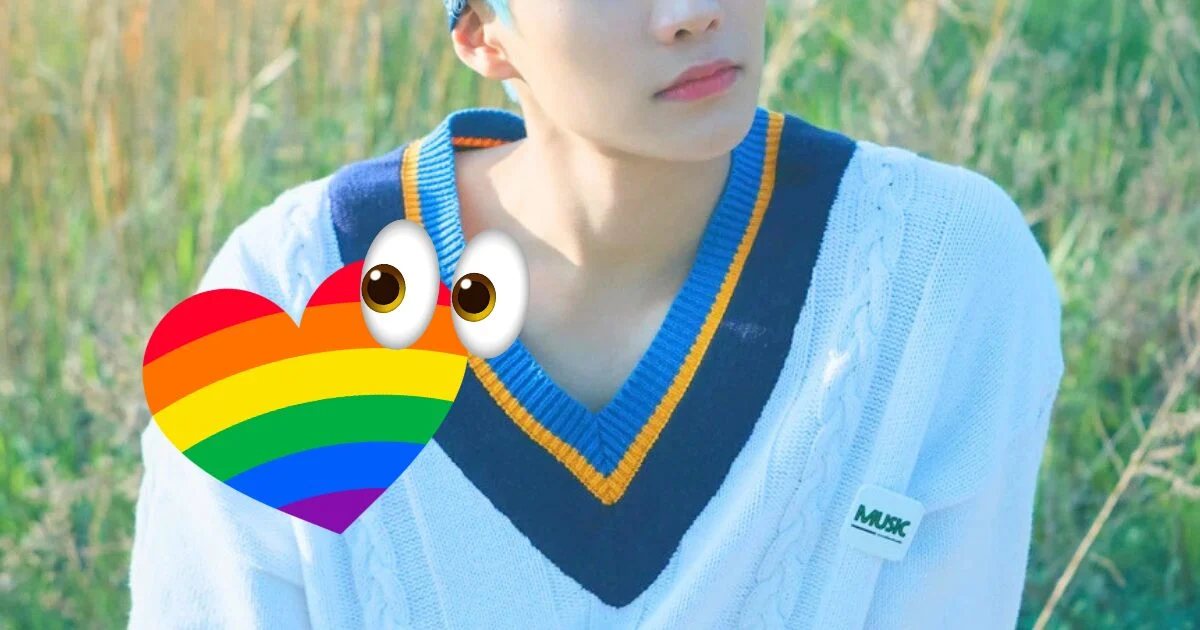
In a development that has sent ripples through the global K-Pop community, former GHOST9 member Lee Dongjun, now known by his solo artist moniker Brad, has seemingly made a public declaration regarding his sexual orientation via an Instagram video. The post, which candidly detailed aspects of his past life as an idol, included a subtle yet impactful statement interpreted by many fans as a coming out. This moment has ignited widespread discussion about LGBTQ+ representation within the often-conservative K-Pop industry and the increasing willingness of former idols to express their authentic selves.
A Bold Declaration Amidst Reflection
The pivotal moment occurred in a video shared on Brad’s personal Instagram account, where he offered followers a glimpse into his daily life and reflected on the significant differences between his past as a K-Pop idol and his current independent career. While recounting the various deprivations he experienced during his idol trainee and active periods – including limited phone access, lack of days off, and financial constraints – he added a striking phrase: "no boyfriend," immediately followed by the eggplant emoji. This particular emoji is widely recognized across social media platforms as a phallic symbol, lending significant weight to the interpretation that Brad was not only lamenting the absence of a romantic partner but specifically a male one.
The casual, almost nonchalant manner in which this statement was delivered contrasted sharply with its profound implications. For many fans and observers, the absence of any mention of a "girlfriend" alongside "no boyfriend" solidified the interpretation that Brad was identifying as gay. The video quickly went viral, with screenshots and clips circulating across Twitter (now X) and other social media platforms, sparking a flurry of reactions ranging from celebratory support to careful analysis of its authenticity. As of this report, the Instagram post remains active, indicating a deliberate stance by the artist.
From GHOST9 to Brad: A Career Trajectory and Evolving Freedom
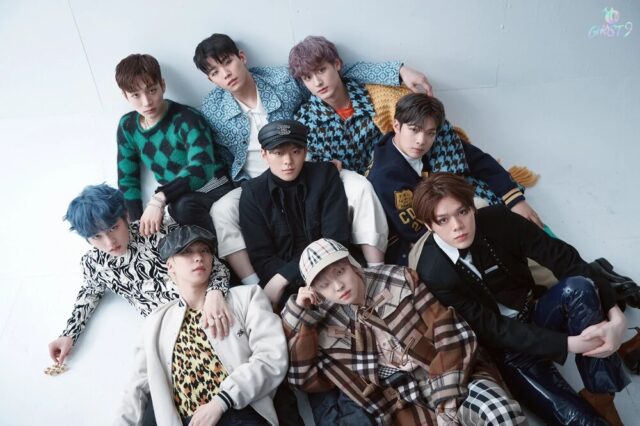
To fully appreciate the context of Brad’s recent declaration, it is essential to trace his career path within the highly structured K-Pop industry. Lee Dongjun first entered the public eye as a member of the boy group GHOST9, which debuted in September 2020 under Maroo Entertainment. The group launched with an ambitious nine-member lineup, generating considerable anticipation within the competitive K-Pop landscape. Their debut mini-album, Pre-Episode 1: DOOR, introduced their unique "Ghost" concept, blending futuristic elements with a youthful energy.
However, the group’s initial full lineup proved to be short-lived. In September 2021, just a year after their debut, Maroo Entertainment announced the departure of Dongjun and fellow member Hwang Taeseung, citing personal reasons and a desire for the members to pursue their individual paths. GHOST9 continued as a seven-member group, navigating subsequent comebacks and promotions. Dongjun’s departure marked a significant turning point, freeing him from the stringent contractual obligations and public image management often associated with active K-Pop idols.
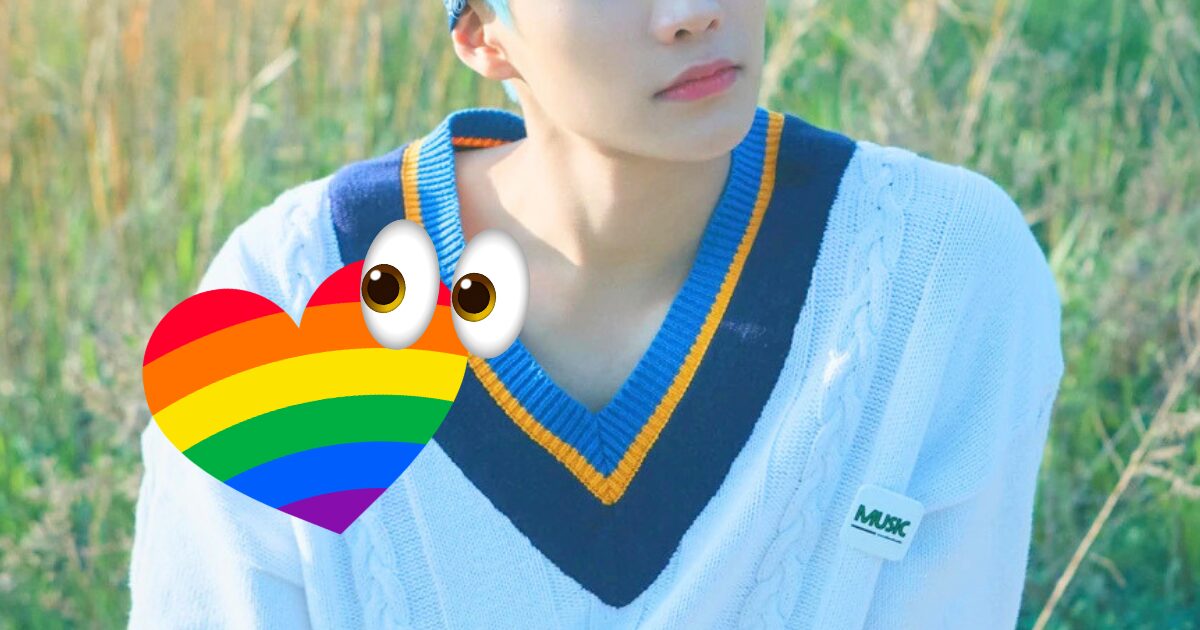
Following his departure from GHOST9, Dongjun embarked on a new chapter, eventually re-debuting as a solo artist under the stage name Brad. This transition culminated in 2025 with the release of his digital single, “Invade Day.” His solo work allowed him greater creative control and a more personal connection with his audience, distinct from the heavily curated group identity he once maintained. This period of artistic independence likely provided him with the space and confidence to explore his identity more openly, culminating in the recent Instagram post. The transition from a former idol to an independent artist often grants individuals a degree of freedom to express personal views and aspects of their identity that might have been suppressed or heavily managed under agency control.
The Nuance of the Statement: Decoding the Message and Public Reception
Brad’s Instagram video, particularly the segment discussing his past privations, became the focal point of intense online scrutiny. The list of "lacking" items – a phone, days off, money – resonated with many who understand the demanding and often restrictive lifestyle of K-Pop trainees and idols. However, it was the inclusion of "no boyfriend" with the eggplant emoji that unequivocally shifted the conversation. In contemporary digital communication, emojis often carry nuanced or symbolic meanings that extend beyond their literal representations. The eggplant emoji, while originally depicting a vegetable, has become a widely recognized euphemism for the penis, particularly in sexually suggestive contexts. When paired with "no boyfriend," it strongly implies a desire for a male romantic and sexual partner.
The immediate reaction from many fans was one of affirmative support and excitement. Numerous tweets quickly emerged, celebrating what they perceived as a significant coming out. Users like @tikkis_version articulated the importance of such acts, stating, "every single ex kpop coming out does look like fork found in the kitchen which is really funny considering how bad kpoppies gaydar usually is but please please never forget how important that is for the queer community and how brave it is of the person to open to the world." This sentiment highlights a perceived pattern of K-Pop idols revealing their sexuality in understated ways, yet underscores the profound courage required and the immense value these moments hold for the queer community. Other reactions, such as @yunhoeeeeee’s "ofc an ex ghost9 member is gay 😂😂😂," and @xdinarydoll’s "its lik seeing an ex u hven’t seen in years n ofc he’s gay," reflect a blend of humor, knowing acceptance, and perhaps a sense of validation for those who may have previously speculated about his orientation.
While the prevailing interpretation leans heavily towards a coming out, a small segment of the online community has raised the possibility of "baiting" – where an individual makes suggestive statements to garner attention or engagement without intending a genuine declaration. However, the sustained presence of the post and the directness of the phrasing have largely overshadowed this skepticism. In a landscape where explicit declarations from K-Pop figures are rare, even a subtle or ambiguous statement is often parsed with intense scrutiny and hope by the LGBTQ+ community and its allies.
K-Pop’s Shifting Sands: LGBTQ+ Representation in a Conservative Industry
Brad’s apparent declaration occurs within a broader, complex cultural context regarding LGBTQ+ rights and visibility in South Korea and, by extension, its global cultural export, K-Pop. South Korea remains a largely conservative society, particularly concerning issues of sexual orientation and gender identity. While there have been gradual shifts towards greater acceptance, legal protections for LGBTQ+ individuals are still limited, and social stigma persists. This societal conservatism is often reflected and amplified within the K-Pop industry, which thrives on carefully constructed public images, often rooted in traditional notions of masculinity and femininity, and catering to a diverse, global fanbase that includes many conservative markets.
Historically, explicit LGBTQ+ representation or "coming out" stories from K-Pop idols have been exceptionally rare. The industry places immense pressure on idols to maintain an unblemished, universally appealing image, often requiring them to refrain from discussing personal relationships or sensitive social issues. For male idols, the expectation of portraying a conventionally attractive, often heteronormative persona is particularly strong, as a significant portion of their fanbase consists of young women. Disclosing a non-heterosexual identity can be perceived as a risk to marketability, endorsement deals, and overall career longevity.
One notable exception is Holland, who debuted in 2018 as K-Pop’s first openly gay idol. His career, while celebrated by international fans and LGBTQ+ advocates, has often highlighted the challenges of operating outside the industry’s traditional norms, with limited mainstream support within South Korea itself. Other instances of LGBTQ+ references in K-Pop have typically been more subtle, often through song lyrics, music video aesthetics, or carefully choreographed performances, leaving room for ambiguity. Brad’s statement, while still somewhat subtle in its delivery, is significant because it comes from a former member of a group from a well-established agency, adding another voice to the slowly growing chorus of queer representation. It demonstrates a potential shift in the courage and perceived safety for individuals to express their true selves once they are no longer bound by the strictestures of active idol contracts.
Implications for Brad and the Broader K-Pop Landscape
Brad’s Instagram post carries multiple layers of implications, both for his individual career and for the wider K-Pop industry. For Brad himself, this apparent coming out could solidify his image as an authentic and courageous artist. While it might alienate a segment of a more conservative audience, it is likely to galvanize strong support from LGBTQ+ fans and allies globally, potentially broadening his fanbase among those who value authenticity and representation. His solo career, already established on his own terms, provides a more flexible platform for such personal expression compared to the rigid constraints of a group idol.
More broadly, this event contributes to the ongoing, albeit slow, evolution of LGBTQ+ visibility within K-Pop. Each instance of an idol or former idol publicly acknowledging their non-heterosexual identity chips away at the entrenched taboos and encourages more open dialogue. While it may not immediately lead to a flood of similar declarations from active idols, it certainly pushes the boundaries of what is considered permissible or acceptable. It offers a sense of validation and hope to LGBTQ+ youth who look up to K-Pop stars, providing much-needed role models in a culture where such representation is scarce.
The reactions on social media underscore the immense hunger for genuine connection and representation among fans. The celebratory tone of many tweets suggests that for a significant portion of the global K-Pop fandom, an idol’s sexual orientation is not a barrier to support, and in many cases, is seen as a reason for even deeper admiration. This global fan sentiment can, over time, exert pressure on agencies and the industry at large to reconsider their conservative stances and potentially create safer spaces for idols to be themselves.
Conclusion: A Step Towards Greater Openness?
Brad’s seemingly casual yet profoundly significant Instagram post marks another notable moment in the ongoing conversation about identity, authenticity, and representation within the K-Pop world. As a former member of GHOST9 and now an independent artist, his choice to share this aspect of his life highlights the increasing desire for idols, current or past, to live and express themselves genuinely. While the K-Pop industry still has significant ground to cover in terms of full LGBTQ+ acceptance and inclusion, such declarations, however subtle, serve as important catalysts. They challenge long-held norms, empower fans, and gradually, but surely, contribute to a more diverse and inclusive cultural landscape, signaling a potential future where authenticity might become as valued as talent and charisma.