
The K-Pop industry, known for its dazzling performances and global reach, often conceals the harsh realities faced by many idols once their spotlight fades. This stark contrast was brought into sharp focus recently with the unexpected career transition of Haru, a former member of the girl group NATURE. Reports surfaced revealing Haru, whose real name is Abe Haruno, introducing herself as an employee at the Royal Club Sendai, a hostess club in Japan, a move that sent ripples of concern through her fanbase and the wider K-Pop community, while also serving as an unofficial confirmation of NATURE’s disbandment. The initial announcement of her new role was swiftly followed by an official statement from n.CH Entertainment, NATURE’s agency, confirming the group’s disbandment, bringing a definitive end to their six-year journey.
From K-Pop Stage to Japanese Hostess Club: Haru’s Initial Transition
The news broke through a video widely circulated online, featuring Haru openly introducing herself to future patrons of the Royal Club Sendai. What made the revelation particularly striking was Haru’s candid acknowledgment of her past as a "former K-Pop idol." The promotional video for the club strategically incorporated clips of her from fan meetings and music shows during her time with NATURE, effectively leveraging her previous public persona to attract clientele. In the video, Haru was seen engaging in activities typical of a hostess club environment, including dancing and interacting with bottles of alcohol.
For those unfamiliar with the cultural nuances, a hostess club in Japan is a type of establishment where female staff, known as hostesses, are employed to provide companionship and entertainment to male guests, primarily through conversation, pouring drinks, and engaging in social activities. It is crucial to distinguish this profession from sexual services; hostess clubs are generally understood to offer non-sexual company and conversation in a social setting. However, the role often entails significant social drinking, a point of concern for many fans who expressed worry about Haru’s health and well-being.
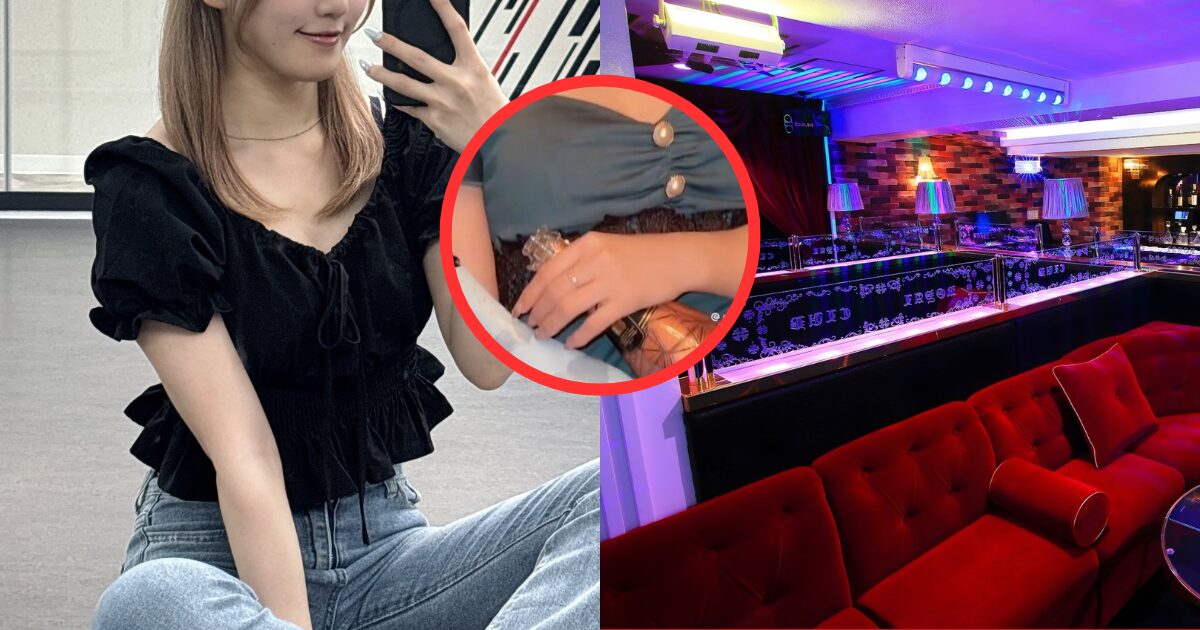
The immediate reaction from fans was a mix of shock, sadness, and profound concern. Many took to social media and online forums to discuss the implications of Haru’s new role, particularly highlighting the perceived pressure to consume alcohol inherent in the job. This concern underscored a broader anxiety about the often-unseen struggles of idols post-career, especially those from groups that did not achieve mainstream success.
The Trajectory of NATURE: A Six-Year Journey
NATURE, managed by n.CH Entertainment, debuted on August 3, 2018, with their single album Girls and Flowers. The group initially comprised nine members: Lu, Sohee, Aurora, Saebom, Chaebin, Loha, Uchae, Sunshine, and Haru. The group aimed to captivate audiences with their bright and energetic concepts, striving to carve out a niche in the highly competitive K-Pop landscape.
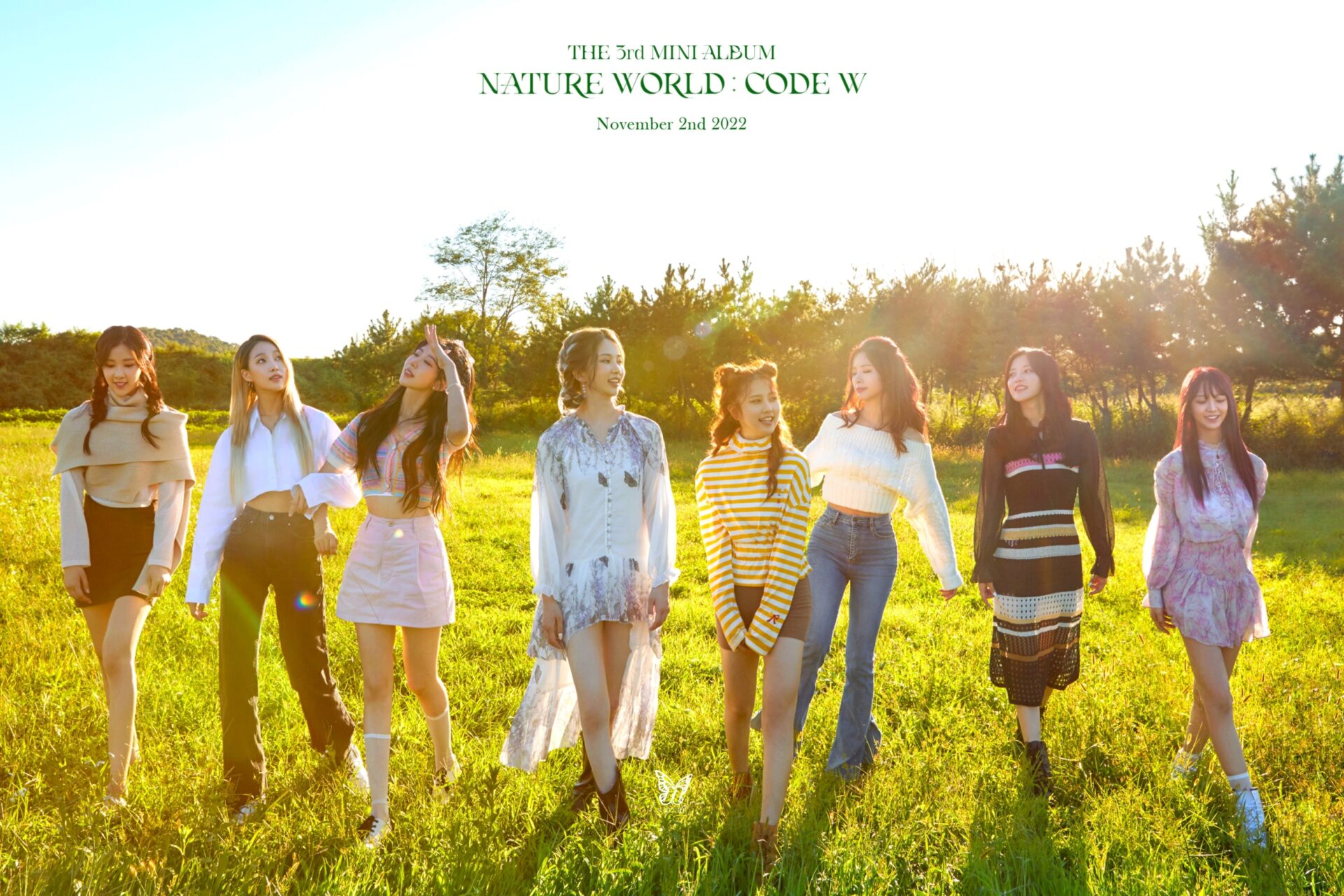
Throughout their career, NATURE released several mini-albums and singles, including NATURE World: Code A (2019), NATURE World: Code M (2020), and their last major comeback, NATURE World: Code W, released on November 6, 2022, featuring the title track "LIMBO! (Dance with me)." Despite their consistent efforts and a dedicated fanbase, NATURE struggled to achieve the widespread recognition and commercial success that would secure their long-term stability in the industry.
The K-Pop industry is notoriously challenging, with hundreds of groups debuting annually, but only a fraction managing to break through to sustained popularity. Many groups, despite talent and hard work, face immense financial pressures, often accruing significant debt to their agencies for training, production, and marketing costs. For groups that do not generate substantial income, the financial burden can be insurmountable, leading to eventual disbandment, often without a formal announcement. The average lifespan of a K-Pop group is often shorter than perceived, with many groups quietly fading away after a few years if they fail to gain traction.

Unofficial Confirmation and Fan Disheartened
Long before Haru’s video surfaced, there had been growing signs suggesting NATURE’s impending disbandment. The group’s official Bubble service, a platform for idols to communicate directly with fans, had become defunct. Members had also subtly distanced themselves from the "NATURE" identity on their personal social media accounts, removing mentions of the group or agency. Haru’s return to Japan prior to the news was another indicator, signaling a potential shift away from her K-Pop career in Korea. These subtle cues left fans in a state of uncertainty and apprehension, speculating about the group’s future.
The appearance of Haru’s video, therefore, served as an unofficial yet poignant confirmation for many fans that their beloved group had indeed disbanded. The emotional impact on the fandom was palpable. Many expressed profound sadness, lamenting the lack of a formal announcement from n.CH Entertainment regarding the group’s fate. Comments on online platforms highlighted the frustration of learning about a group’s disbandment through such an indirect and personal revelation from a member. One fan articulated this sentiment by stating, "This is the first disbandment of a group that I really really loved that I have experienced I am distraught," while another noted it was "quite a way to learn about a disbandment" and wished agencies handled such news with more transparency and care.
For fans, a disbandment is not just the end of a musical group but often the conclusion of a significant chapter in their lives, marked by emotional investment, community building, and shared experiences. The absence of a clear statement or a farewell from the agency deprives both the idols and their fans of closure, making the transition even more difficult.
Official Confirmation and the Agency’s Statement
In a development that followed swiftly after the viral circulation of Haru’s video, n.CH Entertainment officially announced NATURE’s disbandment. On April 27, 2024, the agency released a statement confirming that the members had decided to go their separate ways. The statement acknowledged the group’s journey since 2018 and thanked fans for their unwavering support. It also assured fans that while the group activities would cease, the agency would continue to support the individual members in their future endeavors, though specific details were not provided.

This official announcement, though late for many fans who had already processed the news through Haru’s revelation, provided the necessary confirmation and brought a degree of finality to the situation. It underscored the common practice in the K-Pop industry where official disbandment announcements sometimes lag behind the actual cessation of group activities, or are only made after a significant event forces the agency’s hand.
The Broader Landscape of Post-Idol Careers
Haru’s career transition highlights a critical, often overlooked aspect of the K-Pop industry: the challenging reality of life after idol status. For many idols, especially those from groups that do not achieve superstar status, the transition back to "normal" life or into a new career path can be incredibly difficult. They often debut at a young age, having dedicated their formative years to intense training, sacrificing education, personal relationships, and typical adolescent experiences. When their idol career ends, they may find themselves without significant financial savings, specialized vocational skills outside of entertainment, or robust support networks.
The K-Pop idol system, while creating global stars, also produces a large number of individuals who face immense pressure to succeed and then navigate a complex post-career landscape. Stories of former idols struggling financially or mentally are not uncommon, prompting calls for better support systems from agencies and the industry at large. This includes vocational training, financial literacy education, and mental health resources to help idols prepare for and cope with the end of their performance careers.
Haru’s decision to work in a hostess club, while culturally specific to Japan, resonates with the broader theme of former idols seeking unconventional or non-entertainment-related jobs to secure their livelihoods. It sheds light on the economic imperative that often drives these choices, challenging the glamorous perception of idol life and revealing the practical needs that arise once the contracts end and the stage lights dim.
A New Chapter: K-Pop Dance Instructor
In a further development, Haru’s time at the Royal Club Sendai appears to have been relatively short-lived. Following the widespread attention and discussion surrounding her role there, reports and social media posts indicate that she has since transitioned to a new profession: teaching K-Pop dance classes in Sendai. This move suggests a return to a field more closely aligned with her past expertise and passion, offering a more direct continuation of her skills as a performer.
Her new role as a dance instructor represents a potentially more stable and professionally gratifying path, allowing her to leverage her extensive experience and talent in K-Pop performance while staying connected to the industry in a different capacity. This transition highlights the resilience and adaptability often required of former idols, as they seek to redefine their careers and find new avenues for expression and income. It also underscores the global appeal of K-Pop, enabling former idols to find opportunities even after their group activities conclude.
Haru’s journey from a K-Pop idol to a hostess, and now to a K-Pop dance instructor, serves as a compelling narrative within the broader story of the K-Pop industry. It illustrates the often-unpredictable career paths of idols, the challenges they face post-disbandment, and their determination to build new lives. Her experience brings vital conversations to the forefront regarding industry responsibilities, fan expectations, and the multifaceted realities of life beyond the idol stage. As K-Pop continues its global expansion, such stories offer crucial insights into the human element behind the glitz and glamour, advocating for greater transparency, support, and understanding for the artists who dedicate their lives to entertaining millions.