"Fraudulent!" Drastic Drop In Streaming Numbers For Huge K-Pop Idols Sparks Divided Reactions
Article Editorial Team

The integrity of streaming metrics, particularly within the intensely competitive K-Pop industry, has once again become a focal point of controversy following a significant purge of alleged "fraudulent" streams on Spotify. This recent event, which saw major drops in streaming numbers for globally renowned groups BTS and aespa, has ignited a fierce debate among fans and industry observers regarding the authenticity of digital popularity and the pervasive issue of artificial stream generation. The incident, brought to light by aggregated data, has led to widespread accusations of inorganic growth against some of K-Pop’s biggest names, while simultaneously prompting a more nuanced discussion about the complexities of streaming data.
The Incident Unfolds: A Sudden Drop in Daily Streams
The controversy began to unfold on June 1, 2026, when a prominent K-Pop data aggregator, "Pop Stats" (@PopStats07), shared a tweet displaying the daily streaming figures for top K-Pop albums on Spotify. What immediately caught the attention of the global K-Pop community was not just the high numbers, but the drastic negative change in streams recorded for several leading artists. While various groups experienced minor fluctuations, the most significant drops were observed for two of the industry’s most prominent acts: the global phenomenon BTS and the rising powerhouse aespa.
Specifically, the data indicated a substantial reduction, with one BTS album reportedly losing 14 million streams and a popular BTS song, previously recognized as a "song of the summer," seeing a deduction of 7 million streams. While exact figures for aespa were not as widely detailed in the initial viral discussions, their inclusion alongside BTS as a primary group impacted underscored the gravity of the purge. These dramatic decreases in a single daily reporting cycle immediately fueled speculation and accusation across social media platforms.
International Netizen Outcry: Accusations of Fraud
The immediate aftermath of the Pop Stats tweet saw an eruption of strong reactions from international netizens, predominantly on platforms like X (formerly Twitter). A significant portion of these reactions leveled direct accusations of "fraud," "inorganic growth," and "botted streams" against the affected groups, particularly BTS. Comments such as, "Can we all agree BTS is the most fraudulent, inorganic, and fakeass group to exist in the world. Their streams are nothing but botted," quickly went viral, reflecting a deep-seated skepticism among some segments of the fanbase and rival fandoms regarding the legitimacy of these artists’ massive digital success.

Another widely circulated sentiment highlighted the perceived lack of transparency in award shows and chart systems, with one netizen stating, "-14m from the album and the song which was the song of the summer at @AMAs has -7m streams deleted..no transparency left in these award shows." These reactions underscored a broader frustration with what some perceive as a manipulated system, where astronomical streaming numbers might not always reflect genuine listener engagement. The sheer scale of the stream reductions fueled these allegations, leading many to conclude that artificial methods must have been at play.
Korean Netizen Perspectives: A More Nuanced Debate
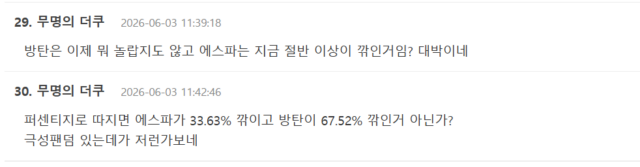
In stark contrast to the often-unanimous condemnation seen among international netizens, reactions from Korean online communities presented a more mixed and nuanced perspective. While some Korean users expressed surprise at the magnitude of the drops for BTS and aespa, many cautioned against immediate conclusions of fraud. Their discussions highlighted several factors that could contribute to stream fluctuations, beyond outright botting.
Korean netizens suggested that attributing all stream reductions solely to "fandom streaming" or "bots" might be an oversimplification. They pointed out that streaming platforms regularly conduct purges of what they deem "artificial streams," a process that can sometimes mistakenly impact legitimate but highly dedicated fan streaming patterns. Furthermore, factors such as the conclusion of promotional periods, the natural decline in listener engagement over time, and even algorithmic adjustments by the streaming platforms themselves could contribute to significant drops. The consensus among a considerable portion of Korean netizens was that these statistics should not be taken in isolation and require broader context before definitive judgments are made. This perspective emphasizes the intricate relationship between artist, platform, and audience, where the line between dedicated fandom efforts and manipulative practices can sometimes appear blurred.
Understanding "Artificial Streams" and Spotify’s Role
The term "fraudulent streams" or "artificial streams" refers to play counts generated by non-human activity or through deceptive means, rather than genuine listener engagement. This can include:
- Bots: Automated software programs designed to play songs repeatedly.
- Click Farms: Networks of human operators or devices playing music on a loop.
- Manipulated Accounts: Using numerous fake or compromised accounts to inflate numbers.
- Stream Farms: Companies offering to boost streams for a fee, often employing the above methods.
Streaming platforms like Spotify have invested heavily in sophisticated algorithms and fraud detection systems to identify and purge these artificial streams. Their terms of service explicitly prohibit any form of artificial stream generation. When such streams are detected, they are removed from an artist’s total count, leading to the kind of drastic drops witnessed by BTS and aespa. Spotify’s rationale behind these purges is to maintain the integrity of their charts, ensure fair compensation for artists based on genuine engagement, and provide an accurate representation of listener preferences. The platform continuously refines its methods to combat these ever-evolving fraudulent practices, viewing it as a critical component of their business model and credibility within the music industry.

Historical Context: Previous Stream Purges in K-Pop
This is not an isolated incident in the K-Pop landscape. The industry has a documented history of artists experiencing significant stream purges, indicating an ongoing battle between platforms and those attempting to manipulate metrics. For instance, in an earlier notable event, BTS member Jimin reportedly lost over 200 million "fraud" streams, an astonishing figure that highlighted the scale of the issue. Other popular idols, including members of BLACKPINK (Rosé, Jennie) and BTS’s Jungkook, have also been cited in previous reports of stream adjustments. These past events serve as a crucial backdrop, demonstrating that the recent drops for BTS and aespa are part of a larger, recurring pattern rather than an unprecedented occurrence. Each purge brings renewed scrutiny to the methods employed by some to boost their favorite artists, and to the platforms’ continuous efforts to counteract such activities.
The Significance of Streaming Numbers in K-Pop
Streaming numbers hold immense weight in the K-Pop industry, far beyond mere bragging rights. They are critical indicators of an artist’s global popularity, commercial viability, and influence.
- Chart Performance: High stream counts are essential for charting on domestic and international music charts (e.g., Billboard, Spotify Global).
- Awards and Recognition: Many prestigious music awards, both in Korea and globally, heavily factor in streaming data for nominations and wins.
- Brand Endorsements: Artists with massive, verifiable streaming numbers are more attractive to brands for lucrative endorsement deals.
- Public Perception and Media Hype: High streams generate media buzz and reinforce an artist’s image as a global sensation.
- Financial Revenue: While individual stream payouts are small, cumulative billions of streams translate into significant revenue for artists and their agencies.
Given these high stakes, the pressure to achieve and maintain astronomical streaming figures is immense, creating an environment where some may resort to illegitimate means. This pressure is further amplified by intense fandom rivalries, where streaming achievements become a proxy for an artist’s perceived dominance and success.
Navigating the Grey Area: Fandom Streaming vs. Botting
A significant challenge in this debate lies in distinguishing between legitimate, albeit highly organized, fan streaming efforts and outright fraudulent botting. K-Pop fandoms are renowned for their dedication and strategic coordination. Fans often organize mass streaming parties, create extensive playlists, and encourage continuous playback to boost their idols’ numbers. While these activities are driven by genuine enthusiasm, the sheer volume and repetitive nature can sometimes mimic patterns associated with artificial streams, potentially leading to accidental purges of legitimate plays by detection algorithms.
However, there is a clear ethical and technical distinction between a dedicated fan replaying a song numerous times and an automated bot running 24/7 on hundreds of accounts. The former, while intensive, involves human interaction and genuine intent to listen; the latter is purely manipulative. The difficulty for platforms lies in precisely identifying this distinction without penalizing legitimate fan activity. This grey area contributes to the divided reactions, as fans of the affected groups often argue that their legitimate efforts are being unfairly labeled as fraudulent.
Implications for Artist Agencies and the Industry
For artist agencies like HYBE (BTS’s agency) and SM Entertainment (aespa’s agency), managing perceptions around streaming integrity is crucial. While they consistently advocate for organic growth and condemn fraudulent practices, any association with "botted streams" can tarnish an artist’s carefully cultivated image and create reputational damage. Agencies typically issue general statements emphasizing the importance of legitimate fan engagement and supporting platforms’ efforts to ensure data accuracy, without directly commenting on specific purges which could be seen as an admission of guilt.
The broader implications for the K-Pop industry are significant. Persistent accusations of stream manipulation can erode trust in chart systems and awards, diminishing the perceived value of an artist’s achievements. It also highlights the financial incentives for bad actors, as artificial streams can translate into real revenue and market dominance. The industry faces an ongoing challenge to balance the competitive nature of K-Pop with the need for transparency and authenticity in digital metrics. This incident serves as a stark reminder that while K-Pop’s global expansion is undeniable, the infrastructure supporting its digital success must remain robust and credible. The continuous cat-and-mouse game between fraud detection systems and those attempting to circumvent them will likely continue to shape the digital landscape of music for years to come.
Related News