From Pageant Stage to Global Fandom The Miss Universe 2015 Crowning of Pia Wurtzbach and the Cultural Intersection of K-pop Influence
Article Editorial Team
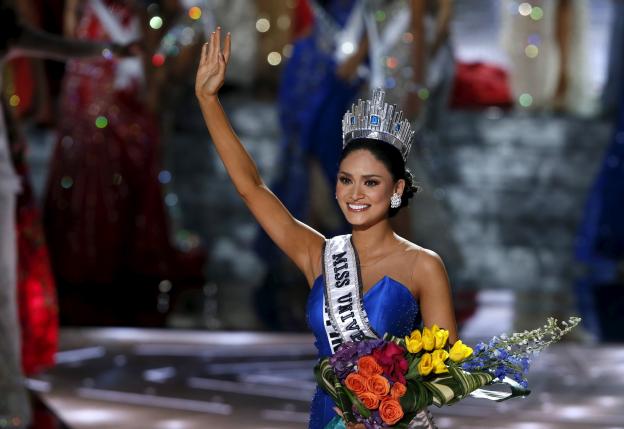
The 64th Miss Universe pageant, held on December 20, 2015, at the AXIS in Las Vegas, Nevada, remains one of the most discussed events in the history of international beauty competitions. While the evening was initially defined by an unprecedented live television error by host Steve Harvey, the narrative quickly evolved into a cross-cultural phenomenon. Shortly after the Philippines’ Pia Wurtzbach was correctly identified as the winner, a secondary wave of global interest emerged as fans discovered the new Miss Universe was a dedicated follower of South Korean popular music, specifically the boy band Super Junior. This revelation bridged the gap between the traditional prestige of international pageantry and the modern, digital-first world of Hallyu, or the Korean Wave, illustrating the pervasive reach of South Korean cultural exports.
The Crowning Moment and the Harvey Flub
The Miss Universe 2015 finale reached its climax when host Steve Harvey announced the results to a global audience of millions. In a moment that would immediately go viral, Harvey mistakenly named Miss Colombia, Ariadna Gutiérrez, as the winner. Gutiérrez was crowned, draped in the winner’s sash, and began her celebratory walk. However, minutes later, Harvey returned to the stage to announce that he had misread the results card. Pia Wurtzbach, representing the Philippines, was the actual Miss Universe 2015.
The atmosphere transitioned from celebration to confusion as the crown was removed from Gutiérrez and placed on Wurtzbach. The incident generated an immediate firestorm on social media, with "Miss Universe 2015" and "Steve Harvey" trending globally within minutes. According to data from Nielsen, the telecast drew approximately 6.2 million viewers in the United States alone, but the social media reach was estimated in the hundreds of millions as clips of the error circulated across Twitter, Facebook, and YouTube.
In the immediate aftermath, Wurtzbach handled the situation with a poise that was praised by pageant officials and the public. In her first official statement following the chaotic ceremony, she expressed empathy for Gutiérrez while acknowledging the gravity of her achievement for the Philippines, a country that had waited 42 years for its third Miss Universe title.
The Emergence of the "K-pop Queen"
As the dust settled on the crowning controversy, the "Netizen" community—particularly those in the Philippines and South Korea—began a deep dive into Wurtzbach’s social media history. What they discovered was a series of tweets dating back to 2009 and 2011, which revealed Wurtzbach to be a passionate fan of the K-pop group Super Junior.
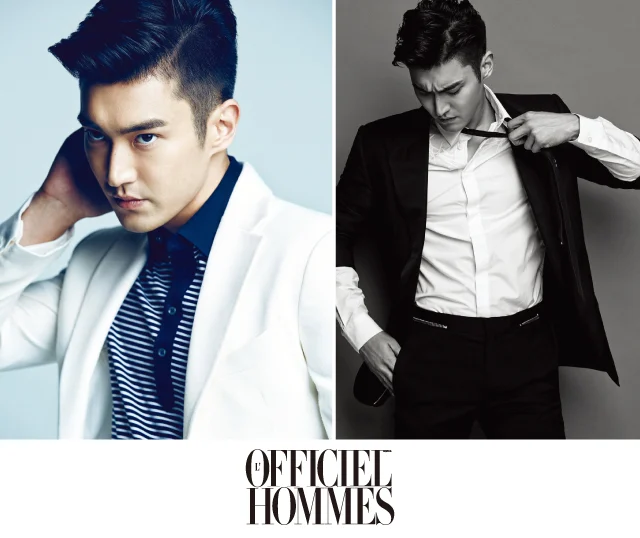
In these archived posts, Wurtzbach identified herself as an "ELF" (Ever Lasting Friend), the official name of Super Junior’s global fandom. Her tweets specifically highlighted her admiration for member Choi Siwon, even jokingly referring to herself as "Mrs. Siwon Choi." For the K-pop community, this was more than just a piece of trivia; it was a validation of the genre’s mainstream global influence. The discovery that the most beautiful woman in the universe shared the same "stan" culture as millions of teenage girls and young adults around the world humanized the titleholder and created an immediate bond between the pageant world and the K-pop industry.
A Chronology of the Miss Universe 2015 Aftermath
To understand the scale of this event, it is necessary to look at the timeline of the days following the pageant:
- December 20, 2015: Pia Wurtzbach is crowned Miss Universe 2015 following Steve Harvey’s live announcement error.
- December 21-22, 2015: Global media focuses on the "flub." Simultaneously, K-pop fans in the Philippines begin unearthing Wurtzbach’s old tweets about Super Junior and Choi Siwon.
- December 24, 2015: The "K-pop Queen" narrative gains traction in mainstream entertainment news outlets across Asia. Fans begin tagging Choi Siwon in posts about Wurtzbach.
- December 27, 2015: Choi Siwon, who was serving his mandatory military service at the time, acknowledges the news. He posts an image on Instagram congratulating Wurtzbach and officially inviting her to the next "Super Show" (Super Junior’s concert tour).
- January 2016: Wurtzbach continues her media tour in New York City, where she acknowledges her love for K-pop in various interviews, further solidifying her status as a cultural ambassador for the genre.
The Cultural Impact of Hallyu in the Philippines
The discovery of Wurtzbach’s fandom was not an isolated incident but rather a reflection of the deep-seated influence of Korean culture in the Philippines. Since the early 2000s, the Philippines has been a primary market for the Korean Wave. "Koreanovelas" (K-dramas) and K-pop music have dominated local television and radio charts for over a decade.
Super Junior, in particular, holds a legacy status in the Philippines. They were one of the first K-pop groups to hold a large-scale solo concert in the country (Super Show 2 in 2010), an event that paved the way for the current explosion of K-pop popularity in Southeast Asia. Wurtzbach’s tweets coincided with the "Golden Age" of the second-generation K-pop idols, a time when the genre was transitioning from a niche interest to a dominant cultural force.
The fact that a Miss Universe winner was part of this movement provided a significant PR boost for the K-pop industry. It demonstrated that K-pop fandom was not limited to a specific demographic but extended to individuals who would go on to achieve the highest levels of international success.
Official Responses and Industry Reactions
The interaction between the pageant world and the K-pop world reached its peak when Choi Siwon personally responded to the news. Taking to his official Instagram account, Siwon posted: "Pia Alonzo Wurtzbach 🙂 Heartfelt Congratulations on your Miss Universe 2015 award, and please be my guest for next Supershow! Looking forward to seeing you shining the world :^)"
Wurtzbach responded with equal enthusiasm, thanking him and acknowledging her long-standing fandom. This exchange was not just a friendly interaction; it was a strategic moment for SM Entertainment (Super Junior’s agency) and the Miss Universe Organization. It showcased a synergy between two massive entertainment sectors.
Leeteuk, the leader of Super Junior, also commented on the event, noting the power of the ELF fandom and expressing pride that a member of their fan club had become Miss Universe. These interactions served to validate the "stan" experience, which is often dismissed by mainstream media as obsessive or trivial. By acknowledging Wurtzbach as a peer and a guest of honor, Super Junior elevated the status of their entire fan base.

Broader Implications and Fandom Analysis
The Wurtzbach-K-pop connection offers a case study in the evolution of celebrity identity in the digital age. Historically, Miss Universe titleholders were expected to maintain a persona of untouchable elegance and neutral interests. However, the 2015 event marked a shift toward authenticity. Wurtzbach’s refusal to hide or delete her old fan-girl tweets—and the public’s positive reaction to them—indicated a change in how society views "stanning."
The Normalization of Fan Culture
For many years, being a "hardcore" fan of a boy band or a specific pop genre carried a certain social stigma, often associated with immaturity. Wurtzbach’s win challenged this perception. It proved that one could be a globally recognized leader, a philanthropist, and a symbol of grace while also being a passionate fan of pop culture. This normalization is a key component of how modern celebrities build "relatability" with their audience.
The Economic Power of Cross-Promotion
From a business perspective, the intersection of Miss Universe and K-pop revealed a massive opportunity for cross-market engagement. The Philippines is one of the most social-media-active countries in the world. When a Filipino icon interacts with a Korean icon, the resulting engagement metrics are astronomical. Advertisers and talent agencies have since looked at these types of organic, cross-cultural connections as blueprints for international marketing campaigns.
Conclusion: A Lasting Legacy
Pia Wurtzbach’s reign as Miss Universe 2015 is remembered for many things: her resilience in the face of a historic blunder, her advocacy for HIV/AIDS awareness, and her role in revitalizing the pageant’s popularity in Asia. However, her unintended role as a bridge between the Miss Universe Organization and the Hallyu wave remains a unique chapter in entertainment history.
By embracing her identity as an "ELF," Wurtzbach did more than just share a personal hobby; she highlighted the globalized nature of modern entertainment. The Miss Universe 2015 pageant proved that the stage is no longer confined to the venue in Las Vegas. Instead, it is a fluid, digital space where a beauty queen from the Philippines, a host from the United States, and a pop star from South Korea can converge to create a global conversation that transcends borders and traditional celebrity boundaries.
As the Hallyu wave continues to grow with groups like BTS and Blackpink achieving unprecedented success, the story of Pia Wurtzbach remains a foundational moment in the timeline of K-pop’s journey toward total global mainstream acceptance. It served as a reminder that fandom is a universal language, capable of reaching even the highest "universe" of achievement.
Related News