From Pageant Stage to K-Pop Fandom: The Global Impact of Miss Universe 2015 Pia Wurtzbach’s Hallyu Connection
Article Editorial Team

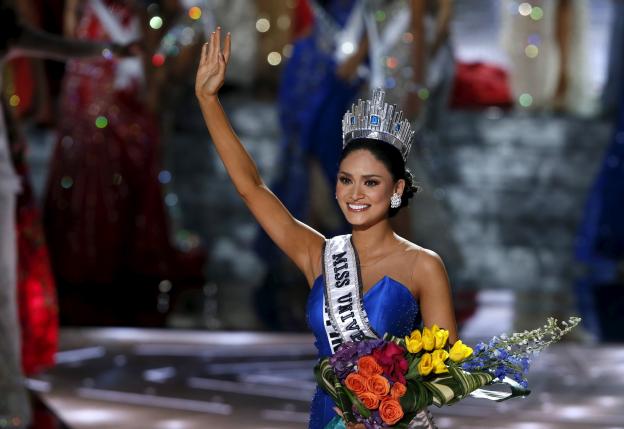
The crowning of Miss Universe 2015 will be remembered as one of the most dramatic moments in the history of international beauty pageants, defined initially by a televised error and subsequently by the cultural revelation of its winner’s personal interests. On December 20, 2015, at the Planet Hollywood Resort and Casino in Las Vegas, Pia Wurtzbach of the Philippines was named Miss Universe 2015. However, the victory was preceded by a significant blunder by host Steve Harvey, who mistakenly announced Miss Colombia, Ariadna Gutiérrez, as the winner. The correction of this error on live television sparked a global conversation that transitioned from the mechanics of the pageant to the digital history of the new titleholder. As the dust settled on the controversy, a new narrative emerged: Pia Wurtzbach was a dedicated fan of South Korean pop music, specifically a "stan" of the boy band Super Junior and its member Choi Siwon.
The Crowning Controversy and Immediate Aftermath
The 64th Miss Universe pageant reached a peak of nearly 10 million viewers during its final moments. After the field was narrowed down to the Philippines, Colombia, and the United States, Steve Harvey announced Miss Colombia as the successor to Paulina Vega. Gutiérrez was crowned and began her celebratory walk before Harvey returned to the stage to announce that he had misread the ballot. Wurtzbach, who had been standing in the background as the first runner-up, was visibly stunned as the crown was removed from Gutiérrez and placed on her head.
The incident created a social media firestorm, with millions of tweets and posts dissecting the error. In the days following the event, internet users began a deep dive into Wurtzbach’s digital footprint. They discovered that the newly crowned Miss Universe had been an active participant in K-pop fandom for years. Her Twitter archives, dating back to 2009 and 2011, revealed a series of posts expressing her admiration for Super Junior, a cornerstone group of the "Hallyu" or Korean Wave. These posts included references to herself as "Mrs. Siwon Choi" and expressions of excitement regarding the group’s performances and members’ visuals.
Chronology of the Hallyu Discovery
The timeline of this cultural crossover began almost immediately after the coronation. By December 23, 2015, screenshots of Wurtzbach’s old tweets began circulating across platforms like Weibo, Twitter, and Facebook. The discovery was particularly significant within the "E.L.F." community (Ever Lasting Friends), the official global fan base for Super Junior.
In 2009, Wurtzbach had tweeted about her appreciation for the group’s music, a time when Super Junior was experiencing massive success with their hit single "Sorry, Sorry." By 2011, her tweets became more specific, targeting Choi Siwon, a member known for his acting career and humanitarian work. The revelation that a Miss Universe titleholder shared the same "fandom" experiences as millions of young people worldwide served to humanize the pageant queen and bridge the gap between traditional Western beauty standards and East Asian pop culture.
The interaction reached its peak on December 27, 2015, when Choi Siwon himself acknowledged Wurtzbach’s victory and her fandom. Taking to Instagram, Siwon posted a photo of himself and invited Wurtzbach to be his guest at the next "Super Show," the group’s signature concert tour. He congratulated her on the win, stating, "Pia Alonzo Wurtzbach 🙂 Heartfelt Congratulations on your Miss Universe 2015 award, and please be my guest for next SUPERSHOW! Looking forward to seeing you shining the world :^)" Wurtzbach responded with gratitude, completing a cycle of interaction that validated the influence of K-pop on global figures.
The Hallyu Wave in the Philippines: Supporting Context
The revelation of Wurtzbach’s interest in K-pop is not an isolated incident but rather a reflection of the deep-seated influence of Korean culture in the Philippines. Since the early 2000s, the Philippines has been one of the primary markets for the export of South Korean media. This phenomenon, often referred to as the "Hallyu Wave," began with the localized dubbing of Korean dramas (K-dramas) on major Philippine networks such as ABS-CBN and GMA Network.
Data from the Korea Foundation’s 2015 report on global Hallyu trends indicated that Southeast Asia remained the most concentrated region for K-pop consumption outside of East Asia. In the Philippines, Super Junior was one of the first groups to achieve "Platinum" record status, a feat previously reserved for Western or local artists. The group’s concerts in Manila consistently sold out arenas, demonstrating a demographic shift where young Filipinos prioritized Korean entertainment over traditional Hollywood imports. Wurtzbach’s fandom is representative of a generation of Filipinos who grew up during this cultural transition.
Official Responses and Industry Implications
The response from SM Entertainment, the agency representing Super Junior, was one of strategic engagement. By having Siwon publicly congratulate Wurtzbach, the agency tapped into the massive media coverage surrounding the Miss Universe pageant. This interaction provided SM Entertainment with an organic marketing opportunity in the Philippines, a key market for their artists.
Furthermore, the Miss Universe Organization (MUO) utilized the narrative to broaden the pageant’s appeal. By highlighting Wurtzbach’s relatable interests, the MUO was able to pivot away from the negativity of the crowning error. The narrative shifted from "the pageant with the mistake" to "the pageant with the relatable, K-pop-loving winner." This helped maintain the brand’s relevance among younger demographics who often view beauty pageants as antiquated.
Analysis of Global Fandom and Celebrity Identity
The "Wurtzbach-Siwon" interaction serves as a case study in the evolution of celebrity identity in the digital age. Historically, beauty queens were expected to maintain a persona of distant perfection, rarely revealing personal hobbies or "fangirl" tendencies that might be perceived as immature or niche. However, the positive reception of Wurtzbach’s K-pop history suggests a shift in public expectations.

In the contemporary media landscape, authenticity is a highly valued commodity. Wurtzbach’s willingness to leave her old tweets public—or her lack of embarrassment regarding them—endeared her to a global audience. It signaled that a woman could be both an international symbol of grace and a passionate fan of pop music. This intersectionality is crucial for the survival of the Miss Universe brand as it attempts to court a "Gen Z" and "Millennial" audience.
Moreover, this event highlighted the "soft power" of South Korea. The fact that a Miss Universe from the Philippines was a fan of a South Korean boy band underscores how K-pop has become a universal language. It transcends national borders and enters the highest echelons of international celebrity culture. The economic implications are also noteworthy; following the interaction, there was a measurable spike in social media engagement for both Wurtzbach and Super Junior, illustrating the mutual benefits of cross-industry "collabs," even those that occur spontaneously.
Broader Cultural Impact
The significance of Pia Wurtzbach’s win extends beyond the K-pop connection. She was the first Filipina to win the title in 42 years, following Margie Moran in 1973. For the Philippines, a country where beauty pageants are a national obsession akin to professional sports, her victory was a moment of intense national pride. The addition of the K-pop narrative added a layer of modern cultural relevance to a traditional victory.
The event also prompted a discussion on the "shame" often associated with being a "stan." As noted in various editorial responses at the time, many fans hide their dedication to K-pop for fear of professional judgment or social stigma. Wurtzbach’s high-profile status served as a form of validation for these fans. If the most beautiful woman in the universe could openly admire a K-pop idol, it suggested that the fandom was not a fringe subculture but a mainstream reality.
Conclusion
The 2015 Miss Universe pageant will be documented in history books for Steve Harvey’s televised error, but its cultural legacy is inextricably linked to the emergence of Pia Wurtzbach as a Hallyu ambassador. The synergy between the world’s most prestigious beauty pageant and the world’s fastest-growing music genre created a unique moment of global unity. By embracing her identity as an "E.L.F.," Wurtzbach did more than just win a crown; she bridged two massive global communities, proving that the influence of the Korean Wave had reached the pinnacle of international stardom. As she began her reign, she did so not just as a representative of the Philippines, but as a symbol of a new, interconnected global culture where the lines between "pageant queen" and "fan" are increasingly blurred.
Related News