The global music landscape experienced a significant shift on November 3, 2013, when South Korean girl group Girls’ Generation secured the Video of the Year honor at the first-ever YouTube Music Awards (YTMA). Held at Pier 36 in New York City and streamed live to millions of viewers worldwide, the event marked a watershed moment for the "Hallyu" or Korean Wave. Girls’ Generation’s victory for their experimental pop track "I Got a Boy" saw the group triumph over established Western heavyweights, including Justin Bieber, Lady Gaga, Miley Cyrus, Selena Gomez, and Demi Lovato. The win served as a definitive indicator of the changing dynamics of music consumption in the digital age, where social media engagement and organized global fandoms have begun to challenge traditional Western market dominance.
The Inaugural YouTube Music Awards and the Selection Criteria
The YouTube Music Awards were established to recognize the artists and songs that saw the most growth and engagement on the platform over the preceding year. Unlike traditional award shows like the Grammys or the MTV Video Music Awards, which often rely on a combination of committee decisions and sales data, the YTMAs were designed to reflect the platform’s unique ecosystem. The nominees were selected based on YouTube data, including views, likes, comments, and subscriptions.
However, the final winners were determined by a specific metric: social media shares. To vote, fans were required to share specific promotional videos for their chosen nominees across social media platforms like Twitter, Facebook, and Google+. This methodology favored artists with highly active, digitally savvy fanbases capable of rapid, large-scale mobilization. According to YouTube’s official statements during the event, the "Video of the Year" category specifically tracked the videos that were shared most frequently and quickly across the web, serving as a barometer for worldwide popularity and viral resonance.
Chronology of the "I Got a Boy" Era and the Road to Victory
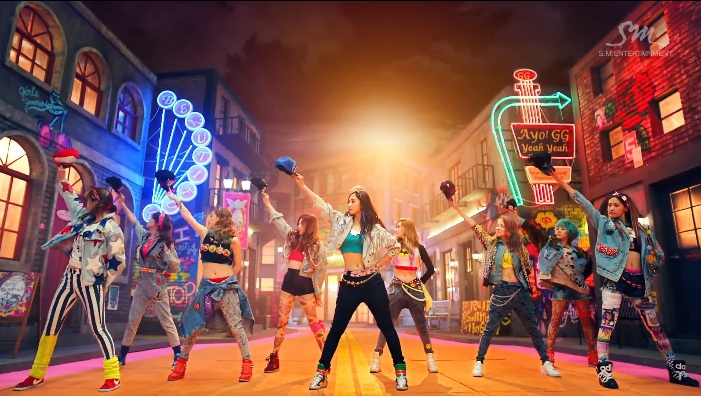
The journey to the YouTube Music Awards began on January 1, 2013, with the release of "I Got a Boy," the title track of Girls’ Generation’s fourth Korean-language studio album. The song was a departure from the group’s previous "bubblegum pop" or "synth-pop" hits like "Gee" and "The Boys." "I Got a Boy" was characterized by its eclectic, multi-genre structure, blending elements of hip-hop, dubstep, and electro-pop into a "patchwork" musical style.
The music video, known for its vibrant aesthetic, intricate choreography, and high production value, immediately garnered international attention. Within 24 hours of its release, it surpassed 3.5 million views, a record-breaking feat for a K-pop group at the time. By the time the YouTube Music Award nominations were announced in October 2013, the video had amassed over 70 million views.
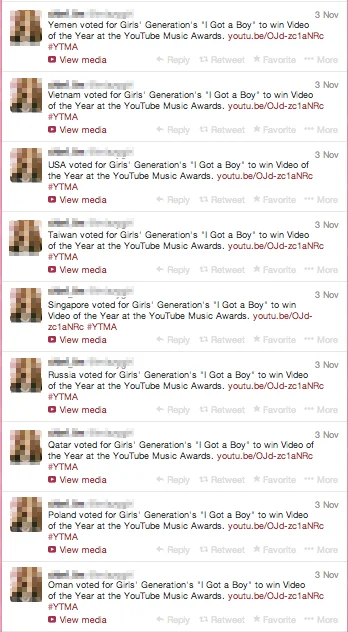
When the voting period opened, the group’s global fanbase, known as "SONE," initiated a coordinated effort to secure the win. The timeline of the voting process showed a massive spike in social media activity centered around the hashtag #YTMA. Following the close of the voting period, Girls’ Generation representative Tiffany Young attended the ceremony in New York to accept the award on behalf of the nine-member group, expressing gratitude for the global support and acknowledging the platform’s role in connecting Korean artists with international audiences.
Data and the Mechanics of Digital Mobilization
The victory of Girls’ Generation over Western pop icons like Justin Bieber and Lady Gaga sparked an immediate analysis of the data behind the win. While "I Got a Boy" had fewer total views than some of its competitors—such as Miley Cyrus’s "We Can’t Stop" or Justin Bieber’s "Beauty and a Beat"—it excelled in the "shareability" metric.
Reports from social media monitoring tools indicated that the K-pop fandom utilized a "relay voting" system. Because the YouTube Music Awards were a global event, fans organized themselves by time zone. When fans in Asia were sleeping, fans in Europe and the Americas took over the responsibility of sharing the voting links. This systematic team effort ensured a 24-hour cycle of engagement.
Furthermore, the data suggested that a "vocal minority" played a disproportionate role in the victory. While the general Western public may have been more familiar with the names of the American nominees, the intensity of the K-pop fanbase’s engagement per individual user was significantly higher. This phenomenon highlighted a shift in how "popularity" is measured in the 21st century: it is no longer just about who is known by the most people, but who is supported by the most dedicated and organized digital community.
International Reaction and the "Who Is Girls’ Generation?" Backlash
The announcement of Girls’ Generation as the winner of the night’s most prestigious award was met with a mixture of celebration and confusion. On social media, particularly Twitter, a wave of "Who is Girls’ Generation?" queries trended shortly after the win. Fans of the Western nominees, many of whom were unaware of the K-pop industry’s scale, reacted with surprise and, in some cases, hostility.
The backlash often took the form of dismissive or xenophobic comments, with some users labeling the win a "fluke" or questioning how a group they had never heard of could defeat the world’s biggest stars. In response, the K-pop community and various music critics pointed to the objective data of the voting criteria. The tension underscored a cultural gap between the mainstream Western music industry and the rapidly expanding global influence of Asian media.
Journalists covering the event noted that the reaction was reminiscent of the initial response to PSY’s "Gangnam Style" in 2012. However, while PSY was often viewed as a viral novelty, the success of Girls’ Generation represented the arrival of the "idol" system—a highly structured and professionalized segment of the Korean entertainment industry—onto the global stage.
Official Responses and Professional Analysis
In the wake of the awards, SM Entertainment, the agency representing Girls’ Generation, released statements emphasizing the group’s commitment to their international fans. The agency noted that the award was a testament to the power of digital platforms in bypassing traditional gatekeepers like radio and television to reach a global audience.
Industry analysts suggested that the YTMA win was a calculated victory for K-pop. "The win proved that K-pop is not just a regional trend but a digitally dominant force," noted one media consultant. "By focusing on social sharing, YouTube inadvertently highlighted that K-pop fans are the most proficient users of social media in the world."
The win also prompted discussions regarding the group’s future in the United States. Girls’ Generation had previously signed with Interscope Records for the US release of "The Boys" in 2011, and the YTMA win was seen as a potential catalyst for a renewed push into the American market. Critics argued that while the group had the digital numbers, the next challenge would be translating that online fervor into mainstream radio play and touring revenue in the West.
Broader Impact and Implications for the Music Industry
The 2013 YouTube Music Awards served as a precursor to the massive global expansion K-pop would experience over the following decade. The victory of Girls’ Generation paved the way for subsequent acts like BTS and Blackpink, who would eventually achieve consistent chart-topping success in the US and Europe.
Several key implications emerged from this event:
- The Democratization of Recognition: Digital platforms have leveled the playing field, allowing non-English speaking artists to compete directly with Western stars based on engagement rather than airplay.
- The Power of Organized Fandoms: The "SONE" mobilization demonstrated that a dedicated, organized fanbase can outperform a larger but less engaged general audience in digital voting scenarios.
- Metrics of Success: The YTMAs highlighted a shift in the music industry’s "currency." Total views are significant, but "shares" and "engagement rate" are increasingly viewed as more accurate measures of an artist’s influence and the loyalty of their audience.
- Globalization of Pop Culture: The event marked the end of the era where Western pop stars held an unchallenged monopoly on the title of "global superstar."
Conclusion: A Milestone in Pop History
While the win by Girls’ Generation at the YouTube Music Awards was met with skepticism by some in 2013, history has framed it as a pivotal moment in the globalization of music. The group’s longevity, their group image, and SM Entertainment’s marketing prowess provided a solid foundation that allowed them to capitalize on the digital era’s opportunities.
The win was not merely a "fluke" but the result of a perfectly executed synergy between a high-quality creative product and a technologically proficient audience. As the music industry continues to evolve, the 2013 YTMAs remain a case study in how digital engagement can reshape the hierarchy of global stardom. Whether or not a full-scale American expansion remained the primary goal for Girls’ Generation, their Video of the Year win ensured that the "international spotlight" would never truly leave K-pop again.