Han Ga In Relives “The Moon Embracing The Sun” Days With Surprise Visit To The Palace
Article Editorial Team
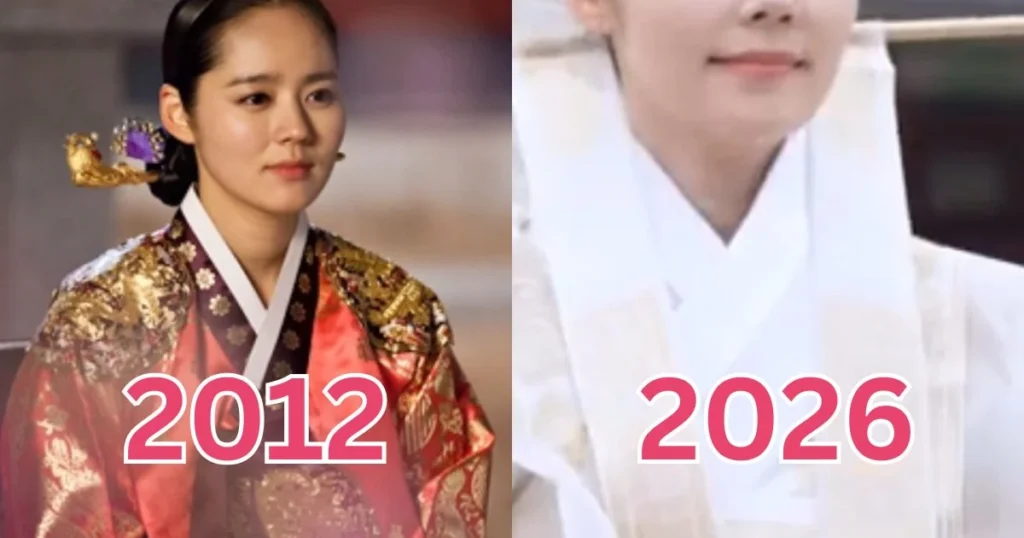
Veteran actress Han Ga In has ignited a wave of nostalgia and admiration across South Korea and beyond, following her recent appearance at the historic Gyeongbokgung Palace dressed in elaborate royal hanbok. The unexpected public outing, documented and shared on her personal YouTube channel, immediately drew parallels to her iconic role as Heo Yeon-woo in the beloved 2012 historical drama, The Moon Embracing the Sun, captivating netizens and tourists alike. The event quickly went viral, reminding a generation of fans of the drama’s enduring legacy and highlighting the timeless beauty of traditional Korean attire.
The Genesis of a Royal Resurgence: Han Ga In’s Cultural Initiative
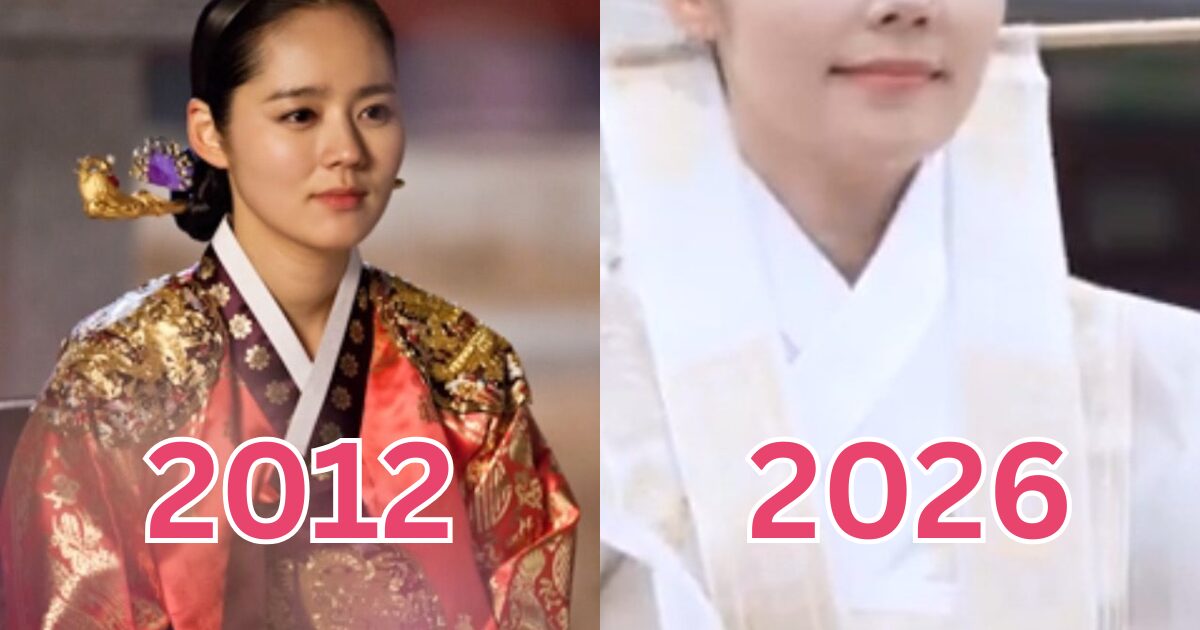
The motivation behind Han Ga In’s regal transformation stemmed from a desire to authentically showcase the splendor of traditional Korean hanbok, a request frequently voiced by her burgeoning YouTube audience. In a video uploaded to her channel, the actress elaborated on her intention, explaining that her previous experience portraying a character in a historical setting had, ironically, limited her ability to don the full grandeur of royal court attire. As Heo Yeon-woo, a shaman with a complex fate, her character in The Moon Embracing the Sun was primarily depicted in more subdued, status-appropriate garments, rather than the opulent, intricately designed hanbok reserved for queens, princesses, or high-ranking court ladies. This historical nuance within the drama’s narrative served as a poignant backdrop for Han Ga In’s current endeavor, offering her a unique opportunity to fulfill both her personal curiosity and her viewers’ requests by experiencing the full spectrum of Korea’s sartorial heritage.
Her journey into the world of royal hanbok was meticulous, involving professional styling and traditional accessories to ensure historical accuracy and aesthetic brilliance. The choice of Gyeongbokgung Palace as the backdrop was deliberate and symbolic. As the main royal palace of the Joseon Dynasty, it stands as a monumental testament to Korea’s rich history and architectural prowess, a setting intrinsically linked to the narratives of historical dramas and a popular site for visitors seeking to immerse themselves in Korean culture, often by wearing hanbok themselves.
A Moment Frozen in Time: The Gyeongbokgung Appearance

Upon her arrival at Gyeongbokgung Palace, clad in her exquisite royal hanbok, Han Ga In became an instant focal point. Her elegant demeanor, combined with the striking traditional attire, created a captivating spectacle that drew immediate and widespread attention from tourists. Visitors, both Korean and international, reportedly ceased their activities, turning their gazes toward the actress, many recognizing her instantly and others simply mesmerized by the vision of traditional beauty. The scene was described by onlookers as almost surreal, akin to a character stepping directly out of a historical drama and into the present day.
The visual impact was profound. Photos and video clips captured by excited onlookers and shared rapidly across various online platforms, including social media and Korean community forums, underscored the immediate viral nature of the event. Netizens quickly drew parallels to The Moon Embracing the Sun, humorously remarking that it felt as though the beloved drama had been brought to life more than a decade after its original broadcast. The public response was overwhelmingly positive, marked by expressions of awe at her unchanging beauty and nostalgic fondness for the drama that solidified her status as a leading lady. Her calm aura and classic features were consistently highlighted as perfectly complementing the traditional styling, leading to a constant stream of photo requests from an appreciative audience.
"The Moon Embracing the Sun": A Cultural Phenomenon Revisited
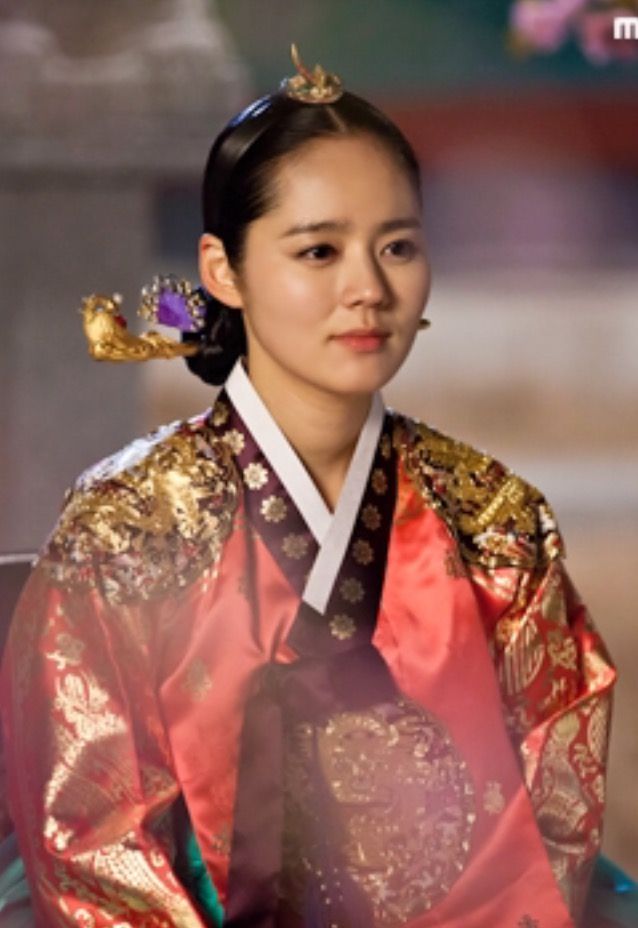
The Moon Embracing the Sun (2012) remains one of South Korea’s most successful and critically acclaimed historical dramas, a true cultural phenomenon that transcended typical viewership numbers. Based on a novel of the same name by Jung Eun-gwol, the series captivated audiences with its intricate plot, stellar performances, and lush cinematography, telling the poignant story of a fictional king and a shaman caught in the throes of a fateful romance amidst palace intrigue. The drama achieved unprecedented commercial success, reaching peak viewership ratings of over 42% nationwide, a remarkable feat in the competitive landscape of Korean television. It garnered numerous accolades, including the Best Drama award at the 48th Baeksang Arts Awards and multiple awards at the MBC Drama Awards, cementing its place in the pantheon of iconic K-dramas.
Han Ga In’s portrayal of Heo Yeon-woo, a bright and compassionate noblewoman who becomes a shaman after a conspiracy forces her to feign death, was central to the drama’s appeal. Her character’s journey from a spirited young lady to a mystical figure navigating a complex identity resonated deeply with viewers. The limitations placed on her character’s attire due to her shaman status were a narrative device, underscoring her marginalized position despite her noble origins and her profound connection to the king. This context makes Han Ga In’s current visit to Gyeongbokgung in full royal hanbok particularly poignant for fans. It represents a symbolic reclaiming of a royal identity that her character, Yeon-woo, was denied for much of the series, fulfilling a visual fantasy for those who cherished the drama. The sight of Han Ga In in such resplendent attire effectively offers a "what if" scenario, allowing fans to envision Yeon-woo in the majestic robes befitting her true royal destiny.
Gyeongbokgung Palace: A Living Canvas of History
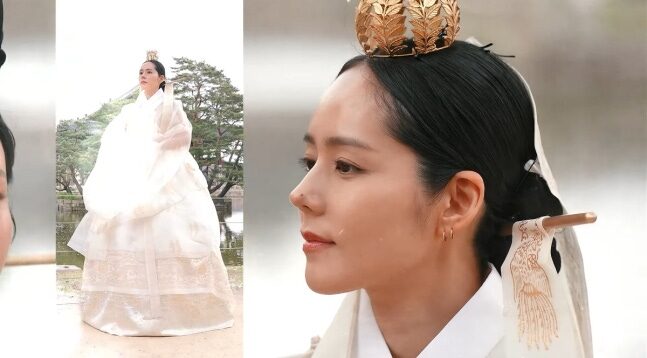
Gyeongbokgung Palace, meaning "Palace Greatly Blessed by Heaven," is more than just a historical site; it is a profound symbol of Korean identity and heritage. Constructed in 1395, it was the primary royal palace of the Joseon Dynasty, serving as the residence for kings, their families, and the seat of government for centuries. Although it has faced destruction and reconstruction throughout its long history, notably during the Japanese invasions of Korea in the late 16th century and again during the Japanese colonial period, extensive restoration efforts have brought much of its grandeur back to life.
Today, Gyeongbokgung is the largest of the Five Grand Palaces built during the Joseon Dynasty and stands as a major tourist attraction in Seoul, drawing millions of visitors annually. Its majestic gates, sprawling courtyards, elegant pavilions, and serene ponds offer a tangible link to Korea’s imperial past. Beyond its architectural splendor, the palace serves as a vibrant cultural hub, hosting various traditional events, royal guard changing ceremonies, and exhibitions that educate and entertain. The practice of renting and wearing hanbok while visiting Gyeongbokgung has become immensely popular, particularly among younger Koreans and international tourists. This trend, often fueled by the popularity of historical K-dramas, allows visitors to experience the palace grounds in an immersive and culturally resonant way, making Han Ga In’s recent visit a perfect embodiment of this contemporary cultural phenomenon.
The Enduring Allure of Hanbok: A Symbol of National Pride
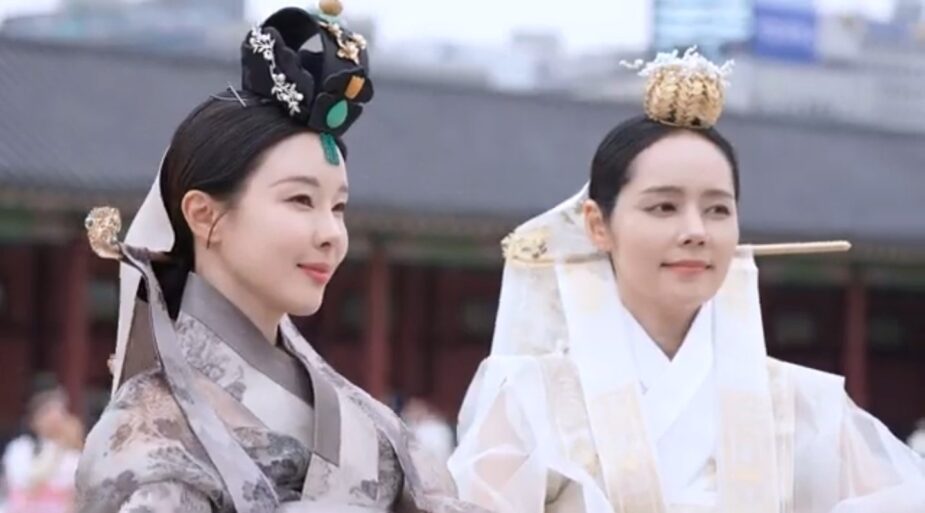
Hanbok, the traditional Korean dress, is far more than just clothing; it is a vibrant emblem of Korean culture, history, and national identity. Characterized by its graceful lines, vibrant colors, and flowing silhouettes, hanbok has evolved over millennia, reflecting various dynastic periods and societal changes while retaining its fundamental aesthetic principles. In modern Korea, hanbok has experienced a significant revival, moving beyond ceremonial use for holidays and weddings to become a fashionable statement and a popular choice for cultural tourism.
The resurgence of hanbok’s popularity can be attributed to several factors, including government initiatives to promote traditional culture, the influence of K-dramas and K-pop, and a growing sense of national pride among younger generations. Designers are also reinterpreting hanbok for contemporary wear, blending traditional elements with modern sensibilities. Han Ga In’s decision to don a royal hanbok for her palace visit taps directly into this cultural zeitgeist. It not only showcases the beauty of the attire but also reinforces its place in the modern Korean consciousness. Her elegant visuals and the calm aura she exuded while wearing the hanbok undoubtedly served as a powerful endorsement of its timeless appeal, inspiring many more to explore and appreciate this crucial aspect of Korean heritage.
Viral Sensation and Public Reception: A Collective Memory Rekindled
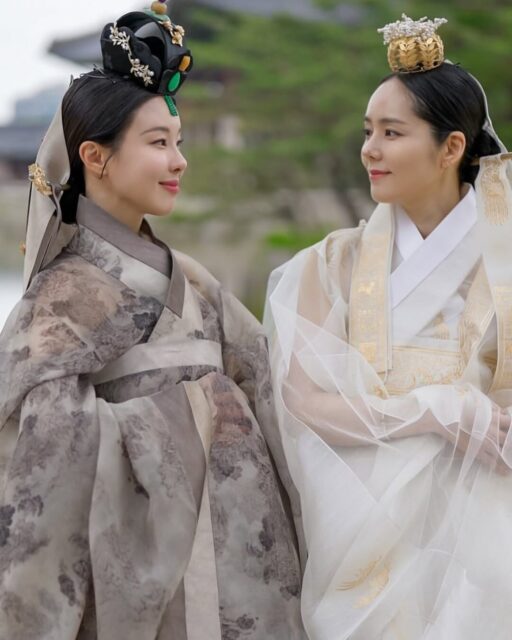
The rapid dissemination of images and videos from Han Ga In’s palace visit underscored the potent combination of celebrity influence and cultural resonance in the digital age. Social media platforms became conduits for a collective expression of delight and nostalgia. Comments flooded online forums, ranging from exclamations about her "ageless beauty" to heartfelt reflections on the impact of The Moon Embracing the Sun on their lives. Many users shared their memories of watching the drama, recalling specific scenes and the emotional investment they had in Yeon-woo’s character.
The emotional connection was particularly strong for those who remember the drama’s original broadcast. Seeing Han Ga In, an actress deeply ingrained in the public’s memory through this iconic role, appear as if from a historical painting, created a powerful sense of anachronism and wonder. This spontaneous public reaction highlights how cultural touchstones, especially beloved dramas, continue to shape collective memory and identity. For foreign tourists, the experience was equally captivating. While some might not have recognized Han Ga In immediately, the sight of a renowned actress in such authentic and beautiful traditional attire within the historic confines of Gyeongbokgung offered an unparalleled photo opportunity and an authentic cultural experience that transcended language barriers. The sheer volume of photo requests she received is a testament to the universal appeal of beauty and history intertwined.
Broader Implications: Celebrity, Culture, and Digital Engagement

Han Ga In’s Gyeongbokgung outing transcends a mere celebrity appearance; it serves as a compelling case study on the intersection of celebrity culture, cultural heritage promotion, and digital media. In an era where traditional cultural practices sometimes struggle for relevance amidst globalized trends, the involvement of high-profile figures like Han Ga In provides invaluable visibility and validation. By utilizing her popular YouTube channel, she directly engages a broad audience, including younger demographics, who might be less inclined to seek out traditional culture through conventional means. This approach leverages the power of influencer marketing for cultural good, making heritage accessible and appealing.
Furthermore, this event subtly reinforces the importance of cultural preservation and appreciation. When a celebrity consciously chooses to highlight traditional elements like hanbok and historical sites like Gyeongbokgung, it sends a powerful message about the value of these assets. It encourages a renewed interest in Korean history, art, and fashion, potentially boosting cultural tourism and supporting industries related to traditional crafts. The immediate viral spread of the content demonstrates the immense power of digital platforms in amplifying cultural moments, turning a personal project into a national conversation. This incident exemplifies how celebrities, through authentic engagement with their heritage, can become unwitting, yet highly effective, cultural ambassadors, bridging the gap between historical legacy and contemporary relevance.
In essence, Han Ga In’s "surprise" visit was a carefully curated yet organically impactful event. It was a beautiful fusion of past and present, a personal tribute to a career-defining role, and a public celebration of Korean culture. Her graceful presence at Gyeongbokgung Palace, adorned in royal hanbok, not only brought The Moon Embracing the Sun back into the spotlight but also underscored the timeless charm and enduring significance of Korea’s rich cultural tapestry for a global audience.
Related News