HYBE Group Harshly Shaded By Artist After Being Hyped By A Member
Article Editorial Team
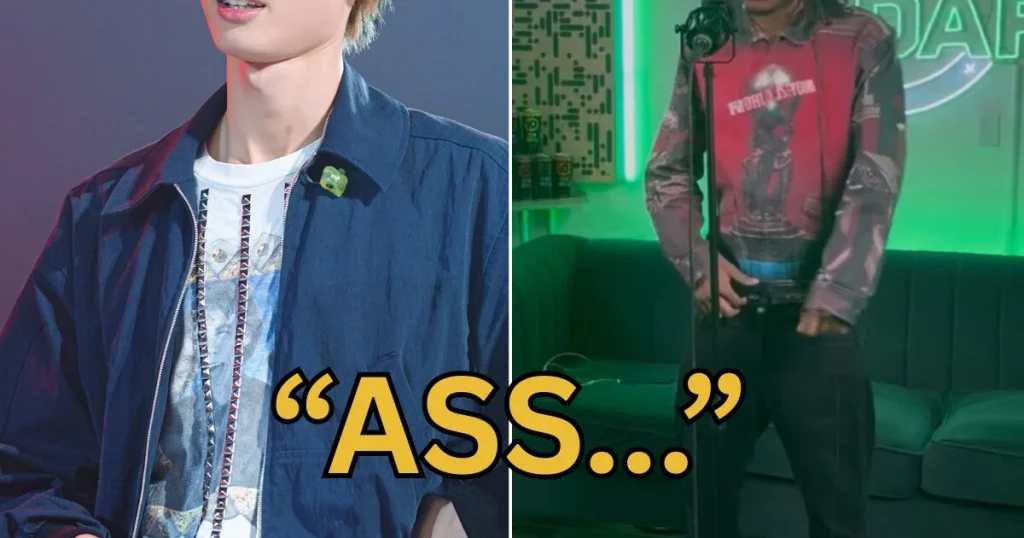
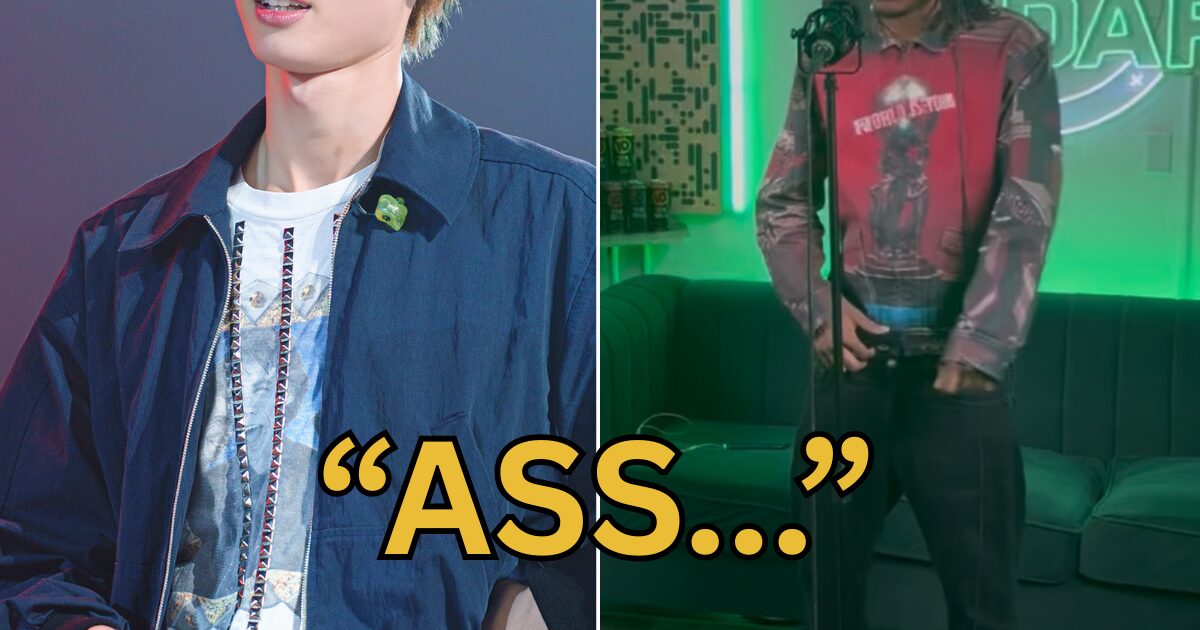
The global K-Pop phenomenon has once again found itself at the center of a heated online debate, as independent artist Matt Proxy ignited significant controversy by publicly shading CORTIS, a prominent K-Pop group often associated with the expansive HYBE universe, shortly after member Martin enthusiastically recommended Proxy’s music. The incident, which unfolded over several days on various social media platforms, has sparked outrage among CORTIS’s dedicated fanbase, reigniting discussions about artistic integrity, industry dynamics, and digital etiquette between mainstream and independent music scenes.
Chronology of the Controversy
The friction began subtly, as is often the case in the fast-paced world of K-Pop fandoms. CORTIS member Martin, known for his eclectic taste and regular engagement with fans through song recommendations, shared his appreciation for Matt Proxy’s track, “knots.” Martin’s recommendations are highly anticipated events for fans, often leading to a surge in listeners for the featured artists. His choice of "knots" was initially met with positive reception within the CORTIS fandom, highlighting Martin’s desire to spotlight lesser-known talents.
However, the positive sentiment quickly soured. Shortly after Martin’s public endorsement, Matt Proxy reportedly posted a now-deleted message on Instagram, which fans quickly screenshotted and circulated. The post contained cryptic but unmistakably critical remarks, widely interpreted as a direct jab at CORTIS and, by extension, the broader K-Pop industry. While the exact wording of the deleted Instagram post remains subject to fan interpretation, the prevailing sentiment among netizens was that it contained derogatory language, specifically "being sh*tted on," aimed at the group.
The situation escalated when Matt Proxy subsequently posted a tweet on the platform X (formerly Twitter) that further fueled the flames. On July 5, 2026, Matt Proxy tweeted, "I don’t care about songs made in a lab by 50 people, that’s never been me." This statement, while not explicitly naming CORTIS, was immediately perceived by fans as an indirect but pointed critique of the K-Pop production model, which often involves large teams of songwriters, producers, and choreographers. Given the timing and the preceding Instagram incident, the tweet was widely seen as a continuation of the initial "shade."
Background: CORTIS and Their Industry Standing
CORTIS, while not explicitly confirmed as directly under the HYBE label, operates within the expansive ecosystem often referred to as the "HYBE Group" due to its similar strategic positioning and global reach in the K-Pop industry. Launched three years ago, CORTIS quickly ascended to prominence, known for their innovative sound, visually stunning concepts, and powerful performances. Their discography boasts multiple chart-topping hits, and they have cultivated a fiercely loyal international fanbase, often referred to as "CORTIZENS."
Member Martin, in particular, is celebrated for his artistic sensibilities and genuine connection with fans. His song recommendations are a regular feature of his online interactions, providing a window into his personal musical tastes and often serving as a significant platform for emerging artists. Previous artists recommended by Martin have seen substantial boosts in streaming numbers and social media engagement, underscoring the considerable influence K-Pop idols wield. This established pattern made Matt Proxy’s reaction all the more perplexing and hurtful to fans, who viewed Martin’s recommendation as a generous gesture of support rather than an invitation for criticism.
The K-Pop industry, particularly groups associated with major entities like HYBE, operates on a highly structured and collaborative model. A single song’s creation can indeed involve dozens of professionals, from lyricists and composers to sound engineers and vocal coaches, a process that ensures high production quality and artistic cohesion. This collaborative approach is often a point of contention for some independent artists who prioritize singular authorship and a more "organic" creative process.
Matt Proxy: An Overview of the Independent Artist
Based on the nature of the comments and fan reactions ("nugu ass ug artists"), Matt Proxy appears to be an independent or underground artist operating outside the mainstream K-Pop machine. While specific details about Proxy’s career trajectory are scarce, the artist’s public statements suggest a strong emphasis on artistic autonomy and a critique of commercialized music production. This stance resonates with a segment of the music community that views large-scale pop production as less "authentic" compared to the work of independent musicians who often handle most aspects of their creative output themselves.

The term "nugu" in K-Pop fan parlance refers to lesser-known or unknown artists, while "ug" likely signifies "underground." This description, used by a CORTIS fan, highlights the perceived disparity in industry standing between the two parties, adding another layer to the controversy: the potential for a smaller artist to gain exposure through a major idol, only to then disparage the source of that exposure.
Fan Outcry and Digital Backlash
The reaction from CORTIS’s fanbase was swift and overwhelmingly negative. Hashtags related to the incident immediately trended worldwide on X, with "ProtectMartin" and "CORTISDeservesRespect" quickly accumulating hundreds of thousands of mentions. Fans expressed a range of emotions, from profound disappointment and heartbreak that Martin’s kind gesture was met with derision, to outright anger at what they perceived as unprovoked disrespect.
Many CORTIZENS highlighted the double standard they felt was at play. "I wouldn’t be surprised if Martin stops giving us song recs after this again… like he’s just trying to share music he enjoys with us but some ppl really can’t be normal about it," tweeted one fan, @martiniszn, capturing the sentiment that Martin’s generosity was being exploited. Another fan, @00acai, lamented, "so annoying that every time martin shares a music rec it somehow ends with cortis being shitted on by the artist’s fans/the artist themselves like ok i guess i feel like that’s kinda a weird response but ok."
The collective frustration also led to calls for Martin and CORTIS to cease recommending independent artists, particularly those perceived as "ungrateful" or "weird." Fan accounts meticulously documented Matt Proxy’s posts, sharing screenshots and analyses that further fueled the debate. The intensity of the backlash underscores the protective nature of K-Pop fandoms, who are quick to defend their idols against any perceived slight or injustice. The incident quickly became a trending topic on major online community forums popular among K-Pop fans, such as TheQoo and Pann Nate, where discussions ranged from condemning Matt Proxy’s behavior to debating the broader implications for idol-fan interactions and cross-genre artist relations.
Inferred Statements and Industry Perspectives
While CORTIS’s agency, presumably affiliated with or under the HYBE umbrella, has not issued an official direct statement specifically addressing Matt Proxy, industry insiders suggest a carefully worded response could be forthcoming. A typical agency response in such situations often emphasizes the importance of mutual respect within the music industry, the diversity of artistic expression, and the value of positive interactions between artists and their audiences. It would likely subtly reaffirm CORTIS’s artistic integrity and hard work without directly engaging in a public spat. For instance, a hypothetical statement might read: "Our artists deeply value all forms of musical creation and strive to foster a respectful and appreciative environment across the industry. We encourage positive engagement and mutual support as we believe music transcends boundaries."
Matt Proxy, or a representative, has also remained publicly silent beyond the controversial tweets. However, the artist’s continued presence on social media without a retraction or apology suggests a firm stance on their initial comments. From an independent artist’s perspective, such comments might be framed as a genuine critique of the mainstream music industry’s perceived commercialism and a defense of independent artistic values, rather than a personal attack. This perspective, however, often fails to account for the impact on the specific individuals and fan communities involved.
Music industry commentators have weighed in on the broader implications. Dr. Elaine Kim, a cultural critic specializing in digital media and K-Pop, noted, "This incident highlights the growing chasm between traditional indie ethos and the hyper-commercialized, global K-Pop phenomenon. While indie artists often pride themselves on raw, unpolished authenticity, K-Pop excels in polished, collective artistry. When these worlds collide, especially through unsolicited promotion, friction is almost inevitable if there isn’t mutual understanding and respect." She added that the rapid mobilization of K-Pop fandoms represents a powerful force that smaller artists must reckon with, regardless of their artistic principles.
Broader Implications and Analysis
The controversy surrounding CORTIS and Matt Proxy carries several significant implications for the music industry and online culture:
- The Idol’s Dilemma: For K-Pop idols like Martin, the incident raises questions about the risks associated with publicly endorsing other artists, particularly those outside the mainstream. While such recommendations can be a powerful tool for cross-promotion and artistic discovery, they also expose idols to potential criticism and negative associations if the recommended artist reacts poorly. This could lead to a more cautious approach from idols, potentially limiting the opportunities for smaller artists to gain exposure through these influential channels.
- Clash of Artistic Ideologies: The core of Matt Proxy’s "shade" lies in a perceived critique of K-Pop’s production model – "songs made in a lab by 50 people." This taps into a long-standing debate about artistic authenticity, originality, and the value of collaborative versus individual creation. While K-Pop’s collaborative system is a hallmark of its success, producing intricate, high-quality music and performances, it is often misunderstood or denigrated by those who champion a more traditional, singular artistic vision. This incident underscores the need for greater dialogue and understanding between these different creative philosophies.
- The Power of Fandoms: The swift and coordinated response from CORTIS’s fanbase demonstrates the immense power and influence of K-Pop fandoms. These highly organized communities act as both passionate supporters and formidable protectors of their idols. For smaller artists, while gaining an idol’s endorsement can be a boon, attracting the ire of a large fandom can result in significant negative publicity and online backlash that can be difficult to manage.
- Digital Etiquette and Professionalism: The incident also brings into question standards of digital etiquette and professionalism in the creative industry. While artists are entitled to their opinions, publicly disparaging a group that has offered unsolicited positive exposure can be seen as ungracious and counterproductive. In an increasingly interconnected world, where social media interactions are public and permanent, maintaining a degree of professional courtesy is crucial, even when expressing dissent.
- Brand Image and Public Perception: For CORTIS, the incident, while unpleasant, is unlikely to cause lasting damage to their brand, given the overwhelming fan support and the perceived unprovoked nature of the attack. If anything, it might reinforce their image as a group whose members genuinely appreciate diverse music. For Matt Proxy, however, the controversy has likely brought increased visibility, but at the cost of alienating a significant segment of potential new listeners and being perceived negatively by many within the broader music community.
As the dust settles on this latest K-Pop social media storm, the incident serves as a stark reminder of the complex dynamics at play in the modern music industry. It highlights the delicate balance between artistic expression, fan loyalty, industry relationships, and the ever-present scrutiny of the digital age, underscoring that even a simple song recommendation can ignite a wildfire of controversy. The lasting impact will likely be a renewed discussion within both mainstream and independent music circles on how to navigate these interactions with greater mutual respect and understanding.
Related News