HYBE Idol Sparks Concerns After Seemingly Doing The Sign For “Help” During Live Broadcast
Article Editorial Team
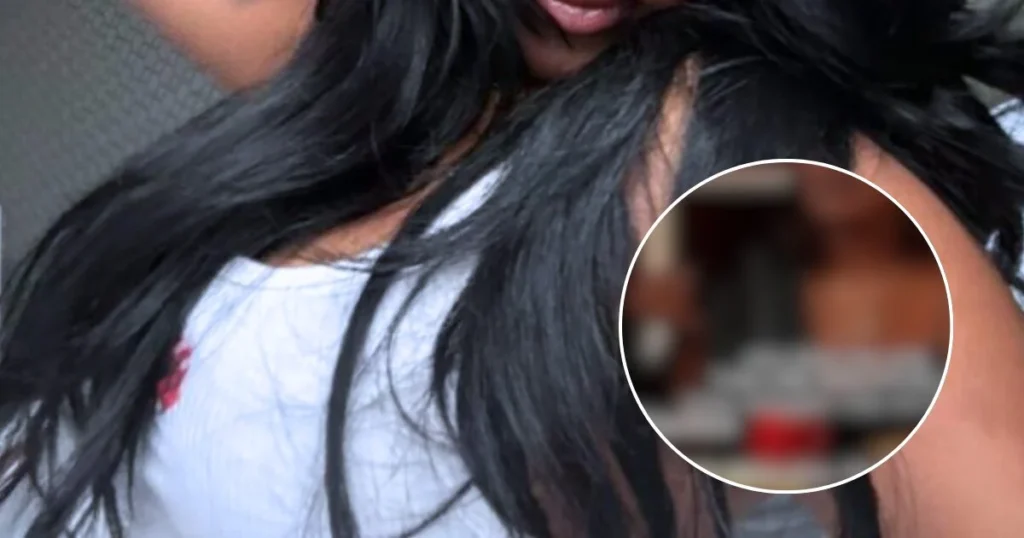
Lara, a member of the newly debuted HYBE x Geffen Records global girl group KATSEYE, has become the focal point of widespread fan concern after a recent live broadcast saw her seemingly utilize the internationally recognized "Signal for Help" gesture on multiple occasions. The incident, which quickly proliferated across social media platforms, particularly TikTok, has ignited a fervent discussion among netizens regarding the idol’s well-being and the broader implications for artist welfare within the highly scrutinized K-Pop and global entertainment industries.
The Incident: A Live Broadcast Ignites Alarm
The events unfolded on July 29, 2026, during a live broadcast featuring four members of KATSEYE, including Lara, held to commemorate the release of their latest track, "Animal." The broadcast, intended as a celebratory interaction with fans, took an unexpected turn when eagle-eyed viewers observed Lara repeatedly performing a specific hand gesture. This gesture, characterized by an open palm with the thumb tucked in, followed by folding the fingers over the thumb, is widely recognized as the "Signal for Help" – a discreet, one-handed sign that a person can use to indicate they are in distress and require assistance.
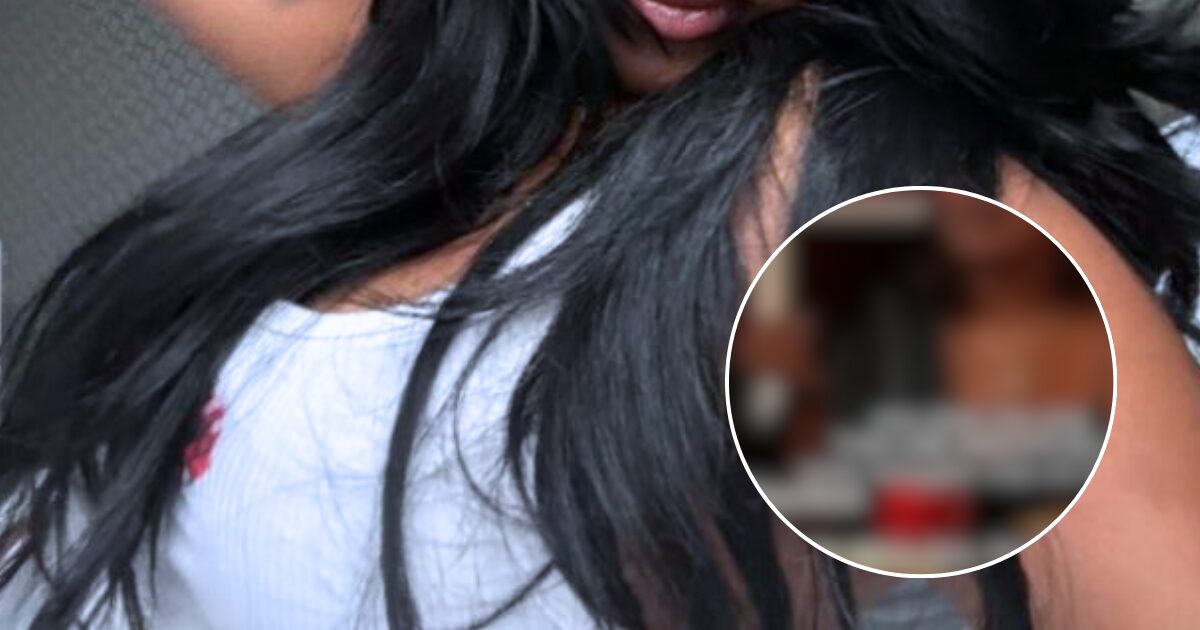
Footage of these moments was quickly clipped and shared, primarily via a TikTok video that subsequently went viral. The video meticulously highlighted several instances where Lara appeared to make the signal, often subtly, during the group’s interaction. Fans noted that her actions seemed deliberate and recurred with a frequency that many found difficult to dismiss as mere coincidence or an accidental gesture. The rapid dissemination of these clips led to an outpouring of anxiety and speculation across fan communities and general online forums.
Understanding the "Signal for Help"
The "Signal for Help" is a vital tool developed by the Canadian Women’s Foundation in 2020, specifically designed as a silent and discreet way for individuals, particularly those experiencing domestic violence or other forms of abuse, to signal for help during video calls or other virtual interactions without leaving a digital trace or alerting their abuser. Its simplicity and unobtrusiveness allow it to be used in situations where a person cannot verbally communicate their distress. The signal gained global recognition during the COVID-19 pandemic lockdowns, becoming an important symbol for vulnerable individuals worldwide. Its widespread adoption means that an increasing number of people are aware of its meaning, leading to a heightened sense of alarm when it appears in public forums, especially by public figures like idols.

The gesture’s specific sequence—holding up a hand with the palm facing outwards, tucking the thumb into the palm, and then folding the four fingers down over the thumb—is designed to be easily recognizable yet discreet enough to be dismissed as a casual hand movement by an unaware observer. The apparent repetition of this specific sequence by Lara, as highlighted in the viral content, is what primarily fueled the deep concern among her fanbase.
Fan Reactions and Online Discourse
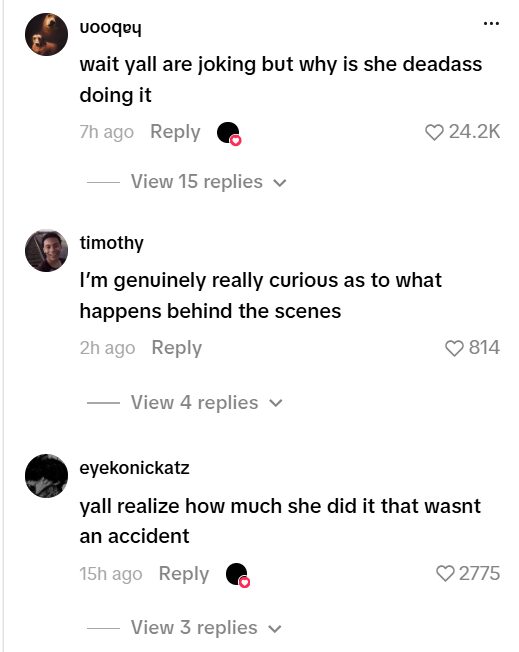
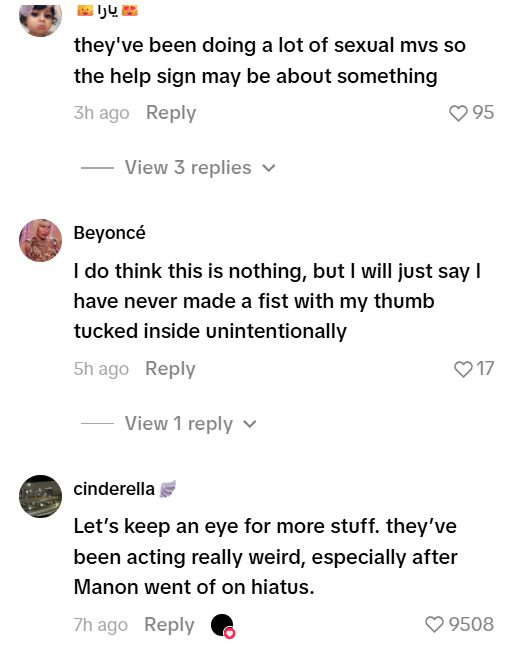
The immediate aftermath of the viral TikTok saw a bifurcated response from the online community. A significant portion of netizens expressed profound concern, sharing the videos with urgent pleas for someone to check on Lara’s well-being. Comments ranged from "This wasn’t an accident," reflecting a belief in the intentionality of the gesture, to expressions of fear for her safety. Many fans called upon HYBE and Geffen Records, the joint venture managing KATSEYE, to issue a statement or take immediate action to ensure the idol’s security. The sentiment among these concerned fans was that even if there was a remote possibility of distress, it warranted serious attention given the gesture’s widely understood meaning.
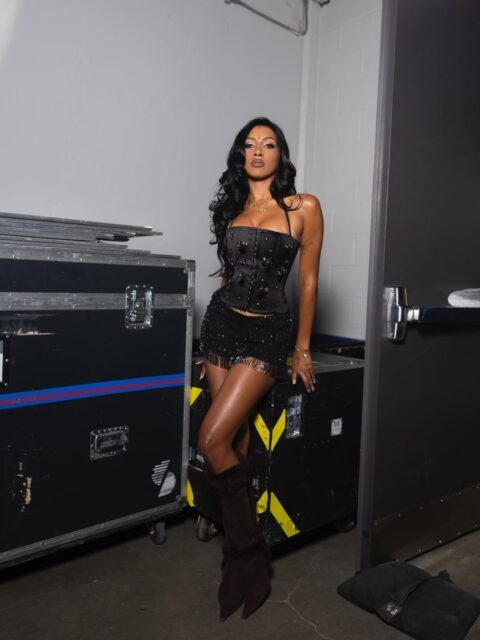
Conversely, another segment of the online community urged caution against jumping to conclusions. These individuals suggested that Lara’s actions could be innocent gestures, a habit, or simply misinterpretations by overzealous fans. They warned against creating undue panic or spreading unsubstantiated rumors that could negatively impact the idol and the group. However, the sheer volume of instances and the specific nature of the gesture observed by many made it difficult for the skepticism to fully quell the rising tide of worry. The debate underscores the delicate balance between fan concern, idol privacy, and the potential for misinterpretation in the digital age.
Background of KATSEYE and the Idol Industry Context
KATSEYE is a groundbreaking global girl group formed through "The Debut: Dream Academy," a highly publicized audition program orchestrated by HYBE, the entertainment powerhouse behind BTS, and Geffen Records, a prominent American record label under Universal Music Group. The group, comprising six members from diverse backgrounds, was envisioned to transcend traditional K-Pop boundaries and establish a global presence from its inception. Lara, an American contestant, emerged as a key member, known for her vocal talents and charismatic stage presence. Their debut was met with considerable anticipation, positioning them as a significant new entrant into the global music scene.

The context of the idol industry, particularly the intensely competitive and demanding K-Pop sector, further amplifies fan concerns regarding artist welfare. Idols often operate under rigorous schedules, strict management, and immense public scrutiny. Cases of mental health struggles, burnout, and alleged mistreatment within agencies have periodically surfaced, leading to a pervasive sense of protectiveness among fans towards their beloved artists. This historical context primes fan communities to be highly vigilant for any signs of distress from idols, making incidents like Lara’s alleged "Signal for Help" particularly resonant.
Adding to the immediate concerns surrounding Lara, the online community also referenced previous issues involving another KATSEYE member, Manon. While details surrounding Manon’s specific issues were not explicitly outlined in the initial reports, the mention of prior "issues" suggests an existing undercurrent of fan anxiety regarding the group’s internal dynamics or management practices. This prior context likely contributed to the heightened sensitivity and readiness of fans to interpret Lara’s actions as a genuine plea for help, seeing it as part of a potential pattern rather than an isolated incident.
Timeline of Events
- Pre-Debut (2023-2024): "The Debut: Dream Academy" global audition program concludes, forming KATSEYE.
- Early 2026: KATSEYE officially debuts, beginning their activities as a global girl group under HYBE x Geffen.
- Mid-July 2026: KATSEYE releases their new track, "Animal."
- July 29, 2026: Four members of KATSEYE, including Lara, conduct a live broadcast to celebrate the release of "Animal." During this broadcast, Lara is observed making the "Signal for Help" gesture multiple times.
- Immediately Post-Broadcast: Clips of Lara’s gestures are compiled into a TikTok video.
- Late July 2026: The TikTok video rapidly goes viral, sparking widespread concern and debate across social media platforms. Fans initiate calls for intervention and clarification from HYBE and Geffen Records.
Official Responses and Industry Implications
As of the time of this report, neither HYBE nor Geffen Records has issued an official statement addressing the viral footage or the concerns raised by fans regarding Lara’s well-being. This silence, while perhaps strategic in allowing for internal investigation or avoiding escalation, has paradoxically intensified fan pressure. The lack of immediate communication often leads to increased speculation and can erode trust between agencies and fanbases, particularly in situations involving perceived distress signals.
The incident places both HYBE and Geffen Records in a challenging position. On one hand, they must prioritize the safety and mental health of their artists. On the other, they must navigate the complexities of public perception, potential misinterpretations, and the demands of a global entertainment schedule. Any response, or lack thereof, will be closely scrutinized. A dismissive statement could further alienate concerned fans, while an overly alarmist one could inadvertently confirm fears or generate unwanted attention.
Beyond the immediate concern for Lara, this event reignites broader discussions within the entertainment industry regarding artist welfare, particularly for global groups. The demands placed on idols, often young individuals far from home, are immense. This incident serves as a stark reminder of the unique vulnerabilities that come with global stardom and the ethical responsibilities of management companies. It also highlights the powerful role of fan communities as vigilant watchdogs, capable of mobilizing significant attention and applying pressure on agencies when they perceive their idols to be at risk.
Conclusion: An Ongoing Narrative
The situation surrounding KATSEYE’s Lara remains an unfolding narrative. While the exact circumstances behind her gestures are yet to be officially clarified, the viral spread of the "Signal for Help" and the subsequent outpouring of fan concern underscore the profound connection between idols and their audience. It also emphasizes the growing awareness of discreet distress signals and the collective responsibility to respond to potential calls for help, particularly in an era where digital platforms can amplify such messages globally. The incident will undoubtedly prompt continued monitoring from fans and further scrutiny of artist management practices, as the well-being of public figures in the demanding entertainment industry remains a paramount concern. The silence from the agencies only fuels the public’s desire for transparency and reassurance regarding Lara’s situation.
Related News