Idol Group Has 0 Fans Show Up At Event, Sparking Big Reactions
Article Editorial Team
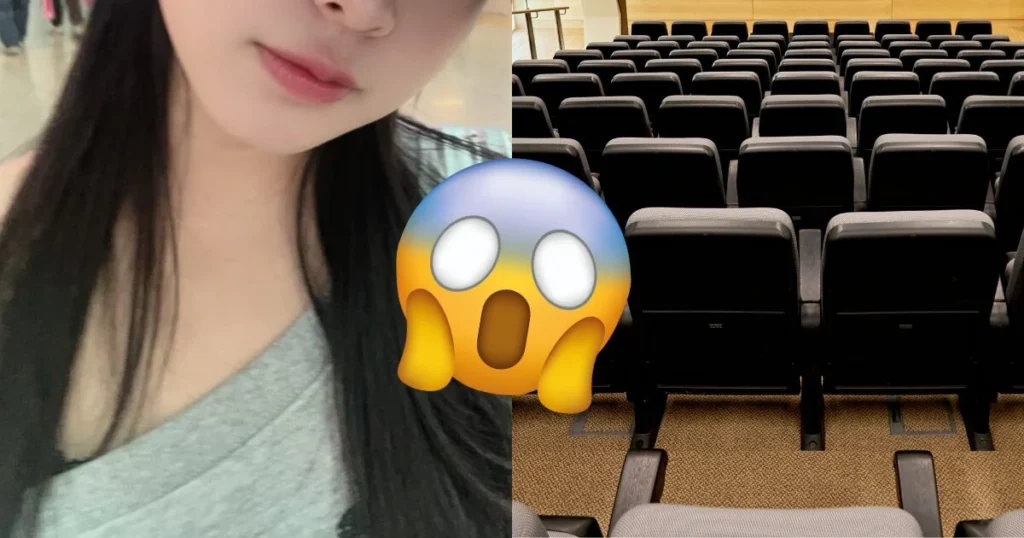
The recent experience of Japanese idol group QunQun☆RiniU, where a promotional event saw no attendees, has ignited a profound discussion across social media and within the entertainment industry regarding the harsh realities faced by emerging musical acts. This incident, initially shared by the group on their official X (formerly Twitter) account, swiftly garnered over 1.3 million views, drawing widespread attention to the immense challenges inherent in the highly competitive idol landscape. The image, depicting the group members standing behind an empty table with visibly somber expressions, served as a stark, poignant reminder of the precarious journey for many aspiring artists in both the J-Pop and K-Pop spheres.
The Stark Reality of Idol Dreams: A Public Setback for QunQun☆RiniU
In early April, QunQun☆RiniU, a re-debuted Japanese girl group, organized a "handshake event," a common form of fan interaction in the J-Pop industry designed to foster direct engagement between idols and their supporters. These events are crucial for cultivating a loyal fanbase, allowing fans brief, personal moments with their idols, often in exchange for purchasing albums or merchandise. However, the event in question yielded an unexpected and disheartening outcome: not a single fan arrived. The group’s official X account subsequently posted a photograph capturing this moment, accompanied by a caption that translated to, "Special event… zero people showed up…" The raw honesty of the post, coupled with the visible disappointment on the idols’ faces, resonated deeply with online communities, quickly transcending language barriers to become a viral sensation.
The image, which showed the members standing forlornly behind a draped table, quickly became a symbol of the often-unseen struggles within the idol industry. While the exact intent behind posting the picture—whether a plea for sympathy, a moment of candid frustration, or a form of dark humor—remains open to interpretation, its impact was undeniable. It sparked an outpouring of reactions ranging from profound sympathy and encouragement to critical discussions about the sustainability and ethics of the idol system itself.
A Closer Look at the Event and Its Immediate Aftermath
The handshake event is a cornerstone of fan culture in Japan, particularly within the idol scene. Unlike traditional concert tours, these events prioritize intimacy, allowing idols to forge a personal connection with their audience. For groups with a burgeoning fanbase, such events can sell out rapidly, with fans queuing for hours for a few seconds of interaction. For lesser-known groups, however, they represent a high-stakes gamble, requiring significant logistical planning and investment without guaranteed returns. The absence of any attendees at QunQun☆RiniU’s event therefore signifies not just a lack of immediate fan support but also a missed opportunity for the group to grow its following and generate revenue.
Following the initial viral post, the group appeared to rebound with a subsequent event, as indicated by another post on their X account. This later update featured a video where applause could be heard after their introduction, suggesting a modest but present audience. This sequential portrayal of events—from the nadir of zero attendance to a slightly improved turnout—highlights the fluctuating fortunes and persistent efforts required of groups striving for recognition. It also underscores the potential for social media, despite its capacity to amplify negative experiences, to also mobilize support and attention for struggling artists.

The Digital Echo Chamber: Viral Reaction and Public Discourse
The incident resonated far beyond Japan, attracting global attention and sparking a wide-ranging discussion across various online platforms. Netizens expressed a mix of emotions:
- Sympathy and Support: Many users conveyed heartfelt messages of encouragement, acknowledging the immense pressure and emotional toll such experiences can take on young artists. Comments like "This breaks my heart" and "Don’t give up, your fans will come" were prevalent.
- Industry Critique: A significant portion of the discourse focused on the broader issues within the idol industry, particularly its oversaturation. Users debated the immense competition, the difficulty for smaller agencies to promote their groups, and the psychological impact on idols who invest years into training with uncertain prospects.
- Call to Action: Some online communities attempted to organize support for QunQun☆RiniU, sharing their music videos and social media links, hoping to convert viral attention into tangible fan engagement.
- Discussion on "Nugu" Groups: The term "nugu," Korean for "who?" and widely adopted in K-Pop to refer to unknown or struggling groups, became a focal point of discussion. The QunQun☆RiniU incident served as a stark illustration of the "nugu" reality, prompting comparisons to similar struggles faced by K-Pop groups and highlighting the universal nature of these challenges across East Asian idol industries.
The virality of the post underscores the power of social media to turn private moments of struggle into public spectacles. While potentially humiliating, it also inadvertently served as a massive, albeit unconventional, marketing campaign, introducing QunQun☆RiniU to millions who might otherwise never have heard of them. This paradoxical outcome highlights the double-edged sword of digital exposure in the modern entertainment landscape.
Navigating the Nuances of J-Pop’s Idol Landscape
The Japanese idol industry is a multifaceted ecosystem, distinct in many ways from its Korean counterpart, yet sharing fundamental challenges. J-Pop groups often emphasize a more accessible, "girl-next-door" image, cultivating a strong sense of community and personal connection with fans. "Handshake events," "fan meetings," and smaller, often free, performances are integral to this model. This approach aims to build loyalty from the ground up, contrasting with the often more globally oriented, high-production-value strategy of major K-Pop acts.
However, this accessibility also means the market is incredibly saturated. Hundreds, if not thousands, of idol groups exist in Japan at any given time, ranging from nationally recognized acts to local "Chika Idol" (underground idol) groups performing in small venues. The sheer volume makes it incredibly difficult for new or lesser-known groups to stand out, especially without the backing of a large, established agency with substantial financial and media resources. Marketing budgets, media placements, and even securing desirable performance venues are luxuries often beyond the reach of independent or small-agency groups. The barrier to entry, while seemingly low for forming a group, is astronomically high for achieving widespread recognition and financial viability.
QunQun☆RiniU’s Journey: A Tale of Resilience and Reinvention
The story of QunQun☆RiniU is not just about a single event but a longer narrative of perseverance and reinvention. The group originally debuted as "QunQun" in 2011, making them veterans in an industry where group lifespans can be notoriously short. Their initial run lasted approximately nine years before disbanding around 2020. The decision to re-debut in 2024, adding a new member and rebranding as QunQun☆RiniU, speaks volumes about the members’ enduring passion for performing and their belief in their artistic vision.
This re-debut came at a particularly challenging time, as the post-pandemic entertainment landscape continued to evolve, and competition intensified globally. The act of re-debuting itself is a testament to resilience but also exposes the group to renewed scrutiny and the daunting task of rebuilding a fanbase from scratch. Their journey reflects a common trajectory in the idol world: many groups undergo member changes, hiatuses, or even complete reboots in an attempt to find their footing or adapt to changing industry trends. For QunQun☆RiniU, the zero-fan event, while painful, is another chapter in a career already marked by significant ups and downs, illustrating the often-unseen emotional labor involved in maintaining an idol career.

The Broader "Nugu" Phenomenon: A Global Challenge for Aspiring Idols
The struggles of QunQun☆RiniU are emblematic of the "nugu" phenomenon, a term that has become increasingly relevant in discussions surrounding the global idol industry. While statistics vary, it is widely acknowledged that a vast majority of idol groups, particularly those from smaller agencies, fail to achieve significant commercial success. Estimates suggest that for every successful group, dozens, if not hundreds, struggle to break even, often operating at a loss for years.
The investment required to launch and maintain an idol group is substantial. This includes:
- Training Costs: Vocal, dance, language, and media training can run into hundreds of thousands of dollars per member over several years.
- Production Costs: Music production, music video shoots, album artwork, and physical album manufacturing are expensive.
- Marketing and Promotion: Advertising, public relations, social media management, and event organization require significant capital.
- Living Expenses: Idols are often housed in dormitories, with companies covering their living expenses, adding to overheads.
Many "nugu" groups exist in a precarious state, often relying on side jobs, personal savings, or the financial support of their families to sustain their dreams. Fan engagement, though crucial, is often difficult to cultivate organically in a crowded market. Even with active social media presence and consistent content, cutting through the noise requires either significant financial backing for promotion or a viral moment—which, in QunQun☆RiniU’s case, ironically came from a moment of vulnerability.
Economic Realities and the Cost of Chasing Stardom
The economic model of the idol industry, particularly for smaller entities, is often fragile. Companies invest heavily in talent development and production with the hope of a breakthrough that will generate massive returns through album sales, merchandise, concert tickets, and endorsements. However, without a strong initial fanbase or significant media exposure, these investments rarely pay off. The industry operates on a high-risk, high-reward principle, with many groups ultimately disbanding due to financial unsustainability.
For the idols themselves, the personal cost can be immense. They dedicate their formative years to rigorous training, often sacrificing education, personal relationships, and a stable income for a dream that may never materialize. The emotional toll of performing to empty rooms, facing public indifference, or experiencing viral moments of perceived failure can be devastating. This incident highlights the need for greater transparency and support systems within the industry to address the mental health and financial well-being of aspiring artists.
The Path Forward: Resilience in the Face of Adversity
Despite the initial setback, QunQun☆RiniU’s subsequent event, showing at least some audience members and applause, offers a glimmer of hope and underscores the group’s determination. The viral attention, while born from a difficult situation, has undoubtedly brought their name to a much larger audience than they might have reached otherwise. The challenge now lies in converting this fleeting curiosity into genuine interest and sustained fan support.
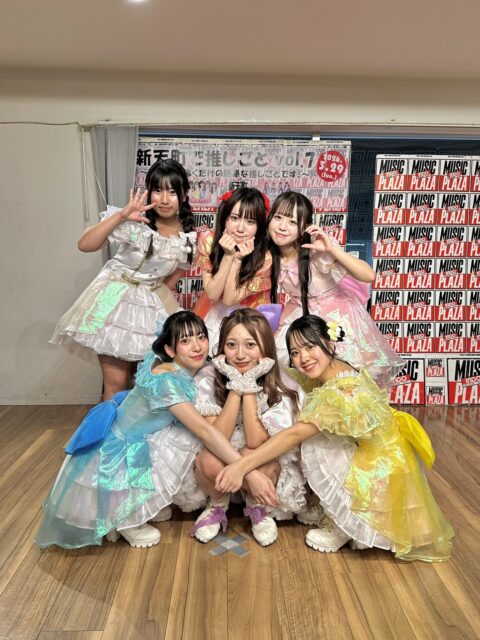
For QunQun☆RiniU and other groups facing similar hurdles, the path forward involves:
- Leveraging Social Media Effectively: Beyond viral moments, consistent and engaging content creation can build a community.
- Creative Promotion: Finding unique ways to reach potential fans without massive budgets.
- Networking and Collaboration: Partnering with other independent artists or local businesses to expand reach.
- Focusing on Niche Audiences: Cultivating a dedicated core fanbase, no matter how small, can provide a stable foundation.
- Maintaining Artistic Integrity: Producing high-quality music and performances to earn respect and loyalty.
The incident serves as a powerful reminder that success in the entertainment industry is not solely about talent or hard work; it is also heavily influenced by timing, luck, market dynamics, and robust promotional strategies.
Conclusion: A Mirror to the Idol Industry’s Unseen Struggles
The story of QunQun☆RiniU’s empty handshake event is more than just a fleeting viral moment; it is a profound reflection of the harsh realities pervasive in the global idol industry. It brings to light the immense saturation, the economic pressures on independent groups, and the emotional resilience demanded of artists who dedicate their lives to performing. While the image of idols standing before an absent crowd is heartbreaking, it has inadvertently opened up a vital dialogue about the support systems, ethical considerations, and sustainable practices needed to nurture talent in an increasingly competitive world. As QunQun☆RiniU continues their journey, their experience serves as a poignant testament to the unwavering spirit of artists and a stark reminder of the unseen struggles beneath the glittering facade of the idol dream.
Related News