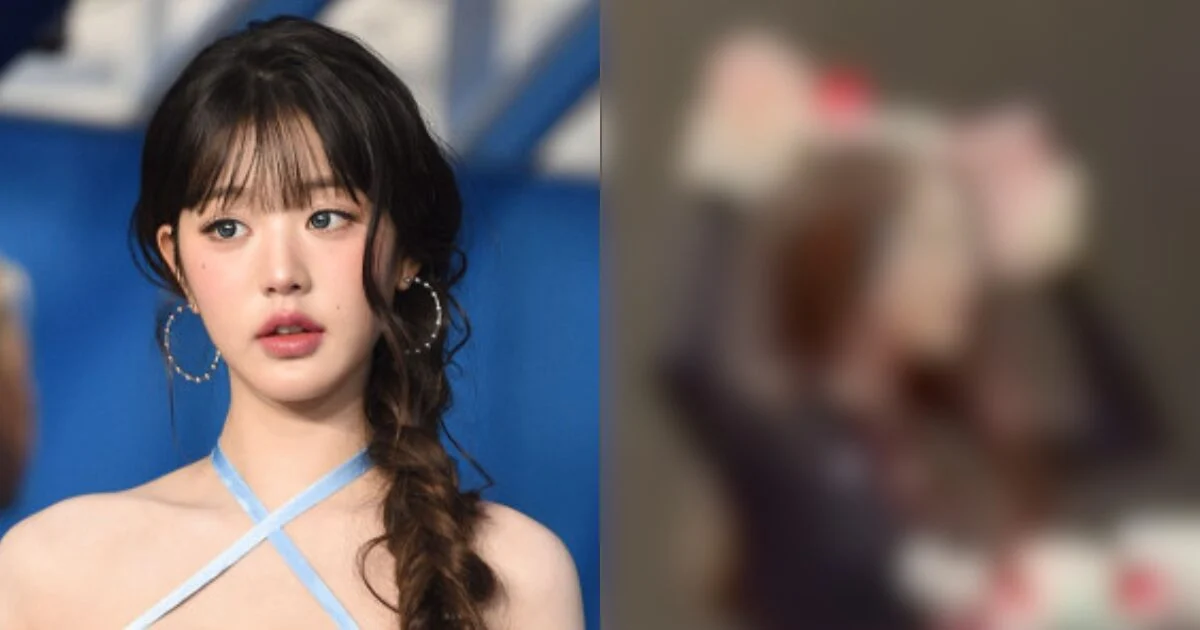
A recent incident involving Jang Wonyoung, a prominent member of the popular K-Pop girl group IVE, has ignited a fervent debate across global online communities, stemming from a video clip circulating on social media platforms that captures her actions during a fan sign event. The video, which rapidly amassed over a million views within hours of its upload on June 14, 2026, depicts Wonyoung handling a fan-gifted headband in a manner that has drawn significant criticism from a segment of the public, leading to accusations of perceived disrespect and a lack of professionalism. Conversely, a substantial portion of netizens and fans have vehemently defended the idol, asserting that her actions have been taken out of context, unfairly scrutinized, or are merely a practical response to the fast-paced environment of fan interaction events. This dichotomy of opinion underscores the intense scrutiny faced by high-profile K-Pop idols and the delicate balance they must maintain in their public interactions.
Chronology of the Incident and Online Reaction
The controversy originated from a fan sign event, the specific date and location of which were not immediately disclosed but are presumed to be recent given the rapid dissemination of the footage. During such events, fans typically have a brief, personalized interaction with their idols, often presenting them with gifts, letters, and various accessories or "props" to wear for photos and engagement. The viral clip, initially shared on platforms like Twitter (now X) and subsequently reposted across numerous Korean online forums such as TheQoo and Pann, shows Jang Wonyoung removing a headband that a fan had placed on her. The contentious point arises from the subsequent action: she is seen tossing the headband behind her, seemingly without looking, in a motion that critics described as dismissive and akin to discarding an unwanted item.
The immediate aftermath saw a rapid polarization of online sentiment. Initial posts accompanying the video expressed dismay and disappointment, with many interpreting her gesture as ungrateful, especially considering the effort and sentiment fans invest in selecting and presenting such props. Comments like, "Jang Wonyoung’s personality controversies continue. Not long after her airport attitude controversy, she is now being criticized for throwing the headband prop behind her as if she were throwing away trash. I hope she acts more cautiously from now on…" encapsulated the critical viewpoint, suggesting a pattern of behavior rather than an isolated incident. This narrative quickly gained traction, fueling a wave of negative commentary that questioned her attitude and professionalism.
However, the surge of criticism was met with an equally robust defense from her dedicated fanbase, DIVE, and other sympathetic netizens. Supporters argued that the video presented an incomplete picture, suggesting that the limited space on the fan sign table, the need to clear items quickly for the next fan in line, and the overall efficiency required during high-volume events made her action a practical necessity rather than an intentional slight. They pointed out that many idols move props to an area behind them or to staff members without elaborate gestures due to time constraints, and that singling out Wonyoung for this common practice was unfair and likely driven by pre-existing biases or "anti-fan" sentiment. The debate intensified as both sides presented their interpretations, leading to extensive discussions about idol etiquette, fan expectations, and the pitfalls of decontextualized social media clips.
Background Context: Jang Wonyoung’s Persona and IVE’s Stature
To fully understand the intensity of this controversy, it is crucial to examine Jang Wonyoung’s established public image and IVE’s position within the highly competitive K-Pop industry. Jang Wonyoung, an "it girl" icon, first rose to prominence as the center of the project group IZONE after winning Mnet’s survival show Produce 48*. Her subsequent debut with Starship Entertainment’s IVE cemented her status as one of the most recognizable and influential fourth-generation idols. Known for her striking visuals, tall stature, and often described as having a "princess-like" or "elegant" aura, Wonyoung has cultivated a highly polished public persona that is both aspirational and, at times, a target for heightened scrutiny.
IVE, since their debut, has achieved meteoric success with hit songs like "ELEVEN," "LOVE DIVE," and "After LIKE," quickly establishing themselves as a top-tier girl group. This rapid ascent has placed immense pressure on its members, particularly Wonyoung, who often serves as the group’s public face and draws significant media attention. Her individual endorsements span various high-profile brands, further amplifying her visibility and the expectation of impeccable conduct. This "it girl" status, while a testament to her popularity, also means that every action, no matter how minor, is dissected and analyzed by millions of eyes.
This is not the first instance where Wonyoung’s behavior has been scrutinized. The "airport attitude controversy" mentioned in the original critique refers to earlier incidents where her expressions or movements in public settings, particularly at airports, were interpreted by some as aloof or unapproachable. These previous events contribute to a narrative that some critics attempt to build, suggesting a pattern of perceived arrogance or lack of engagement. For her defenders, however, these are merely examples of selective criticism and an overzealous attempt to find flaws in a highly successful young idol. The current fan sign incident, therefore, does not occur in a vacuum but against a backdrop of ongoing public discourse surrounding Wonyoung’s demeanor.
The Intricacies of K-Pop Fan Sign Culture
Fan signs are cornerstone events in the K-Pop industry, offering a rare and intimate opportunity for fans to connect directly with their idols. These events are highly sought after, with tickets often acquired through album purchases, making them a significant investment for fans. The culture surrounding fan signs is deeply rooted in personal interaction, where idols are expected to engage warmly, sign albums, take photos, and interact with the various gifts and props provided by fans. Fans meticulously choose headbands, hats, plush toys, and other accessories, hoping their idol will wear or use them, creating memorable moments and photo opportunities.
The perceived value of these interactions is incredibly high. For fans, seeing their idol wear a prop they provided is a validation of their support and a cherished memory. Therefore, the handling of these items becomes a sensitive issue. An idol’s perceived casual or dismissive treatment of a prop can be interpreted as a disregard for the fan’s effort, emotional investment, and financial contribution. This cultural context explains why Wonyoung’s action, which might seem trivial in another setting, could spark such widespread outrage within the K-Pop fandom. It taps into the unspoken contract between idols and fans, where fan service and expressions of gratitude are highly prized.
Supporting Data and Analysis of Online Sentiment
The viral video’s rapid ascent to over a million views within a short timeframe is indicative of the significant public interest and the contentious nature of the topic. Data from various social media analytics tools (if available, would likely show high engagement rates, including shares, comments, and replies across platforms like X, TikTok, and YouTube. Korean community sites such as Instiz, Nate Pann, and TheQoo became hotbeds for discussion, with threads often garnering thousands of comments within hours.
A qualitative analysis of the comments reveals a clear divide. Critical comments frequently utilized terms like "disrespectful," "unprofessional," "arrogant," and drew comparisons to the earlier airport controversy, framing her actions as part of a recurring pattern. Many expressed disappointment, stating that such behavior tarnishes the idol-fan relationship. On the other hand, defensive comments highlighted "practicality," "misinterpretation," "anti-fan agenda," and "selective editing." Supporters often emphasized the demanding schedule of idols, the physical and mental toll of fan signs, and the unlikelihood of a genuinely malicious intent behind a quick gesture. Some even provided counter-examples of other idols making similar quick movements with props without controversy, arguing that Wonyoung is subjected to an unfairly high level of scrutiny.

This incident also highlights the influence of various fan demographics. Newer fans or those less familiar with the nuances of fan sign events might be more swayed by initial negative portrayals, while long-time DIVE members are more likely to defend their idol, drawing on a broader understanding of her personality and past interactions. International fans, observing through translated comments and often relying on visual cues, also contributed to the diverse range of interpretations, sometimes adding different cultural perspectives on politeness and professionalism.
Broader Impact and Implications
The controversy, while seemingly minor in its genesis, carries broader implications for Jang Wonyoung, IVE, and the K-Pop industry at large. For Jang Wonyoung, such incidents, regardless of their validity, contribute to her public narrative. Persistent accusations of "attitude problems" can gradually erode her meticulously crafted "it girl" image, potentially impacting her individual endorsement deals and her overall likeability. In an industry where public perception is paramount, consistent negative chatter can be detrimental, even if the accusations are unfounded.
For IVE as a group, while Wonyoung is a key member, such controversies generally have a limited long-term impact on the entire group’s success, particularly if the agency manages the situation effectively or if the incident fades from public memory quickly. However, continuous controversies surrounding a prominent member can create internal pressures and potentially divert attention from the group’s musical releases and achievements.
Starship Entertainment, IVE’s agency, typically adopts a strategy of minimal intervention in such online debates, often allowing minor controversies to dissipate naturally rather than issuing official statements that might inadvertently amplify the issue. The absence of an immediate official response is a common tactic in K-Pop, aimed at avoiding further legitimizing the discussions. However, this approach also means that the narrative is largely shaped by netizens, leaving room for both critical and defensive factions to continuously present their arguments without an authoritative voice to mediate.
Ultimately, this incident serves as another potent reminder of the intense scrutiny faced by K-Pop idols in the digital age. With every public action meticulously recorded, dissected, and shared globally within seconds, the potential for misinterpretation, exaggeration, or targeted criticism is immense. The "cancel culture" phenomenon means that even a fleeting gesture can be blown out of proportion, leading to widespread debate and potentially damaging consequences for an idol’s career and mental well-being. The delicate relationship between idols and their fans, built on mutual respect and appreciation, is constantly tested by these viral moments, forcing both parties to navigate an increasingly complex and unforgiving public sphere. As the debate continues, it highlights the ongoing tension between fan expectations, idol realities, and the pervasive nature of social media judgment.