Japanese Actress Rio Uchida’s “Korean-Style” Makeup Transformation Sparks Divided Reactions
Article Editorial Team
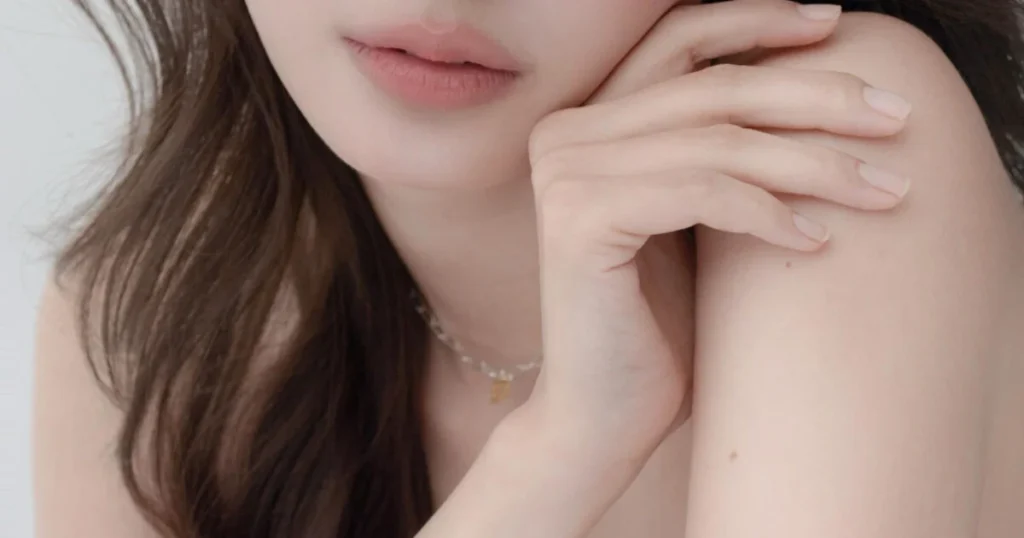
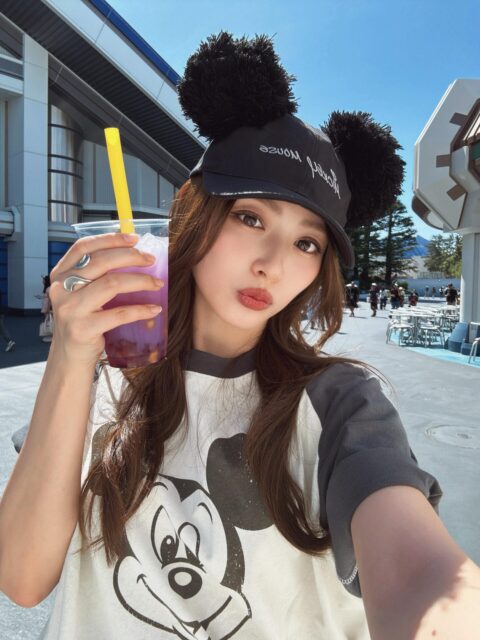
Japanese actress and model Rio Uchida recently became the subject of widespread discussion among Korean netizens following a dramatic makeup transformation showcasing a distinct “Korean-style” aesthetic. The shift in her appearance, contrasting sharply with her usual Japanese styling, quickly went viral across various online communities and social media platforms, igniting a fervent debate over the merits of each beauty approach and the broader implications of cross-cultural beauty standards.
The Genesis of a Viral Sensation
The discussion originated from a viral post on the popular Korean online community, theqoo, which juxtaposed images of Uchida in her characteristic Japanese makeup with new photographs featuring a noticeably different, “Korean-style” look. These comparison photos, believed to have been sourced from Uchida’s personal Instagram account (@rio_uchida), immediately captured the attention of thousands, prompting an outpouring of comments and analyses. While the exact date of the "Korean-style" photos appearing on her social media remains fluid within the rapidly moving digital landscape, their widespread dissemination and the subsequent intense commentary solidified the event as a significant cultural talking point in recent days.
Rio Uchida, born September 27, 1991, has carved out a prominent career in the Japanese entertainment industry. Starting as a gravure idol, she transitioned successfully into acting, gaining recognition for her roles in various television dramas, films, and variety shows. Known for her versatile acting prowess and charismatic screen presence, Uchida has cultivated a public image that often embodies a blend of approachable charm and sophisticated elegance. Her established aesthetic, often reflecting prevalent Japanese beauty trends, has long been characterized by a certain softness, naturalness, and attention to detail that accentuates her features without drastically altering them. This established visual identity provided a clear baseline for netizens to gauge the impact of her recent makeup experimentation.
Deconstructing Japanese Beauty Aesthetics
To fully appreciate the transformation, it is essential to understand the typical characteristics of Japanese-style makeup. Often described as subtle, sophisticated, and focused on enhancing natural features, Japanese beauty ideals prioritize a fresh, youthful, and healthy appearance. Key elements frequently include:
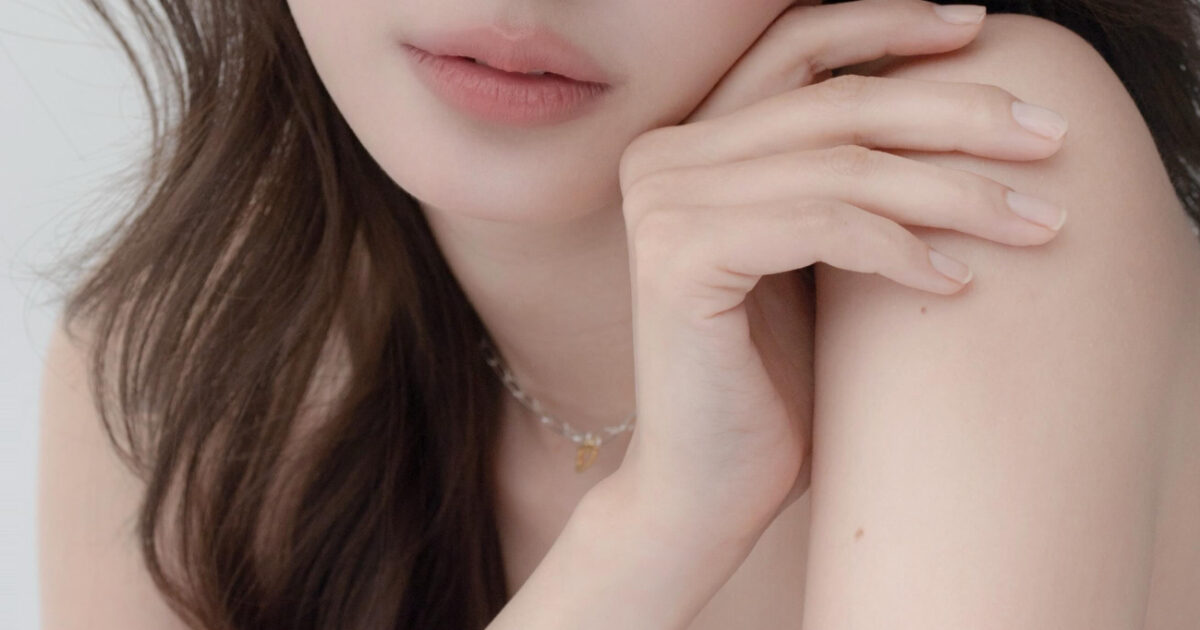
- Skin: A strong emphasis on luminous, translucent skin, often achieved with dewy foundations or cushion pacts that offer light to medium coverage. The goal is a radiant, "mochi-hada" (mochi-skin) finish that looks hydrated and plump.
- Eyebrows: Typically softer, straighter, and less sculpted than their Korean counterparts. The aim is to frame the face gently, often with a slightly diffused look using brow powders or tinted gels.
- Eye Makeup: Generally understated, focusing on creating larger, rounder eyes without heavy liner or dramatic shadows. Techniques often involve subtle brown or peach eyeshadows, thin eyeliner, and an emphasis on aegyo sal (the natural fatty deposit under the eyes that creates a youthful, smiling appearance). Mascara is applied to lengthen and curl, but rarely for extreme volume.
- Blush: Often applied higher on the cheekbones, sometimes extending towards the temples, to create a youthful, flushed look. Trends like "Igari makeup" (hangover blush) place blush directly under the eyes.
- Lips: Natural-looking tints, sheer lipsticks, or glosses are popular, often in pinks, corals, or soft reds, aiming for a plump and hydrated effect rather than bold, opaque color.
Uchida’s "usual look," as depicted in the viral comparisons, typically adhered to these principles, presenting her with an accessible, naturally radiant charm that resonated with her Japanese fanbase.
The Allure of Korean-Style Makeup
In stark contrast, "Korean-style" makeup, or K-Beauty, has become a global phenomenon, influencing trends far beyond South Korea’s borders. It is renowned for its innovative products and techniques aimed at achieving a distinct aesthetic. Common features of K-Beauty makeup include:
- Skin: The ultimate goal is "glass skin" – an intensely hydrated, luminous, and poreless complexion. This involves extensive skincare routines, followed by primers, high-coverage yet lightweight foundations, and strategic highlighting.
- Eyebrows: Straight, slightly thicker eyebrows are a hallmark, believed to convey a youthful and innocent look. They are meticulously filled in with brow pencils or powders, often with a soft, gradient effect.
- Eye Makeup: While still natural, K-Beauty eye makeup often incorporates subtle contouring with matte or shimmer shades in warm browns, peaches, or pinks. Eyeliner is typically a thin, sharp line that extends slightly outwards, sometimes creating a subtle "puppy eye" effect. Mascara is used to define and lengthen, often with individual lashes added for extra impact. Aegyo sal is also emphasized, but often with a more defined shimmer.
- Contouring: Subtle contouring and highlighting are frequently used to create a more defined V-line jaw and enhance facial symmetry.
- Lips: Gradient lips (where the color is concentrated in the inner part of the lips and fades outwards) are extremely popular, giving a soft, natural, and youthful pout. Tinted lip balms, stains, and matte lipsticks in vibrant or muted tones are common.
For her "Korean-style" transformation, Uchida appeared to adopt several of these key elements. Her eyebrows were noticeably straighter and fuller, her skin exhibited a more pronounced "glass skin" luminosity, and her eye makeup, while still elegant, featured a slightly more defined liner and softer, warmer shadows. Her lips showcased a subtle gradient, moving away from a uniform application. The overall effect was a significant departure from her familiar image, rendering her almost unrecognizable to some.
Divided Reactions and Underlying Sentiments
The viral post on theqoo garnered hundreds of comments, reflecting a truly divided opinion among Korean netizens. The debate was not merely about which look was "better," but delved into deeper preferences regarding beauty ideals and celebrity image.
Advocates for the "Korean Style" often expressed surprise at the transformative power of makeup. One commenter reportedly stated, "I didn’t recognize her at first! She looks like a completely different person." Many felt that the Korean-style makeup made Uchida appear softer, more approachable, and naturally beautiful. Sentiments included:

- "She looks so much younger and fresher with the Korean makeup."
- "The Korean style makes her look so much prettier and more natural, like she’s glowing from within."
- "It softens her features and gives her a gentle, elegant aura."
- "I prefer this look; it makes her seem more friendly and less rigid."
These reactions highlight an appreciation for the youthful, "innocent," and seemingly effortless beauty that K-Beauty often aims to achieve. The emphasis on glowing skin and softer features resonated strongly with a segment of the audience who perceived it as enhancing Uchida’s inherent beauty in a more universally appealing way.
Conversely, supporters of her "usual Japanese styling" argued that while the Korean-style makeup was undeniably beautiful, it detracted from her unique celebrity aura and distinct individuality. Their comments often centered on the idea that her original look made her stand out more:
- "The Japanese style is more unique to her. With the Korean makeup, she looks like any other pretty girl."
- "Her usual makeup gives her a more distinct celebrity vibe. This new look makes her too generic."
- "While she’s beautiful in both, her Japanese style makes her more recognizable and memorable."
- "The Japanese makeup has a certain charm that highlights her personality more effectively."
These responses suggest a preference for distinctiveness and a celebrated individuality that might be perceived as diluted when adopting a more widely popularized, albeit beautiful, aesthetic. For these netizens, a celebrity’s image should ideally possess an element of uniqueness that sets them apart.
A third, equally significant group of netizens adopted a more neutral and appreciative stance, acknowledging Uchida’s versatility and inherent beauty. They argued that there was no need to choose between the two styles, as she possessed the beauty to flawlessly execute both. Comments like, "She’s beautiful enough to pull off anything!" or "Both styles look great on her; it just shows how versatile she is," underscored a broader acceptance of diverse beauty expressions and a focus on the individual’s ability to adapt.
Broader Context: Cultural Exchange and Evolving Beauty Standards
This viral discussion surrounding Rio Uchida’s makeup transformation is emblematic of the dynamic cultural exchange between Japan and South Korea. While historically complex, the two nations share deep cultural ties, with trends in fashion, music, and beauty frequently crossing borders. The global explosion of K-Pop, K-Dramas, and the broader Hallyu (Korean Wave) has significantly influenced beauty standards worldwide, including in Japan. Japanese consumers and celebrities are increasingly experimenting with K-Beauty products and techniques, just as Korean artists sometimes draw inspiration from Japanese fashion and aesthetics.
Social media platforms like Instagram, TikTok, and online forums like theqoo serve as powerful conduits for this exchange, allowing trends to propagate rapidly and discussions to unfold in real-time. These platforms democratize beauty standards to an extent, as everyday individuals and celebrities alike can share and react to new looks, driving viral moments like Uchida’s.
The incident also highlights the continuous evolution of beauty standards. What is considered "beautiful" is not static; it shifts with cultural movements, technological advancements in cosmetics, and the influence of media. Celebrities, by virtue of their public platforms, often become the unwitting (or sometimes deliberate) canvases for these evolving ideals, sparking public discourse and helping to normalize new aesthetics.
Implications for Celebrities and the Beauty Industry
For celebrities like Rio Uchida, navigating these cross-cultural beauty trends presents both opportunities and challenges. Experimenting with different looks can expand their appeal to a wider international audience, demonstrate versatility, and generate valuable media attention. However, it also opens them up to public scrutiny and potential criticism if the transformation deviates too far from established expectations. While neither Uchida nor her agency has issued an official statement regarding the viral discussion, such experiments are often carefully considered strategic moves by artists and their teams to explore new facets of their image or engage with different fan bases.
For the beauty industry, such viral moments are invaluable. They underscore the power of makeup to transform and the significant cultural cachet of national beauty styles. This constant interplay between Japanese and Korean beauty, often termed "J-Beauty" and "K-Beauty," drives innovation in product development, marketing strategies, and the rise of beauty influencers who can bridge these aesthetic divides. Brands are increasingly creating hybrid products or marketing campaigns that cater to consumers who appreciate elements from both styles, recognizing that modern beauty is often a fluid, personalized fusion rather than strict adherence to one national ideal.
Conclusion
Rio Uchida’s "Korean-style" makeup transformation serves as a compelling case study in the power of beauty to transcend cultural boundaries and spark lively debate. It illustrates not only the dramatic impact makeup can have on an individual’s appearance but also the nuanced preferences and underlying cultural values that shape perceptions of beauty. Whether netizens preferred her softer, "Korean-style" look or her distinct "Japanese-style" image, the consensus remained that Uchida’s inherent beauty shone through, proving her remarkable versatility. As cultural exchange continues to flourish, such transformations will likely become even more common, fostering a global beauty landscape that is rich, diverse, and constantly evolving.
Related News