K-Pop Fashion: Mastering the Art of Idol-Inspired Style Beyond the Stage
Article Editorial Team
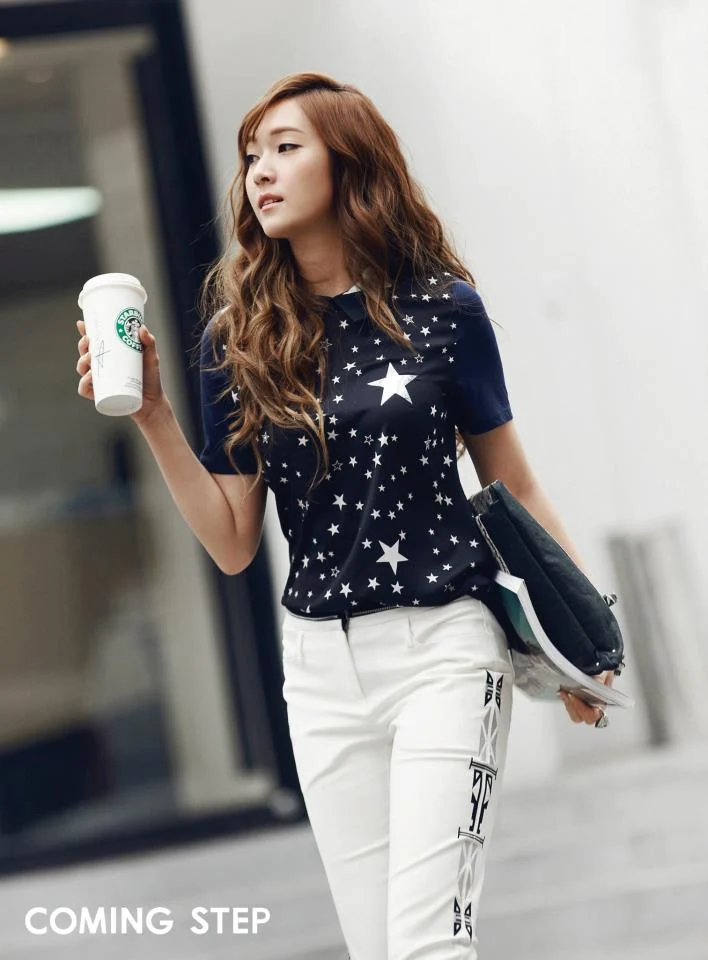
The vibrant and visually captivating world of K-pop extends far beyond catchy melodies and intricate choreography. It’s a meticulously crafted universe where fashion plays a pivotal role in shaping idol personas and influencing global trends. While K-pop idols dedicate countless hours to perfecting their performances, an equally significant investment is made in their visual presentation. This encompasses everything from synchronized dance routines to the strategic choices of stylists, hair artists, and makeup professionals who ensure every appearance, whether on a music show, a concert stage, or even a casual airport transit, is a statement. This dedication to aesthetic excellence has naturally resonated with fans worldwide, inspiring them to emulate the distinctive styles that define their favorite artists.
For many consumers of K-pop, the initial engagement with idol culture often begins with learning the choreography or singing along to their favorite tracks. However, the most accessible and pervasive avenue for fan identification lies in fashion. The act of dressing is a universal human experience, and the sartorial choices of K-pop idols provide a readily available source of inspiration for everyday wardrobes, whether for school, work, or social outings. Previous attempts to guide fans through this landscape have often focused on identifying specific items – a particular handbag carried by Girls’ Generation’s Jessica or a distinctive hat worn by BIGBANG’s G-Dragon. While locating these coveted pieces might be the easier part of the process, truly integrating K-pop style into one’s personal aesthetic requires a more nuanced approach than simply acquiring designer pieces or replicating iconic looks.
The challenge arises when fans attempt to directly translate the elaborate, often theatrical ensembles worn by idols into their daily lives. When an individual wears an amalgamation of trending items – perhaps the statement earrings favored by SHINee’s Key, the bold footwear championed by 2NE1’s CL, and a distinctive jacket sported by INFINITE’s Woohyun – the result can inadvertently resemble a costume. This is because these outfits are frequently designed as stage costumes, meticulously curated for performance environments where exaggerated elements and cohesive thematic elements are paramount. The intention for most fans is not to appear as though they are participating in a cosplay or embodying a character, but rather to capture the essence of coolness and stylishness that K-pop idols exude in a more grounded, everyday context. This distinction is crucial for achieving an authentic and personally resonant style.
The Art of Subtle Integration: Weaving Trends into Personal Style
The key to successfully adopting K-pop-inspired fashion without succumbing to a costume-like appearance lies in the art of subtle integration. This involves incorporating trends in measured doses and, critically, aligning them with one’s pre-existing personal style. The process begins with a self-assessment of one’s sartorial inclinations. Do you gravitate towards minimalist color palettes and structured silhouettes? Perhaps your preference leans towards a more casual, sporty aesthetic? Or maybe you draw inspiration from menswear, favoring tailored pieces in muted tones? Understanding these preferences provides a foundation upon which to build.
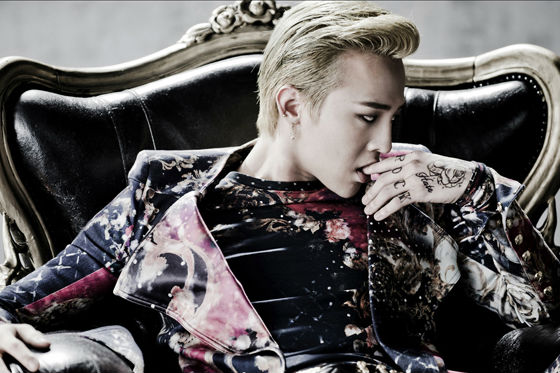
Fashion, by its very nature, is an avenue for experimentation and self-discovery. It is an ongoing dialogue between the individual and the ever-evolving world of trends. While it is perfectly acceptable to explore different looks and step outside one’s comfort zone, the ultimate goal should be to identify what resonates most authentically. The aim is not to become a mere imitator of artists like B.A.P’s Zelo or Girl’s Day’s Minah, but to leverage their style as a springboard for developing a unique personal expression. This involves critically evaluating which elements of K-pop fashion genuinely align with one’s own aesthetic sensibilities and then finding ways to make them your own.
Navigating Style Evolution: A Gradual Approach to Wardrobe Transformation
For individuals who feel their current style is not serving them and are seeking a significant change, the impulse might be to overhaul their entire wardrobe at once with a collection of trendy K-pop-inspired pieces. While this is a valid desire, a more prudent and cost-effective approach is recommended. Style evolution is a progressive journey, and wholesale changes can sometimes lead to buyer’s remorse if the new direction doesn’t ultimately feel right. It is advisable to start slowly, making small, incremental changes. This allows for a period of experimentation without a substantial financial commitment. By gradually introducing new elements and observing how they integrate with existing pieces and personal preferences, one can more effectively curate a wardrobe that truly reflects their evolving style. This measured approach mitigates the risk of investing heavily in items that may ultimately be discarded.
From Inspiration to Incorporation: Making Idol Fashion Your Own
Once a clearer understanding of one’s personal style has been established, or at least a desired direction has begun to emerge, the process of incorporating specific K-pop fashion elements becomes more refined. This is where discerning judgment comes into play. Instead of asking if a particular patterned pant worn by miss A’s Fei in a music video or a striking jacket sported by Super Junior’s Eunhyuk at a concert is desirable, the question should be: does this item genuinely fit my established style and complement my existing wardrobe?
The crucial step is to move beyond thinking about pairing these new pieces with other trendy items. Instead, focus on how they can be integrated with what you already own. This strategy serves a dual purpose: it fosters a more authentic incorporation of trends rather than a direct replication, and it significantly saves money. By building outfits around your existing closet, you maximize the versatility of your wardrobe and reduce the need for constant purchasing. This mindful approach ensures that new acquisitions are not isolated pieces but rather extensions of a cohesive and personally curated style.
Cultivating Confidence: The Ultimate Accessory in Fashion
Once an item has been identified as a genuine fit for your style, the next step is to embrace it wholeheartedly. Wear it with confidence, making it a signature part of your look. While not everyone has a personal style coordinator, the absence of one does not preclude the ability to be stylish. The most powerful accessory one can possess is confidence. When you feel good in what you are wearing, it radiates outward and elevates any outfit.

Ultimately, the journey of adopting K-pop-inspired fashion is an ongoing experiment. Like any scientific endeavor, experiments can sometimes yield unexpected results. The key is to approach these choices with thoughtfulness and a conscious effort to make the different trends your own. By internalizing this principle, individuals can develop the confidence to assemble diverse outfits without the apprehension of appearing as though they are wearing a costume or impersonating a K-pop idol. The goal is to harness the visual dynamism of K-pop as inspiration, filtering it through the lens of personal identity and creative expression to craft a unique and authentic style.
The Global Reach and Economic Impact of K-Pop Fashion
The influence of K-pop on global fashion trends is a phenomenon that has accelerated significantly over the past decade. Beyond individual fan emulation, K-pop has become a powerful driver of consumer behavior and a significant contributor to the global fashion market. This influence is multifaceted, impacting not only clothing choices but also beauty standards, accessory trends, and even the demand for specific brands.
Supporting Data and Market Trends:
The K-pop industry’s global expansion has been accompanied by substantial economic growth. Reports from various market research firms indicate a consistent upward trajectory in the global K-pop market, with fashion and merchandise sales forming a significant segment of this growth. For instance, the global K-pop merchandise market, which includes apparel, accessories, and fan-related items, has been projected to reach billions of dollars annually, with fashion items constituting a substantial portion. This surge is directly linked to the visual appeal of K-pop groups and their ability to set trends that resonate with a young, digitally-connected demographic.
Background Context:
The emergence of K-pop as a global cultural force can be traced back to the early 2000s, with the "Hallyu" or Korean Wave. Initially driven by K-dramas and music, the fashion aspect gained prominence as groups like Girls’ Generation, BIGBANG, and later EXO and BTS, began to showcase highly stylized and trendsetting aesthetics. These idols were not merely performers; they became fashion icons, their looks meticulously crafted to appeal to both domestic and international audiences. The rise of social media platforms like YouTube, Twitter, and Instagram further amplified this influence, allowing fans to instantly access and share images and videos of their favorite idols’ fashion choices.
Timeline of Influence:

- Early 2000s: The initial wave of Hallyu begins, with K-pop gaining traction in Asia. Fashion influence is more localized.
- Late 2000s – Early 2010s: The global explosion of K-pop. Groups like Girls’ Generation and BIGBANG establish distinct fashion identities, influencing a broader international audience. The concept of "airport fashion" gains significant attention, showcasing idols in stylish, everyday wear.
- Mid-2010s: K-pop becomes a mainstream global phenomenon. BTS and BLACKPINK emerge as major fashion influencers, collaborating with international luxury brands and appearing on global fashion magazine covers. Fashion blogs and online communities dedicated to K-pop style proliferate.
- Late 2010s – Present: K-pop idols are increasingly recognized as legitimate fashion tastemakers. They become brand ambassadors for high-fashion houses, influencing runway trends and street style globally. The economic impact of K-pop fashion is evident in the sales of idol-related merchandise and the increased demand for Korean fashion brands.
Analysis of Implications:
The phenomenon of K-pop fashion has far-reaching implications. It demonstrates the power of visual media and celebrity endorsement in shaping global consumer culture. For the Korean economy, it represents a significant export, driving demand for fashion, beauty products, and related industries. Furthermore, it has fostered a greater appreciation for diverse fashion aesthetics, challenging traditional Western-centric fashion norms. The emphasis on detailed styling and the integration of high fashion with street style has also pushed the boundaries of what is considered acceptable or desirable in everyday fashion.
Statements and Reactions (Inferred):
While direct quotes from stylists or idols regarding the broader impact of their fashion choices on fan emulation are not always publicly available in this context, the consistent engagement from fans and the strategic partnerships with fashion brands speak volumes. Fashion industry analysts have frequently commented on the "K-pop effect," noting how idol trends can quickly become global phenomena, influencing purchasing decisions for millions. Brands themselves actively seek collaborations with K-pop stars precisely because of their proven ability to drive sales and create buzz. The success of these partnerships underscores the significant commercial and cultural impact of K-pop fashion.
In conclusion, the journey of adopting K-pop style is not merely about replicating outward appearances but about understanding the underlying principles of personal expression, thoughtful integration, and confident self-presentation. The global influence of K-pop fashion underscores its position as a significant cultural and economic force, demonstrating a profound connection between music, visual artistry, and consumer behavior on an international scale.
Related News