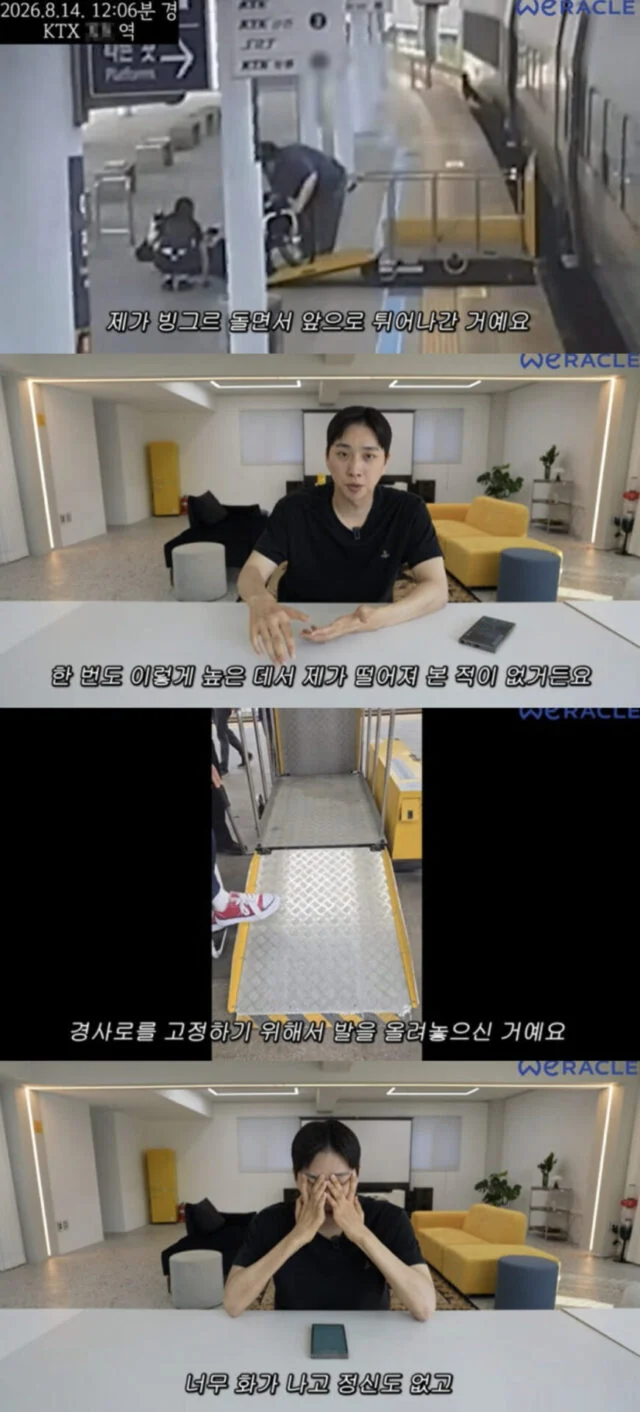
The ongoing controversy surrounding a prominent YouTuber’s decision to release CCTV footage depicting a social service worker’s assistance during a KTX fall accident has extended its reach, now drawing sharp criticism towards the YouTuber’s wife, a well-known K-Pop idol. This incident has ignited widespread debate across South Korea, touching upon issues of privacy, public accountability, the ethics of content creation, and the disproportionate burden placed on public figures due to the actions of their spouses.
The Incident: A KTX Fall and Viral Video
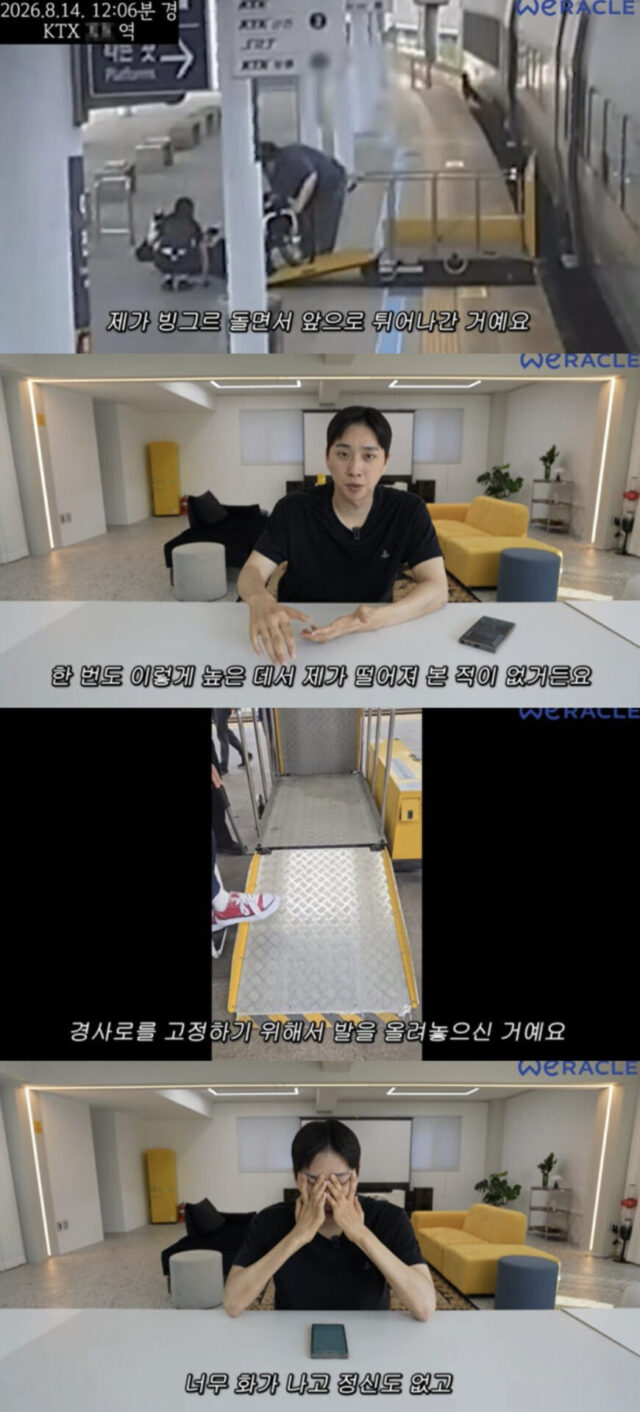
The controversy originated with Park We, a renowned paraplegic YouTuber, who experienced an unfortunate fall while disembarking from a KTX train. According to Park We’s account, the incident occurred when his wheelchair wheel became entangled with the foot of a social service worker. The worker was reportedly in the process of securing a ramp to facilitate Park We’s exit from the train, a routine procedure designed to ensure safe passage for passengers with mobility aids.
Following the fall, Park We decided to upload the CCTV footage of the incident to his YouTube channel. In his accompanying commentary, he expressed significant displeasure, attributing the accident to the worker’s alleged misplacement of their foot on the ramp. His stated intention behind sharing the video was ostensibly to highlight a perceived lapse in professional conduct or to raise awareness about the challenges faced by individuals with disabilities when relying on assistance, particularly in public transport settings. The video quickly garnered substantial attention, drawing in millions of views and igniting a firestorm of discussion across various online platforms and traditional media outlets.
Park We’s Public Persona and Initial Justification
Park We has cultivated a significant public presence as a YouTuber and advocate for disability rights. Known for his candid vlogs documenting his life as a paraplegic, his content often focuses on overcoming challenges, promoting inclusivity, and sharing insights into living with a disability. His platform has previously been praised for fostering greater understanding and empathy towards the disabled community in South Korea. This background provided a context for his decision to upload the video, leading some initial viewers to interpret his actions as a form of advocacy or an attempt to hold service providers accountable. However, this interpretation quickly clashed with broader concerns regarding individual privacy and the ethical use of surveillance footage.
The Escalation: Privacy Concerns and Public Outcry
The immediate aftermath of the video’s release saw a rapid escalation of public debate. While some initially sympathized with Park We’s frustration over the fall, a far more significant and sustained wave of criticism emerged concerning the ethics and legality of publishing the social service worker’s image without consent. South Korea has stringent privacy laws, particularly regarding the unauthorized dissemination of personal identifiable information and images. The Personal Information Protection Act (PIPA) broadly protects individuals’ data and images, making the non-consensual public display of someone’s face, even in CCTV footage, a legally precarious action.
Netizens and legal experts alike swiftly pointed out that the worker, a private citizen performing their duties, had a fundamental right to privacy. Their image, captured by a surveillance camera, was not intended for public consumption, especially in a context that could expose them to public scrutiny, judgment, and potential professional repercussions. The debate swiftly moved beyond the specifics of the fall itself, centering instead on the "portrait rights" (초상권, chosang-gwon), a concept deeply embedded in South Korean legal and social discourse, which grants individuals control over their visual representation. Critics argued that Park We, despite his public persona and advocacy, had overstepped ethical boundaries by unilaterally deciding to publicize the worker’s image, effectively exposing them to a digital "trial by public opinion" without due process or consent.
Park We’s Apology and Video Deletion
As the controversy intensified and public sentiment largely turned against his decision to upload the footage, Park We eventually deleted the video from his YouTube channel. This action was followed by a public apology, in which he acknowledged his oversight. He stated that he had not adequately considered the social service worker’s position or their right to privacy, expressing regret for the distress his actions had caused. His apology, while a necessary step, came only after significant public backlash and legal warnings, highlighting the rapid learning curve often encountered by content creators navigating the complex landscape of digital ethics and public accountability. The incident served as a stark reminder of the power and responsibility that comes with managing a large online platform and the potential for unintended harm, even when intentions might be perceived as constructive.
The Unfair Targeting of Song Jieun: Guilt by Association
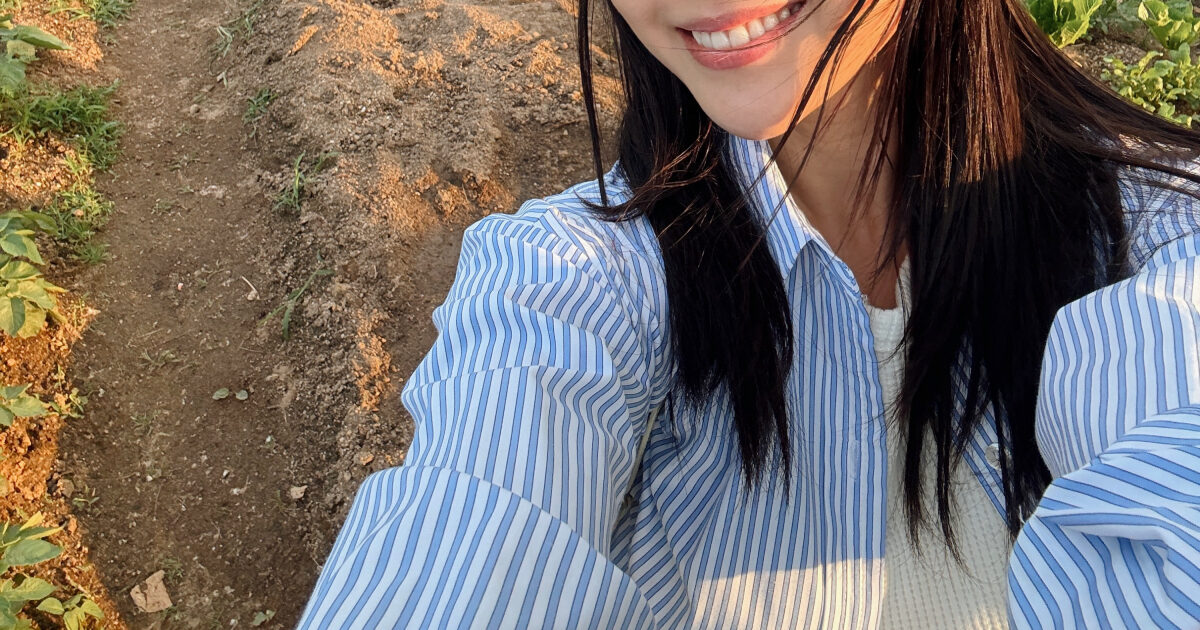
While Park We’s apology seemed to quell some of the direct criticism aimed at him, the controversy took an unexpected and deeply problematic turn. The backlash began to spill over onto his wife, Song Jieun, a former member of the popular K-Pop girl group Secret. Her personal social media accounts, which are typically platforms for her music, fashion, and daily life updates, were suddenly inundated with a torrent of critical and malicious comments directly related to her husband’s actions.
Comments ranged from accusatory questions like, "Don’t you care that your husband uploaded that video?" to outright condemnations such as, "The couple doesn’t look good together," and even direct demands like, "Please keep your husband in check." This phenomenon, often referred to as "guilt by association" or "secondary victimization," saw Song Jieun being held accountable for actions she was not directly involved in, solely due to her marital connection to Park We. This form of online harassment highlights a troubling aspect of digital culture, where public figures’ family members are often unfairly dragged into controversies, facing unwarranted scrutiny and abuse.
Song Jieun’s Career and Public Scrutiny
Song Jieun debuted as a member of Secret in 2009, achieving significant success with hits like "Madonna" and "Shy Boy." After Secret’s hiatus and eventual disbandment, she transitioned into a successful solo career, showcasing her vocal prowess and versatility. Like many K-Pop idols, her life has always been under intense public scrutiny, with fans and the media closely following her professional and personal milestones. Her relationship with Park We and their subsequent marriage had been a topic of interest, often portrayed positively in media.
The current situation, however, places her in a uniquely vulnerable position. As a K-Pop idol, she is expected to maintain a pristine public image, and any perceived blemish, even if indirect, can have severe consequences for her career and mental well-being. The comments she received demonstrate a societal expectation, particularly prevalent in some East Asian cultures, that a spouse is responsible for the actions and public image of their partner. This expectation is often disproportionately applied to female public figures, who are frequently pressured to embody traditional roles of maintaining family harmony and rectifying their husband’s perceived missteps.

Legal and Ethical Dimensions of CCTV Footage Release
The incident serves as a critical case study in the intersection of digital content creation, privacy rights, and public accountability. In South Korea, the unauthorized release of identifiable images, especially from CCTV footage, can lead to legal repercussions, including fines and potential imprisonment under the Personal Information Protection Act. Even if the original intent was to raise awareness, the act of publicizing an individual without their consent, potentially leading to their identification and subsequent harassment, is a clear violation of their rights.
Ethically, the incident underscores the responsibility of content creators, especially those with large followings, to exercise extreme caution. The ease with which content can go viral often overshadows the profound impact it can have on real individuals. The digital space, while offering unprecedented opportunities for expression and advocacy, also demands a heightened sense of ethical consideration, particularly when private citizens are involved.
The Broader Context of Online Harassment in South Korea
South Korea has a well-documented history of intense online scrutiny and harassment, particularly targeting public figures. The anonymous nature of online comments, coupled with the rapid dissemination of information, often creates a fertile ground for malicious attacks. Idols, actors, and other celebrities frequently face severe mental health challenges due to the relentless pressure and criticism from netizens. Numerous cases of cyberbullying have led to tragic outcomes, prompting calls for stricter regulations and greater accountability for online platforms.
Song Jieun’s experience is not isolated but rather fits into a broader pattern of online targeting. The "cancel culture" phenomenon, where individuals are swiftly condemned and ostracized for perceived wrongdoings, often extends beyond the primary offender to encompass their associates. This incident highlights the need for greater digital literacy and empathy among online users, as well as more robust mechanisms for protecting individuals from online abuse.
Impact on Public Figures and Their Families
The targeting of Song Jieun for her husband’s actions has significant implications for public figures and their families. It creates an environment where individuals are not only responsible for their own conduct but also for the conduct of their loved ones, especially in the unforgiving realm of public opinion. This adds immense pressure to relationships and can deter public figures from pursuing personal lives that might expose their partners to unwarranted scrutiny.
For K-Pop idols, whose careers are often built on meticulously curated images and fan loyalty, such controversies can be particularly damaging. Even if an idol is completely innocent, the association with a negative incident can tarnish their reputation, affect endorsements, and erode public trust. This dynamic underscores the urgent need for a societal shift towards greater personal accountability, where individuals are judged on their own merits and actions, rather than being vicariously punished for the perceived missteps of their spouses.
Disability Advocacy vs. Individual Rights
The initial incident also sparked a nuanced discussion about the delicate balance between disability advocacy and individual privacy rights. While Park We’s platform is dedicated to raising awareness for the disabled, his method in this instance inadvertently created a conflict. Advocates often leverage personal experiences to highlight systemic issues, but doing so at the expense of another individual’s privacy raises significant ethical questions. The incident highlights that even in the pursuit of a noble cause, the means must align with fundamental human rights and ethical principles. Effective advocacy requires not only highlighting injustices but also doing so in a way that respects the dignity and rights of all involved parties.
Societal Implications and Digital Ethics
This entire episode serves as a powerful microcosm of contemporary digital ethics. It demonstrates how quickly a personal incident can transform into a national debate, how privacy can be inadvertently violated, and how online mobs can coalesce to exert immense pressure. It prompts critical questions about the nature of surveillance in public spaces, the responsibility of those who capture and disseminate such footage, and the collective digital citizenship required to navigate these complexities responsibly.
The incident is a call for greater mindfulness in content creation, stronger adherence to privacy principles, and a more compassionate approach to online discourse. It underscores the urgent need for education on digital literacy, not just for creators but for all consumers of online content, to foster an environment where accountability is balanced with empathy and respect for individual rights.
The Path Forward: Lessons from the Incident
Moving forward, this incident offers several crucial lessons. For content creators, it emphasizes the importance of securing informed consent before publishing any identifiable images of private citizens. For social media platforms, it highlights the ongoing challenge of moderating harmful content and protecting users from harassment. For the public, it serves as a reminder to critically evaluate information, resist the urge to engage in "cancel culture" based on partial information, and extend empathy to all individuals involved in public controversies, particularly those indirectly affected.
As South Korea continues to grapple with the rapid evolution of its digital landscape, incidents like these serve as critical inflection points, driving conversations about the societal responsibilities that accompany technological advancement and the enduring importance of human dignity and privacy in the digital age. The focus must now shift towards supporting Song Jieun against the unwarranted attacks and reinforcing the principle that individuals should only be held accountable for their own actions.