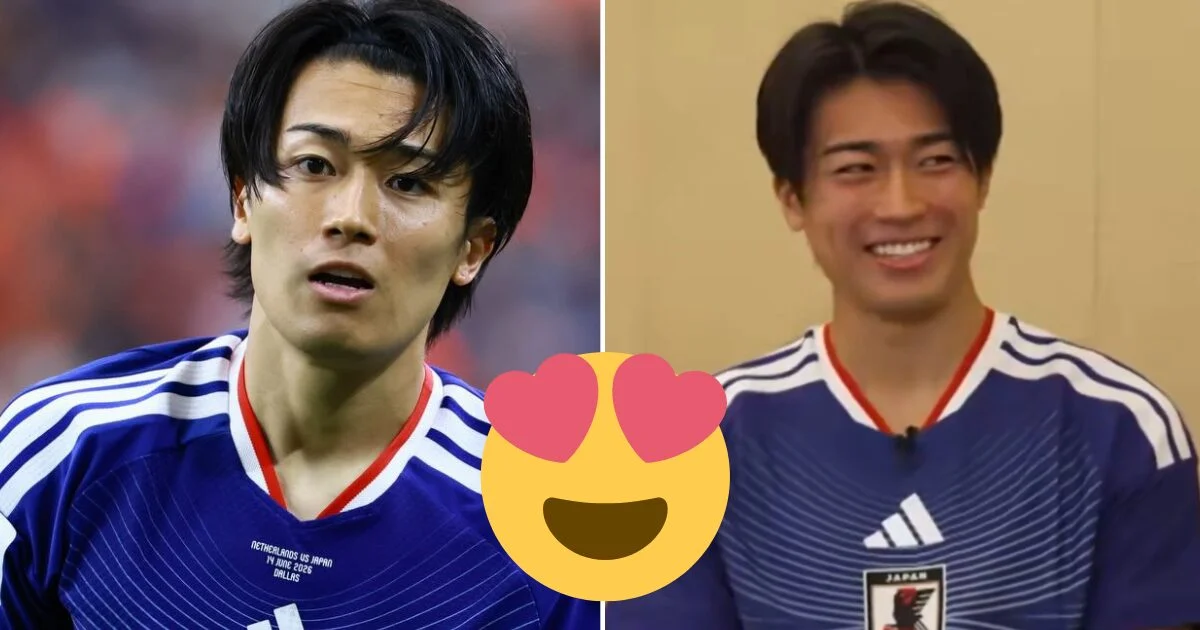
The 2026 FIFA World Cup, hosted across North America, has produced its first major crossover sensation as Japanese winger Keito Nakamura captures the global spotlight. Following a decisive performance during Japan’s group stage match against the Netherlands on June 14, 2026, the 25-year-old athlete has seen an unprecedented surge in digital engagement, transcending the boundaries of sports to become a prominent figure in international pop culture. This phenomenon mirrors the meteoric rise of South Korean striker Cho Gue-sung during the 2022 World Cup in Qatar, suggesting a recurring trend where the tournament serves as a launchpad for athletes with a potent combination of elite technical skill and significant marketability.
The Viral Catalyst: June 14 Match Against the Netherlands
The primary catalyst for Nakamura’s sudden rise to global prominence was his performance at the MetLife Stadium during Japan’s critical encounter with the Netherlands. Nakamura, wearing the number 13 jersey, scored a clinical goal in the 68th minute, a strike that not only secured a vital point for the Samurai Blue but also showcased his technical proficiency. His ability to navigate high-pressure defensive lines, combined with his composed finishing, immediately drew the attention of technical analysts and casual viewers alike.
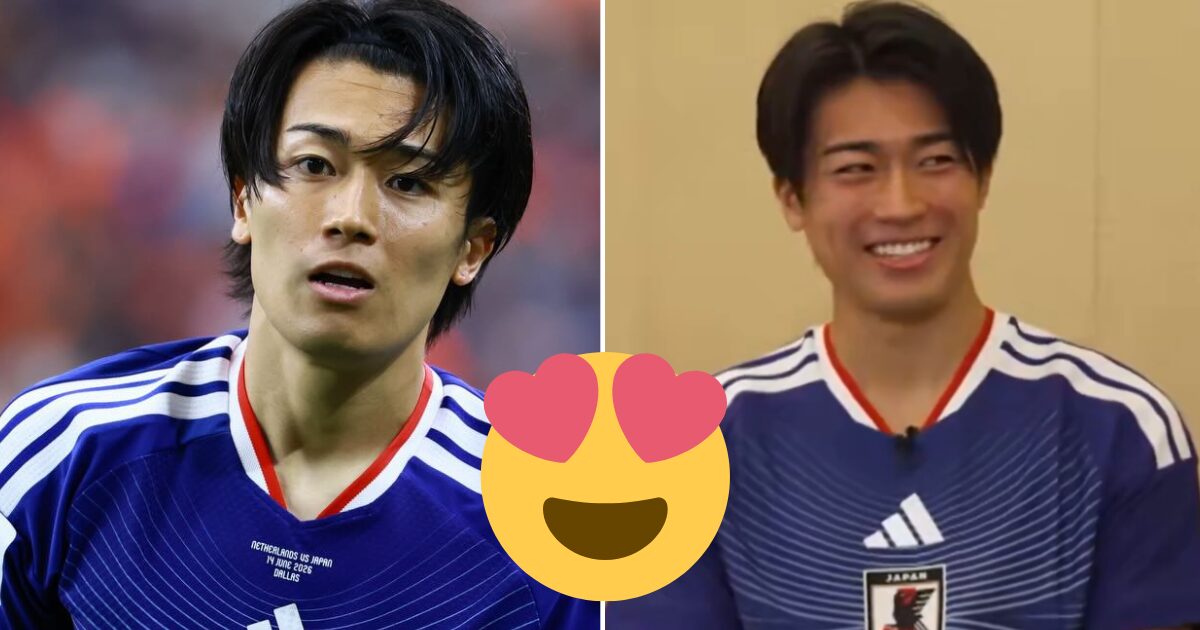
Within minutes of the final whistle, social media platforms were flooded with highlights of the match, but the discourse quickly pivoted from tactical analysis to Nakamura’s personal charisma. On TikTok and X (formerly Twitter), clips of Nakamura—both in action and during post-match interviews—began to accumulate millions of views. By June 16, 2026, the hashtag #KeitoNakamura had trended in over 30 countries, with fans and new followers praising the athlete’s "idol-like" visuals and professional demeanor.
Historical Context: The Cho Gue-sung Precedent
The trajectory of Nakamura’s fame bears a striking resemblance to the "Cho Gue-sung effect" witnessed four years prior. During the 2022 World Cup, Cho Gue-sung, then a relatively unknown forward for Jeonbuk Hyundai Motors, became a viral sensation after scoring two headers against Ghana. His Instagram following surged from approximately 20,000 to over 2.5 million within a week.
Sports marketing experts note that the World Cup provides a unique intersection of high-stakes drama and massive global viewership, making it an ideal environment for the creation of "overnight" celebrities. Nakamura, however, enters the 2026 spotlight with a more established international pedigree, having already made his mark in European club football. While Cho’s rise was largely fueled by his appearance on the bench and subsequent goals, Nakamura’s popularity is being driven by a sustained period of excellence leading up to his World Cup debut.
Chronology of a Rising Star: From Chiba to Reims
Keito Nakamura’s journey to the 2026 World Cup is defined by a calculated and ambitious career path. Born on July 28, 2000, in Abiko, Chiba Prefecture, Nakamura’s talent was evident early in his youth career. He joined the Gamba Osaka youth academy and eventually made his senior debut for the club in 2018. Recognizing the need for European experience to elevate his game, he embarked on a series of loans and transfers that shaped his versatility.
In 2019, Nakamura moved to the Eredivisie with FC Twente, followed by stints at Sint-Truiden in Belgium and FC Juniors OÖ in Austria. His true breakthrough occurred at LASK in the Austrian Bundesliga, where he developed into a prolific goal-scoring winger. This success facilitated a high-profile move to Stade de Reims in France’s Ligue 1 in 2023. At Reims, Nakamura formed a formidable partnership with fellow Japanese international Junya Ito, honing his skills in one of Europe’s "Big Five" leagues.

Nakamura’s international career followed a similarly upward trajectory. After representing Japan at various youth levels, he was called up to the senior national team by manager Hajime Moriyasu in March 2023. He made an immediate impact, scoring frequently in friendly matches and Asian Cup qualifiers. His selection for the 26-man 2026 World Cup squad was widely expected, but few predicted the scale of the "Nakamura mania" that would follow his first tournament goal.
Statistical Analysis and Social Media Metrics
The "Nakamura Effect" is not merely anecdotal; it is supported by substantial data. In the 48 hours following the Netherlands match, Nakamura’s official Instagram account experienced a growth rate of 450%, adding over 800,000 new followers. Analytical tools tracking TikTok engagement show that fan-made edits featuring the player have surpassed 15 million aggregate views, with a high concentration of engagement coming from North America, Southeast Asia, and Europe.
In terms of on-field performance, Nakamura’s statistics during the group stage highlight his importance to the Japanese tactical setup:
- Goals: 1
- Shot Accuracy: 75%
- Successful Dribbles: 4 per match
- Distance Covered: 10.2 km per match
These figures demonstrate that while his aesthetic appeal may be the driver for social media trends, his fundamental contributions to the team’s success are undeniable. This dual-threat status—as both a high-performing athlete and a marketable personality—positions him as a premier asset for sponsors and the Japan Football Association (JFA).
Impact on Sports Marketing and the JFA
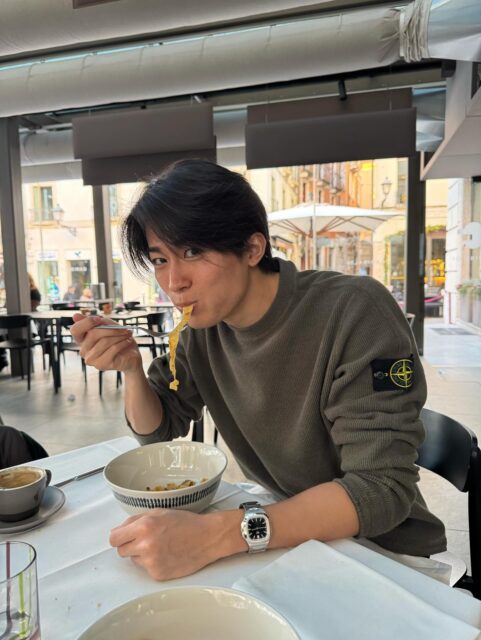
The surge in Nakamura’s popularity has significant implications for the commercial side of Japanese football. Retailers have reported a 300% increase in demand for Japan’s number 13 jersey, with many international shipping orders originating from countries outside of East Asia. The JFA, which has long sought to expand the global footprint of the "Samurai Blue" brand, now finds itself with a focal point for international marketing campaigns.
Industry insiders suggest that Nakamura is poised to secure major endorsement deals with global fashion and lifestyle brands. Unlike traditional sports endorsements that focus on athletic gear, Nakamura’s "idol-like" appeal makes him a candidate for luxury brands, skincare lines, and high-end apparel. This shift reflects a broader trend in the sports industry where athletes are managed as multi-faceted brands, similar to figures in the music and film industries.
Tactical Significance and Managerial Reaction
While the world focuses on his popularity, Japan’s head coach Hajime Moriyasu has remained focused on Nakamura’s tactical utility. In a post-match press conference, Moriyasu praised the winger’s work rate and defensive discipline, qualities that are often overshadowed by his offensive highlights.
"Keito is a player who understands his role within the system," Moriyasu stated through a translator. "His goal was the result of his positioning and his willingness to take risks. While the attention he is receiving is a testament to his character, our focus remains on the collective performance of the team as we progress through the tournament."
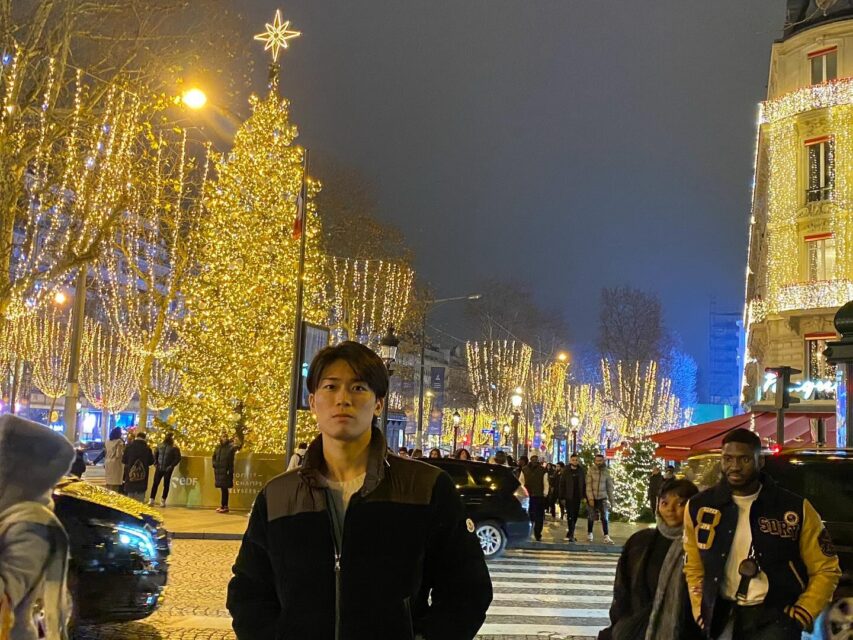
Teammates have also weighed in on the sudden spotlight. Senior members of the squad have reportedly joked with Nakamura about his "newfound fame," but they emphasize that the winger has remained grounded. The team’s cohesion will be vital as they move toward the knockout stages, where the pressure—both on and off the pitch—will only intensify.
Broader Implications for the 2026 FIFA World Cup
The emergence of Keito Nakamura as a global figure highlights the changing nature of the World Cup in the digital age. With the 2026 tournament being the first to feature 48 teams, there is more opportunity for players from diverse backgrounds to reach a massive audience. The "viral star" phenomenon is becoming a staple of the tournament, providing a human-interest element that complements the competitive narrative.
Furthermore, Nakamura’s rise underscores the growing influence of Asian athletes in the global sports hierarchy. Following the successes of players like Son Heung-min and Kaoru Mitoma, Nakamura represents a new generation of Asian footballers who are not only technically proficient but also culturally influential on a global scale.
As Japan prepares for its upcoming matches, the eyes of the world—both from football purists and newly minted fans—will be firmly fixed on Keito Nakamura. Whether he can sustain this level of performance and navigate the complexities of global stardom will be one of the defining stories of the 2026 World Cup. For now, the "number 13 from Japan" remains the tournament’s most talked-about figure, proving once again that the World Cup is the ultimate stage for the making of a legend.