Kep1er Unleashes "Killa (Face the Other Me)" Amidst Performance Prowess and Conceptual Underdevelopment
Article Editorial Team
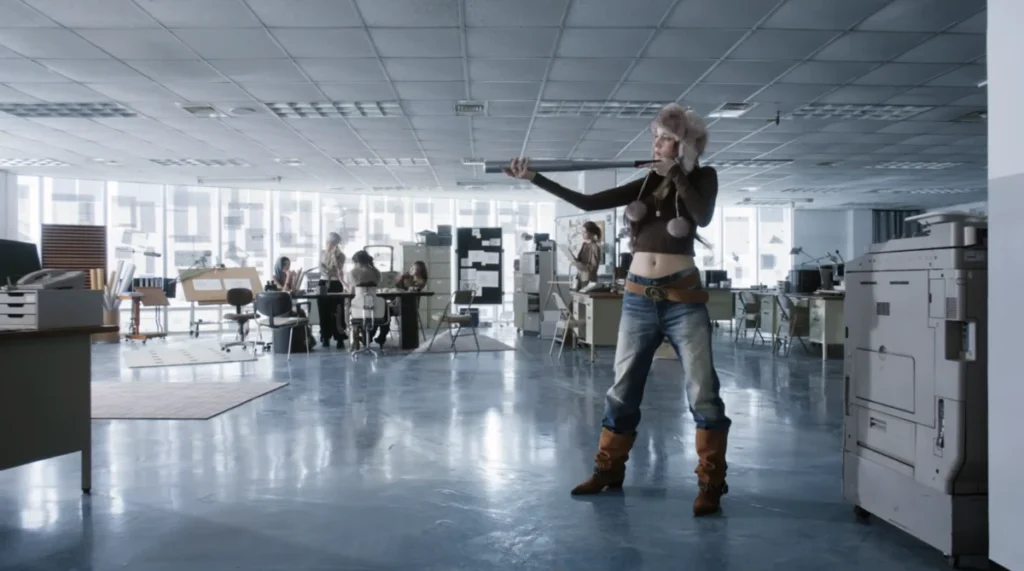
The highly anticipated music video for Kep1er’s latest single, "Killa (Face the Other Me)," has officially dropped, showcasing the group’s undeniable strength in performance while sparking discussions about the depth of its conceptual execution. While the visual spectacle is undeniably captivating, featuring intricate choreography and dynamic formations, critics and fans alike are weighing in on whether the music video fully realizes its thematic ambitions. The release, which comes amidst a period of heightened anticipation for the group’s future activities, presents a compelling case study in balancing raw talent with cohesive storytelling within the competitive K-pop landscape.
A Symphony of Movement: Kep1er’s Signature Performance Takes Center Stage
From the outset, "Killa (Face the Other Me)" positions Kep1er’s formidable performance capabilities at the forefront. The choreography is noted for its sharpness and precision, a hallmark of the group’s previous releases. The integration of a dedicated dance break towards the end of the video further amplifies this focus, serving as a powerful crescendo that underscores the members’ synchronization and individual charisma. This emphasis on performance is not merely incidental; it appears to be a strategic choice, leveraging the group’s established reputation for delivering impactful live stages.
The visual narrative attempts to weave a story around the concept of "Face the Other Me," suggesting a journey of self-discovery and confrontation with one’s inner self. This duality is hinted at through various visual cues, yet the execution leaves many feeling that the narrative remains largely on the surface, an exploration that could have been significantly deepened. The music video, therefore, walks a fine line, often feeling more akin to a meticulously crafted performance video rather than a fully realized cinematic narrative.

Deconstructing the Concept: Mirrors, Shadows, and the "Other Me"
The titular phrase, "Face the Other Me," opens a vast landscape for visual interpretation, primarily explored through the recurring motif of mirrors. The music video opens and closes with member Dayeon confronting her reflection, a direct visual representation of introspection. The inclusion of scenes featuring Yujin, Xiaoting, and Chaehyun in a mirror-laden environment further reinforces this theme of self-reflection and the quest for an authentic self.
These visual elements are intrinsically linked to the song’s lyrical content, which delves into the existence of a hidden inner self. According to promotional materials and lyrical analyses, the song explores the awakening of this latent self, the breaking of internal limitations, and the transformation into a "true killer." Kep1er’s intent, as conveyed through these lyrics, is to embody the shedding of an oppressed persona and the precise targeting of anxieties through the "Killa" persona. This thematic undercurrent suggests a powerful narrative of personal liberation and empowerment.
Beyond mirrors, the music video also employs shadows to create contrast and add a layer of visual depth. However, these instances are fleeting, contributing to the overall sense of a concept that is introduced but not fully explored. In a reaction video released by the group, members explained that a recurring cube motif symbolizes anxiety and uncomfortable aspects of the self. The gradual fragmentation of this cube, coupled with the closing scene where Dayeon touches a cracked mirror that subsequently mends, offers a subtle yet significant hint at Kep1er’s engagement with their "other selves." This visual arc, while present, is executed with a degree of restraint that has led to perceptions of an underdeveloped narrative.
A Narrative Unfinished: The Potential and Pitfalls of "Face the Other Me"
The conceptual potential of "Face the Other Me" is significant, offering a rich tapestry for exploration. However, the music video’s approach to these themes has been described as incomplete, with symbolic elements feeling rushed rather than organically earned. This has resulted in a perception that the narrative arc, as compelling as its premise may be, concludes before it has had the chance to fully blossom. The feeling of an abrupt ending, just as the viewer begins to engage with the core ideas, leaves a sense of missed opportunity.

The decision to lean heavily into Kep1er’s performance strengths, while understandable given their talent, has arguably overshadowed the narrative’s potential. The captivating transitions, the meticulously crafted dance formations, and the sheer charisma emanating from the members during the performance sequences are undeniable highlights. Moments such as Yujin and Xiaoting’s brief dance duet, Hikaru’s commanding presence in the chorus, and the impactful dance break are the defining elements that resonate most strongly from "Killa."
Navigating the K-Pop Soundscape: "Killa" and its Place in the Trend Cycle
The sonic identity of "Killa" has been characterized by some as aligning with a contemporary trend in K-pop, often drawing comparisons to groups like aespa due to its bold and intense sound. This adherence to current popular aesthetics positions "Killa" within the broader K-pop market. However, in an increasingly saturated music industry, the challenge for any release is to carve out a distinct identity. "Killa" appears to be grappling with this challenge, with its music video potentially lacking the unique "spice" or defining edge needed to truly stand out amidst a sea of competing content. The visual presentation, while polished, may not be sufficiently distinctive to elevate the song beyond its immediate sonic appeal.
Broader Implications and Future Outlook
The discussion surrounding "Killa (Face the Other Me)" highlights a recurring tension in music video production: the balance between conceptual depth and visual spectacle. While Kep1er’s performance prowess is a significant asset, the perceived underdevelopment of the "Face the Other Me" concept raises questions about the group’s future artistic direction. The potential for adding profound meaning through lyrical and visual exploration remains largely untapped in this particular release.
While "Killa" is by no means a sonic misstep, its impact is arguably tempered by its inability to fully flesh out certain thematic ideas. This can leave audiences with a surface-level experience, one that is polished and visually engaging in its performance aspects but ultimately lacks the profound depth that its ambitious concept promises. As Kep1er continues to evolve, navigating the intricacies of conceptual storytelling alongside their undeniable performance talent will be crucial for establishing a lasting and distinctive presence in the global music scene. The group’s trajectory will be closely watched as they seek to refine their artistic identity and connect with audiences on a deeper, more resonant level.

The release of "Killa (Face the Other Me)" on April 2nd, 2026, follows a period of intense promotional activity and fan engagement, building upon the group’s established fanbase. The music video’s reception, as evidenced by online discussions and fan forums, reflects a keen interest in Kep1er’s artistic development and their ability to translate complex themes into compelling visual narratives. The group’s agency, WakeOne and Klap, are expected to continue supporting the song’s promotional cycle through various music show appearances and fan-oriented content, aiming to capitalize on the initial momentum generated by the music video release. The long-term success of "Killa" will likely depend on how effectively the group can leverage its core strengths while continuing to explore and refine its thematic explorations in future projects.
(Source: YouTube, Chosun Biz. Images via WakeOne/Klap.)
Related News