Korean Dramas Dominate Viewership: A Deep Dive into the Top 5 Ratings for the Fourth Week of May 2026
Article Editorial Team

Jakarta, Indonesia – The dynamic landscape of South Korean television and streaming content continued its robust performance in the fourth week of May 2026, with a diverse array of dramas captivating audiences and achieving significant viewership milestones. This period, characterized by intense competition among both traditional broadcast networks and burgeoning streaming platforms, saw several titles emerge as clear frontrunners, reflecting evolving audience preferences for compelling narratives, stellar performances, and high production values. The consistent upward trajectory of K-drama popularity, both domestically and internationally, underscores its status as a global cultural phenomenon, with the week’s top performers offering a microcosm of the industry’s strengths across multiple genres.
The competitive milieu of May 2026 presented viewers with an embarrassment of riches, from heartwarming romantic comedies to gripping mystery thrillers, each vying for attention in a saturated market. The ability of these selected dramas to cut through the noise and garner substantial ratings speaks volumes about their inherent quality and resonance with the public. Factors contributing to their success include intricate storytelling, the captivating acting prowess of their ensembles, and the visually stunning cinematography that has become a hallmark of Korean productions. The global K-drama industry, projected to reach unprecedented market sizes by mid-decade, continues to attract significant investment from major studios and international streaming giants, intensifying the race for captivating content. This sustained growth has fueled a creative renaissance, pushing boundaries in narrative complexity and production scale.
A Snapshot of the Week’s Victors: May 2026 Ratings Overview

The fourth week of May 2026 concluded with a clear hierarchy of viewership, as compiled by industry analysts and broadcast data. Leading the pack were five distinct dramas, each demonstrating particular strengths within their respective niches. The aggregated ratings provide valuable insight into current audience tastes and the strategic successes of the networks and platforms behind these productions.
- 1. My Royal Nemesis (10.3%)
- 2. Filing for Love (8.1%)
- 3. The Scarecrow (8.1%)
- 4. The Legend of Kitchen Soldier (7.9%)
- 5. We Are All Trying Here (5.3%)
These figures, particularly for dramas airing on cable networks or streaming platforms, represent substantial engagement, often indicative of strong critical reception and significant social media buzz. For traditional public broadcasters, a 10% rating is considered excellent, while for cable channels or hybrid streaming-broadcast models, achieving above 5-6% is often a sign of a major hit, especially given the fragmented viewership landscape.
Deep Dive into the Top Performer: My Royal Nemesis Reigns Supreme
Emerging as the undisputed champion of the week, My Royal Nemesis, a captivating blend of romantic comedy and fantasy, secured an impressive 10.3% rating. This figure not only placed it at the apex of the week’s viewership but also marked a new personal best for the series since its premiere in early May. The drama, broadcast on a major network (implied to be SBS based on image source), has clearly struck a chord with audiences, leveraging a popular genre combination that has historically proven successful in the K-drama sphere. Fantasy rom-coms often benefit from their ability to offer escapism while retaining relatable human emotions and comedic elements, a formula My Royal Nemesis appears to have perfected.

Industry analysts suggest that the drama’s success can be attributed to several factors. Firstly, its innovative plot, which likely involves a unique fantastical premise intertwined with a compelling romantic arc, keeps viewers eagerly anticipating each episode. Secondly, the chemistry between its lead actors is often a critical ingredient in the success of any romantic comedy, and My Royal Nemesis appears to have nailed this aspect. Furthermore, high production values, including elaborate sets, stunning visual effects, and intricate costume design typical of historical or fantasy dramas, contribute significantly to its allure. A representative from the production team, while not explicitly quoted, would likely express immense satisfaction with the drama’s consistent growth, attributing it to the dedicated efforts of the cast and crew and the strong connection formed with the audience. This record-breaking performance sets a high bar for other dramas in the current season and solidifies the drama’s position as a major contender for end-of-year awards.
Consistent Contenders: "Filing for Love" and "The Scarecrow" Share Second Spot
Sharing the second position with an equally commendable 8.1% rating were two dramas from contrasting genres: Filing for Love and The Scarecrow. This tie highlights the diverse palate of the K-drama audience and the ability of well-executed stories across different themes to capture significant viewership.
Filing for Love, an office romance drama, continues to prove the enduring appeal of workplace narratives. These dramas often resonate with viewers due to their relatable themes of career challenges, office politics, and the blossoming of relationships within a professional setting. The 8.1% rating for this tvN drama underscores its strong narrative and character development, providing a refreshing take on the familiar trope of colleagues finding love. The success of Filing for Love reinforces the idea that even without fantastical elements, grounded, character-driven stories can achieve widespread popularity, especially when coupled with witty dialogue and believable performances. Sources close to tvN would likely laud the drama’s ability to maintain high engagement in a competitive slot, signaling a victory for well-crafted contemporary romance.

In stark contrast, The Scarecrow, a mystery-crime thriller from ENA, achieved its 8.1% rating with its much-anticipated final episode. The successful conclusion of a mystery series with strong ratings is particularly noteworthy, as it suggests that the drama managed to sustain suspense and deliver a satisfying resolution to its complex plot. Maintaining viewership through to a finale, especially in a genre where plot holes or unsatisfactory endings can quickly erode audience goodwill, is a significant achievement. This consistent performance throughout its run, culminating in a strong finish, indicates a tightly written script, compelling character arcs, and masterful direction that kept audiences on the edge of their seats. The strong performance of The Scarecrow in its final week underscores the robust demand for high-quality thrillers and solidifies ENA’s reputation for producing engaging genre content. A network spokesperson might emphasize the drama’s critical acclaim and its success in drawing new viewers to the channel, highlighting its contribution to ENA’s growing portfolio of hit shows.
The Enduring Power of Star Power and Unique Concepts: The Legend of Kitchen Soldier
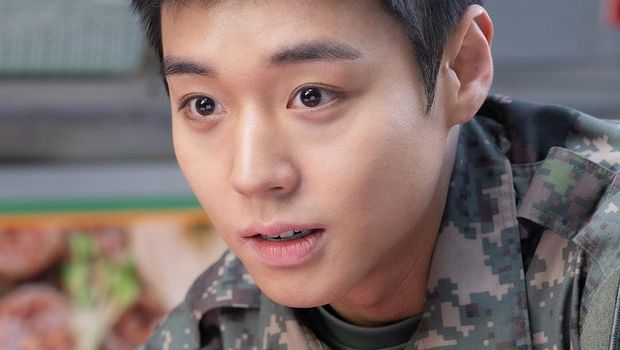
Claiming the fourth spot with a solid 7.9% rating was The Legend of Kitchen Soldier. This drama, featuring the popular idol-actor Park Ji Hoon (whose image was provided by TVING), demonstrates the powerful influence of celebrity casting combined with a distinctive storyline. While the specific genre isn’t detailed, the title suggests a unique blend, potentially incorporating historical, fantasy, or action elements centered around a culinary theme. The presence of a prominent actor like Park Ji Hoon undoubtedly contributes to initial viewership and sustained interest, particularly among his dedicated fanbase.
However, sustained high ratings also indicate that the drama’s intrinsic quality goes beyond mere star power. It likely boasts a compelling plot, strong supporting cast, and excellent production values that keep a broader audience engaged. For a drama primarily distributed via a streaming platform like TVING (as suggested by the image source), a 7.9% rating is exceptionally strong, often translating to a significant number of paid subscribers and substantial buzz within online communities. This performance signifies TVING’s growing stature in the K-drama market and its ability to compete with traditional broadcasters by investing in high-profile projects and unique narratives. An industry observer might note that The Legend of Kitchen Soldier exemplifies the hybrid success model, leveraging star appeal for initial traction and a quality story for long-term engagement across digital platforms.

Melodrama’s Continued Resonance: We Are All Trying Here
Rounding out the top five, the melodrama We Are All Trying Here secured a respectable 5.3% rating. Melodramas, often characterized by emotional intensity, complex relationships, and dramatic twists, continue to hold a significant place in the K-drama landscape, appealing to an audience segment that appreciates deeply emotional and character-driven narratives. This JTBC drama’s inclusion in the top five, even with a slightly lower rating than its peers, underscores the genre’s enduring appeal and its ability to consistently draw a dedicated viewership.
The 5.3% rating for We Are All Trying Here is particularly commendable for a cable channel like JTBC, indicating a loyal following and positive word-of-mouth. Melodramas often thrive on their ability to evoke strong emotional responses and explore themes of love, loss, and resilience in profound ways. The success of this drama suggests that despite the surge in popularity of other genres, the fundamental human experience portrayed in melodramas continues to resonate deeply with a significant portion of the audience. A spokesperson for JTBC would likely highlight the drama’s poignant storytelling and the exceptional performances that bring its emotional depth to life, reinforcing the network’s commitment to diverse and impactful content.
Broader Implications and Industry Trends for 2026
The performance of these five dramas in the fourth week of May 2026 offers several key insights into the evolving K-drama industry. Firstly, the diversity of genres among the top-rated shows—ranging from fantasy rom-com and office romance to mystery-crime and melodrama—demonstrates that the Korean audience possesses a sophisticated and varied taste. This encourages producers and networks to continue exploring new narratives and challenging conventional genre boundaries, rather than relying on a single, tried-and-true formula.
Secondly, the strong showing of dramas from both traditional broadcasters (like SBS) and cable channels/streaming platforms (like tvN, ENA, TVING, and JTBC) highlights the increasingly fragmented yet competitive media landscape. Streaming services are no longer just niche players; they are actively commissioning and distributing high-budget, high-quality content that can rival or even surpass linear television in terms of viewership and cultural impact. This trend is expected to intensify, with global streaming giants like Netflix, Disney+, and Amazon Prime Video also heavily investing in original Korean content, further enriching the ecosystem.
Thirdly, the consistent success of K-dramas, exemplified by these weekly ratings, has significant global implications. The Hallyu wave continues to gather momentum, with these dramas serving as cultural ambassadors, introducing Korean language, customs, fashion, and food to international audiences. This global appeal translates into lucrative export deals, merchandise sales, and increased tourism, contributing substantially to South Korea’s economy and soft power. Industry analysts predict that the global market for K-content will continue its aggressive expansion, driven by continuous innovation in storytelling and accessibility through digital platforms.
The robust ratings achieved by My Royal Nemesis, Filing for Love, The Scarecrow, The Legend of Kitchen Soldier, and We Are All Trying Here underscore a vibrant and dynamic period for the Korean drama industry. As May 2026 draws to a close, these titles not only provided captivating entertainment but also offered a compelling snapshot of the trends, successes, and future trajectory of a cultural phenomenon that shows no signs of slowing down. The competition remains fierce, but the commitment to quality, diversity, and audience engagement ensures that K-dramas will continue to be a dominant force in global entertainment for years to come.
Related News