Korean Star Dresses Increasingly Sexier After Widely Publicized Boob Job
Article Editorial Team
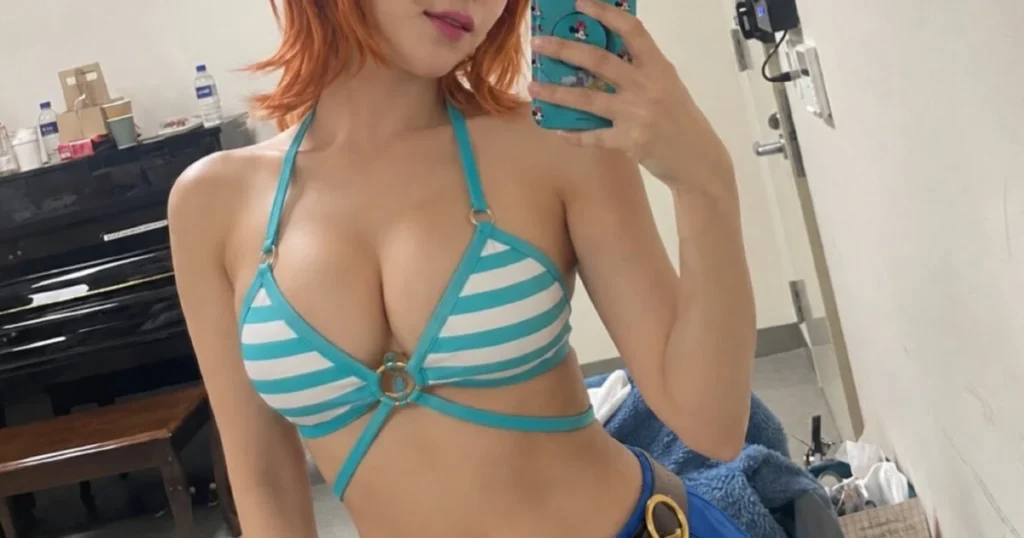
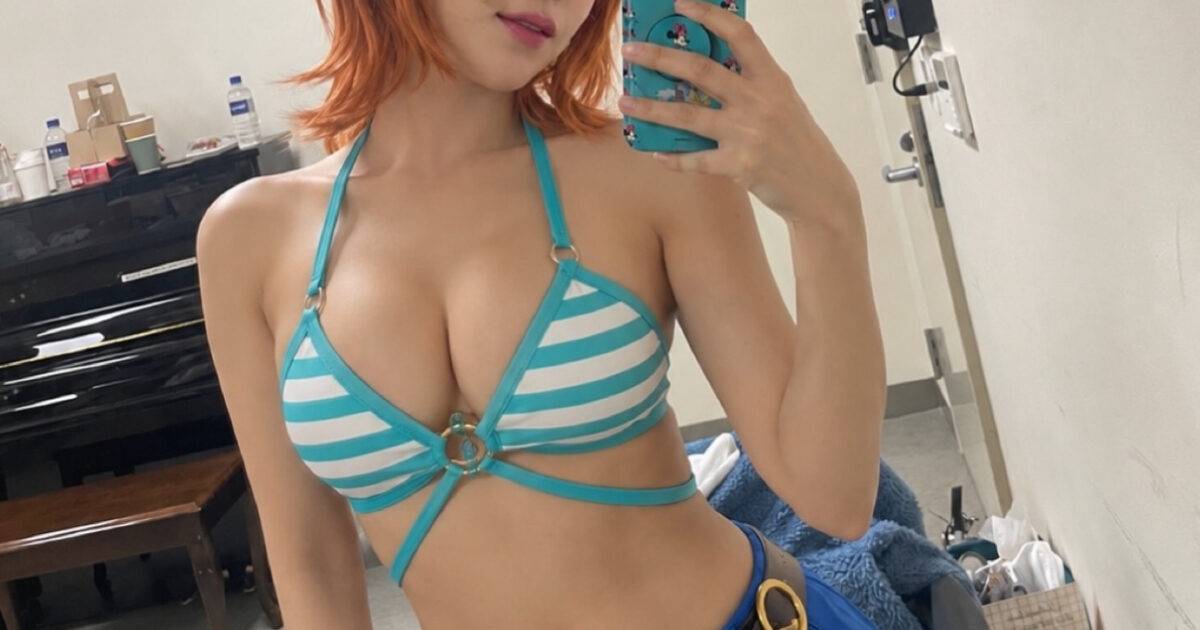
The reaction to this post has been multifaceted, reflecting a broader cultural conversation in South Korea regarding body image, the transparency of cosmetic procedures, and the boundaries of celebrity self-expression. While many fans praised the accuracy of the cosplay and her newfound confidence, others raised concerns regarding the level of exposure, leading to a polarized debate across various online communities. This latest update is not merely an isolated incident of celebrity fashion but is the culmination of a highly publicized journey involving significant financial investment, medical complications, and a radical shift in public persona.
The Chronology of Aesthetic Transformation
Lee Se Young’s transition from a television comedian known for her wit and relatable charm to a fitness and beauty icon has been documented extensively through her digital platforms. Her journey into the world of cosmetic enhancement began several years ago, but it reached a peak of transparency recently when she disclosed the extent of her procedures via her YouTube channel. According to her own testimony, Lee has invested approximately 100 million KRW (roughly $69,300 USD) in a series of surgeries and dermatological treatments designed to align her physical appearance with her personal aesthetic goals.
The timeline of her procedures includes two separate double eyelid surgeries (blepharoplasty) to refine the shape of her eyes, a rhinoplasty to adjust the contour of her nose, and most notably, a complex breast augmentation process. Unlike many celebrities who choose to keep such transformations private, Lee has been remarkably candid about the motivations and the physical toll of these surgeries. She has framed these decisions as acts of self-empowerment, stating that the procedures were performed "for myself" rather than to satisfy external pressures or industry standards.
Medical Complications and Reconstructive Surgery
One of the most significant aspects of Lee Se Young’s story is her transparency regarding the risks and side effects associated with cosmetic enhancements. Before her most recent breast augmentation, Lee had opted for breast fillers, a non-surgical alternative to implants. However, this procedure led to a severe medical emergency when the fillers burst internally. The leaked substance migrated through her lymphatic system, spreading to her armpits and back, causing significant pain and physical deformity.
To rectify the damage, Lee had to undergo a complex surgical procedure to remove the ruptured fillers and clean the affected tissues. Following the removal, she chose to undergo a traditional breast augmentation surgery to restore the shape of her torso and address the aesthetic concerns caused by the filler migration. This revelation resonated deeply with her audience, as it highlighted the potential dangers of "quick-fix" cosmetic procedures and the resilience required to navigate medical complications. The decision to share this experience has been viewed by some medical professionals as a cautionary tale that adds a layer of necessary realism to the often-glamorized world of K-beauty.
Psychological Impact and the "Confidence Narrative"
The shift in Lee Se Young’s wardrobe—moving toward more form-fitting and revealing attire—is, by her own admission, a direct result of her increased self-confidence. In various vlogs and social media posts, she has explained that prior to her surgeries, she felt restricted by her insecurities, often avoiding certain styles of clothing that she felt did not suit her body. The successful outcome of her reconstructive and elective surgeries has ostensibly liberated her fashion choices, allowing her to experiment with "sexy" concepts and intricate cosplays like the Nami character.
This psychological evolution is a common theme in the narrative of cosmetic surgery in South Korea. The concept of "self-satisfaction" (자기만족) is frequently cited by individuals who undergo procedures to improve their mental well-being and social confidence. For Lee, the ability to wear a bikini top for a cosplay or showcase her physique in fitness competitions is a tangible marker of her personal growth and the reclamation of her body after the trauma of medical complications.
Public Reaction and Socio-Cultural Discourse
The public response to Lee Se Young’s recent activities reflects the complex "lookism" culture prevalent in South Korean society. On platforms like Instagram and various Korean web forums (such as TheQoo and Nate Pann), the comments sections are often divided into two distinct camps.
One segment of the public views her transformation as a triumph of individual agency. These supporters argue that in a modern society, "freedom of expression" should extend to one’s physical appearance and fashion choices. They commend her for her bravery in discussing her surgeries and for the discipline she shows in maintaining her physique through rigorous exercise and diet. To these fans, her Nami cosplay is a high-quality homage to a beloved character, executed with impressive accuracy.
Conversely, a vocal minority of netizens has expressed discomfort with what they perceive as "excessive exposure." This criticism often stems from a more conservative viewpoint that suggests celebrities, particularly those who started in family-friendly comedy, should maintain a certain level of modesty. Some critics argue that the focus on physical enhancement and "sexy" imagery could have a negative influence on younger followers, perpetuating unrealistic beauty standards.
The Broader Impact on the Korean Entertainment Industry
Lee Se Young’s case is indicative of a broader shift within the Korean entertainment industry, where the "taboo" of plastic surgery is rapidly dissolving. In previous decades, celebrities would often deny undergoing procedures, attributing changes in appearance to "weight loss" or "makeup techniques." However, the current generation of stars, particularly those who operate primarily through YouTube and social media, find that transparency builds a more authentic connection with their audience.

By documenting the costs, the pain, and the complications of her journey, Lee Se Young has positioned herself as more than just a comedian; she has become a central figure in the conversation about the ethics and realities of the K-beauty industry. Her story emphasizes that while the financial cost of beauty can be high, the physical and emotional costs are often even more significant.
Furthermore, her transition into the world of cosplay and fitness modeling highlights the diversifying career paths for South Korean entertainers. No longer confined to a single medium, stars like Lee are leveraging their personal transformations to enter new markets, from the "body profile" photography trend to the global anime fandom.
Conclusion and Future Implications
As Lee Se Young continues to share her life and style with her millions of followers, her influence remains a subject of intense scrutiny and admiration. The "Nami cosplay" incident is but one chapter in a larger narrative about a woman redefining herself on her own terms. Whether viewed as a cautionary tale of the risks of cosmetic surgery or an inspiring story of self-actualization, Lee’s journey provides valuable insights into the intersections of celebrity culture, medical technology, and social media in the 21st century.
Moving forward, the industry may see more celebrities following Lee’s lead in terms of radical transparency. As the public becomes more educated about the nuances of aesthetic medicine, the demand for honest portrayals of these procedures—including the failures and the subsequent recoveries—is likely to grow. Lee Se Young’s bold stance, both in her fashion and her personal disclosures, ensures that she will remain a pivotal figure in the ongoing evolution of South Korean pop culture. Her story serves as a reminder that behind every "perfect" social media post is a complex history of choices, challenges, and a persistent drive for self-improvement.
Related News