Male Actor Reveals Gay Relationship To Expose Famous Ex’s Physical And Mental Abuse
Article Editorial Team
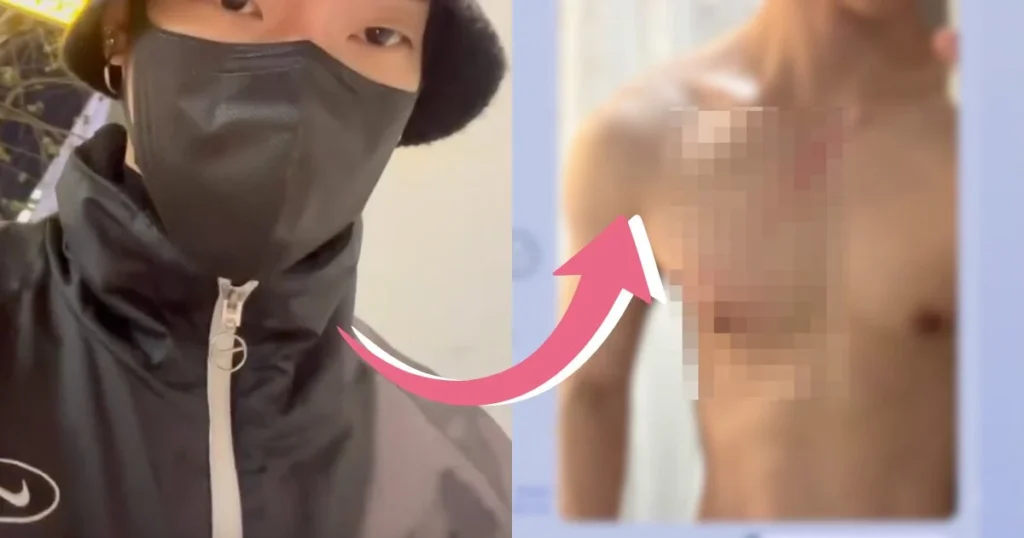
A prominent young Thai actor, Yuuki Durongsang, has recently come forward with a series of shocking allegations, detailing a past abusive relationship with another well-known male actor from a reputable agency. Durongsang, recognized for his role in My Secret Of Seer The Series, utilized social media platforms, specifically TikTok, to share his harrowing experiences, including claims of physical violence, emotional manipulation, and infidelity. The revelations have sent ripples through the Thai entertainment industry, particularly within the burgeoning Boys’ Love (BL) drama sector, prompting discussions about accountability, transparency, and the welfare of artists.
The Allegations Unveiled: A Complex Relationship Dynamic
Yuuki Durongsang’s public account details a tumultuous relationship with an individual he refers to as "Number 1," an actor affiliated with a prominent agency. According to Durongsang, their relationship began, but within a mere two to three weeks, he discovered that "Number 1" had not fully severed ties with a previous partner, referred to as "Number 2." This initial revelation set the stage for a complicated and emotionally fraught dynamic that Yuuki claims ultimately escalated into abuse.
Further complicating the situation, Yuuki introduced a third individual, "Number 3," into his narrative. It was alleged that "Number 2" and "Number 3" maintained an open relationship, and "Number 1" had a prior sexual relationship with "Number 2" before commencing his relationship with Yuuki. This intricate web of interconnected relationships became a source of significant distress for Yuuki. His attempt to establish clear boundaries within his relationship with "Number 1" reportedly met with resistance, particularly from "Number 3," who allegedly perceived Yuuki as an unwelcome intrusion into their established arrangement. This dynamic, characterized by a lack of clear communication and respect for boundaries, is often a precursor to more severe forms of emotional and psychological abuse, leaving the victim feeling isolated and undermined.
Escalation to Physical and Mental Abuse
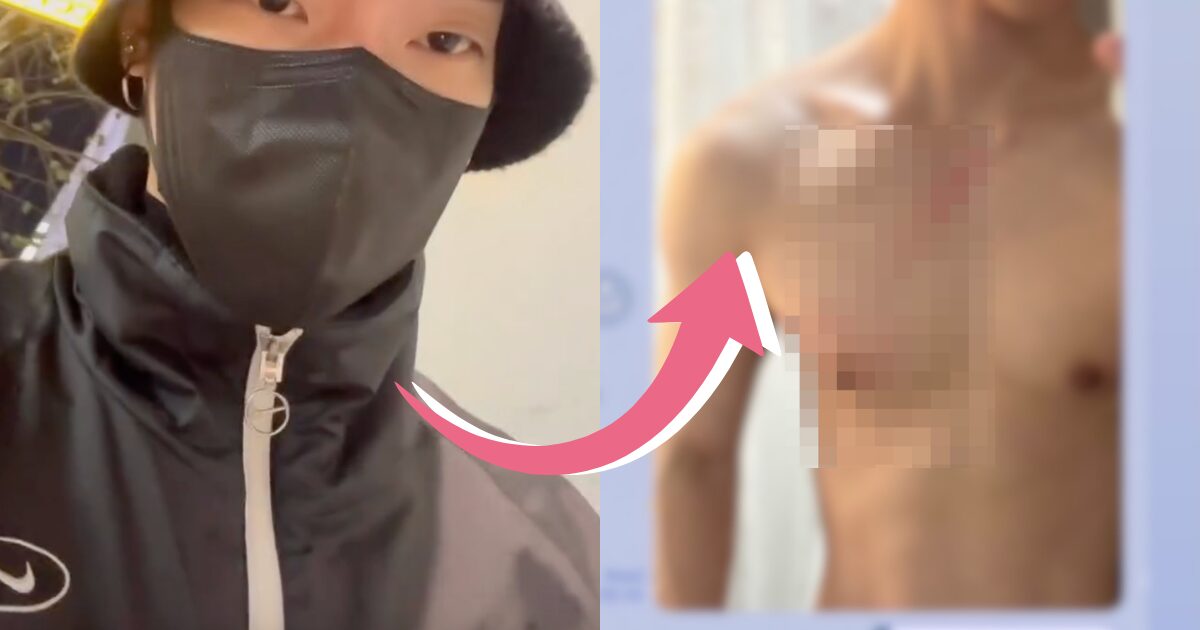
The core of Yuuki Durongsang’s allegations centers on severe physical and mental abuse he claims to have endured at the hands of "Number 1." Yuuki explicitly stated that "Number 1" exhibited violent tendencies, both physically and mentally, particularly when under the influence of alcohol. To substantiate his claims, Yuuki shared graphic images depicting injuries he allegedly sustained during physical altercations. These images, circulated across social media, served as a stark visual testament to the severity of the alleged abuse, amplifying the public’s concern and drawing significant attention to the gravity of his claims.
Beyond the physical violence, Yuuki described a pervasive atmosphere of psychological manipulation and "warfare" throughout the relationship. He recounted instances where external individuals allegedly played both sides, deliberately spreading misinformation and bad-mouthing each party to the other, further exacerbating the emotional turmoil. This form of psychological torment, often referred to as gaslighting or manipulative triangulation, can severely erode a victim’s sense of reality and self-worth, making it incredibly difficult to escape the abusive cycle. Furthermore, Yuuki alleged that "Number 1" engaged in infidelity with another individual and attempted to conceal the affair, only confessing once Yuuki had obtained irrefutable first-hand evidence. Such acts of betrayal and deception contribute significantly to emotional distress and break down trust, leaving lasting psychological scars.

Official Responses and Legal Proceedings
Following Yuuki Durongsang’s public revelations, his agency issued a statement acknowledging the matter, albeit characterizing it as a "personal matter." This response, while typical for agencies navigating sensitive personal disputes involving their talent, has been met with mixed reactions from the public. While it respects the privacy of the individuals involved, it also raises questions about the extent to which agencies are responsible for addressing the well-being of their artists, particularly in cases involving serious allegations of abuse.
Crucially, Yuuki Durongsang has confirmed that he has taken formal legal action. He stated that a police report has been filed, initiating an ongoing criminal case for assault. This move signifies a serious escalation of the situation, transitioning from public allegations to a formal legal process. The involvement of law enforcement underscores the severity of the claims and indicates a commitment by Yuuki to seek justice through official channels. The legal proceedings will undoubtedly bring further scrutiny to the allegations and could have significant repercussions for all parties involved, depending on the outcome.
Background Context: The Thai Entertainment Landscape and BL Genre
The context of Yuuki Durongsang’s revelations is particularly significant within the rapidly evolving Thai entertainment industry. Thailand has emerged as a global hub for Boys’ Love (BL) dramas, a genre that depicts romantic relationships between male characters. These series have garnered immense popularity both domestically and internationally, fostering a dedicated fanbase and launching numerous actors to stardom. The success of BL dramas has created a unique ecosystem where actors often form close bonds with their on-screen partners, leading to fan expectations that these relationships might extend into real life. This intense scrutiny and the blurring of lines between on-screen persona and real identity can exert immense pressure on actors, making it challenging to navigate personal relationships, especially those involving sensitive issues.

The industry’s growth has also brought increased attention to the working conditions and personal lives of actors. While the BL genre has played a pivotal role in promoting LGBTQ+ visibility and acceptance in mainstream media, it also highlights the vulnerability of actors within a demanding and sometimes insular industry. The pressure to maintain a certain image, coupled with intense schedules and competitive environments, can create situations where personal boundaries are easily breached, and power imbalances can lead to exploitation or abuse. Yuuki’s decision to come forward, despite the potential professional ramifications, underscores a growing trend among public figures to use their platforms to shed light on difficult personal experiences, often at great personal cost.
Implications for the Individuals and the Industry
Yuuki Durongsang’s public accusations carry profound implications for all individuals involved and the broader Thai entertainment industry. For Yuuki himself, coming forward is an act of immense courage, but it also exposes him to further public scrutiny and potential backlash. His career trajectory could be significantly impacted, though his bravery might also garner widespread support and admiration. For "Number 1," the allegations, particularly if proven, could lead to severe professional consequences, including contract terminations, loss of endorsement deals, and irreparable damage to his public image. The agency representing "Number 1" also faces a significant challenge in managing the crisis, needing to balance its obligation to its talent with its public image and ethical responsibilities.
Beyond the immediate parties, this incident forces a critical examination of the entertainment industry’s duty of care towards its artists. It raises questions about existing support systems for actors dealing with personal struggles, particularly those involving abuse. Are there adequate mechanisms for reporting abuse confidentially? Do agencies provide sufficient psychological support? How are disputes between artists handled when one party alleges criminal behavior? The incident may prompt industry stakeholders to review their policies, implement stricter codes of conduct, and establish clearer channels for reporting and addressing harassment and abuse, irrespective of the gender or sexual orientation of those involved.
Addressing Domestic Abuse in LGBTQ+ Relationships
Yuuki Durongsang’s account also serves as a crucial reminder that domestic abuse is not confined to heterosexual relationships and can manifest in any partnership, including those within the LGBTQ+ community. Statistics globally indicate that LGBTQ+ individuals experience domestic violence at rates comparable to or even higher than heterosexual individuals. However, abuse in same-sex relationships often goes unreported due to unique barriers such as fear of outing, lack of understanding from law enforcement or support services, and the internalized homophobia or biphobia that can make victims reluctant to seek help lest it reinforce negative stereotypes about their community.
The specific complexities of "Number 2" and "Number 3" being involved further highlight the challenges in non-monogamous or polyamorous relationship structures, where boundaries and consent need to be exceptionally clear. When these dynamics are intertwined with power imbalances and manipulative behaviors, the potential for abuse can increase, making it harder for victims to identify and escape harmful situations. Yuuki’s story, therefore, contributes to a vital conversation about the need for specialized support services for LGBTQ+ victims of domestic abuse and for increased awareness within the broader community about these often-overlooked issues.
Calls for Accountability and Support
The public’s reaction to Yuuki Durongsang’s allegations has been a mix of shock, sympathy, and outrage. Social media platforms have become forums for widespread discussion, with many fans expressing solidarity with Yuuki and calling for accountability from "Number 1" and his agency. Hashtags related to the incident have trended, amplifying the conversation and putting pressure on relevant parties to address the situation transparently and responsibly. There is a palpable demand for justice and a strong message that abuse, regardless of who the perpetrator or victim is, should not be tolerated, especially within an industry that heavily influences public perception and youth culture.

Beyond calls for justice, the incident has also spurred discussions about mental health and well-being among actors. The immense pressure to maintain a flawless public image, coupled with the emotional demands of acting roles, can take a significant toll. Support organizations and advocates are likely to reiterate the importance of creating safer environments for artists, ensuring access to mental health resources, and fostering a culture where victims feel empowered to speak out without fear of professional retaliation or social ostracization.
Looking Ahead: The Ongoing Case and Future Developments
As the criminal case for assault proceeds, the legal system will play a critical role in establishing the facts and determining culpability. The outcome of this case will undoubtedly have significant legal and professional ramifications for all involved parties. The public and media will continue to follow developments closely, eager for resolution and for any further insights into the complexities of the situation.
This incident marks a pivotal moment for the Thai entertainment industry. It underscores the power of social media in giving a voice to victims and holding public figures accountable. It also serves as a potent reminder that beneath the glamorous façade of fame, real human struggles and vulnerabilities exist. The industry, now more than ever, faces the imperative to prioritize the safety and well-being of its talent, fostering an environment of respect, integrity, and support, and ensuring that such allegations are addressed with the seriousness and sensitivity they demand. Yuuki Durongsang’s courageous decision to speak out has undeniably opened a crucial dialogue that extends far beyond the confines of his personal experience, potentially paving the way for greater transparency and justice within the entertainment world.
Related News