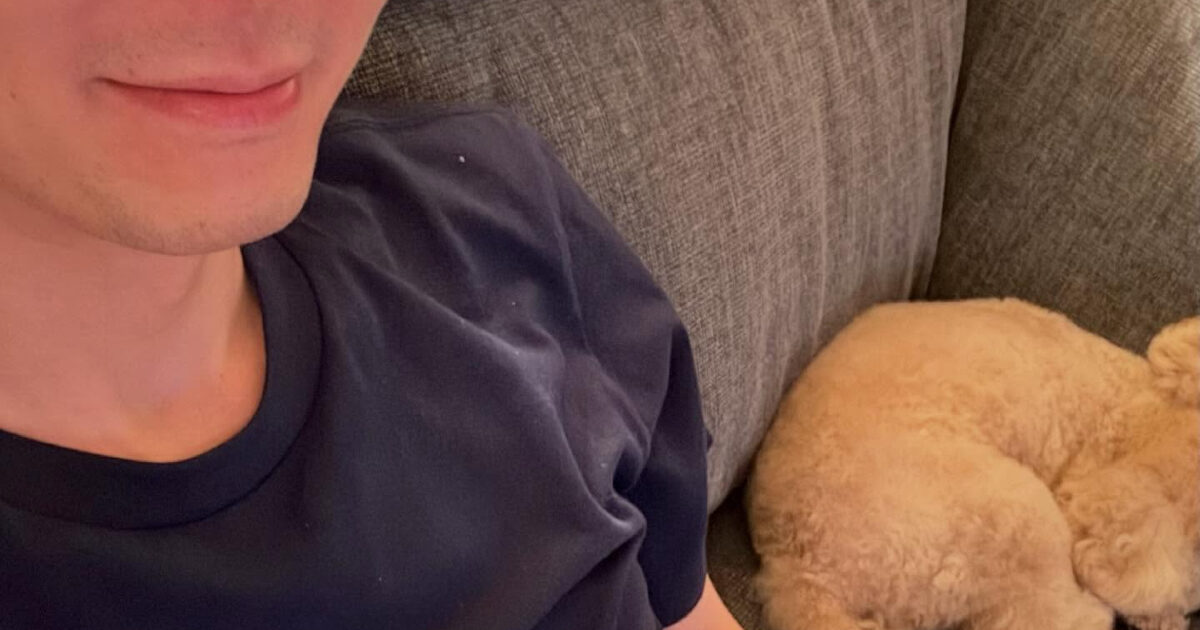
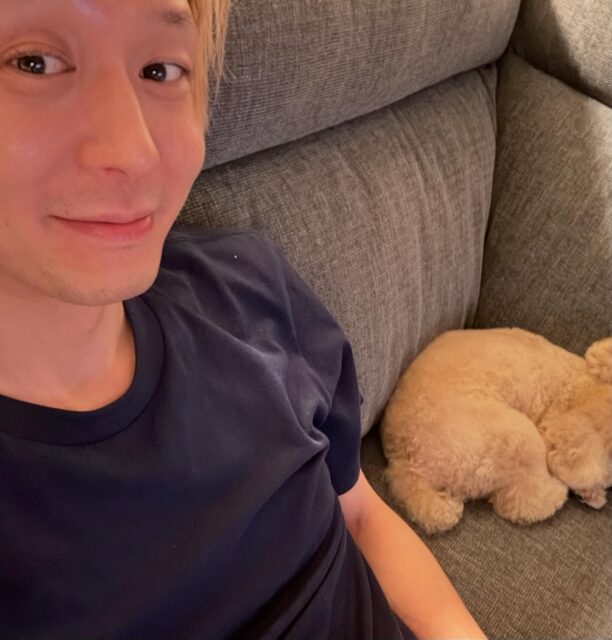
In the uploaded image, Park is depicted in a domestic setting, seated on a sofa while interacting with his pet dog. The visual contrast between his current state and his former "flower boy" persona—which earned him millions of fans worldwide during the 2000s and 2010s—is profound. Observers pointed to his significantly thinned facial structure, characterized by deeply sunken cheeks and a prominent jawline obscured by dark, unkempt stubble. Furthermore, his physical frame appears notably gaunt, with his arms showing a lack of the muscle tone typically associated with active idols. This transformation has sparked a wave of commentary regarding the toll that years of legal battles, public exile, and personal controversy have taken on the 40-year-old entertainer.
The Rise and Precipitous Fall of a Hallyu Icon
To understand the weight of Park Yoochun’s current "unrecognizable" status, one must look back at his stature during the mid-2000s. Debuting in 2003 as Micky Yoochun, a member of the five-piece boy band TVXQ under SM Entertainment, he was part of a group that redefined the K-pop industry. TVXQ was not merely a musical act; they were a cultural phenomenon that paved the way for the genre’s expansion into Japan and the broader Asian market.
Following a high-profile legal dispute with SM Entertainment over "slave contracts" in 2009, Park, along with members Kim Jaejoong and Kim Junsu, formed the trio JYJ. Despite facing significant industry blacklisting that prevented them from appearing on major South Korean music programs for years, Park successfully transitioned into a top-tier actor. His roles in hit dramas such as Sungkyunkwan Scandal (2010), Rooftop Prince (2012), and Missing You (2012) earned him critical acclaim and solidified his status as a multi-talented superstar. At his peak, Park Yoochun was the embodiment of the polished, youthful, and vibrant idol aesthetic that the industry prizes.
The 2019 Methamphetamine Scandal: A Point of No Return
The trajectory of Park’s career took a terminal turn in 2019 when he was accused of purchasing and consuming methamphetamine (Philopon) with his former fiancée, Hwang Hana. The scandal was particularly damaging due to Park’s initial, adamant denial of the charges. In an emergency press conference held in April 2019, Park tearfully insisted on his innocence, going as far as to state that he would "retire from the entertainment industry" if the allegations were proven true. He claimed that he had never used drugs and that the accusations were a misunderstanding stemming from his mental health struggles and past relationship issues.
However, the police investigation yielded evidence that contradicted his public statements. A drug test conducted on hair follicles taken from his leg returned a positive result for Philopon. The subsequent legal proceedings led to Park being sentenced to 10 months in prison with a two-year suspended sentence, along with a fine of 1.4 million KRW. This conviction effectively led to his expulsion from the South Korean entertainment industry. While many idols have managed to return from various controversies, the combination of drug use—a severe taboo in South Korean society—and the perceived betrayal of the public’s trust through his televised lies created a barrier that has proven nearly impossible to overcome.
A Chronology of Post-Sentence Controversies
Since his 2019 conviction, Park Yoochun’s attempts to navigate a return to public life have been marred by further legal and financial complications. Despite his vow to retire, he attempted to resume activities shortly after his suspended sentence began, primarily focusing on overseas markets where his fanbase remained somewhat intact.
- 2020-2021: Overseas Fan Meetings and Solo Releases: Park launched a fan club website and held fan meetings in Thailand and Japan. These moves were met with fierce criticism in South Korea, where the public viewed his "return" as a violation of his earlier promise to retire.
- 2021: Management Disputes: Park became embroiled in a legal battle with his former agency, Re:Cielo. The agency accused him of breaching his contract and signing with a Japanese agency while still under their management. Furthermore, allegations surfaced regarding his personal spending habits and mismanagement of funds.
- 2023: Tax Evasion Allegations: In December 2023, Park’s reputation took another significant hit when the National Tax Service (NTS) of South Korea included his name on a public list of high-value habitual tax delinquents. According to official reports, Park failed to pay five counts of taxes, including capital gains tax and income tax, totaling approximately 409 million KRW (around $310,000 USD). This revelation further soured public sentiment, as tax evasion is viewed with extreme gravity in the South Korean socioeconomic landscape.
Analysis: The Physical Manifestation of Public Exile
The "unrecognizable" appearance of Park Yoochun in 2026 is interpreted by many as the physical manifestation of "social death" within the K-pop ecosystem. In the South Korean entertainment industry, an idol’s visual presentation is a meticulously managed asset. The transition from a highly curated, youthful image to a gaunt, aged, and unkempt appearance often signals the absence of the "idol support system"—the stylists, makeup artists, and managers who maintain a star’s public facade.

Furthermore, the physical changes observed in the recent photo may reflect the psychological and physiological toll of chronic stress. Being a pariah in one’s home country, coupled with the pressure of mounting debts and the loss of a once-stellar career, creates a high-cortisol environment that can lead to rapid aging and weight loss. For Park, who was once celebrated for his "milky skin" and "gentle charisma," the current rugged and hollowed-out look serves as a stark reminder of the permanence of his fall from grace.
Official Responses and Industry Implications
There have been no official statements from Park Yoochun’s current representatives regarding the public’s concern over his health or appearance. Since being effectively banned from South Korean broadcast networks, Park has operated largely through independent channels and minor overseas agencies.
The industry implications of Park’s current state are significant. His case serves as a cautionary tale for current K-pop idols regarding the "zero-tolerance" policy the South Korean public holds toward drug offenses and perceived dishonesty. Unlike Western entertainment markets, where a "rehab-to-redemption" arc is common, the South Korean market relies heavily on a "moral contract" between the idol and the fan. Once that contract is broken by a criminal act and subsequent perjury, the path to reinstatement is virtually non-existent.
The reaction from netizens to the new photo has been a mix of shock, pity, and lingering resentment. While some international fans express concern for his well-being, the domestic response remains largely cold. Comments on various Korean portal sites highlight a recurring sentiment: that the "Micky Yoochun" they once loved no longer exists, and the man in the photo is a stranger defined by his past mistakes.
Conclusion: The Finality of the Idol Life Cycle
Male K-Pop Idol Is Unrecognizable In Latest Update—this headline encapsulates the final chapter of a career that once seemed destined for legendary status. Park Yoochun’s journey from the center of the TVXQ phenomenon to a gaunt figure on a sofa, separated from the industry that raised him, underscores the volatile nature of fame in the digital age.
As the photo continues to circulate, it serves as a visual record of a fallen star. For the industry, it is a reminder of the strict societal standards that govern Hallyu. For the public, it is a closing of the book on a former idol who has become a stranger to the image he once projected to the world. Whether this "unrecognizable" update is a sign of a new, humbler life or a symptom of ongoing struggles remains to be seen, but for now, it stands as a definitive marker of the end of the "Park Yoochun Era."